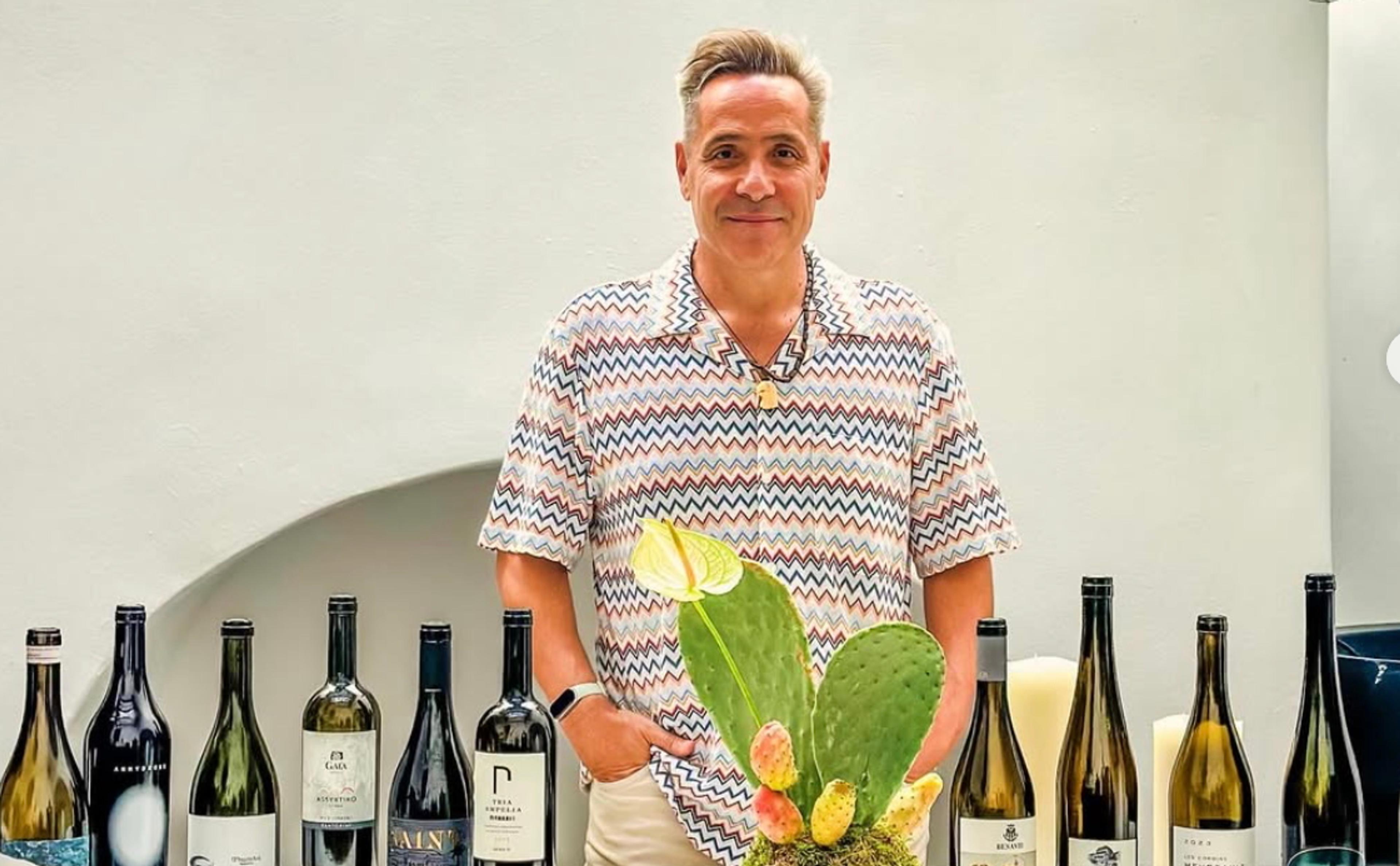

You have just published the third edition of Greek Wine Explained - talk us through what you have produced?
This isn't just a yearly update. The goal this year was to step back and assess where Greek wine truly stands, beyond mere visibility and momentum. The report exceeds 150 pages and emphasises fundamentals over headlines: vineyard realities, yield pressures, climate context, planting strategies, and the choices at the producer level that will shape the future development.
It also includes structured blind tastings, notably 66 Assyrtiko wines organised by style and region, an in-depth look at Naoussa through 28 wines, and curated winery lists designed to be commercially useful for buyers and sommeliers.
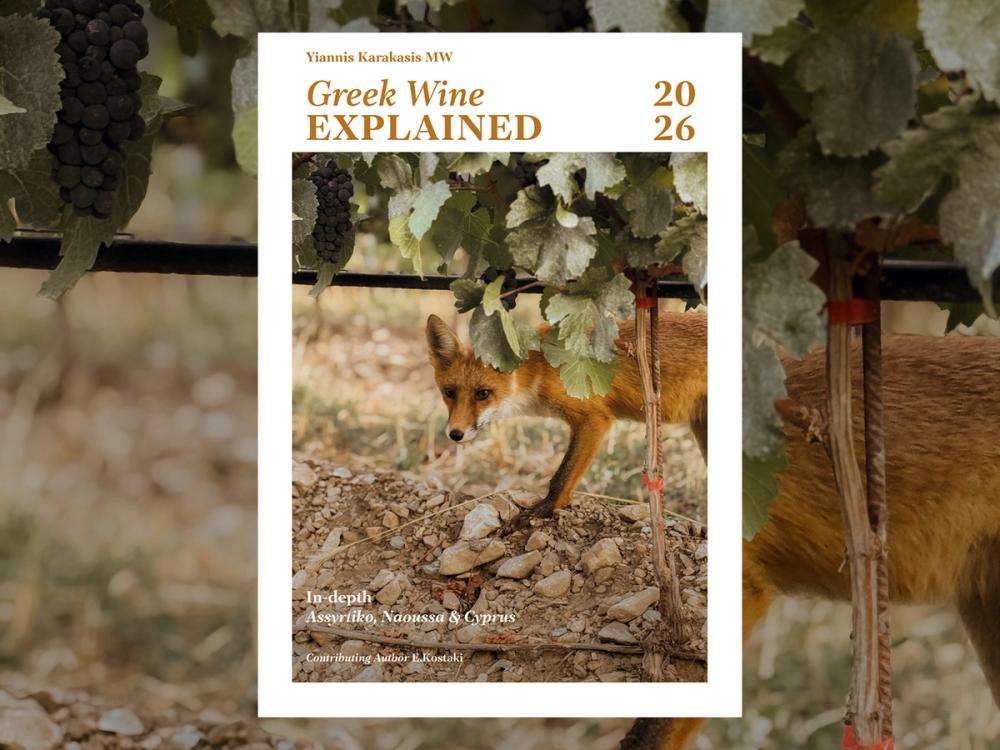
Yiannis Karakasis has published the third edition of his in-depth Greek Wine Explained report
As with previous editions, the publication is fully independent and advertisement-free. That principle is non-negotiable. The aim is to provide clarity, structure, and honest assessment for professionals who need more than enthusiasm when working with Greek wine.
Why do you think the time was right for a third edition?
Greek wine has reached a level of international recognition that would have been difficult to imagine 15 years ago. Listings in reputable restaurants, rising export values, and a stronger presence in key markets all point to genuine progress. But visibility is only the first stage of maturity.
Meanwhile, the sector faces a much more challenging environment. The global market sees consumers drinking less and examining value more carefully. This is precisely why a third edition felt necessary.
Not to celebrate momentum, but to examine whether the structural foundations are solid enough to sustain it. Greek wine is moving from discovery to consolidation. It is also part of a broader effort on my side to stimulate serious, ongoing discussion around Greek wine, something I pursue through initiatives such as Great Greek Wines.
The aim is to move beyond ephemeral attention and build a long-term narrative supported by evidence rather than enthusiasm.
What would you say have been the big changes and differences between each edition in terms of the quality and diversity of Greek wines?
With each edition, I have noticed a clear change in the way Greek wine presents itself. It feels more confident and more comfortable in its own skin.
In the first edition, the conversation was still about potential. There was excitement, but also a need to prove something.
In the second, the focus shifted to visibility, as Greek wine was clearly gaining ground internationally.
In this third edition, the discussion is more grounded. The key question is no longer whether Greek wine can be good, but whether it can remain consistently good under more demanding conditions.
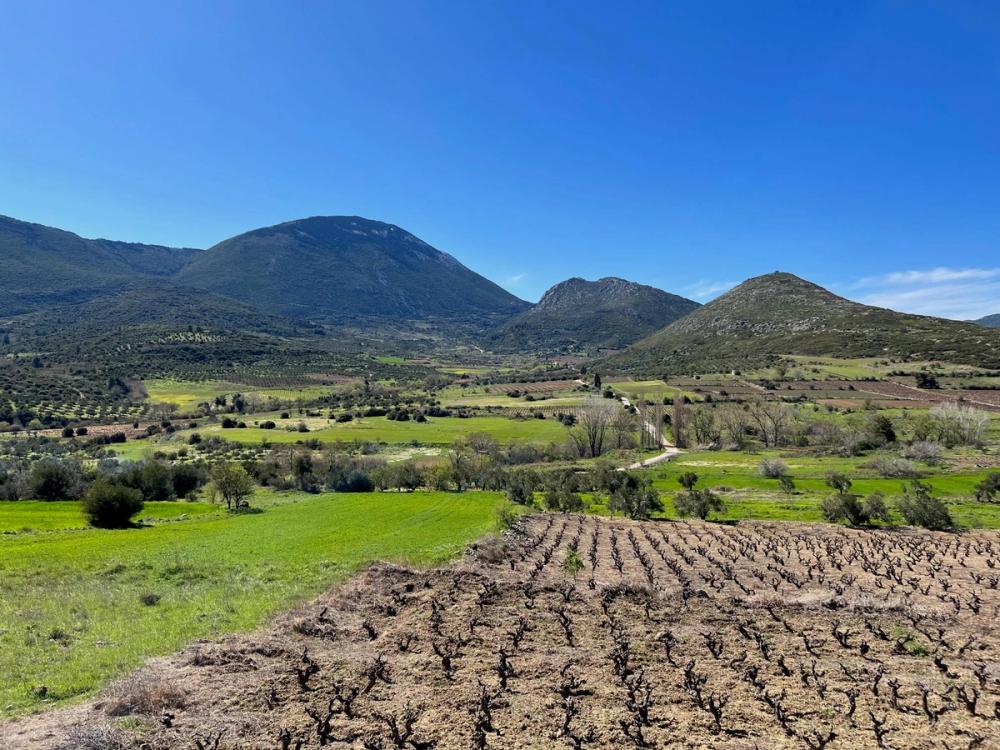
Yiannis Karakasis MW has been able to chart the development of Greek wine in each editiion of his Greek Wine Explained report
In terms of quality, the biggest change is consistency across regions, not just excellence at the very top. Vineyard work has improved noticeably, particularly in yield control and picking decisions. Oak usage in reds is more measured, and balance is increasingly prioritised over power.
There is greater confidence in restraint. As for diversity, Greece always had many varieties. What is different now is how seriously they are treated. Lighter red styles are better defined. Savatiano is handled as a premium grape. Vidiano is expanding beyond Crete. Assyrtiko is being explored more carefully outside Santorini.
The range is not new. The approach is more focused.
What are you seeing in particular in terms of terroir and better understanding of soils, vineyards, and terroir?
There is a clear shift from talking about terroir to working for it. The discussion is becoming more practical. Terroir is no longer treated as a romantic idea. More producers are working with viticultural consultants, focusing on soil health and adopting more regenerative practices.
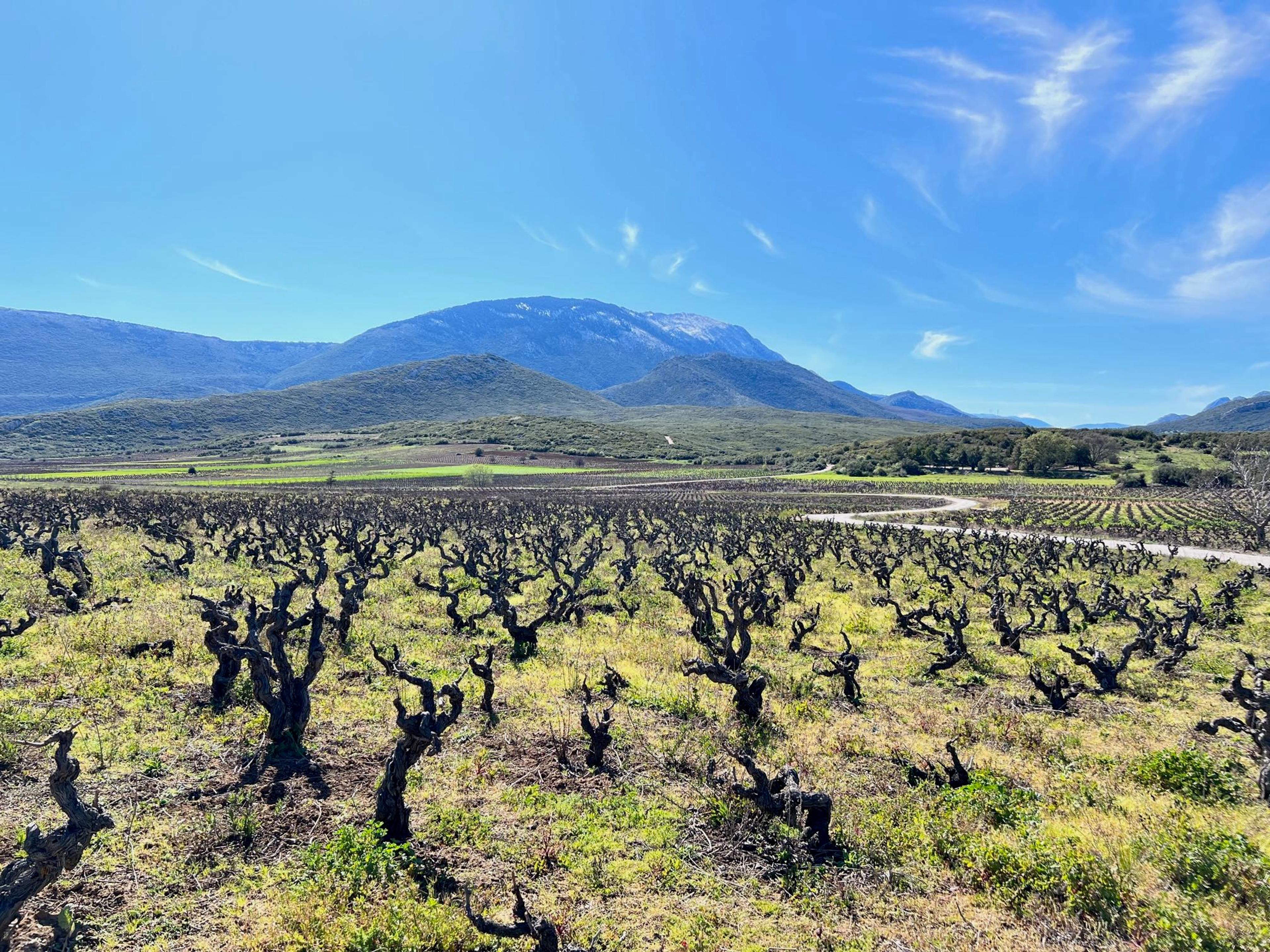
Old vines are increasingly valued for their natural balance and deeper root systems, although I still believe they need stronger protection and clearer recognition at a national level.
Climate pressure has accelerated everything. Irrigation strategies are reassessed, canopy management is more precise, and picking dates are adjusted carefully to preserve freshness. In many regions, altitude is now seen as a strategic advantage. The conversation around terroir has become technical and urgent.
You have a big focus on the personalities that are driving the sector and the new faces that are emerging - can you pick out some individuals or what they are doing that is different?
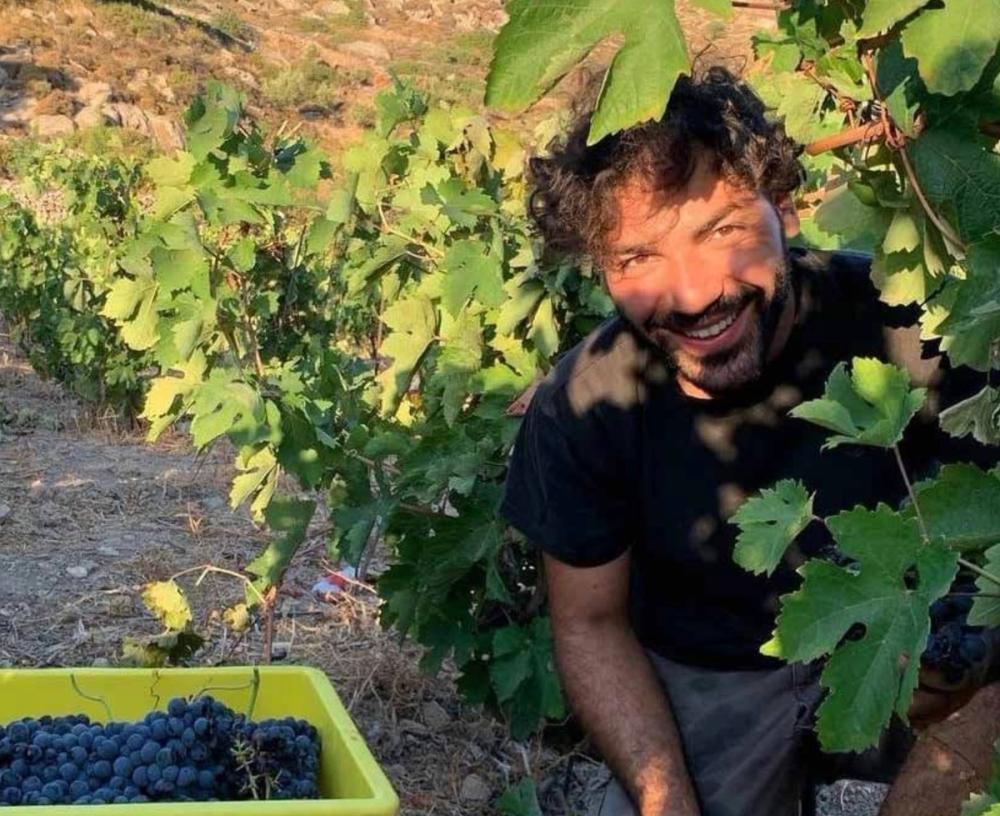
Federico Garzelli is one of the key figures in Greek winemaking that is helping to shape its future says Yiannis Karakasis MW
Wine is always about people, particularly in a country like Greece where estates are closely linked to individual vision. This year I focused on figures such as Theodora Rouvali, Costas and Gerasimos Lazaridis, and Federico Garzelli because they represent different stages and models of development.
Theodora Rouvali has reshaped the image of Rouvali wines within a relatively short period, bringing sharper focus and greater precision to the estate.
Costas and Gerasimos Lazaridis show how an established name can evolve when experience and a younger generation work side by side.
Federico Garzelli, in Nisyros, operates on a completely different scale, facing conditions and logistical challenges that few producers would willingly take on. What connects them is a clear shift in mindset.
There is less emphasis on image and more attention to farming detail, site selection, and long term planning.
How have you broken down the guide?
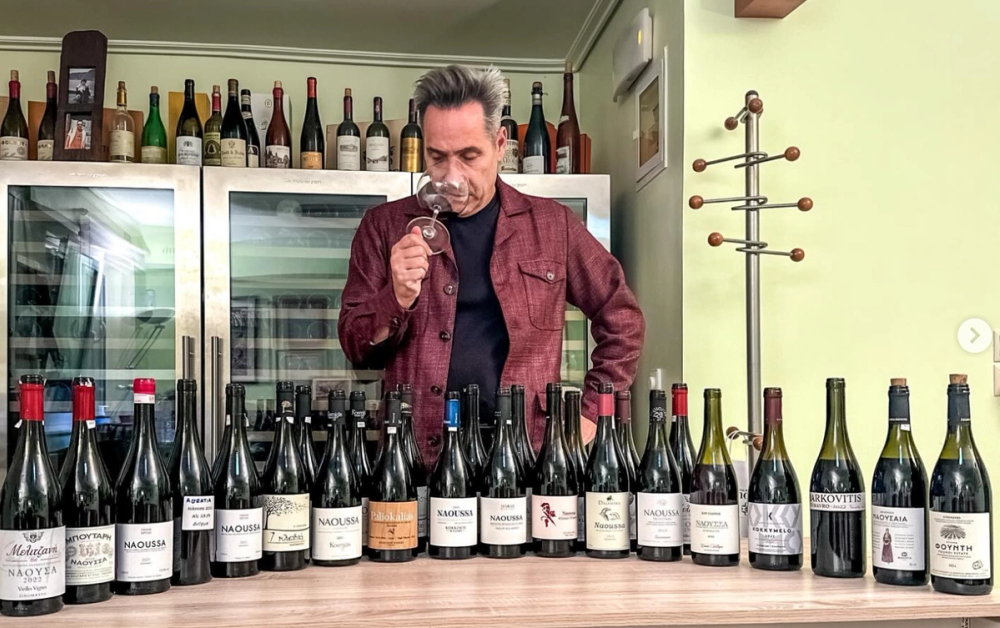
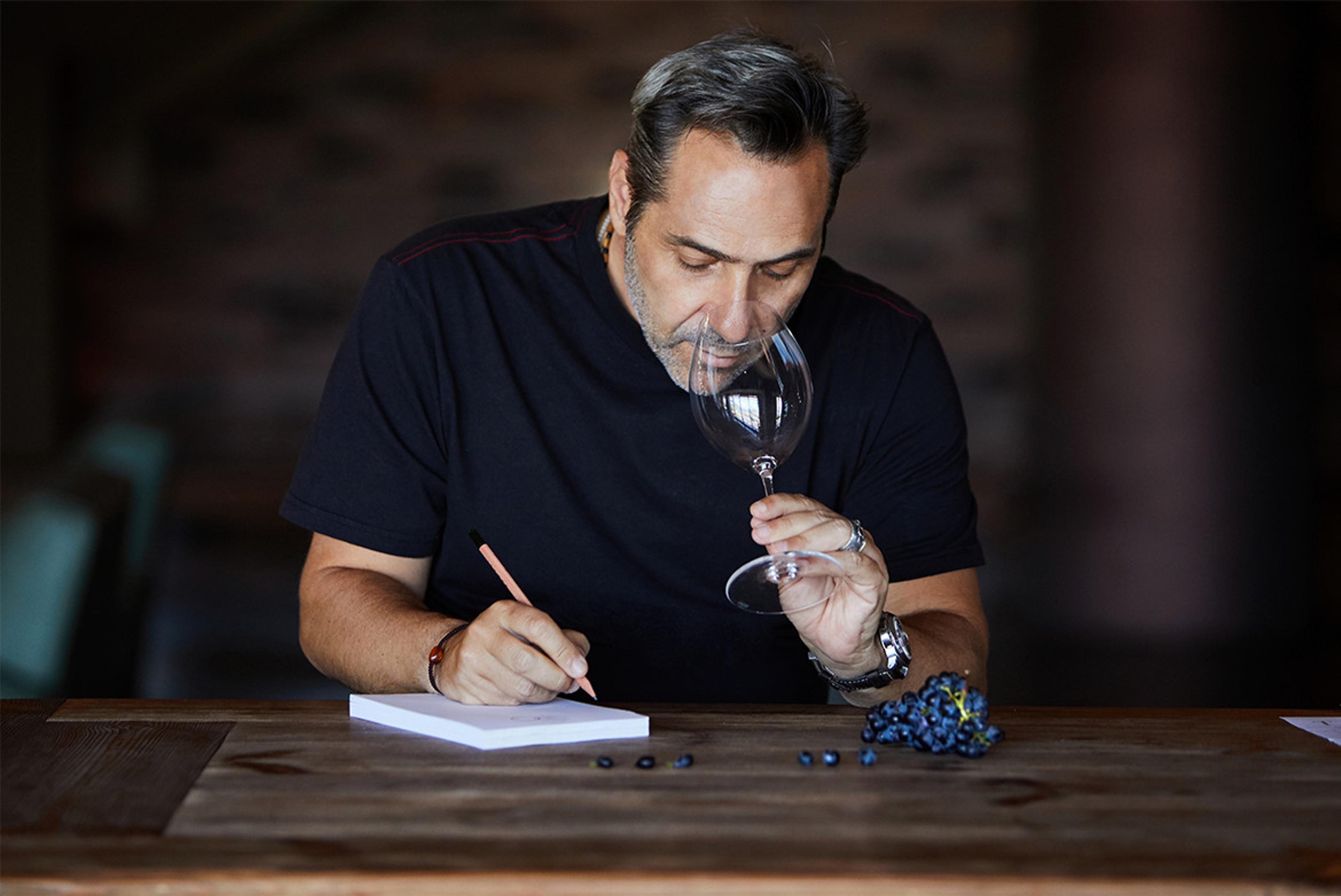
Yiannis Karakasis has carried out extensive tastings to help udpate his Greek Wine Explained report
I am a strong believer in consistency, so the structure follows the same logic each year. That continuity is intentional. It allows readers to compare editions and track evolution rather than simply consume information once. The report is structured into two main sections.
The ‘’Greek Wine Explained’’ section includes:
- News and developments in Greek wine during 2025.
- Analysis of key topics such as terroir and the Greek vineyard.
- A nationwide overview of the 2025 vintage.
- The chapter, The People Behind the Labels, focuses on individuals shaping the next phase of Greek wine.
- Extensive winery and wine lists covering: New Promising Wineries, Wineries to Watch, Superb Value for Money Wineries, and Must Have Wines.
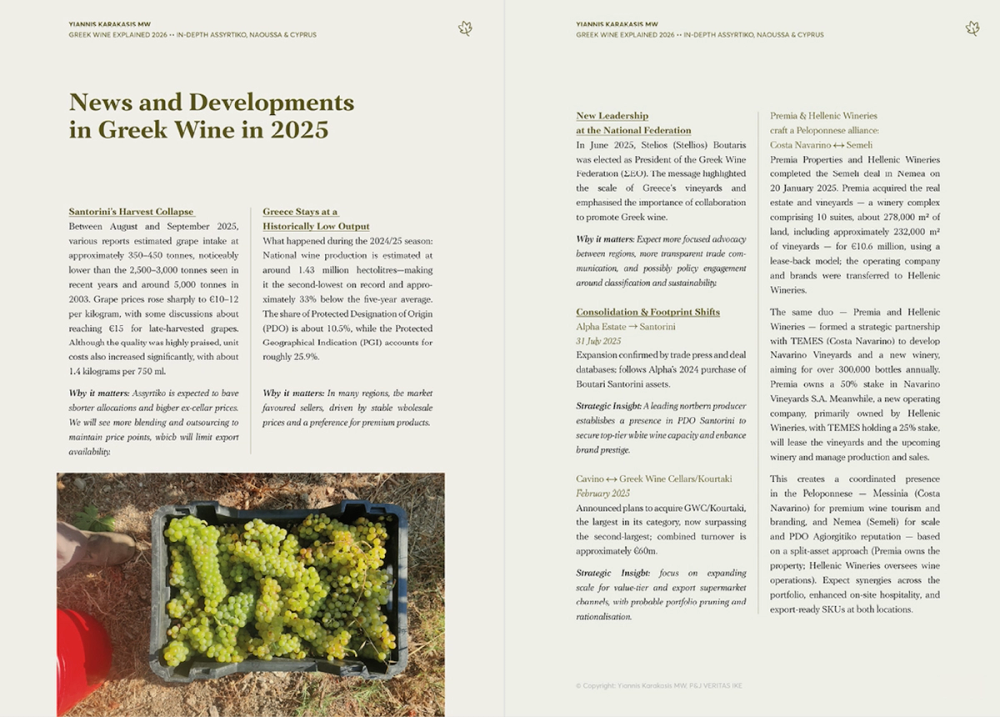
The ‘’In Depth’’ section explores:
- Assyrtiko beyond Santorini, supported by a blind tasting of 66 wines from across Greece
- Naoussa and the evolution of Xinomavro, including a tasting of 28 wines.
- Cyprus, positioned within the broader Eastern Mediterranean context, with a dedicated chapter by Master Sommelier Sotiris Neophytidis.
The topics featured in the In Depth section are updated annually, reflecting the regions and varieties that most significantly shape the current discussion around Greek wine.
The idea is simple. First, understand the environment. Then look at the producers. Then assess the wines. That sequence reflects how I approach Greek wine professionally.
You have a specific focus on Assyrtiko - explain what you have done and looked to explore?
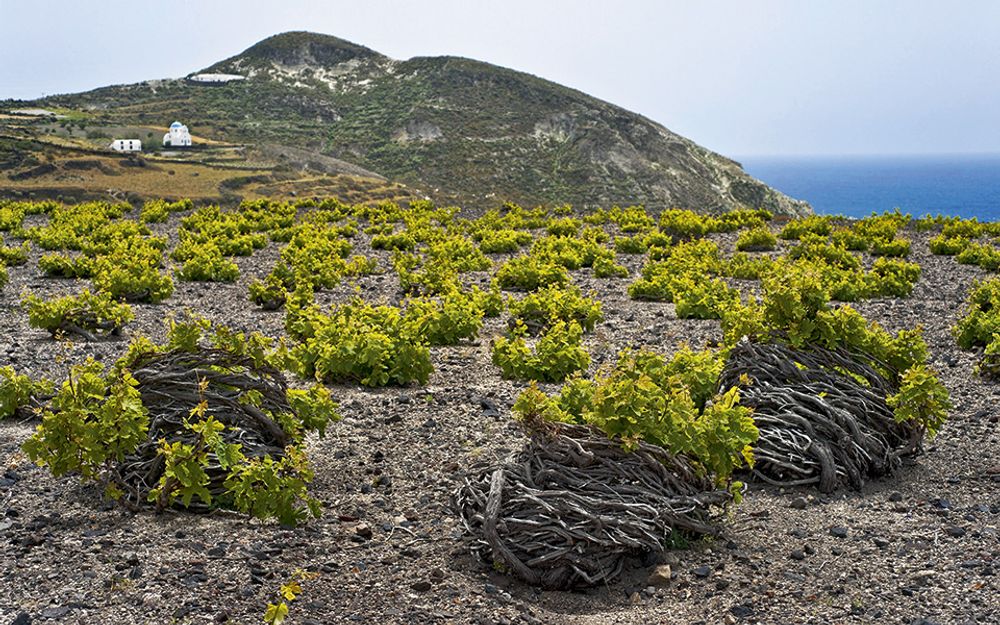
Assyrtiko is now evolving and moving on from its original home in Santorini to influencing winemaking in other areas of Greece
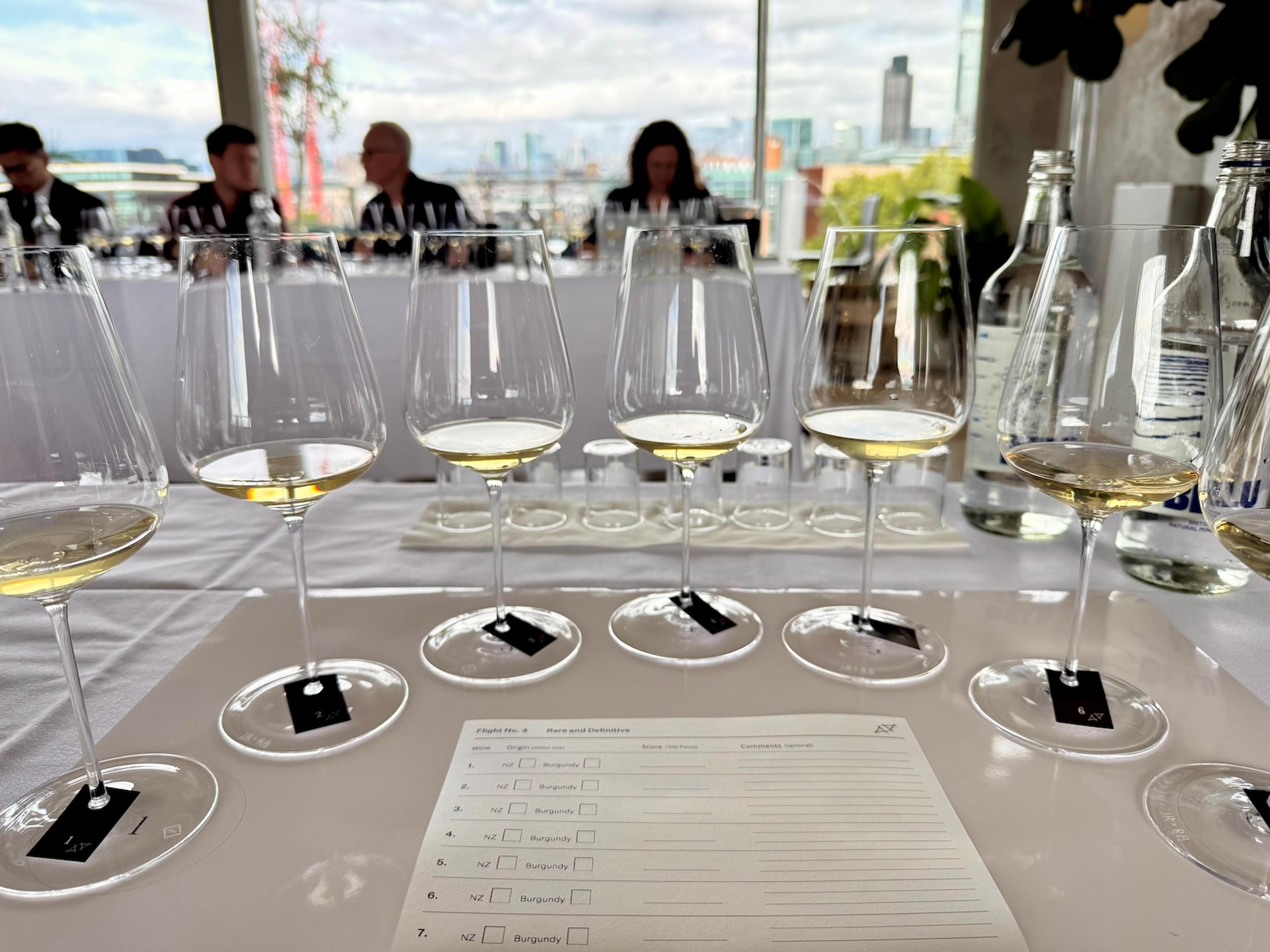
Assyrtiko is no longer solely a Santorini story, and that is exactly why it deserves a focused approach. For this edition, we gathered around 50 producers and conducted a blind tasting of 66 Assyrtiko wines from across Greece, organised first by style and then by region. The aim was to identify what remains consistent in the grape’s profile and what shifts when it is grown in different soils, altitudes, and climatic conditions.
I was especially interested in structural elements: acidity, texture, phenolic grip, and overall balance.
Does Assyrtiko maintain its linearity and tension beyond Santorini? How does fruit expression evolve? And how much of what we associate with the variety is truly inherent, rather than site-specific?
There is also a clear commercial aspect. With Santorini experiencing very low yields and ongoing price pressure, the question for the trade is whether high-quality mainland expressions can provide both stylistic credibility and greater supply stability. The aim was not to replace Santorini but to understand the grape’s ability to travel without losing its identity.
What other areas have you focused on?
Xinomavro is arguably Greece’s most structured and age-worthy red variety, but its stylistic direction is still being refined. In the Naoussa chapter, I combine historical context with a curated tasting, including recent vintages, to assess where the region is heading rather than where it has been.
What emerges is a clearer stylistic shift. Tannin management is more controlled, extraction is less aggressive, and oak is used with greater restraint. The emphasis is moving from power to definition. But there is still work to be done especially in the vioneyard.
You also have a focus on Cyprus - what is that and why did you want to include it?
Cyprus is included because it belongs to the same Eastern Mediterranean and Greek reality. I first visited Cyprus in 2016 and was struck by what I saw: very old bush vines, high-altitude vineyards, and varieties that had survived largely outside the international spotlight. It felt like a hidden chapter of the same broader story.
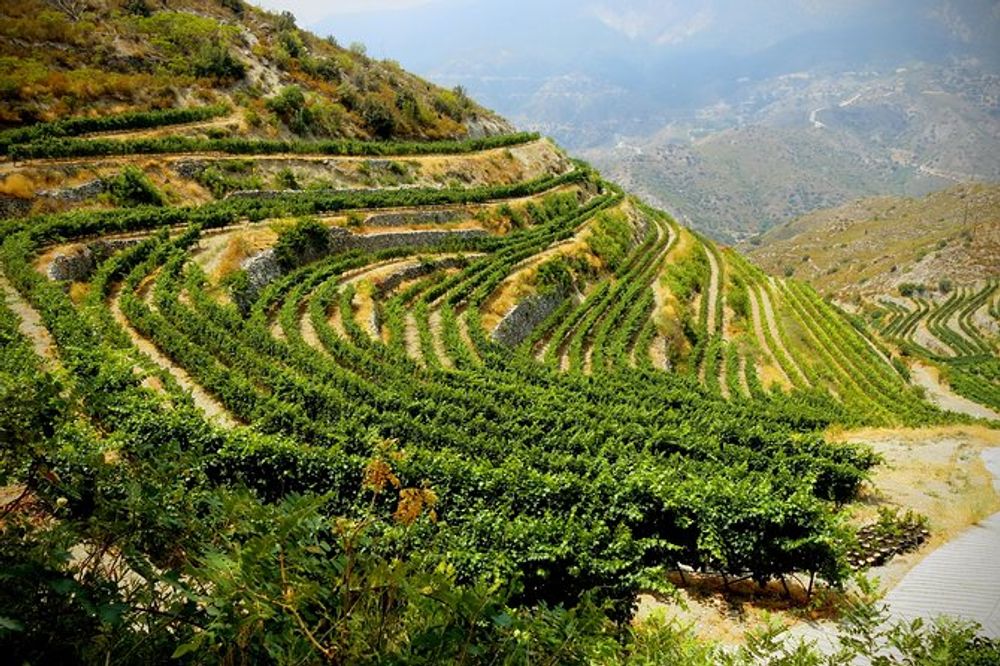
The Troodos vineyards in Cyprus are ones to watch says Yiannis Karakasis MW
Over the past few years, I have followed the island's evolution more closely. Climate challenges, including drought and fire risk, are intense, but they have also accelerated serious discussion around site selection, altitude, and resilience. The Troodos vineyards in particular demonstrate real potential, both in terms of freshness and longevity.
Including Cyprus allows the report to place Greek wine within a wider geographical and climatic context rather than treating it in isolation.
The chapter was entrusted to Sotiris Neophytidis MS, whose on-the-ground perspective adds depth and balance. The intention was not to merge the two identities, but to connect parallel developments within the same cultural and climatic sphere.
What impact do you hope the guides have in bringing more people to Greek wines?
I hope the guide contributes to greater clarity around Greek wine and strengthens the message with real-time, on-the-ground insight. Ultimately, I would like the report to help Greek wine move from being seen as an interesting discovery to becoming a considered and reliable part of a professional portfolio and work as a tool for buyers, importers and sommeliers.
What other activities and tastings do you have planned this year?
This year, Great Greek Wines will continue its structured international tastings, with confirmed events in Germany and Poland, two markets that are showing increasing interest in Greek wine at a serious trade level.
Both markets are important for different reasons. Germany remains one of the most significant European destinations for Greek exports, while Poland is emerging as a dynamic, fast-growing market with a growing community of engaged sommeliers and importers.
In total, across these two countries, we have nearly 50 wineries participating. There is also a larger-scale event planned for later in the year that has not yet been formally announced. It will build on the same philosophy.
The UK, of course, remains a primary focus for us. It is a mature and demanding market, and we intend to return with renewed energy. For Greek wine, a sustained presence in the UK trade is essential for long-term positioning.
Yet for Greek wine to succeed long-term in the UK and evolve, it must move beyond private-label volume and define itself more clearly through site, structure, and consistency. So here there is something to discuss and debate.
* To find out more Greek Wine Explained and to get a copy go to Yiannis Karakasis website here.