You are about to mark a significant achievement for the Drinking Hour?
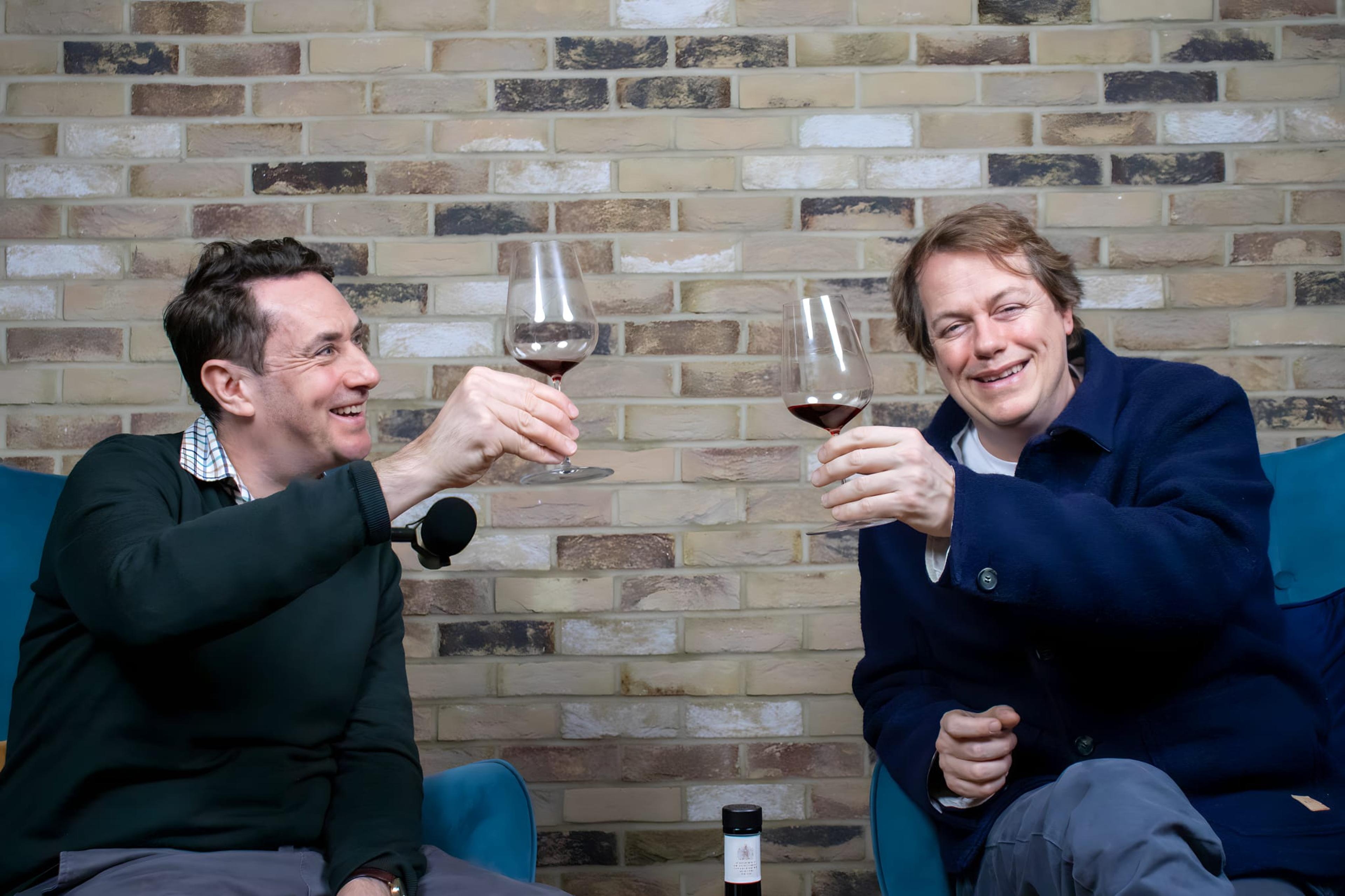
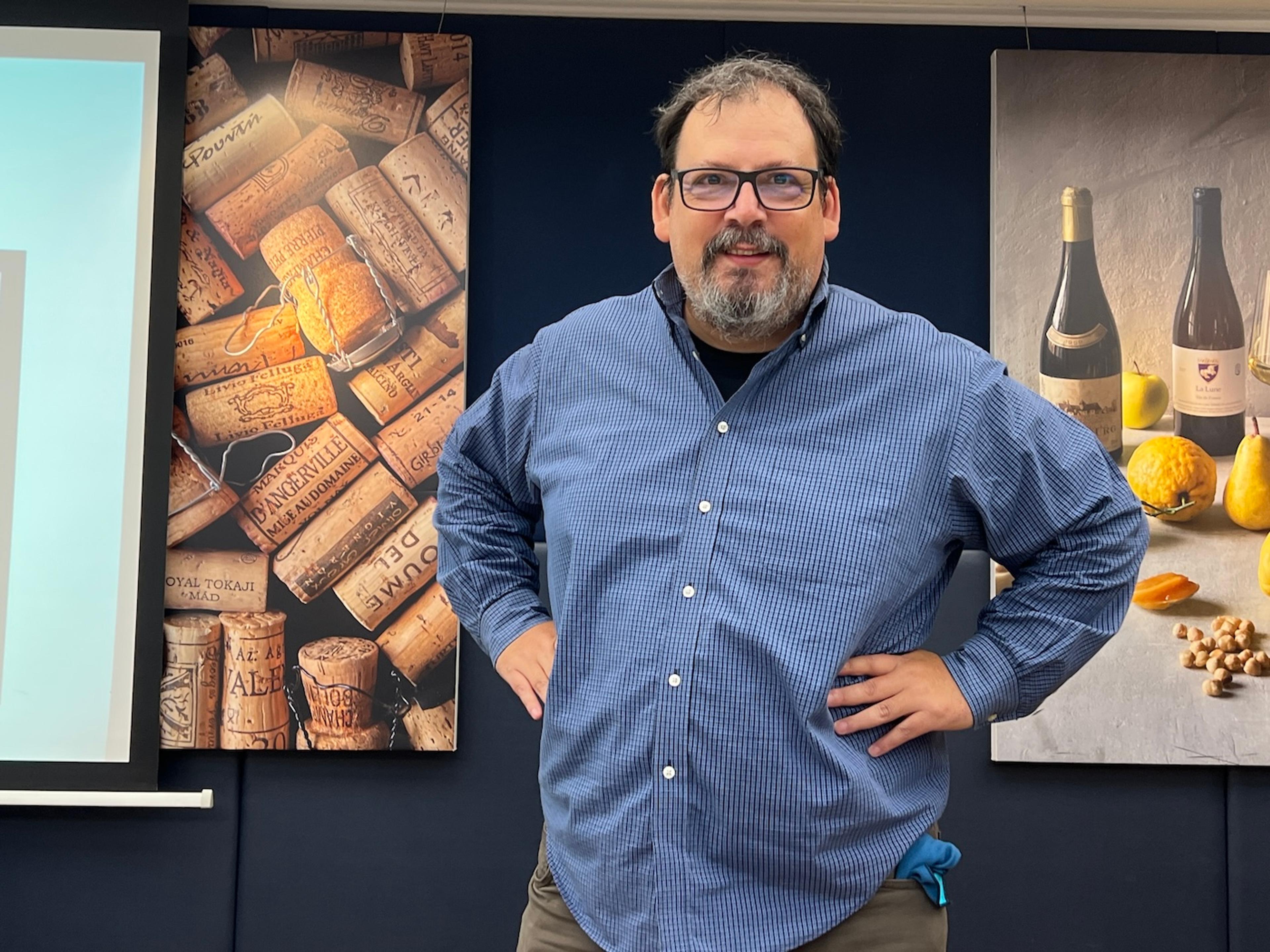
We have reached episode 250 of the Drinking Hour, which means we have been at it for almost five years now. The podcasting world is full of false starts, some great shows have come and gone over that time, so I am really delighted that we have reached this milestone and, to celebrate, we are joined by a fantastic guest, a man I greatly admire, Sacha Lichine, of Chateau D’Esclans.
The Drinking Hour on Food FM with David Kermode is celebrating its 250th episode this week
It’s a great story: everyone told him he was mad when he sold up in Bordeaux and made the move to Provence, to build a business selling premium rosé, a category that scarcely existed at the time, but he has had the last laugh, with the extraordinary success of Whispering Angel, Garrus and the like.
We all love a story, and his is one of the best. Plus, I love Provence rosé, so it’s a win-win and a great way to celebrate.
How do you think the Drinking Hour podcast has evolved since you first started it?
It has evolved quite significantly over the years and I must admit to the odd cringe when I listen to early episodes. My background in news broadcasting informed my early efforts to try to make a radio show, but podcasts are a different beast.
The early shows were too long and contained too much content. Podcasts work best when the duration looks manageable (listeners are busy people) and there’s a close focus on a particular subject or guest.
As a rule, the broader you go, the more you try to pack in, the less you achieve.
When it was first launched podcasts were not as mainstream and influential as they now are - why did you want to set it up in the first place?
I would love to say The Drinking Hour was my idea, but it wasn’t. It came about from a chance conversation between Christelle Guibert, chief executive of the IWSC and the co-founders of Food FM, Karen Morris and Caroline Kenyon.
Christelle was looking to promote medal winners, to add value to the competition, and Karen and Caroline happened to be on the lookout for content. Christelle said: “You must surely want a drinks programme? What about David?” And the rest is history.
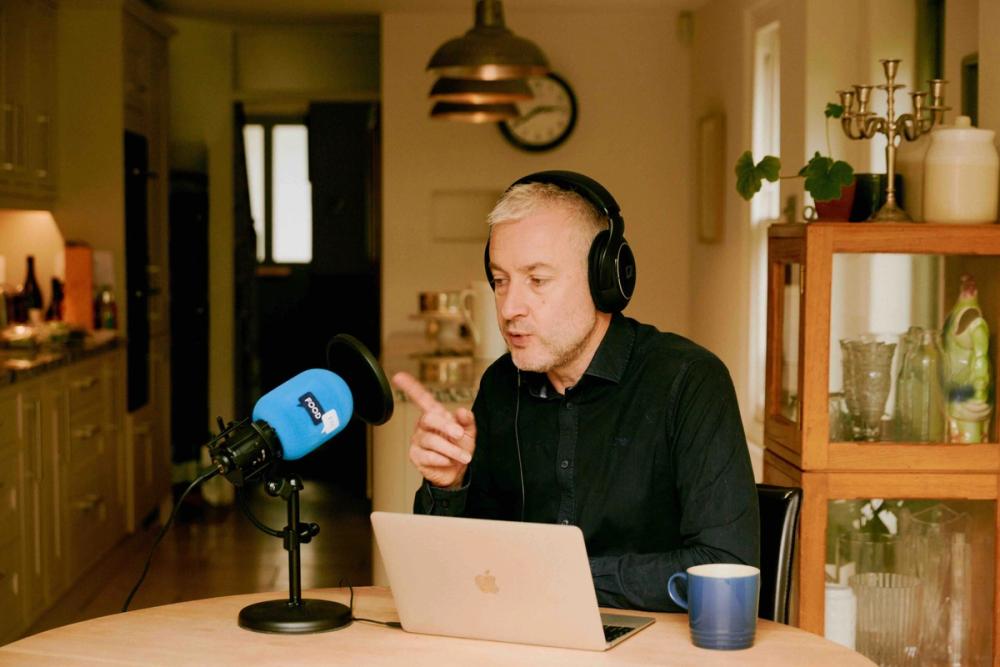
David Kermode was a successful national TV news producer - editing BBC Breakfast amongst others - before starting a career in wine writing - and now podcasting
The Drinking Hour was Food FM’s first show, the IWSC/Club Oenologique has been a headline sponsor since day one, and The Buyer has been supporting us as a trade media partner since the very early days too.
Did you take any inspiration from other podcasts or interviewers?
My major influences have been in conventional broadcasting, which is perhaps unsurprising given my background. My great friend Julian Worricker, a superb broadcaster and veteran of BBC 5 Live and Radio 4, will tell you that interviewing is all about listening - and so that is what I try to be most focused on.
Preparation and research are obviously very important, but listening properly and responding trumps everything else.
The interviewers that I rate most highly are not the gladiatorial grandstanders, they are the calm, often understated, professionals who are well prepared, but ready to listen.
Mishal Hussein and Evan Davis spring to mind and, harking back to my TV career, I have always been a champion for Susanna Reid, who is now a national treasure of course.
You have a strong background in broadcast journalism - what disciplines and skills have you been able to bring over from that world into podcasting?
I cut my teeth as a radio reporter, moving to Sky News and then the main BBC newsroom, becoming editor of BBC Breakfast at the somewhat precocious age of 32, before going on to run Channel 5 News.
My pedigree spans public and commercial broadcasting, but I have always been unashamedly populist, something of which I am proud. It’s important to keep it real, and remain focused on using relatable language, so I try to bring that to my communication about wines and spirits.
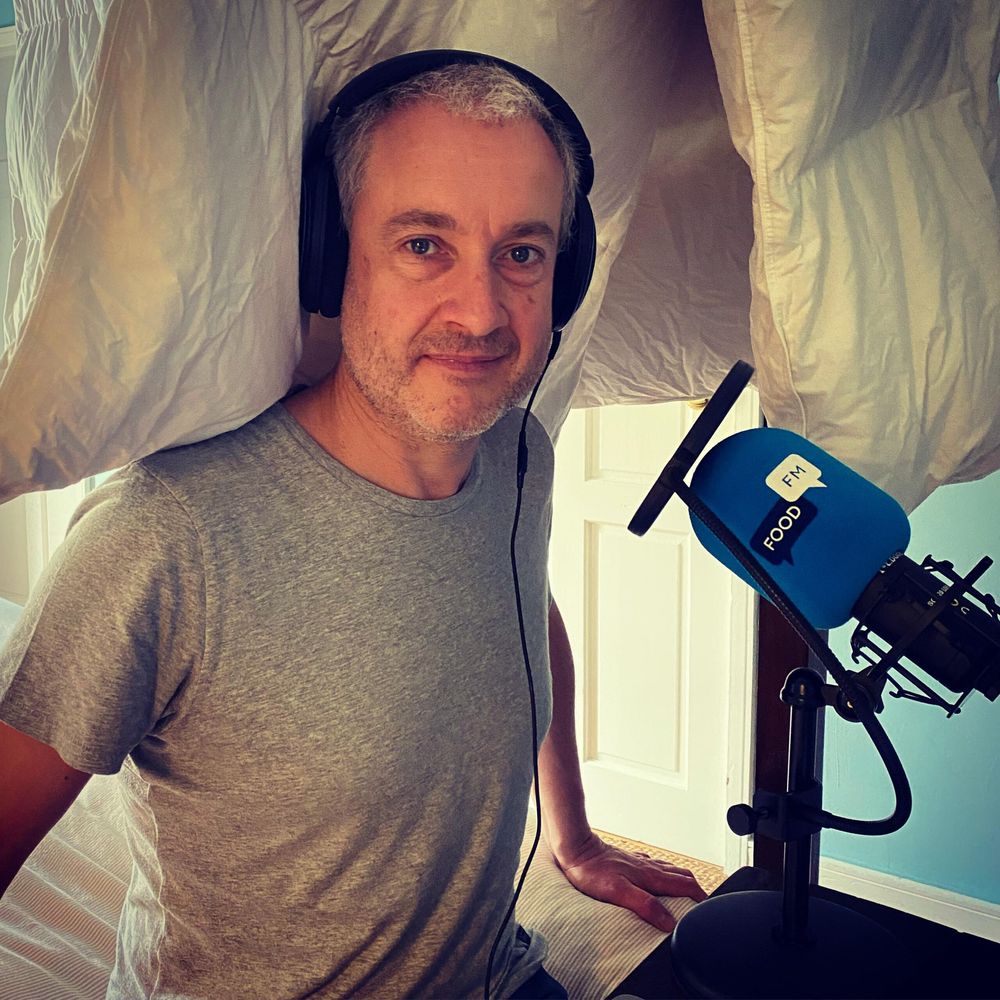
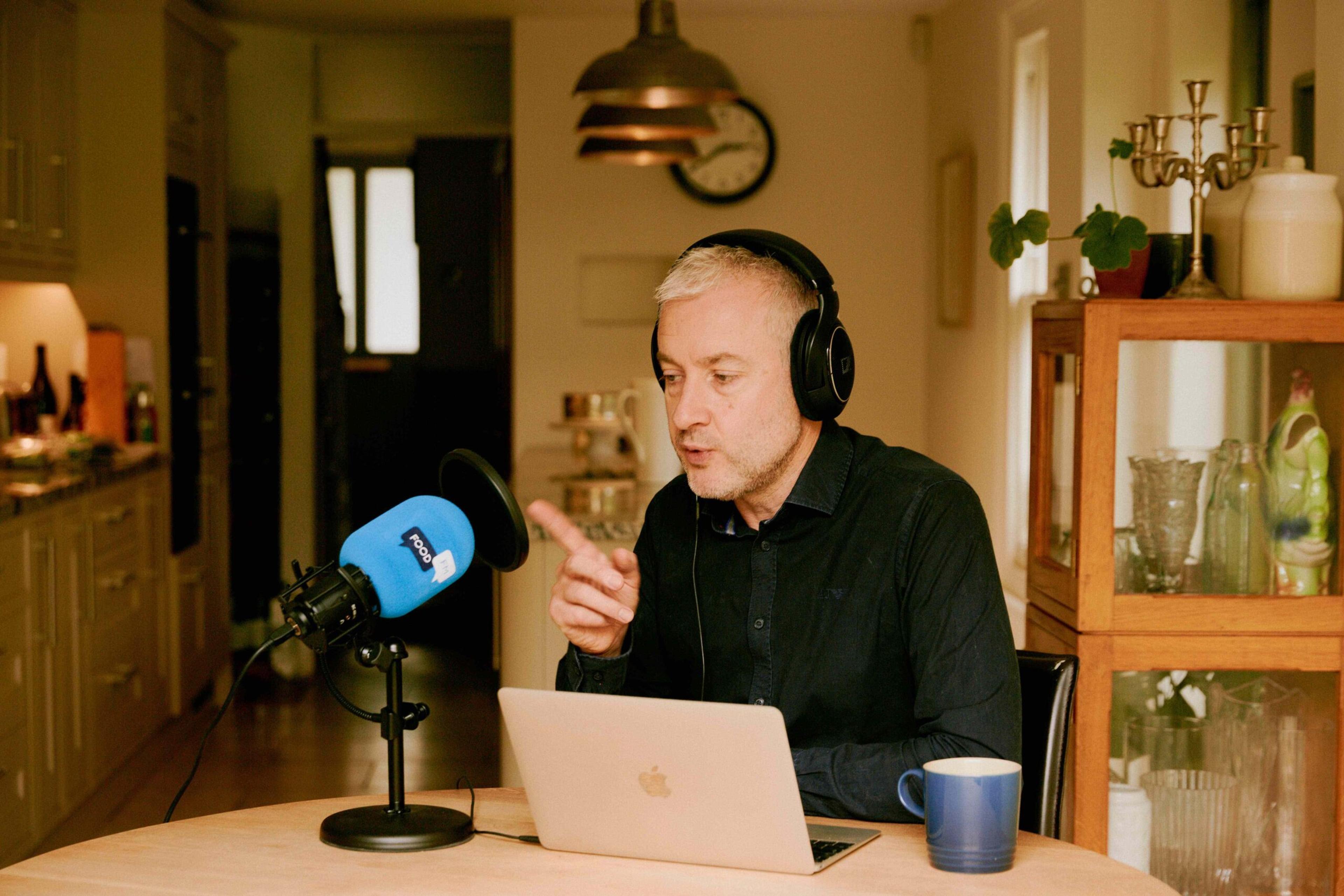
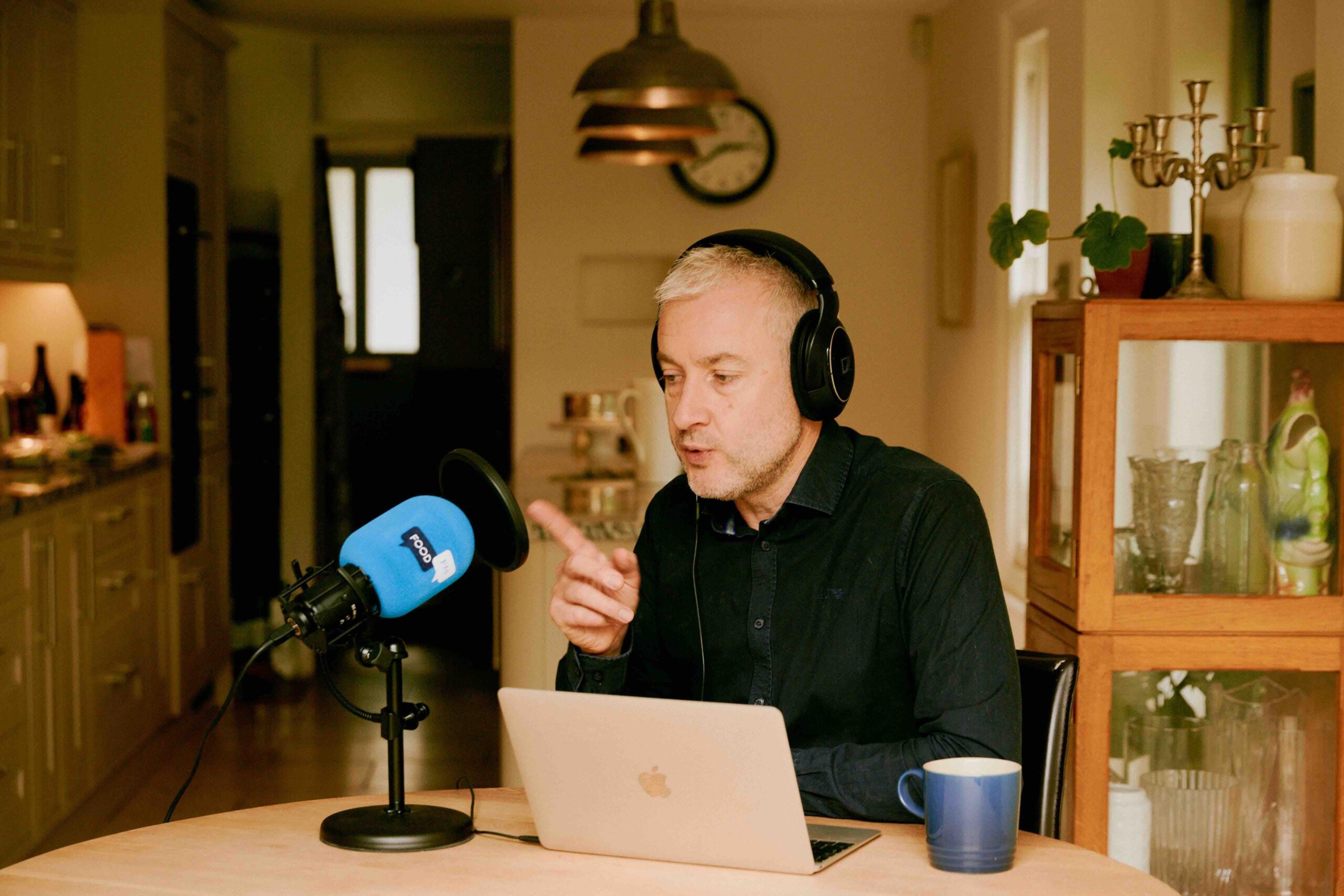
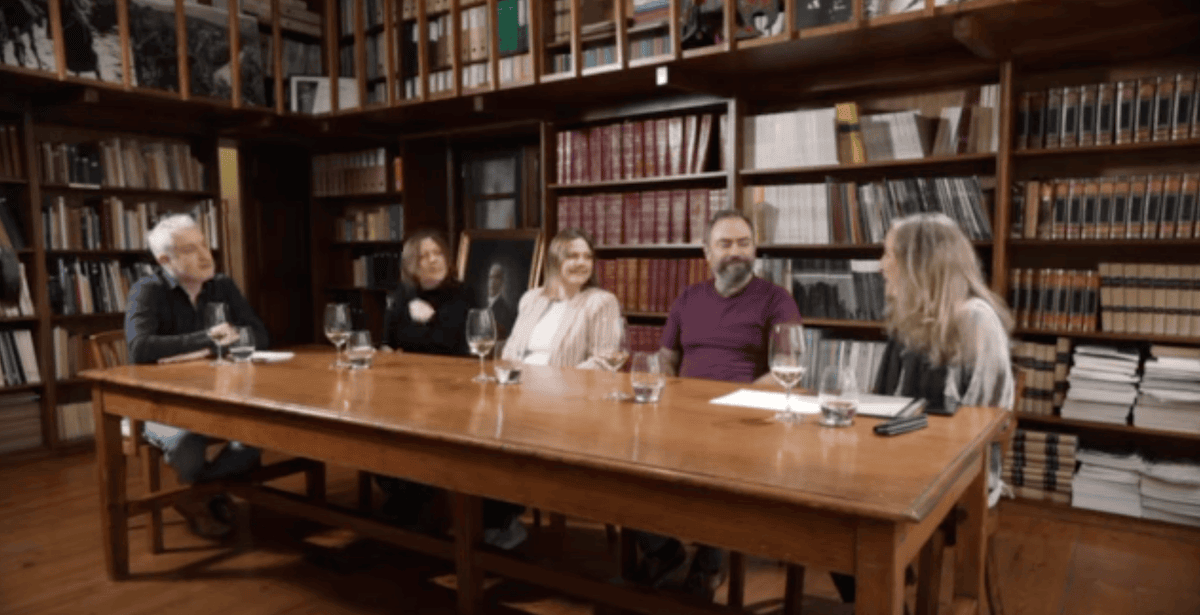
"It's all about the sound proofing..."
I don’t subscribe to the view, expressed by some, that ’no-one is interested in whether a wine had malo or what sort of oak is used’ because I think we all want to know a bit more about what we enjoy, providing it’s relevant and relatable.
So I try to bring that mission to explain to the podcast, without making it sound ‘educational’, which could easily be dull. More than anything, I just love a good story. Who doesn’t?
What do you think are the key ingredients you need for a successful podcast?
You must be prepared to invest time and energy. I liken having a podcast to keeping a pet: it’s a serious commitment, not to be entered into without proper intent, and you must nurture it, feed it, and give it love.
Being a year-round, weekly show, it’s quite a lot of work and it never stops.
What have been the hardest things about running a regular podcast?
The workload can be a bit much when there’s lots going on. I have to juggle as I have writing and judging commitments (I’m also an ambassador for the IWSC) and I do a lot of travelling too.
The technical aspects can be challenging, but I am very fortunate to have a brilliant technical supremo and engineer, Simon Alexander, whom I have never even met in person (we work remotely) but who has been with the Drinking Hour since episode one, overseeing recording, editing and publishing.
What are you most proud of about the podcast?
I am obviously pleased about our longevity, but I suppose I am most proud of the calibre of guests that we have enjoyed and the quality of many of those conversations, which have often been moving and profound.
I have learned a lot from our various guests, not least the top level experts on the IWSC’s senior judging committee, and we have also had plenty of fun.
What have been the stand out episodes, guests and moments?
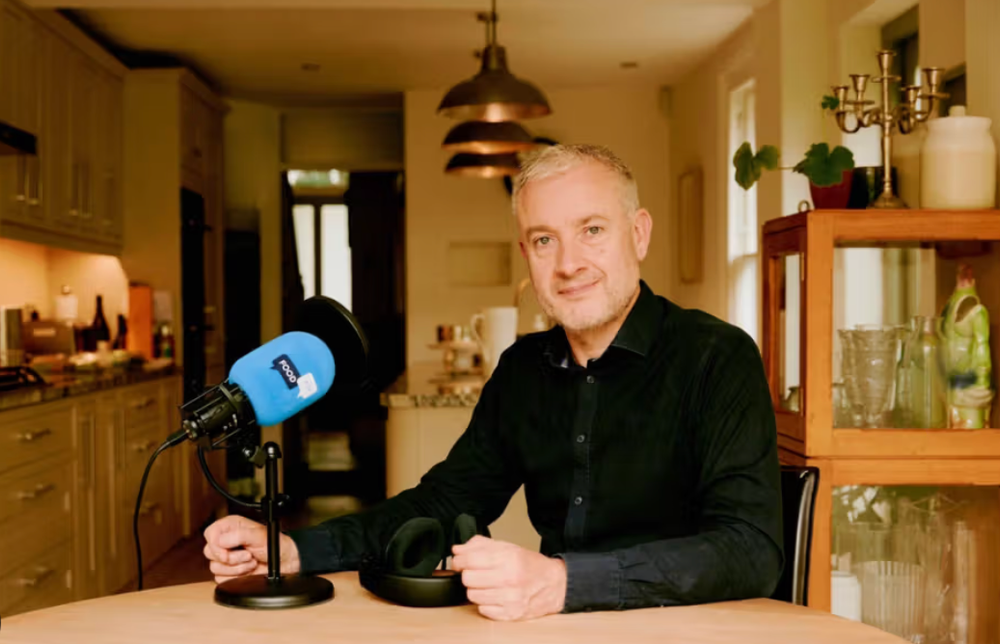
David Kermode believes the art of a good podcast comes down to storytelling and the quality of your guests
We can cover so many different topics related to the drinks world and I love that sense of diversity. A memorable episode was Faouzi Issa, at Lebanon’s Domaine des Tourelles, talking about making wine in a war zone; Nina Basset spoke very movingly about losing her much-loved husband Gérard Basset; Lucie Pereyre de Nonancourt recounted the story of her French Resistance hero grandfather, Bernard de Nonancourt, who propelled Laurent Perrier into the top flight.
I have been fortunate to interview some of the greats in the burgeoning English wine scene, Dermot Sugrue, Stephen Duckett, Cherie Spriggs and (in a separate interview) her boss Eric Heerema and Tommy Grimshaw.
Likewise, some celebrated Champagne figures have shared their incredible knowledge, the likes of Séverine Frerson, Dominique Demarville, Yann Munier and Michel Drappier, to name but a few; and, though I know more about wine than spirits, I have learnt so much from master blenders such as Sandy Hyslop, Dr Rachel Barrie or Michael Henry. I could go on.
What advice would you give to someone looking to start their own podcast?
Don’t do it without some serious thought. It’s a fantastic medium, courtesy of the sense of intimacy between host and listener, but, as I have said, it’s a lot of work, so it’s definitely something to think carefully about.
If you’re a Luddite like me, having good technical support is also key.
Which podcasts do you listen to and admire and why (both in drinks and outside)?
In the drinks world, Peter and Susie are the power podcasters with their Wine Blast. For obvious reasons, they have a great dynamic to their conversation.
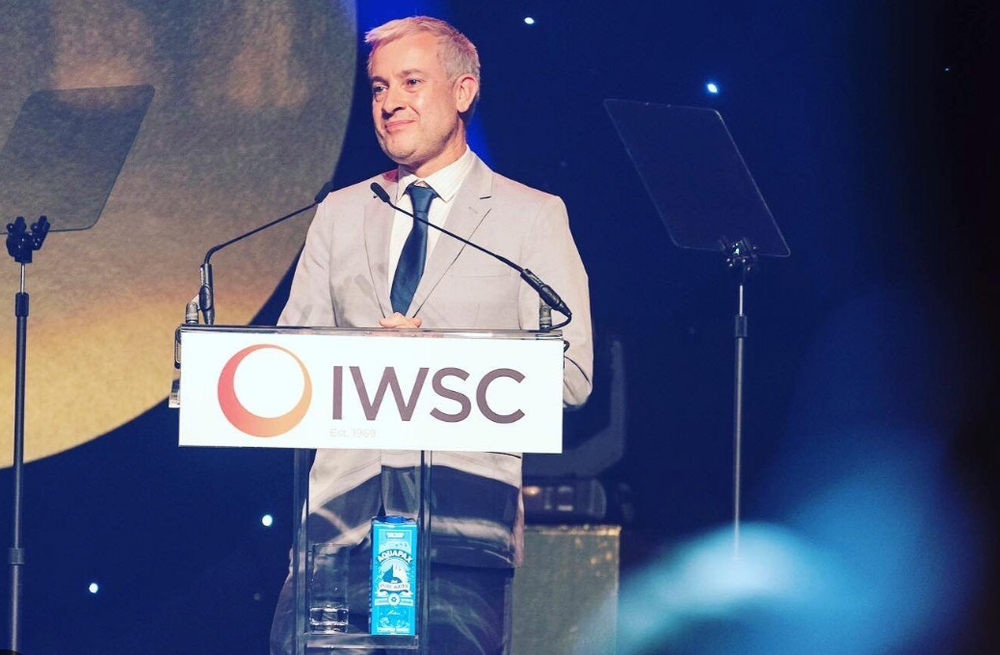
David Kermode is an ambassador for the IWSC and a regular presenter of its awards ceremonies
I’ve also enjoyed the early conversations between Andy Neather and Victoria Moore on Get Yourself a Glass, which is now four episodes in.
Beyond drinks, The Rest is Politics and The News Agents are doing wonders for the art of podcasting.
If someone is keen to be featured on the show how do they go about it? What are you looking for?
A good story is a great starting point, but I’m also keen to develop our exploration of particular regions, as we have enjoyed some early success with that format.
I’m relatively easy to track down, though we get a lot of pitches already, most of which I’m afraid don’t make it to air. If the focus is on a single producer then it probably needs to be a sponsored edition, as that’s what helps pay the bills.
Talking of which - what is the financial model for the podcast?
We are fortunate to have a headline sponsor, the IWSC/Club Oenologique, which helps keep the show on the road. Otherwise, it’s very much the modern media model of sponsored and partner content, though we do strive to keep episodes open to editorial ideas too (ie non sponsored) as that’s crucial to the mix I mentioned above.
* You can listen to the latest episode of The Drinking Hour on Food FM, in partnership with The Buyer and Club Oenolgique, and catch up on all the other 249 episodes here.