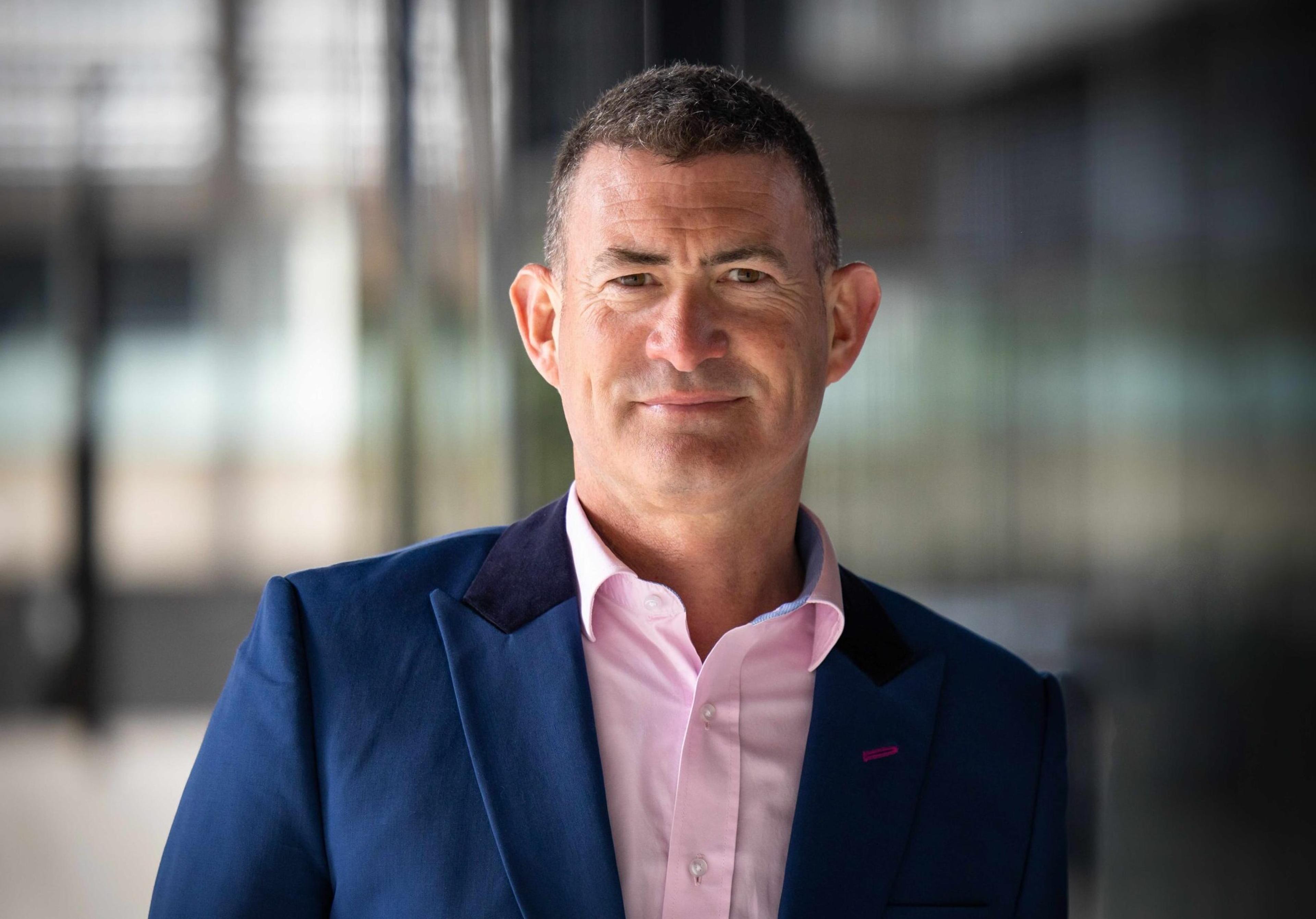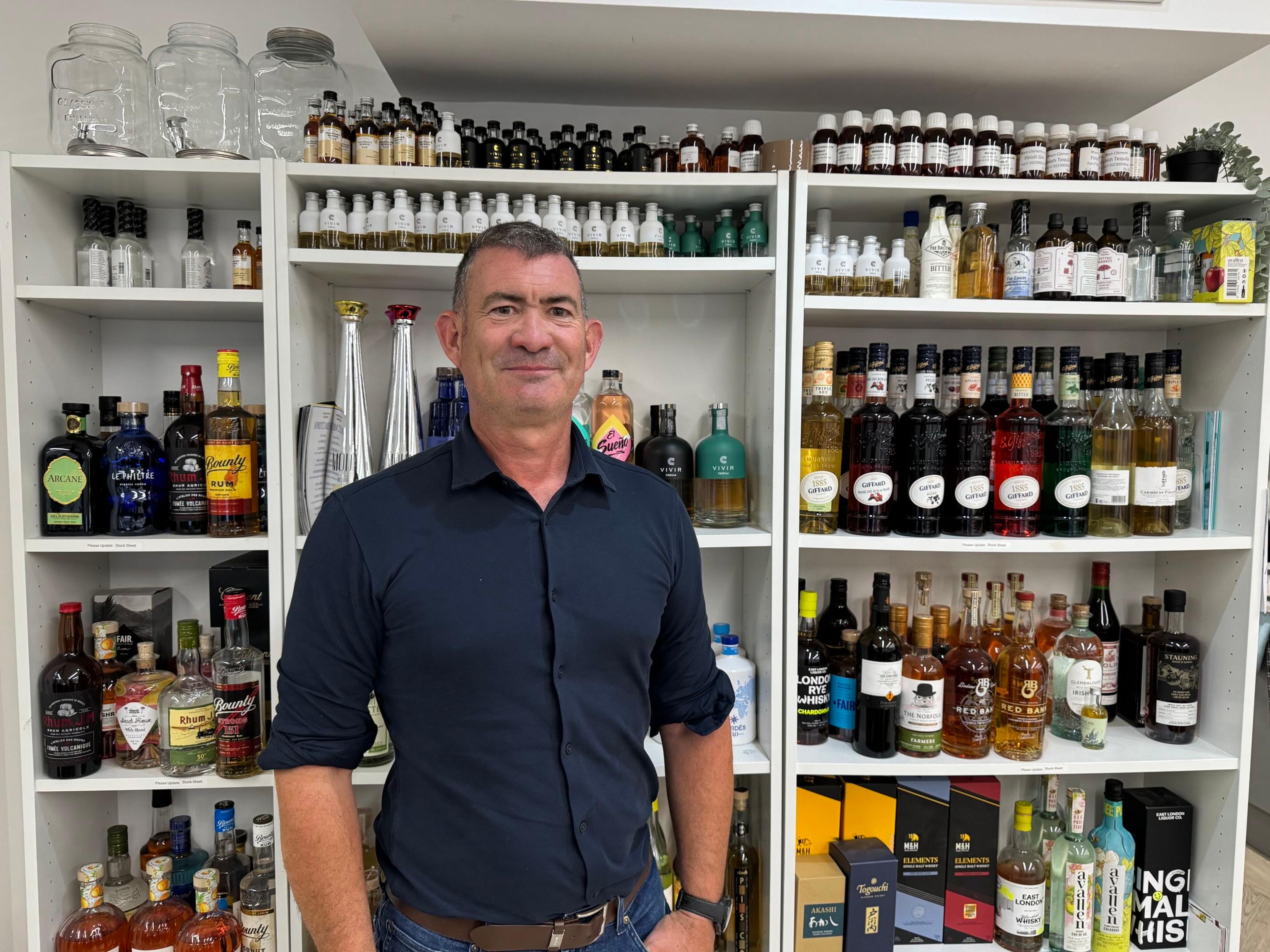

It is when Nick Gillett talks about brands and bringing new, or old, traditional drinks to the market that he really comes into its own.
He shares, for example, his excitement of bringing the classic Italian amaro brand Fernet-Branca that is “steeped in history and tradition” into the Mangrove range this summer. Or how much he is enjoying working with Annabel Thomas and her breakthrough fully organic Nc’nean whisky brand.
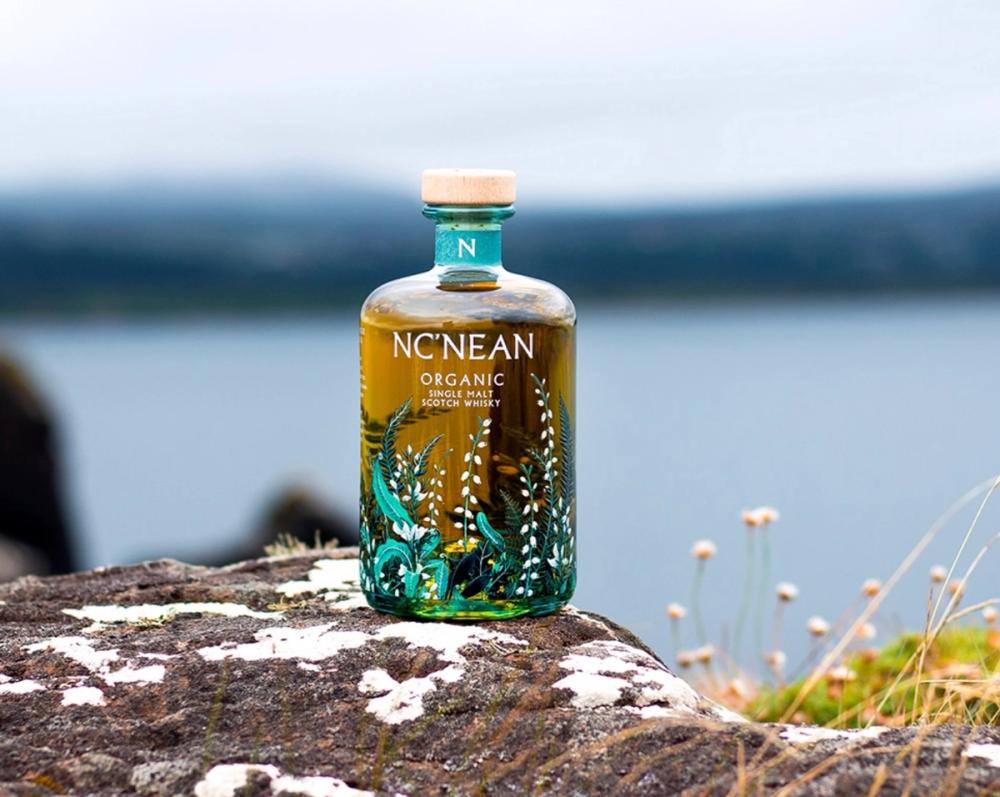
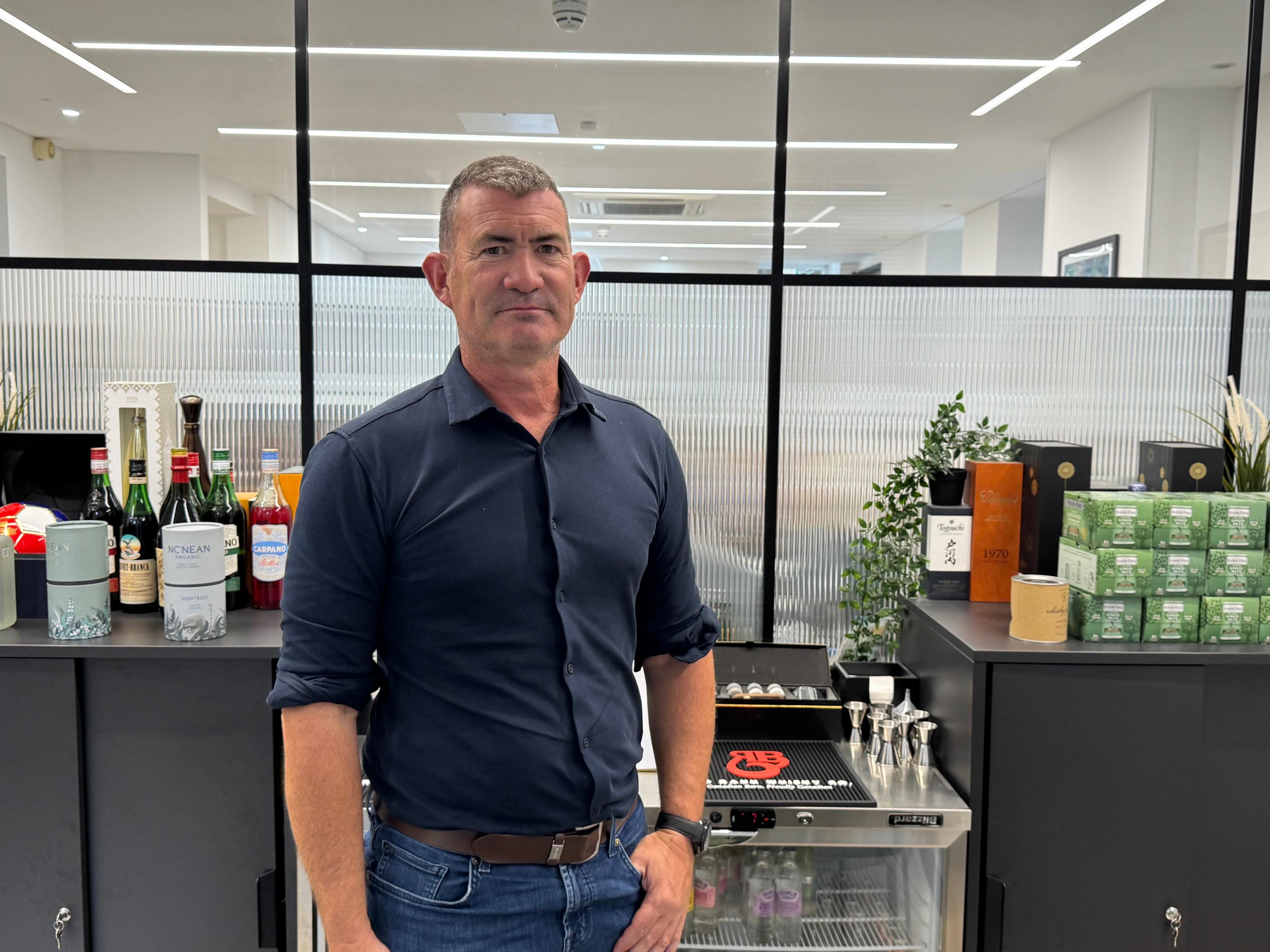
Nick Gillett is excited to be not only working with great brands such as Scotland’s organic whisky Nc’Nean but inspiring founders like Annabel Thomas
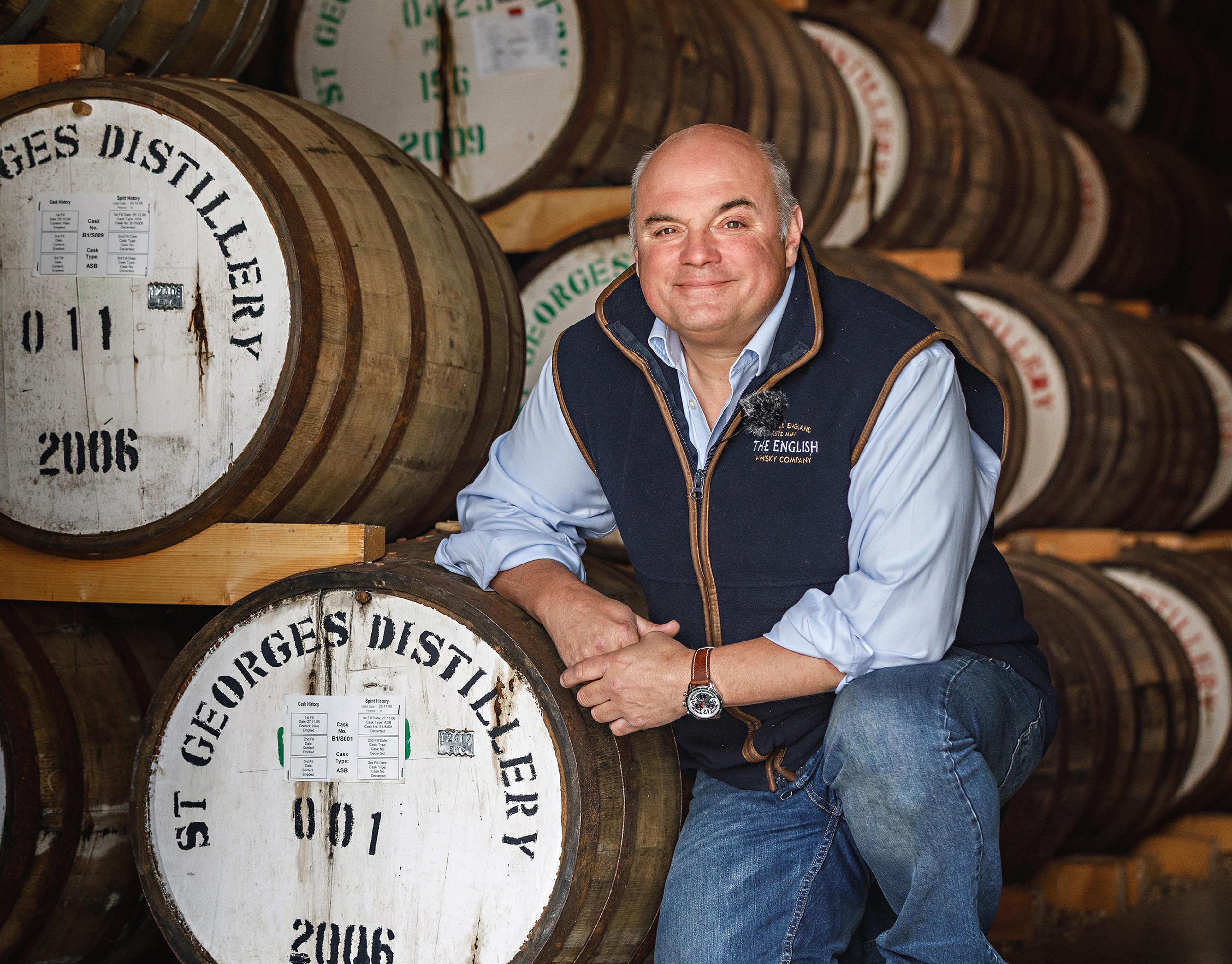
Similarly Andrew and Katy Nelstrop and the team behind the English Distillery who are both hugely passionate about the drinks they make but also the ethics and the standards they live by to make them.
Then there is the fifth-generation, family-run Arette tequila brand, that he believes is ideally placed to take its share of the still fast growing tequila and agave category in the UK.
Mangrove, he says, is also busy building up a premium no and low alcohol range and is really pleased to have been able to bring Botivo into its stable which he believes can help drive an emerging non alcohol category for sipping non-alcoholic botanical aperitifs.
Just a selection of brands, that Gillett says, encapsulate what Mangrove is all about and the chance to bring not just exciting brands to the market, but also celebrate the people, the founders and the creators behind those brands.
“They are all incredible and meeting them and their teams is always fascinating. We are lucky because we get to pick and choose the brands we represent,” he says. “If I had all the majority of brand owners at a dinner party it is always going to be an entertaining evening because they are all great passionate people.”
Managing expectations
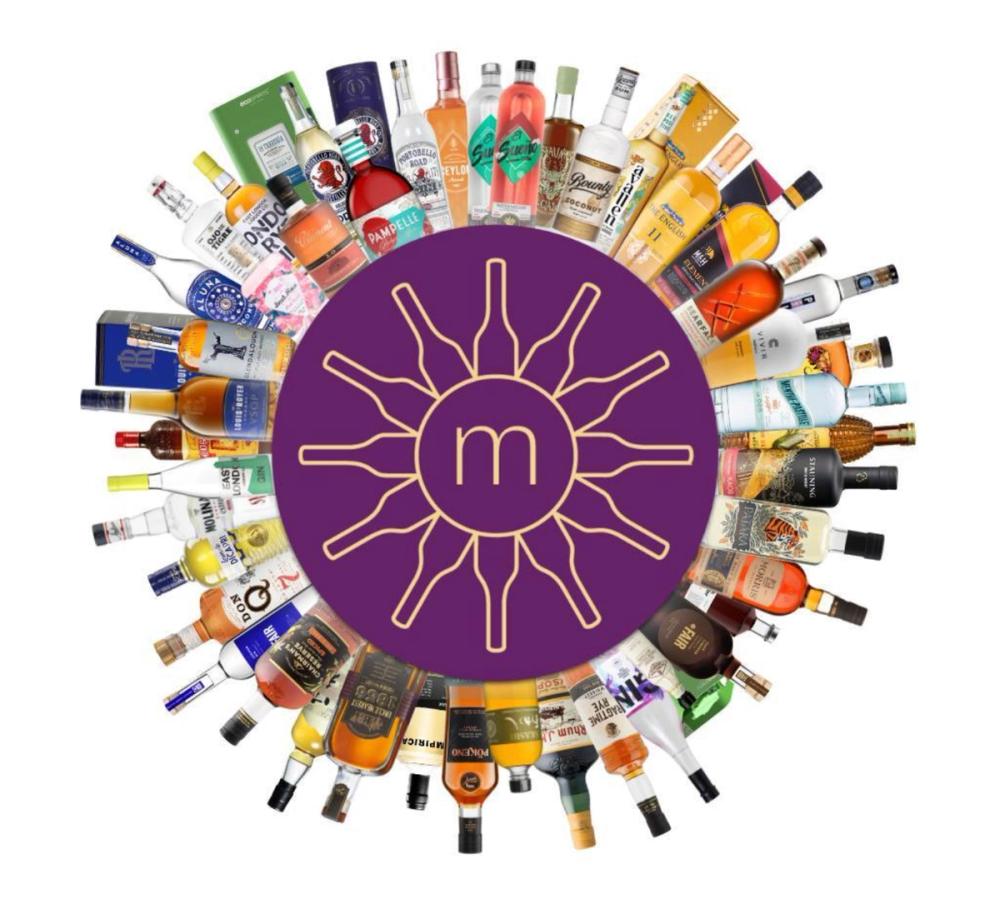
Mangrove has to plan closely which brands it is going to work with
It means at times it also loses brands to other distributors and whilst he respects the decisions those companies make “there are very few brands that have left us and found the grass greener elsewhere”.
Then there are those brands in its portfolio that it knows will end being picked up by one of the “global giants” as they scale up in the market. So it is constantly planning for potential departures and it “runs a risk list” to mitigate against that.
Particularly after Brown Forman decided to set up its own distribution arm in the UK in 2020 and gave Mangrove a year’s notice it was taking its tequila portfolio and Old Forester bourbon brand away from it - which at the time was around 30% of its turnover.
He says although the split from Brown Forman in 2020 was hard at the time he can look back with immense pride on what it was able to achieve with its brands. Taking it from 450 cases to “tens of thousands” between 2012 and 2020 and it has become “the benchmark” which has helped Mangrove win a lot of other business.
Gillett is also experienced enough to know that the UK is currently a hard market for brands to find the right distributor for their needs.
“You need people who can pay your bills. That’s the number one thing. Maybe you need people who can help you scale, or you need to be regionally focused, so there are different fits for different needs,” he says.
Either way it is up to Mangrove to ensure it agrees the right business plan for each brand and that both sides know what is expected and there are no “unrealistic expectations”.
“Brand building is bloody difficult,” he stresses.
It’s why Gillett and his team will spend a lot of time talking to and managing a brand’s ambitions as often they will have people in their team who may have worked for one of the major drinks groups and are used to shifting 50,000 to 100,000 cases, or spending multiple million pound marketing budgets.
“They have forgotten how to move from nought to 1,000 cases or nought to 10,000 cases,” claims Gillett. “It’s about having those honest conversations early on. We have mutually recently chosen not to work with a brand because we couldn’t understand their logic for their aspirations and their numbers.”
That said it is still lean and flexible enough thanks to its ownership model, where it does not have external shareholders, to be able to “take on projects that we think are interesting that are worth a go without worrying too much about the long term”.
“So there is always room for that piece of innovation,” he stresses.
Marketing and innovation
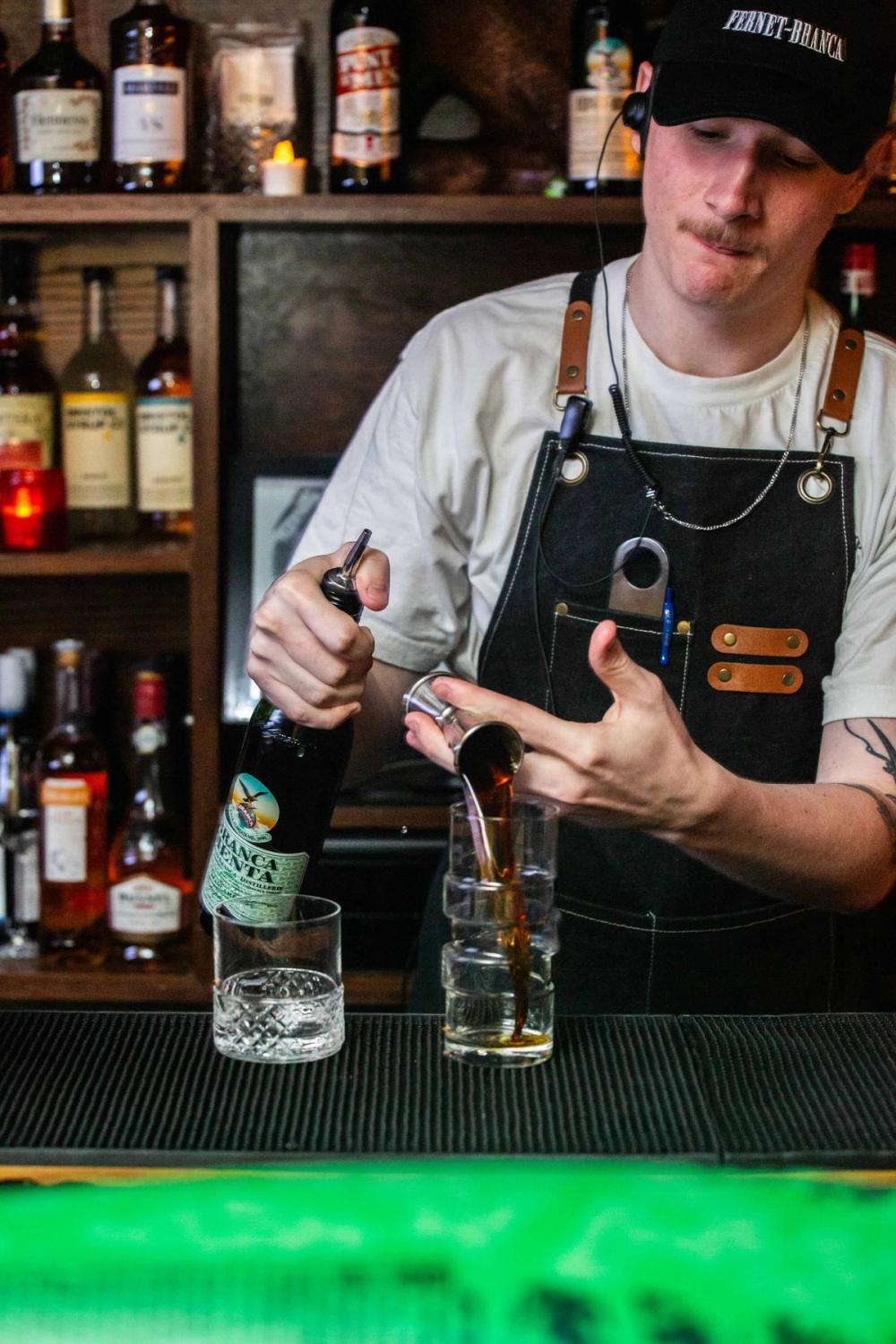
Bringing Fernet-Branca into the Mangrove range has allowed it to connect with a new generation of bartenders with the infamous drink for the ‘bartender’s handshake’
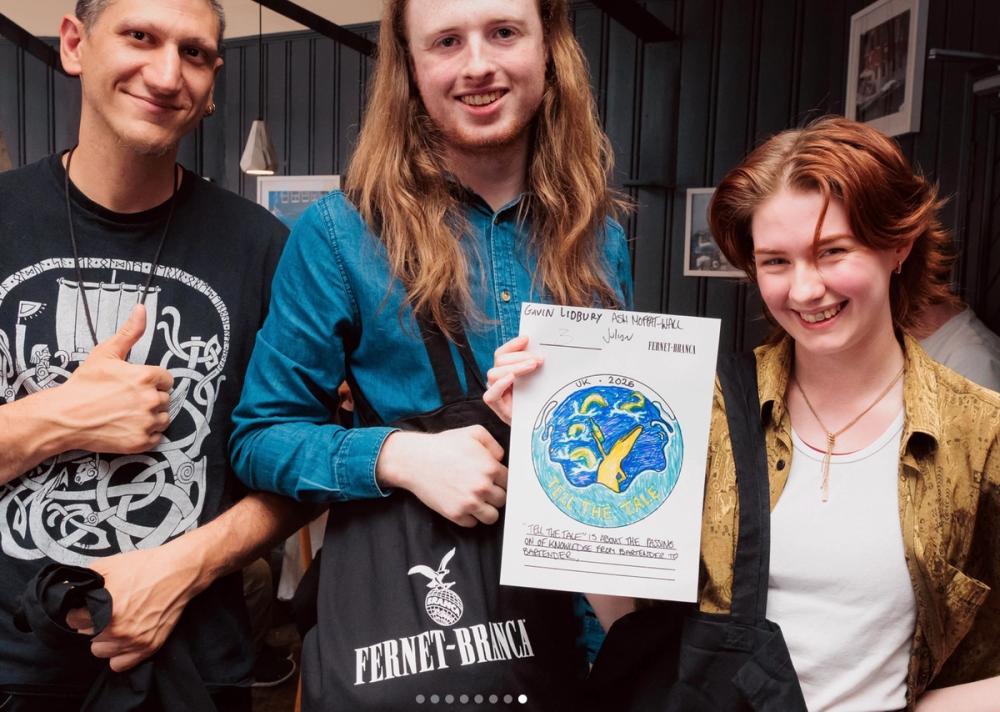
Then there is the issue of marketing support and promotional spend. Whilst there are certain parts of the trade that Gillett says are “wedded to cheques for no reason” and if you want to gain market share in a short time then you will need to back that ambition with marketing support, it is not possible, unless you are backed by one of the major drinks players, to do that on a long term basis.
It’s why Mangrove, he says, prides itself on being able to come up with innovative and different activations that are all about the execution and not just the money being spent behind it.
“You need to do something different because if you just repeat what Diageo or Bacardi do you will always fail as they have bigger pockets, more experience to do things bigger and better. But they can’t always be more interesting. That’s the aim. Something that is really interesting for consumers or bartenders,” he explains.
Which is why it invests a lot in taking bartenders and buyers out to visit its brands in the countries where they are made and get the chance to eat the local food and truly understand where the product comes from and how it is produced.
“We want you to have a real experience,” says Gillett. “That is the unique part of the product and if you understand the production and the craft behind it you suddenly have this appreciation for it. You get it. That is something that the wine industry does very well.”
It does also, he quickly adds, pay its share of listing fees and “we are as commercial as we can bewith the venues that can deliver for us”.
The wholesaler relationship
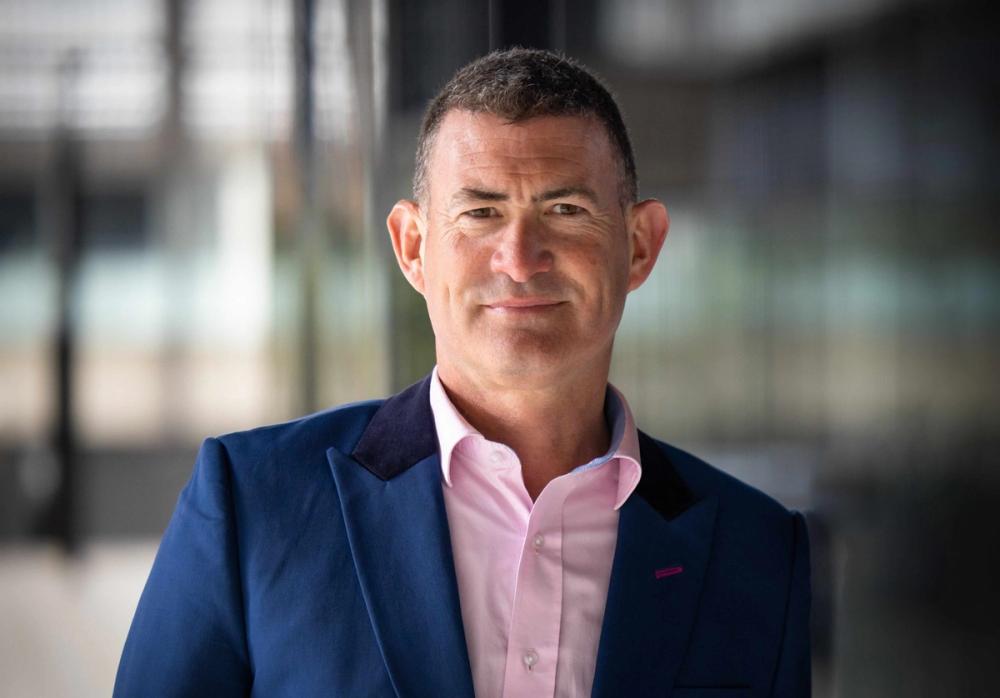
Nick Gillett says Mangrove firmly believes in a strong, healthy wholesaler network to help it get its brands to the right venues and customers
Getting its brand portfolio right, though, is only half of the equation. Particularly when working in on-trade, for whilst it is able to supply the major multiple retailers direct into their regional distribution centres, when it comes to getting into the right on-trade venues it relies 100% on the network of local and national wholesalers and distributors that Mangrove is supplying into.
To get those relationships right Gillett believes in offering all its products to the wholesale market at the same price. That means the smallest distributors can compete with and have the same opportunities as the big national players. The focus then is not on margin, but on the quality of service, he says.
“If you do tiered pricing you strip all the margin out of the supply chain and everyone needs to make money,” he explains.
Where Mangrove adds value is “creating demand with their customers” through its respective sales teams and helping the wholesaler as much as it can in working with their sales teams andtheir end customers.
“We want wholesalers to focus on having the right product range and the right service to their customers and we want them to make money,” he stresses. “That I believe is the best for the health of the industry,” he adds, particularly considering the “brutal” margins that most wholesalers are working with.
“Sooner or later one or two will go out of business. We want a healthy wholesaler network and turn down a lot of requests to go direct.”
He adds: “Once we are in with a wholesaler we try to maximise our brand penetration amongst their customer base. That’s how we become important to the wholesaler. A lot of work goes into that and our sales team can become an extension of theirs.”
“We have now go to the stage where there is a really good set of buyers [across wholesaling] who are becoming far more knowledgeable about the category,” says Gillett, where the focus is on building those categories rather than a short term focus on driving down price.
“We have got buyers at the moment engaging with us who are saying ‘how do we drive business, what can we do, how can we work together?’ That’s refreshing.”

Mangrove’s ambition is to work as collaboratively as it can with leading national and regional wholesalers like Venus
He picks out, for example, the teams at Venus and LWC Drinks as being particularly on the front foot. “They are winning market share and accounts.”
Gillett adds: “If you look at operators at scale, they are looking to work collaboratively. The truly national players. They are very important to us, but I think they are beginning to see the value in working with us, providing alternatives and the fact we have an active sales force out there.”
He also says as a business Mangrove is “route to market neutral” and “does not care who sends our product in” and is just wants to work with companies that can recognise and see the value that it can offer.
After all Mangrove can “make them money” out of the range of premium products it has to sell.
“I am a passionate believer in wholesale, and whilst that traditional wholesaler model has its vulnerabilities, I think they provide an excellent service,” he says.
Investing in future trends
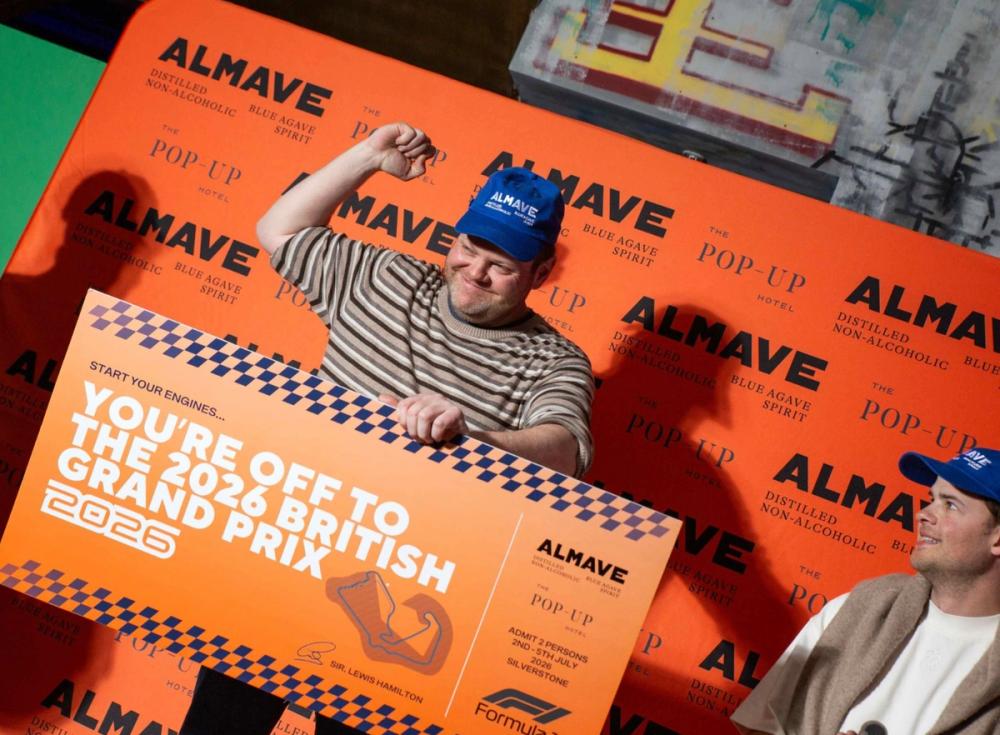
Mangrove prides itself on working with brands in the most cutting edge and emerging drinks categories - like Almave a premium non-alcoholic blue agave spirit co-created by Lewis Hamilton and Mexican master distiller Dr. Iván Saldaña
He also believes Mangrove is well placed to capitalise and benefit on what he sees as a period of “consolidation and acquisition” in the spirits world where “there are a lot of brands moving” and Mangrove could be seen as a good home to go to.
It’s also why Mangrove has built up such an extensive portfolio that, in particular, specialises in niche products and the smallest of categories. It means that if the back bar is “closed off” due to a deal that venue has with a particular major player, Mangrove can still talk to them and find a place for some of its products in the more emerging categories - like arak.
It’s why Mangrove is investing so much in finding the most innovative and breakthrough products in no and low alcohol. As that is where there are still many gaps on the average drinks menu to fill.
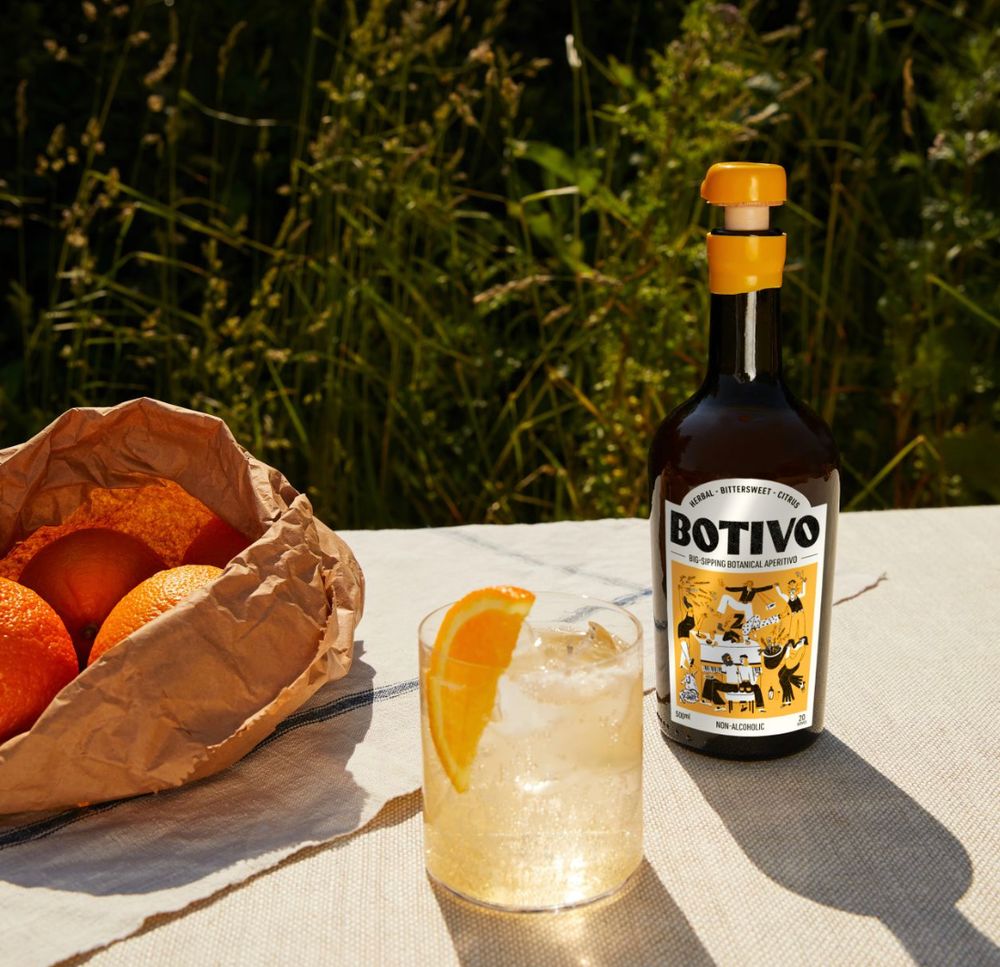
Nick Gillett is excited to be working with Botivo
“We are, for example, one of the only companies that can make a non-alcoholic margarita,” claims Gillett pointing to its zero alcohol triple sec and almave “which makes an absolute cracking drink together”.
“We might not sell a huge number but that might be our way in,” he says.
“It is still a very crowded category but it is sorting itself out and the brands that have a clear identity of taste rather than non alc gins or vodkas are emerging as the winners - like almave and Botivo.”
He adds: “We have also got products that are difficult to replicate - like Fairtrade spirits. We also do Eco Spirits which is removing single use glass and we have these products that have a real positive environmental impact. So if you are a venue that wants to do that and believes that is the right thing to do, we have to be on that shortlist as there are not many out there.”
It’s why it has invested this year in taking on more wholesale and stock space so that it could stock up in key product areas - like the huge surge in interest in Hugo Spriz and insatiable demand for elderflower liqueurs.
“We have pretty much been able to guarantee continuity of supply - if we had got it wrong it would cost us a lot of money in storage,” he says.
It is also looking at how it can capitalise and help its wholesaler partners make the most out of the new demand and increase in sales for RTD products and how it can add more to its range and make them “commercially viable” for all. The challenge is picking out the RTD brands that are “going to stick”.
Occasion drinking
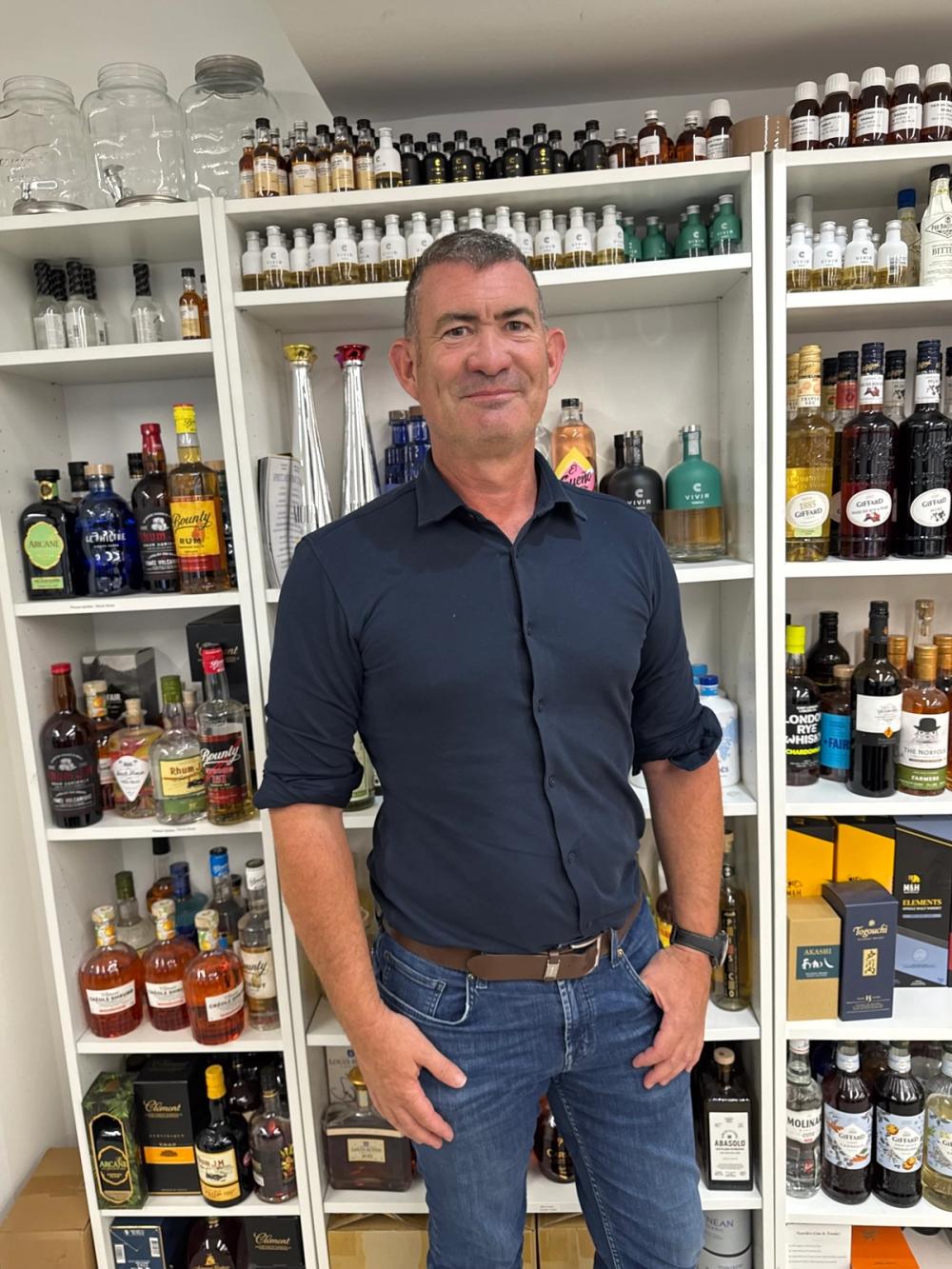
Nick Gillett is excited about where Mangrove now is and where it can grow and develop in the future
What Gillett calls the “visual occasion” drinking trend is also on the up and he can see the industry leaning more into the “aperitif and cafe culture” and anything to do with lighter, fresher, lower ABV spritzes.
“All things agave, tequila and mezcal are also flying as people discover quality within the category and it is surprisingly good,” he says. “They still have that edginess about them.”
The cocktail culture is still alive and kicking with “margaritas, palomas and all things spicy doing really well,” he adds.
Then in the more traditional categories there is added interest in more niche products like Indian whisky and fernet which a new generation of bartenders are getting behind and “reawakening”.
The desire for more healthy, better for you type products is also giving sake “a moment in the sun again” with a lot of sake based cocktails in the market.
It’s also why Gillett is still keen to visit and take part in as many of the global spirits and bar shows there are around the world in order to see and experience what is happening in other major markets and cities around the world. Which also helps now being part of an international group.
“It’s really interesting and useful to network and swap notes and you get those conversations at those shows,” he says and it also makes you appreciate that the difficulties we might be facing in the UK are replicated in so many other parts of the world and “that we are not alone in this”.
Next steps
It also goes some way to explaining why Gillett was so keen to stay on in his role following Mangrove’s acquisition in 2023 by the GBH Group and play his part in helping steer the company through all the potential opportunities that might come up.
Three years on it has been able to reach and live up to the expectations of the group and is now in a position to plot the next five years, he adds.
Whatever happens in those five years we can be assured that Nick Gillett and Mangrove will not only be leading from the front, but they will be championing and standing up for the drinks industry they so passionately want to serve.
* In part one of our in-depth interview Nick Gillett explains his objectives and strategy for Mangrove and how now being part of a bigger group gives it the foundations to build sustained growth. He also shares his views on the key issues facing the drinks industry and why he thinks it is important for business leaders like himself to speak out.
* You can find out more about Mangrove at its website here.