What's your background and how did you get into the drinks industry?
I was born and raised in Taipei, Taiwan, when society was still quite traditional and conservative. The common belief was that ‘good girls’ should not drink alcohol, so I had never drunk before the age of 25.
Before wine, my dream job was always in tourism. I spent a couple of fun years working as a tour leader and hotel rep in Indonesia. As much as I enjoyed working in exotic places, the money wasn’t great, so I decided to invest in myself by studying in the UK for an MSc in tourism marketing.
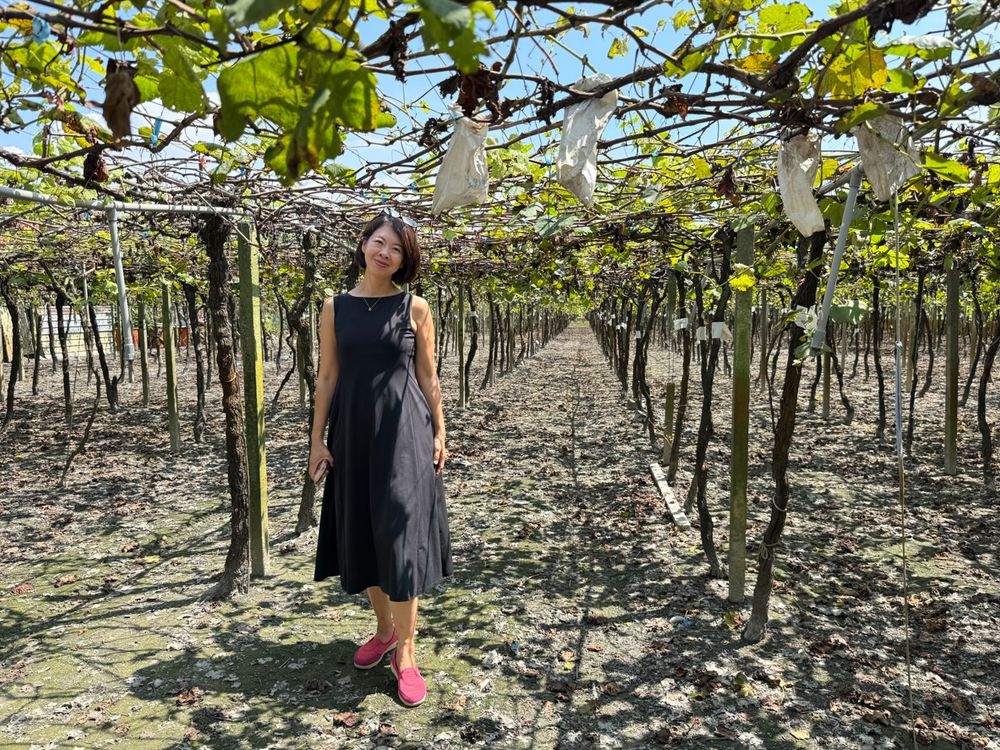
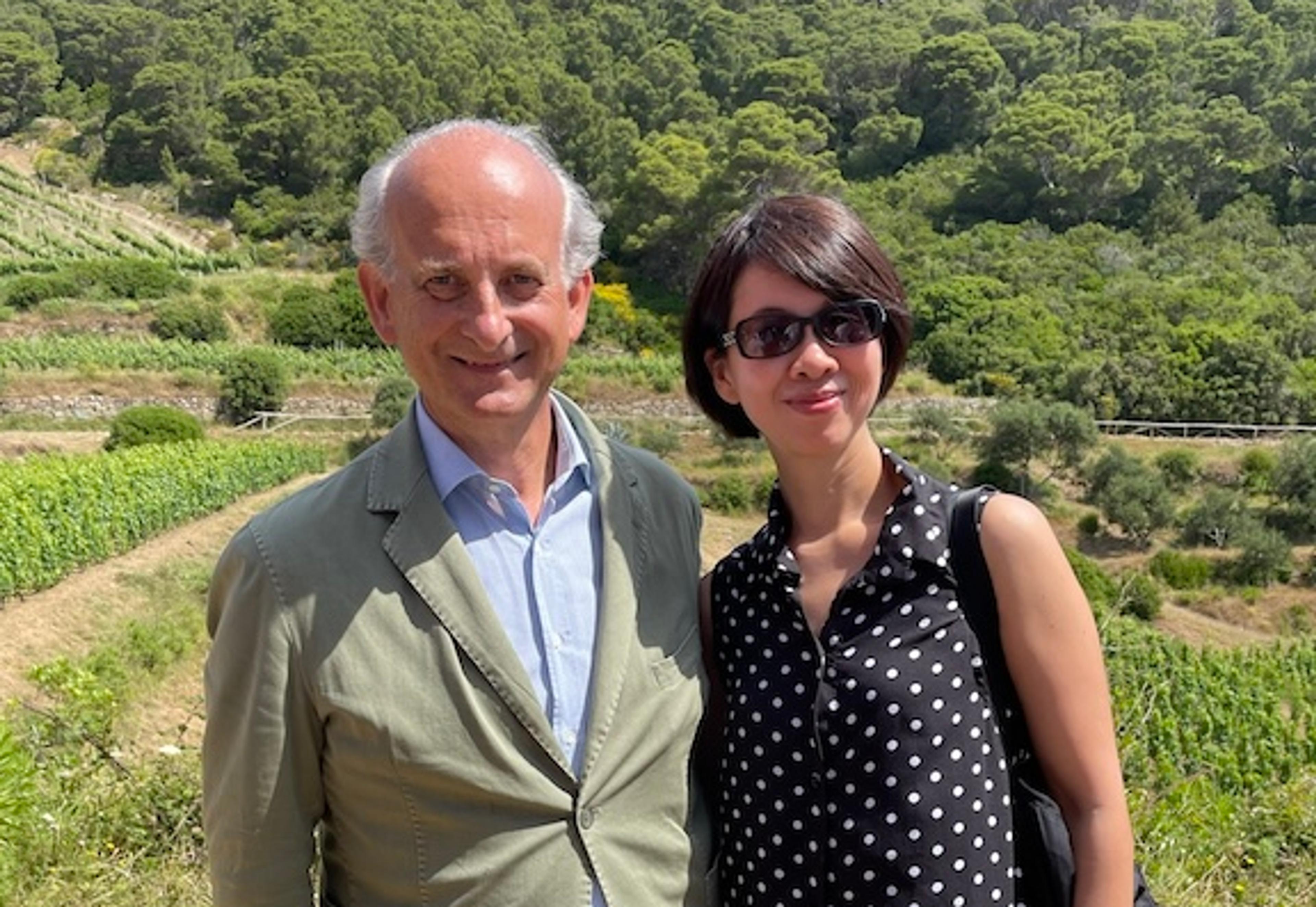
Leona De Pasquale is still a big supporter of Taiwanese wine and is working to help bring wine from Taiwan's Weightstone Wine Estate into the UK
After a year in the UK, I returned to Taiwan and worked in PR at a hotel and at Ogilvy PR for lifestyle clients. I was then headhunted by Sopexa Taiwan, the French food and wine promotion agency, which was still semi-governmental at the time. That’s how I got into wine; or perhaps wine found me.
After three wonderful years at Sopexa, life took an unexpected turn. I moved to the UK permanently, began studying wine, started a family and pursued a career in the UK wine industry. And the rest is history.
Why did you want to work in wine specifically, and what were the big career breaks for you?
At Sopexa Taiwan, I was like a blank canvas since I didn’t drink wine and had no wine knowledge. What I had were PR skills and a passion for French food and culture. But wine does not exist in isolation. Working on many food and wine projects in Taiwan opened my eyes to its complexity. I learnt a lot through work, but my real wine-focused career began when I relocated to the UK.
I completed WSET Levels 2 and 3 as soon as I arrived in 2006. I spent a few years in a market research company - not wine-related - to settle into life in the UK, while continuing freelance wine writing for Taiwanese publishers.
A few years later, I stepped into the UK wine industry, starting at Vinopolis, where I discovered my passion for wine education. I then worked at Bibendum, Walker & Wodehouse, and Berkmann to gain experience across different parts of the trade, aiming to become a well-rounded educator.
My first major career break came when I joined WineEd, Jascots Wine Merchants’ separate education company, to run its on-trade wine education programme and teach WSET. I spent three great years there as wine training manager before the pandemic forced the company to close.
Another turning point was completing my WSET Diploma in 2016, which opened doors to teaching WSET Level 3 and translating all three levels of WSET materials into Chinese. Most importantly, it boosted my confidence tremendously.
You have a very varied career but have focused on wine education and training - why did that appeal to you most?
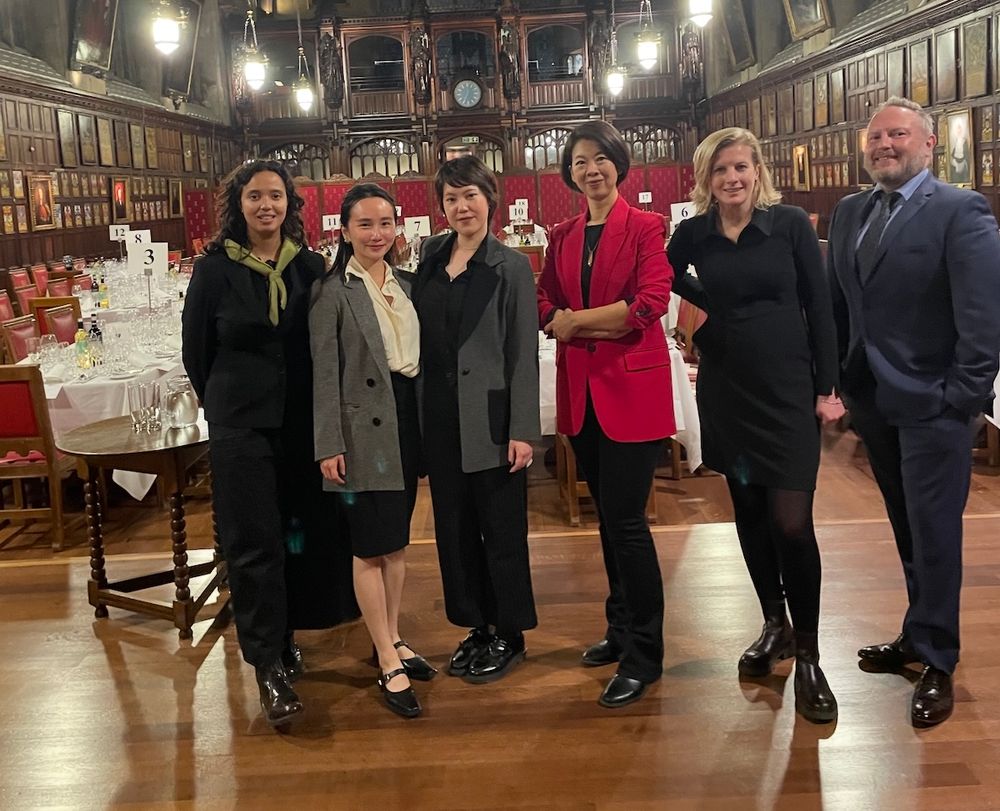
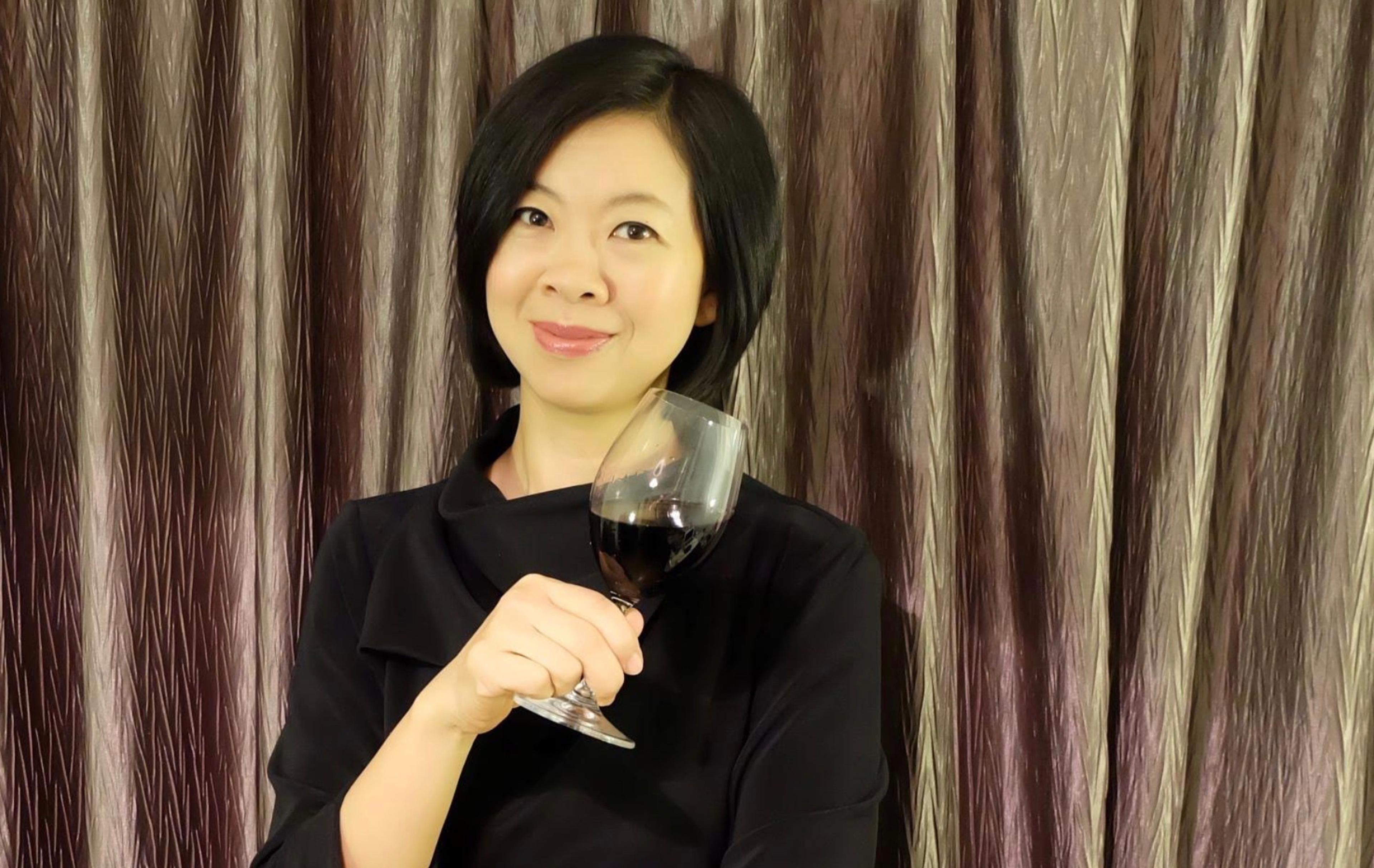
Leona De Pasquala runs wine and tea education events through her consultancy business Camellia and Vine
I love stories, which is probably not surprising given my PR background. But it was through my job as a wine event host at Vinopolis (now closed) that I discovered my true calling in wine education. I love seeing guests taste a new wine I’ve recommended and watching their faces light up when something clicks, or when they suddenly understand why a wine tastes the way it does.
More importantly, mentorship has become central to my work. I have taught thousands of people across WSET, corporate events, and hospitality training.
London is such a diverse city, with people from many backgrounds, and in my classes I use language, analogies, and teaching methods that resonate with culturally diverse learners.
Many students, especially from Asia, contact me afterwards to say how encouraged they feel seeing someone like me in the UK wine trade. That feedback is incredibly rewarding and is exactly why wine education and training appeals to me, as it combines my love of storytelling, teaching, and making a tangible difference in people’s careers.
What do you enjoy most about education and training?
The connection with people. Every time a former student tells me they have built a career in wine or that my teaching helped them pass an exam, it reminds me why I do this. It’s not just about imparting knowledge, but about empowerment and opening doors for people who might not have seen themselves in the industry.
I also love that teaching keeps me learning. To teach well, you have to stay current with trends, taste widely, and constantly refine how you communicate complex concepts. It’s intellectually stimulating and creatively fulfilling. This is why I enrolled in the Masters of Wine study programme, but have since shifted to a more scientific MSc in Viticulture and Oenology at Plumpton.
You've now set up your own business—what services do you offer?
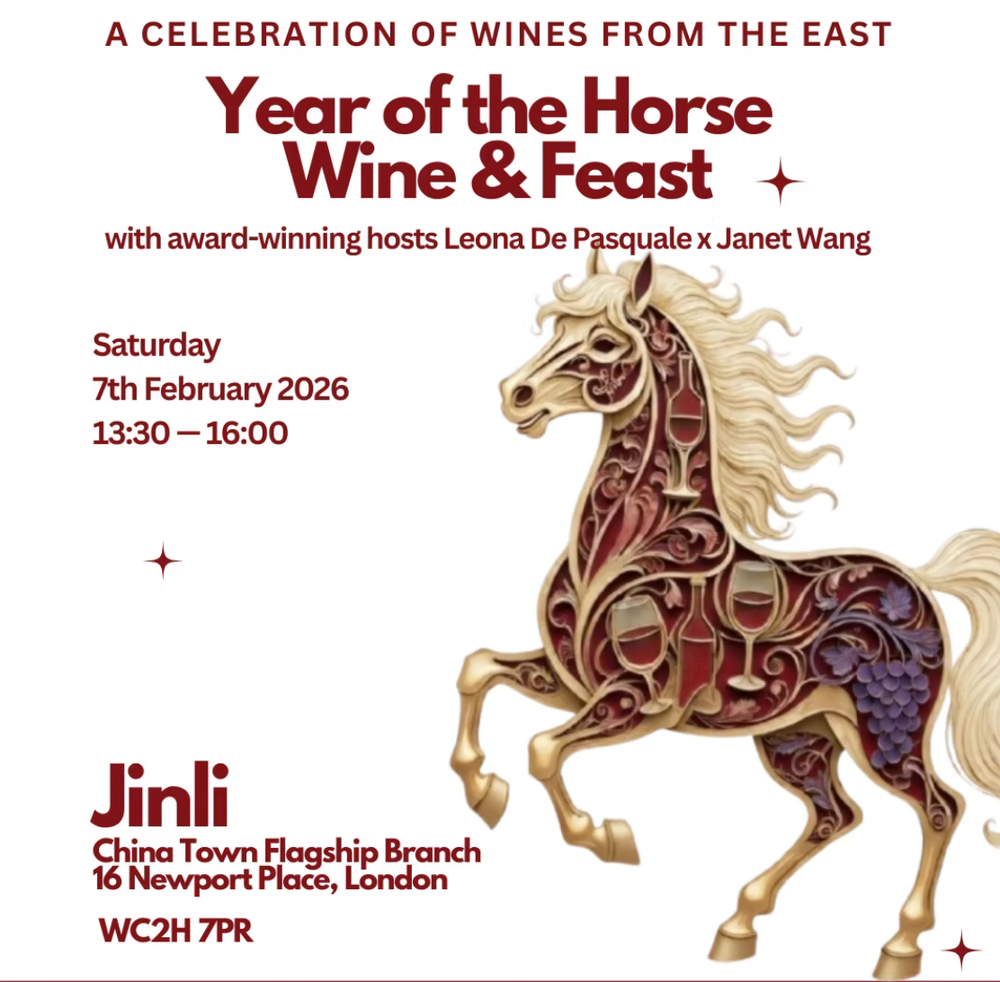
An example of the kind of events that Camellia and Vine host
In 2022, after WineEd closed during the pandemic, I founded Camellia and Vine, a London-based wine and tea training company.
My aim is to offer 360-degree “edutainment”. I believe education should be fun, especially when learning a fascinating topic like wine. We run corporate wine and tea events, always with a fun element, such as blind tastings, wine casinos, arts and crafts, or even tasting wine on the London Eye.
I work with clients including the Gold Service Scholarship, Champagne Bureau UK, and Bordeaux and Rioja Wines to deliver bespoke educational programmes and trade training. I also focus on hospitality training, having designed three Institute of Hospitality (IOH) endorsed courses: Wine Fundamentals, Tea Fundamentals, and Wine Service for Hospitality Professionals.
The name Camellia and Vine reflects my dual passion: wine and tea. I grew up drinking tea but never looked at it the way I look at wine. Yet both are terroir-driven, living products that evolve over time.
I am a qualified tea sommelier through the UK Tea Academy and have used the knowledge gained in my “tea course for wine people.” My aim is to apply the same tasting techniques that wine professionals already have and use them in tea tasting.
You had a remarkable year in 2025 with three awards. Can you explain what each award was for and why you think you were recognised?
Some friends ask if I was always like this at school, the kind of kid who won every award. The answer is no. I have never won a prize, scholarship, or lottery in my life, and I only did well in subjects that interested me. So this has been a very special year.
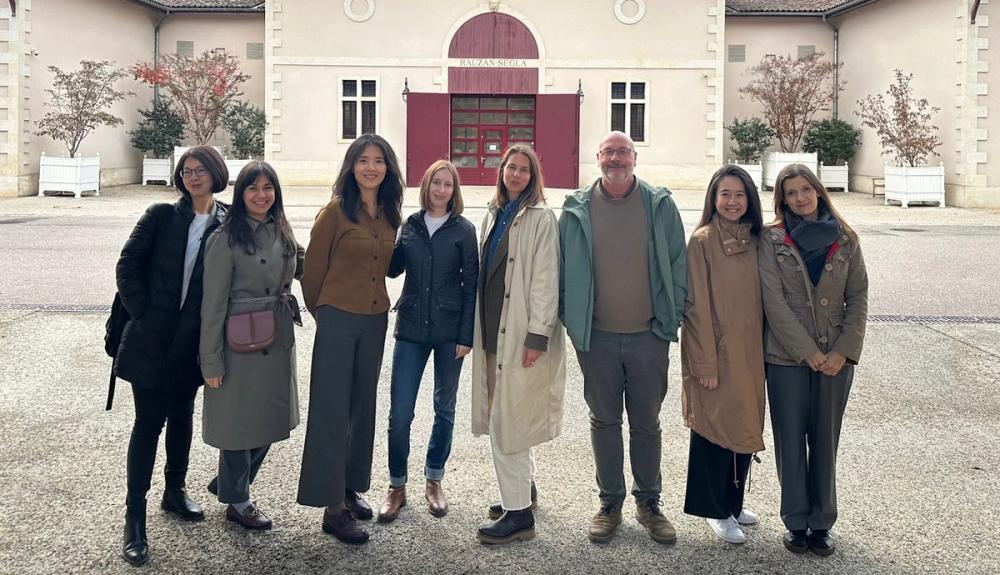
Leona De Pasquala with the other winners of the Curious Vines × Rauzan-Ségla Bordeaux Education Award
The Curious Vines × Rauzan-Ségla Bordeaux Education Award supports women in deepening Bordeaux knowledge. The prize included a two-day intensive visit to three Chanel Group estates - Château Berliquet, Canon, and Rauzan-Ségla - with tastings and round-table discussions. It was a unique, two-way learning experience and connected me with four inspiring women in the trade.
The Women of the Vine & Spirits scholarship recognises female leadership and gender equity in the wine and spirits sectors. It funded part of my Plumpton studies and expanded my global network.
Winning the first Decanter-sponsored Be Inclusive Hospitality Wine Professional of the Year award in October 2025 was emotionally significant. It celebrates diverse talent from black, Asian, and ethnic minority backgrounds in UK hospitality. I am still the only Taiwanese wine educator actively working in the UK, so this recognition meant a lot personally and symbolically.
Taken together, these awards recognise the three key parts of my work: education, mentorship, and promoting diversity. They reflect my commitment to sharing knowledge, shining a spotlight on lesser-known wine regions, supporting others in their careers, and championing inclusion in the wine industry. These are values that have shaped my career and continue to guide everything I do.
What does winning these accolades mean to you?
Beyond personal recognition, these awards remind me how far I have come and why I love what I do. They also highlight visibility for people from non-traditional backgrounds in wine, in the UK and internationally. They show that diverse perspectives are valued, not just tolerated. It might sound like a cliché, but I truly believe we are stronger together in the UK wine trade.
How do you hope to use the platform they’ve given you?
The Curious Vines × Rauzan-Ségla award allows me to bring Bordeaux insights into teaching and share lessons from innovative estates.
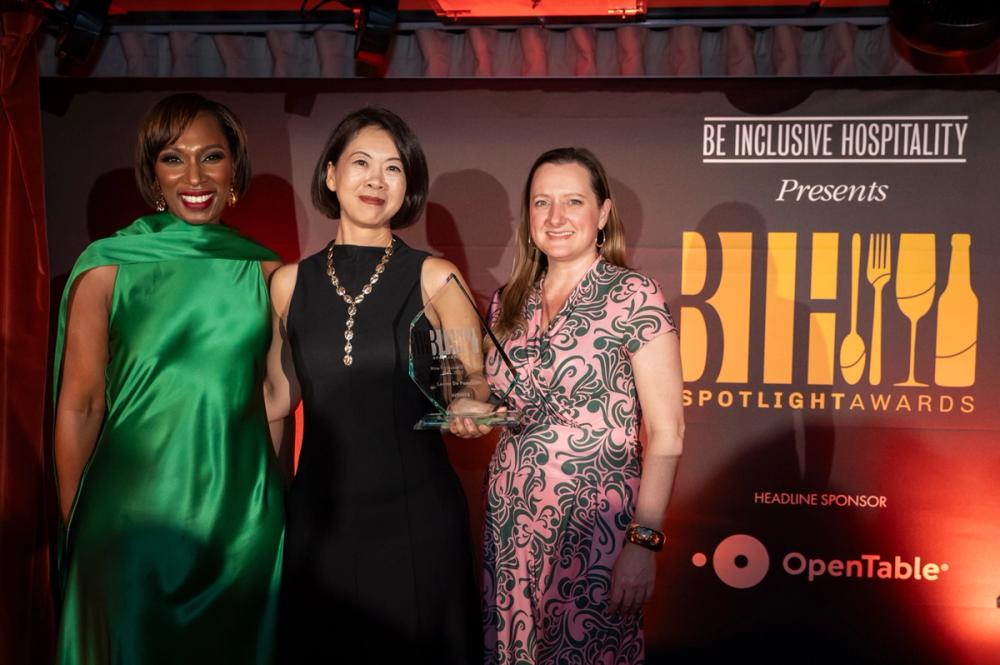
Leona De Pasquala with the BIH Wine Professional of the Year award in 2025
The BIH Wine Professional award lets me engage with the community and encourage more diverse talent into the industry.
The Women of the Vine & Spirits Scholarship has not only supported my Plumpton studies financially but also connected me with inspiring women globally, expanding my network and influence beyond the UK.
These are clearly big achievements, but what do you see as your biggest successes working in wine?
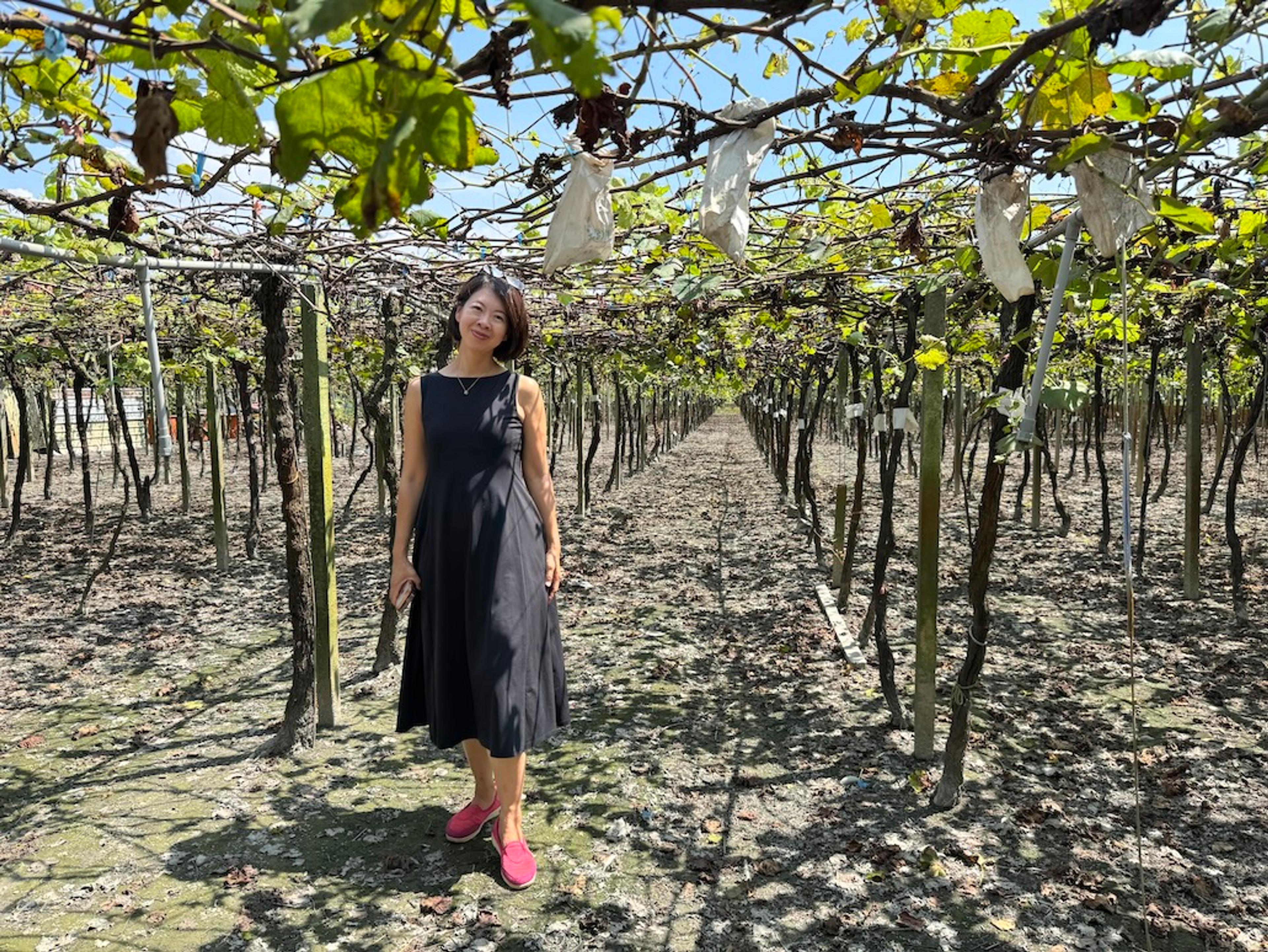
There have been many rewarding moments, but one of my proudest came in 2024 when I helped bring the first Taiwanese wine from Weightstone Wine Estate to the UK market via Diogenes the Dog. Seeing it on UK shelves, knowing the journey it had taken and my role in making it accessible, felt like a full-circle moment - combining my heritage, my expertise in wine education and trade, and my passion for sharing new stories in wine with a wider audience.
What have you found most difficult and challenging?
Coming to wine later in life, and from a non-wine-producing country, I felt I had to work twice as hard to catch up with those who had grown up around it.
Social media can create a sense of obligation to be constantly visible, even when you would prefer to keep a low profile and focus on your work.
Language and cultural barriers still arise occasionally.
But I have learnt to turn these challenges into strengths. My different perspective allows me to communicate wine concepts in ways that resonate with diverse audiences, and it has become one of my greatest assets.
What are your outstanding ambitions in the trade?
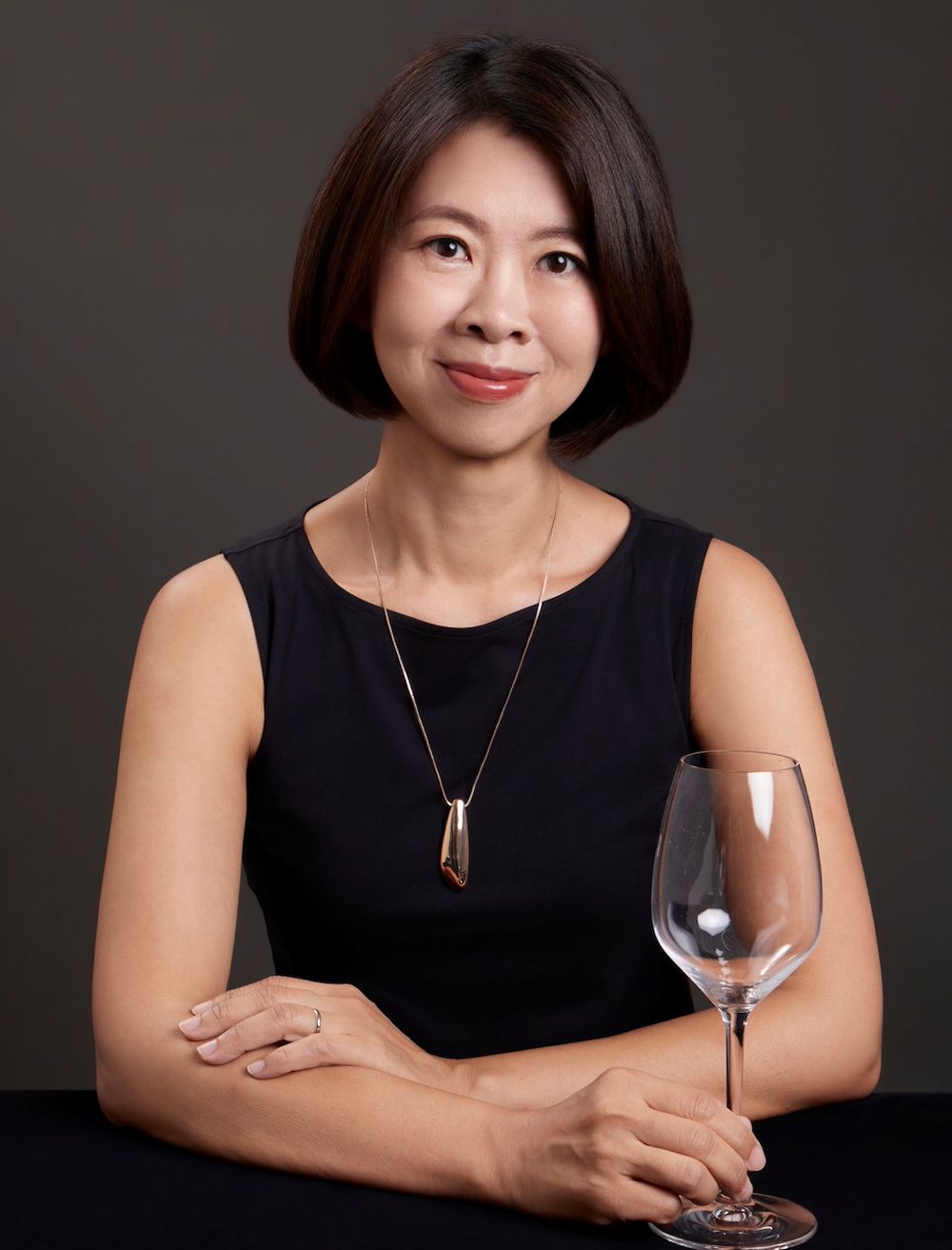
Leona De Pasquale has achieved a lot working both in the industry for major suppliers and now in her consultancy and educational roles
I am half way through my MSc at Plumpton College, researching the sustainability of tirage sugar use in Champagne and English sparkling wine. Completing this degree and producing a thesis that contributes meaningfully to the industry is a key ambition, even if it doesn’t change the world overnight.
With both Taiwan and the UK close to my heart, I also aim to promote greater visibility for Taiwanese wines internationally while helping English wines reach Asian markets. Over time, I hope to build stronger connections between these two regions and share the stories, quality, and culture of their wines with a wider audience.
What advice would you give anyone looking to follow the type of career you’ve had?
First, treat the wine industry as you would any other industry - just more fun! There are many positions that don’t require prior wine knowledge, such as IT, finance, logistics, or even customer service roles at wine importers - this was how I started when I was working at Bibendum.
Second, it’s never too late to work in the wine industry. As a wine educator and writer, you don’t really need a retirement age. You can do it for however long you want, as long as you continue enjoying it and keep up to date with the ever-changing wine world.
Third, seek out mentors and communities that support you. Organisations like Curious Vines, Be Inclusive Hospitality, and Women in Wine London create spaces where people from underrepresented backgrounds can find their tribe.
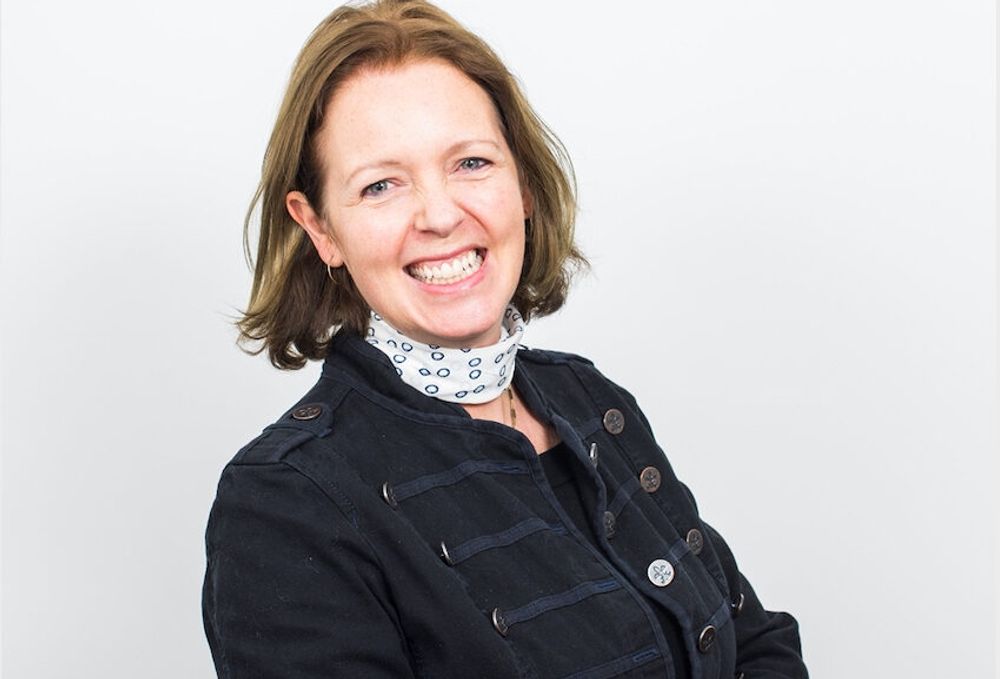
Nicky Forrest, managing director of Phipps PR, has been an important mentor for Leona De Pasquale
As for mentors, I still remember a few years ago at a trade event, after listening to an inspiring speech by Nicky Forrest (managing director of Phipps PR), I approached her, introduced myself, and asked if she would be my mentor.
We had several very meaningful conversations during the time I was about to set up Camellia and Vine. Finding a mentor does not have to be a formal process or take a set format. People in the wine industry are generally very open, and don’t forget we all have something in common—the passion for wine.
Fourth, invest in wine education. WSET qualifications opened so many doors for me. If you want to work in the wine industry, a WSET qualification is extremely useful, as it provides a structured framework and a common language for communicating with others. Education can be expensive, which is why many communities such as BIH and Women of the Vine & Spirits offer sponsorships for WSET courses.
Finally, self-promotion is not a bad thing, as I have been told repeatedly. The UK wine trade, particularly in wine communications, is highly competitive, so finding your own niche and making it known is the best way to survive and thrive.
Anything else you’d like to add?
The wine trade is not a place to make a fortune quickly, but it is deeply rewarding. It’s also important to maintain a healthy lifestyle, especially if you want a long career. With so much incredible wine and food around, it’s all too easy to over indulge without self-control.
* You can find out more about Camellia & Vine at its website here.