Tell us about your consultancy business and what you are looking to offer?
My consultancy has evolved quite naturally from the work I have done throughout my career.
After more than 40 years in the UK wine trade, I have reached a point where I want to use that experience in a more focused and personal way. I work with a deliberately small number of clients, offering practical commercial advice to wine producers, importers and distributors seeking to develop their business in the UK.
That can involve helping a producer define its route to market, assessing where its wines genuinely fit, preparing for buyer meetings, reviewing pricing or distribution, mentoring a sales team or identifying commercial opportunities that may have been overlooked.
My role is not simply to tell producers what they want to hear. It is to offer an experienced, independent perspective and help them make better-informed decisions before committing significant time, stock and money.
I have never believed that my job is merely to sell wine. My job is to create the confidence that allows people to buy it.
At its simplest, my aim is to help great producers become easier to buy from.
What do you see as the key points of difference you can offer producers and potential retail or on-trade customers?

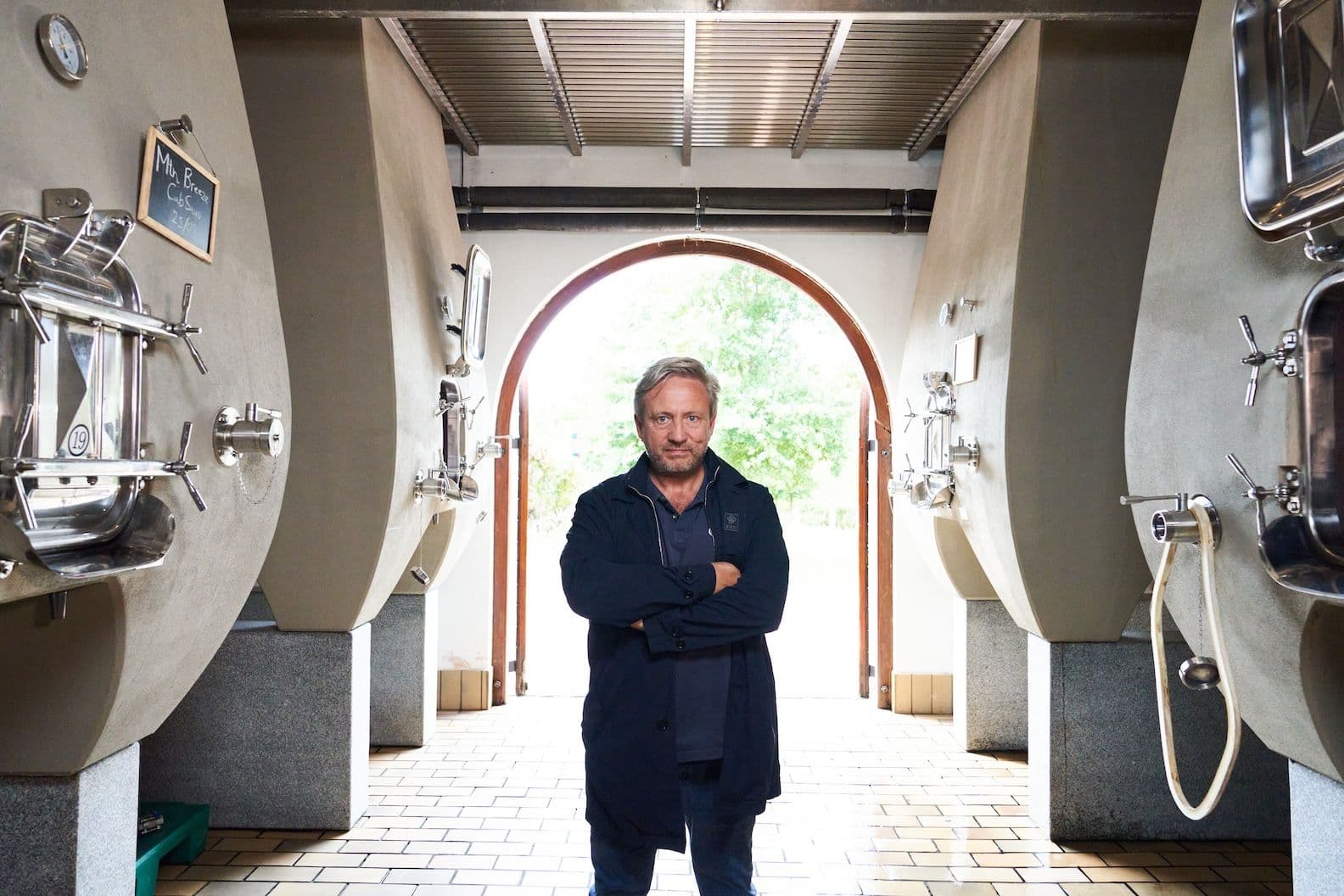
David Cartwright believes he is ideally placed after spending four decades helping producers get listings with major UK retailers to know offer those same services on a consultancy basis
I have spent much of my career operating between producers, importers, sales teams and customers, so I understand the pressures on both sides of the conversation.
I understand the emotional and financial investment producers make in their vineyards, wineries, people and brands. But buyers must consider far more than the quality of the wine. They are responsible for margin, rate of sale, availability, relevance to their shoppers, operational efficiency and the long-term performance of the category.
Much of my value lies in helping those two worlds understand one another.
I bring experience across the multiple sector, independents and the on-trade. I look at a proposition through the eyes of a producer, importer, salesperson and buyer and identify where the gaps are.
I also bring relationships built over many years, although relationships alone are never enough. They may help secure a conversation, but the proposition still must be relevant, commercially credible and properly supported.
How does that apply when offering real value to businesses?
Two words describe much of what I offer: Capability and Availability.
My greatest point of difference is pattern recognition. After four decades you begin to recognise potential problems while they can still be resolved easily. Experience isn’t about remembering what worked 20 years ago; for me it’s about recognising tomorrow’s problem while everyone else is still celebrating today’s success.
But experience is only useful if you remain curious.
I still taste widely across the high street because I cannot properly advise my clients unless I understand what is in the shopper’s glass. Not only wines from the countries I work with, but their competitors too. I want to understand the retail landscape and what it tastes like.
That gives credibility with buyers. I don’t want to sit in front of them simply to sell my wine. I want them to know I’ve done my homework.
Are you looking to offer support and consultancy to both producers and retailers?
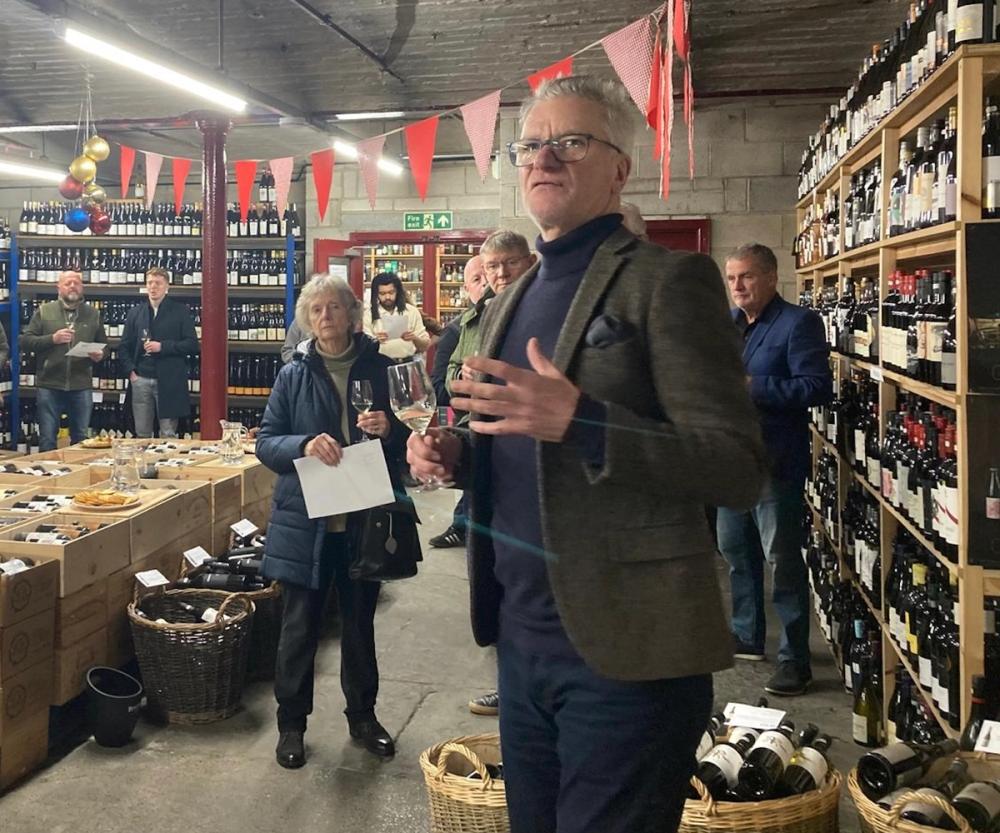
David Cartwright has worked for a number of a major importers, distributors and wine agencies in the UK
Yes. I am open to working with producers, importers, distributors and customer-facing sales teams, as well as retailers or on-trade businesses where my experience can add value.
The strongest commercial relationships are built when both parties properly understand one another’s objectives.
Producers benefit from understanding how UK buying decisions are really made and what will be expected after a listing is secured. Retailers and on-trade customers benefit from suppliers who are prepared, realistic, responsive and operationally dependable.
I can help commercial teams prepare for customer planning and range reviews, critique presentations and, critically, challenge whether a proposal is genuinely being built around the customer’s needs - or simply around stock that’s available to sell.
My purpose is not to complicate the process. It is to improve the quality of the thinking before decisions are taken.
In your experience as a sales director for major importers, what are the principal pitfalls and mistakes producers make?
The most common mistake is assuming that the quality of their wine will be enough.
Quality is essential, but it is the beginning of the conversation rather than the conclusion. A good wine may secure the first meeting. Commercial discipline, reliability and relevance determine what happens afterwards.
Producers can enter the UK without a sufficiently clear understanding of where they belong. They may approach too many customers, the “wrong” customer, present the same proposition to every buyer or allow enthusiasm to run ahead of operational readiness.
Pricing is another frequent difficulty. A price that appears workable at the cellar door may not survive freight, duty, currency movement, importer margin, customer margin and promotional investment. It is far better to establish the commercial reality at the outset than discover later that success would be unprofitable.
Continuity is also underestimated. I call it being present. Buyers need to know that the wine, vintage, packaging and volumes discussed will be available when promised. When something changes, early and honest communication is essential.
I often describe relationships as a bank of goodwill. Every promise kept, problem solved and honest conversation is a deposit. At some point something will go wrong—it happens in every business. That’s when you discover whether your account is in credit.
Trust is earned over time and can be lost remarkably quickly.
And finally, too many people view the listing as the finish line. It isn’t. It’s the starting line. Winning a listing is exciting; keeping it and growing it over many years is the real achievement.
When working with major retail buyers, what are they looking for in a producer before deciding to list them?
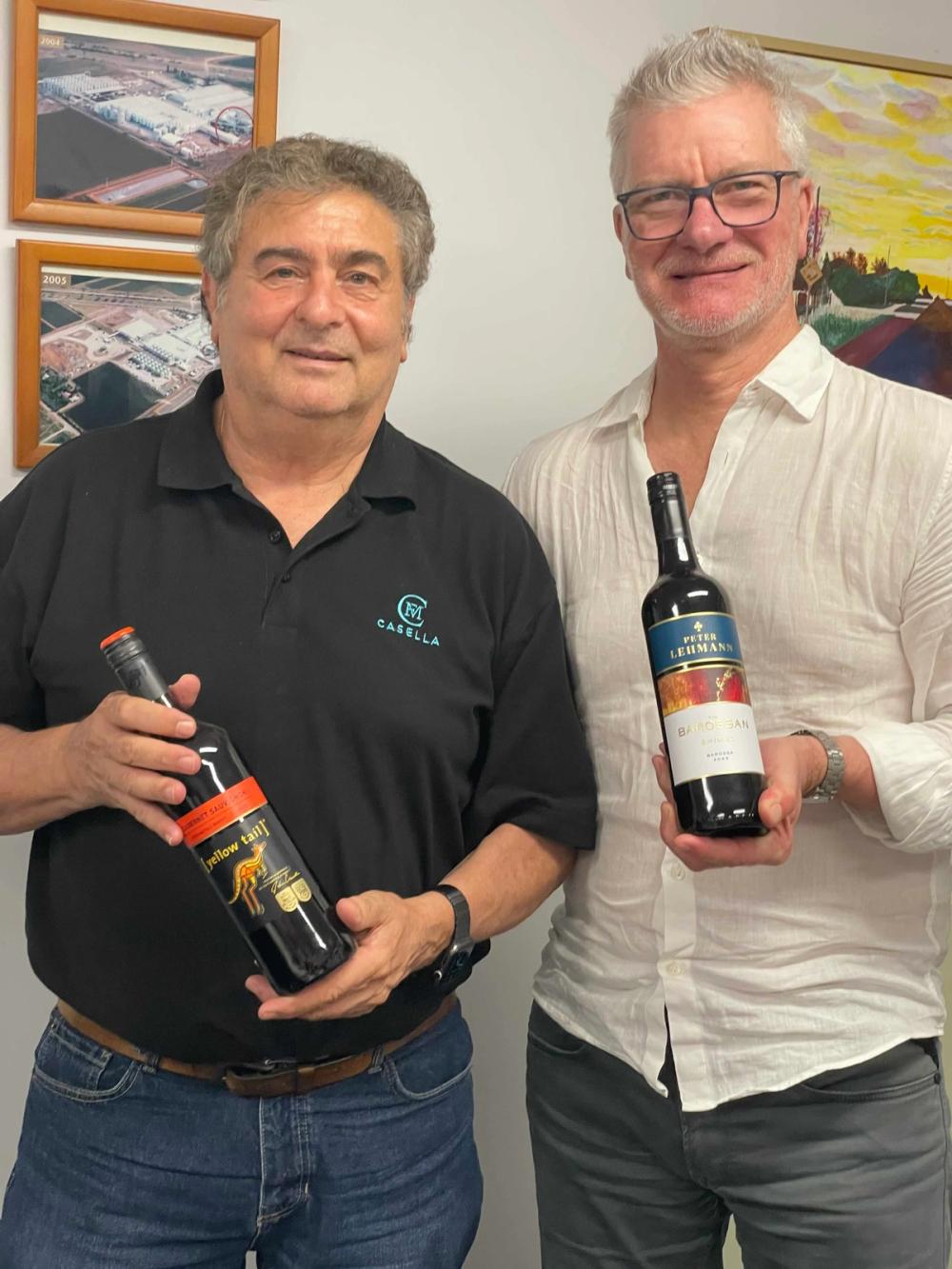
David Cartrwight has built strong relationships with major producers over the years - like Casella Wines' John Casella
In my experience, buyers are looking for a compelling answer to a straightforward question: why should this wine, producer or brand occupy space in my range?
The wine must be good, but it must also have a clear role. Does it meet a consumer need? Does it offer something distinctive? Is the price appropriate? Can the supplier support it? Will it add value rather than merely duplicate something already on the shelf?
Buyers also look closely at the people behind the proposition. They want producers and suppliers who listen, respond quickly, understand deadlines and deal constructively with problems. In short, people they can trust.
They need confidence in supply, pricing, packaging, technical compliance and accurate information, alongside an increasingly credible approach to sustainability and responsible business.
I am fascinated by new listings when they appear in the supermarkets. I obsess over them ! Whenever a retailer changes its range, I look at what has gone in and ask myself: why that wine? Why that producer? Why that price point? What was the buyer and their team trying to achieve?
Trying to understand the decision through the buyer’s eyes is an invaluable discipline.
And there is another important change. We increasingly need to think about drinks, not wine in isolation. Wine is competing with beer, spirits, RTDs, no- and low-alcohol products and soft drinks for a shopper with limited disposable income.
That wider competitive landscape must be part of the conversation.
How do you propose to make buyers’ jobs easier and more effective through the work you can offer?
I have always believed that making the customer’s working life easier is one of the foundations of a successful relationship. The supplier is here for the customer and not the other way around.
That begins with preparation. Before approaching a buyer, we must understand the customer, its range, the shopper, pricing architecture and the commercial problem or opportunity we are hoping to address.
Have we been in their stores? Have we visited different formats? Have we tasted the competitive set?
It sounds obvious, but it is surprising and remarkable still how often this work is not done.
My role is often to challenge a proposition before it reaches the buyer. Is the range too broad? Is the story clear? Are the price points credible? Is the supplier operationally ready? What questions will the buyer ask—and do we have proper answers?
One of my mentors used to say buyers want prescription, not description. That has stayed with me throughout my career.
A buyer is not here to do our homework for us.
The aim is simple: fewer surprises, better communication and more useful conversations.
As a sales director, you have put considerable emphasis on logistics and consistency of supply. Why is that?
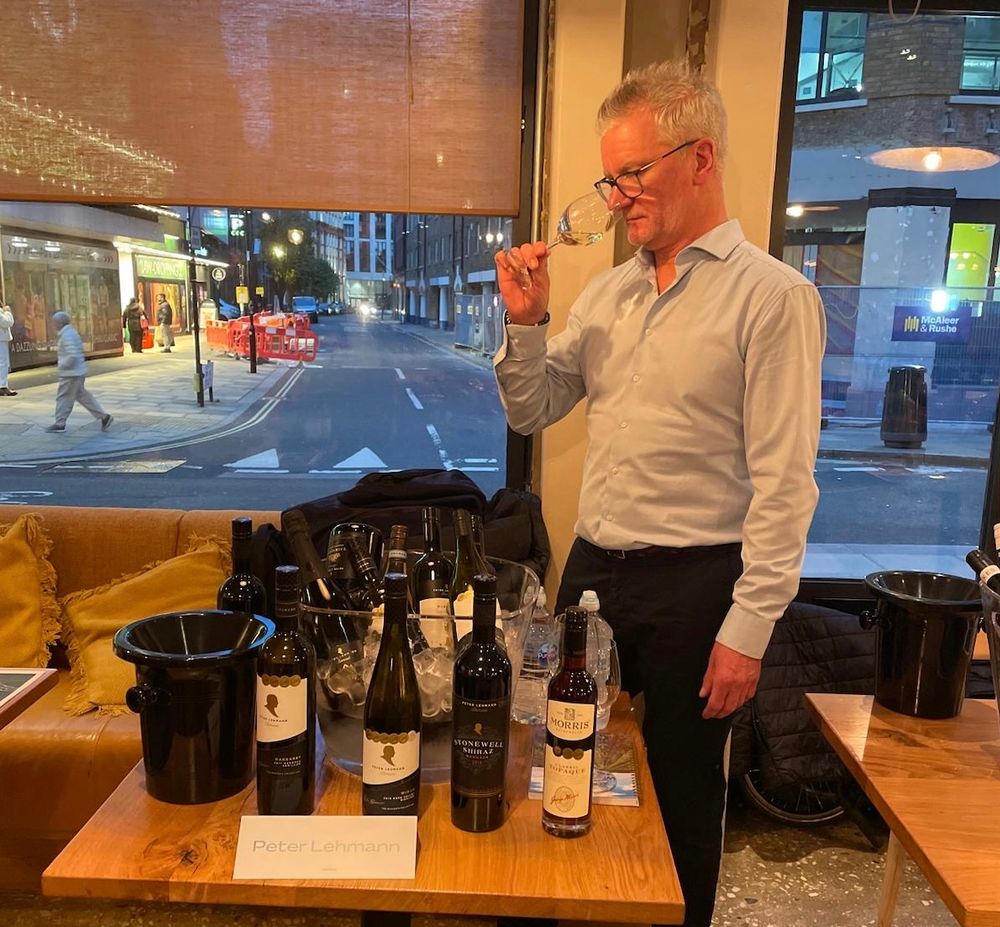
David Cartwright says it is vital suppliers and producers do their homework for every potential customer they want to work with
Consumers are not interested in supply chains. Buyers think about this and are measured on this metric continually—and sales teams working in this sector should make this a mission for them also.
The most exciting wine in the world loses its appeal very quickly if it is repeatedly unavailable, arrives late or changes specification without warning.
Strong logistics protect the listing, the customer relationship and the reputation of the producer.
Consistency does not mean difficulties will never arise. Wine is an agricultural product; shipping gets disrupted and vintages change. What matters is early , relevant communication.
If there is a shortage, packaging delay or vintage change, the customer needs to hear about it quickly, together with a credible plan. Bring solutions not problems.
Bad news does not usually improve while sitting in somebody’s inbox.
Availability and Logistics may not be the glamorous side of the wine business , but they are one of the clearest demonstrations of whether a supplier genuinely respects their customer.
How do you think the role of a sales director has changed over the years?
The role is much broader and more analytical now.
Relationships remain fundamental, but today’s sales director must understand data, consumer behaviour, margin structures, promotional effectiveness, forecasting, supply chains and the increasing operational demands placed on customers and suppliers.
Communication has become faster, although not necessarily better. Buyers and sales teams receive an enormous volume of information, so clarity and relevance matter more than ever.
The competitive landscape has broadened too. As I mentioned earlier, we’re operating in the drinks category now, not wine in isolation.
My role as a non-executive director of spirits business Emporia Brands has been particularly useful in that respect. It gives me another perspective on innovation, the supply chain and how different parts of the drinks industry respond to changing consumer behaviour.
The on-trade remains enormously important too because so many trends begin there. Recently I’ve been privileged to coordinate on-trade “safaris” with two leading UK supermarkets, looking at what’s happening in restaurants and bars and asking what lessons retail can take from it. That has been eye-opening.
The modern sales director is part commercial leader, part strategist, part coach and part problem-solver.
Technology has changed enormously, trust hasn’t.
What size of producer are you most effective working with, and why?
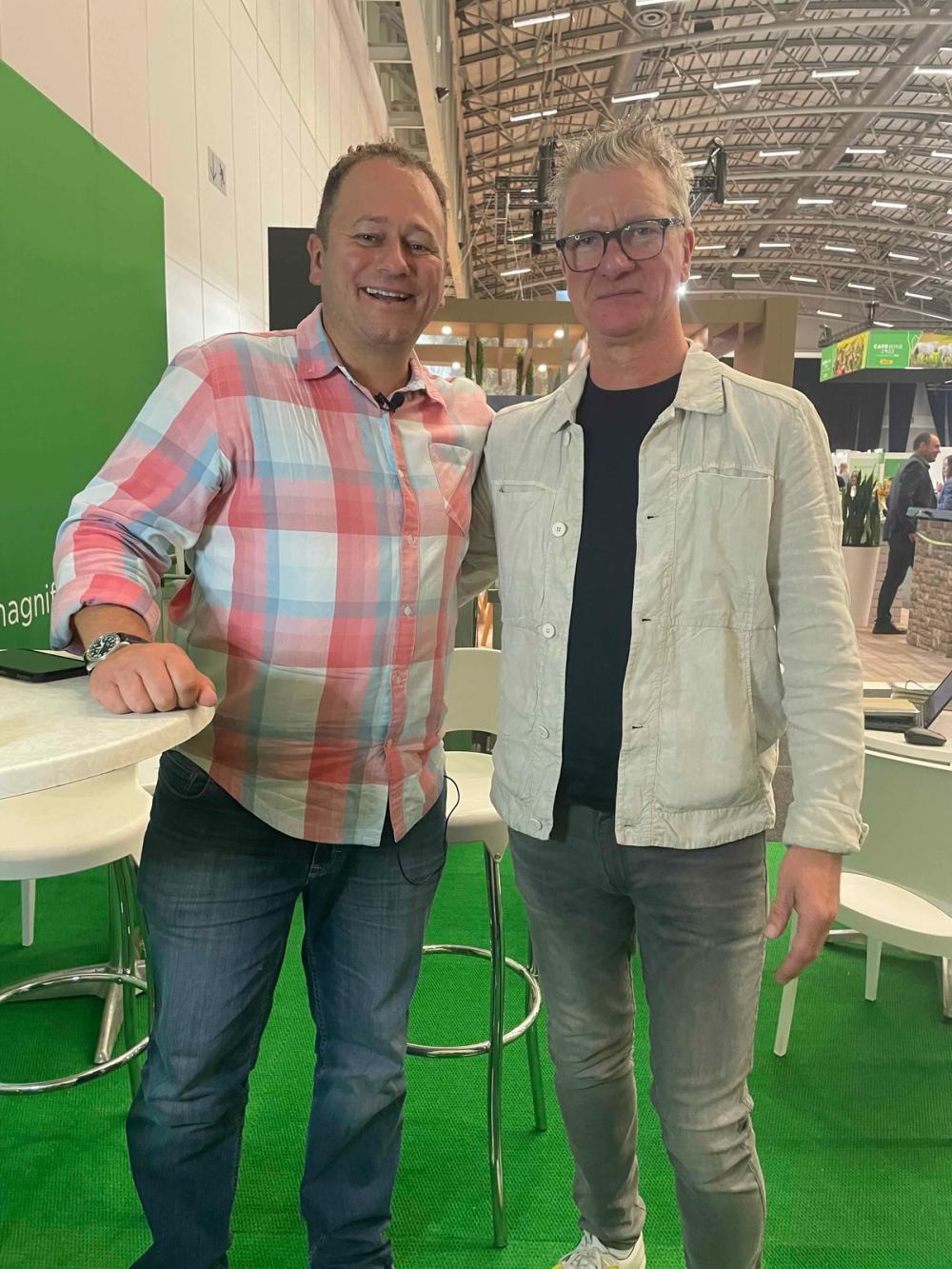
Size matters less to me than ambition, attitude and readiness.
I feel that I am particularly effective with established, quality-focused producers that have genuine potential in the UK but may not have the experience, resources or local perspective to navigate the market alone.
That might be a family-owned winery seeking the right importer, a producer reassessing its existing route to market or a business with distribution that needs sharper commercial direction and stronger customer engagement.
I enjoy working with businesses where my input can have a visible effect and decisions can be made thoughtfully without unnecessary bureaucracy.
I am intentionally keeping my client portfolio small. That allows me to become properly involved, understand the people and the business and give each client meaningful attention rather than superficial advice.
The ideal client doesn’t need to be enormous. It needs to be good, ambitious, commercially realistic and open to constructive challenge.
Can you give examples of the kind of work you have done during your career that you now hope to replicate through your consultancy?
Throughout my career I have been fortunate to help producers enter the UK market, find or reassess their route to market, build industry relationships, strengthen their independent and on-trade presence and develop partnerships that have lasted for many years.
I have also worked closely with commercial teams—mentoring colleagues, preparing them for buyer challenges, helping them understand the expectations of major customers and encouraging them to think beyond the immediate sale.
More recently, during my consultancy with Boutinot, I worked alongside its supermarket team across several major customers. I was particularly pleased to play a part in helping the business return to Tesco, while supporting the team’s work across customers including Aldi and Waitrose and Sainsbury's.
The achievement belongs to the team, but I believe I was able to bring experience, customer understanding and an additional level of challenge and support at important moments.
Are there particular parts of the world you are most interested in working with?
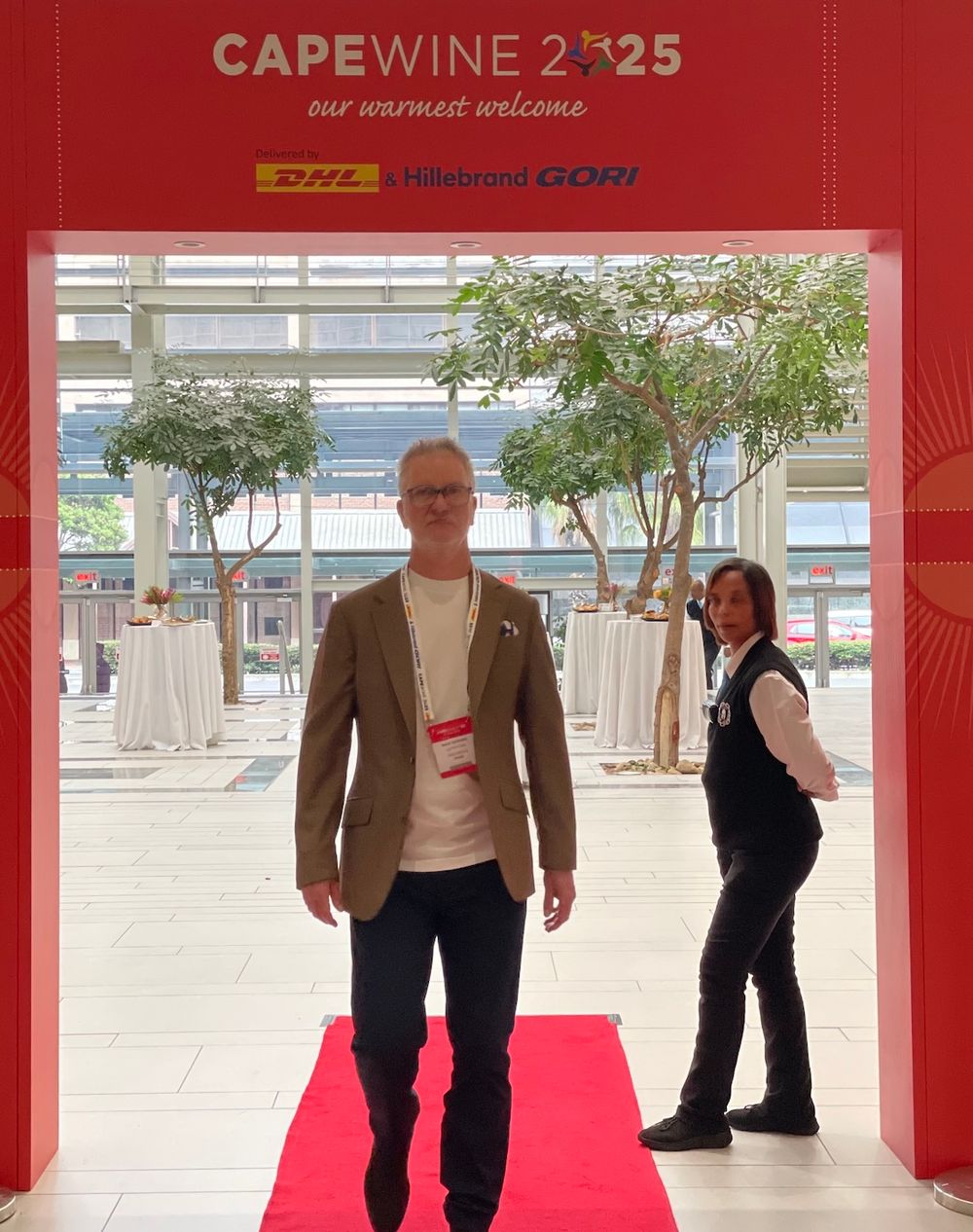
David Cartwright is particularly proud of the relationships he has built up with producers and people across the South African wine industry
South Africa will always have a very special place in my professional and personal life. I have worked within the South African wine community since 1997 and have enormous respect for the quality, diversity, energy and people within the industry.
Australia is also an important part of my current work, and I continue to enjoy supporting producers with heritage, authenticity and a clear sense of place.
But I am not restricted by geography.
I’m interested in good producers from anywhere who have something genuine to say, a credible commercial proposition and the desire to build lasting UK relationships.
The region matters.
The people, wine and shared values matter more.
What have you enjoyed most about your career in the wine industry?
Easy question: the people.
Wine has taken me to extraordinary places and allowed me to taste remarkable bottles, but simply put, the relationships formed and people I have had the privilege to meet have made my career so fulfilling.
Many customers, colleagues and producers have become genuine friends. I’ve had the privilege of watching businesses grow, brands establish themselves and younger colleagues develop confidence and build successful careers.
I’ve always tried to help less experienced colleagues progress. Perhaps that’s unofficial mentoring but seeing other people succeed is one of the most satisfying parts of my career to date.
If this next chapter allows me to help good people build even better wine businesses, I’ll consider myself extremely fortunate indeed.
How would you describe your working style and personality?
Calm, collaborative, direct when necessary and, I hope, generous.
I listen before offering advice and ask questions before proposing solutions. I hugely enjoy bringing people together and helping a team find the answer rather than arriving with a grand idea designed to demonstrate that I know best.
I am commercially minded, but I don’t believe commerciality and kindness are opposites. You can challenge people, negotiate firmly and deliver results while still treating everyone with respect.
I believe in sharing credit. Nothing of lasting value in the wine trade is achieved by one person alone.
And I take the work seriously—but not myself.
Wine is a wonderful business. It should still contain enjoyment, warmth and humour.
What are the key criteria you look for in a prospective client or producer before agreeing to work with them?
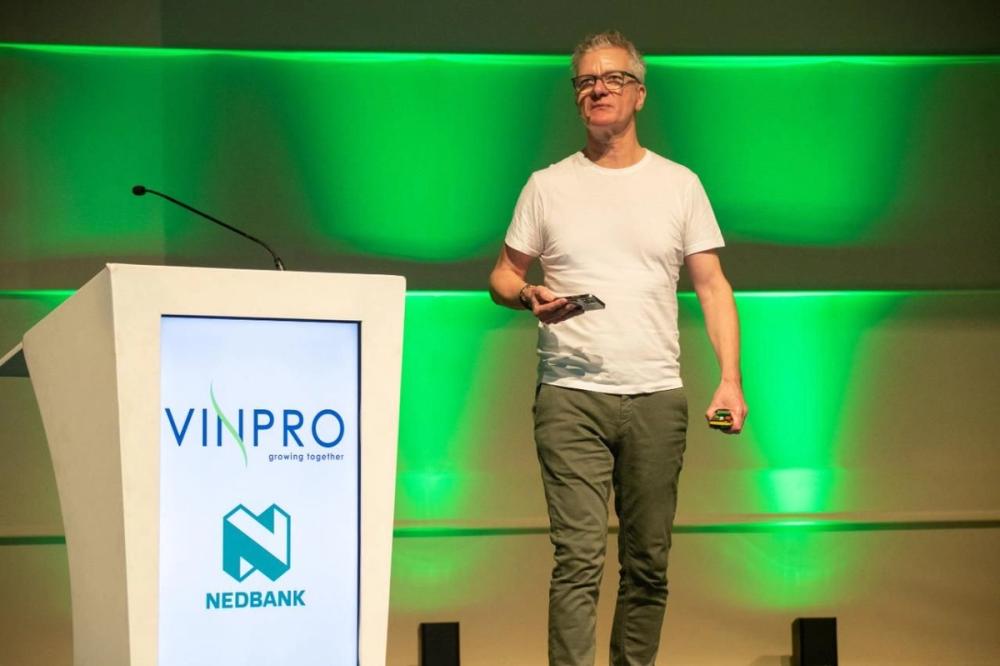
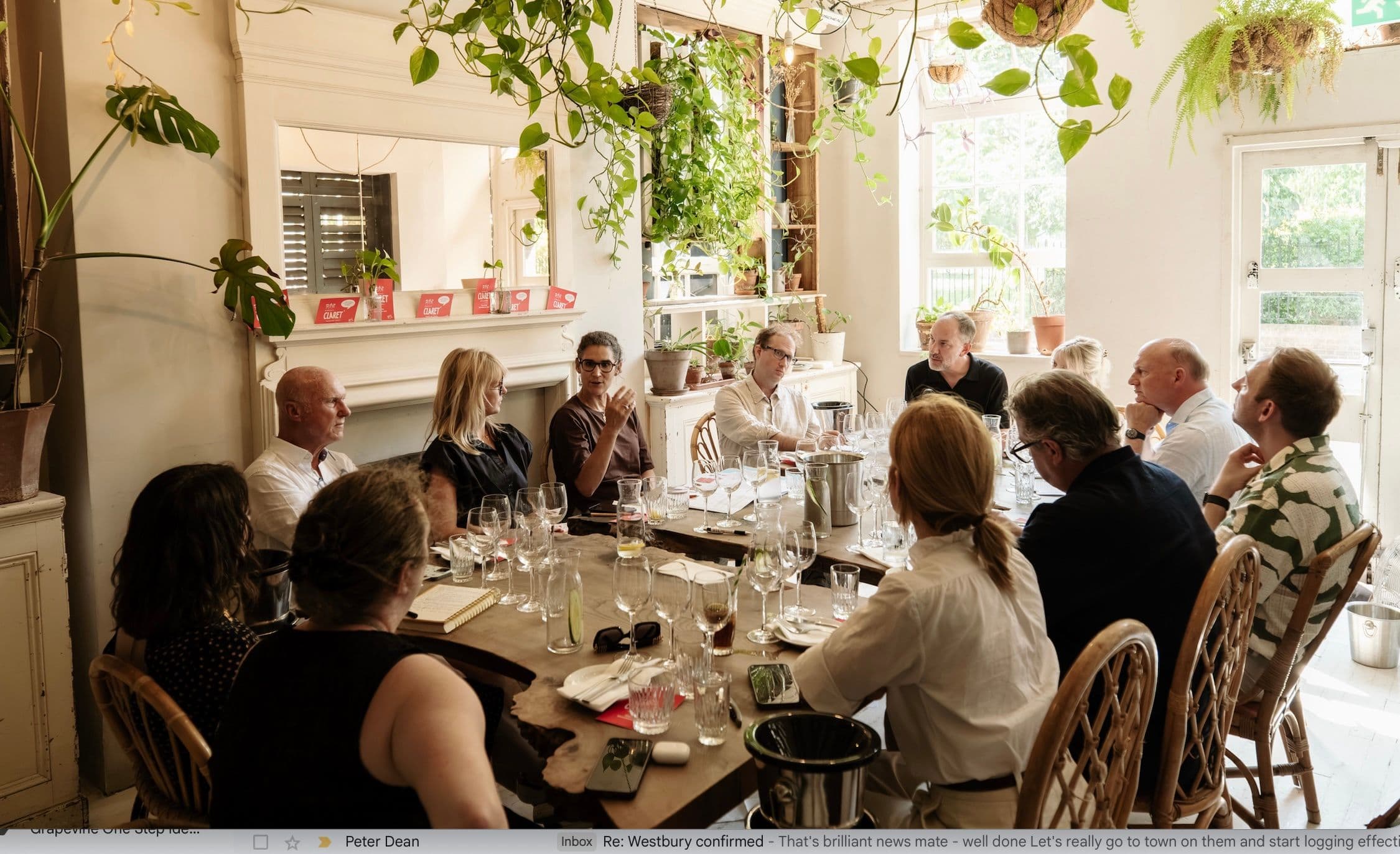
David Cartwright speaking at a recent VINPOR event in South Afica on how to get into the UK wine market
Integrity comes first.
I want to work with people whose values I respect and whose wines I can genuinely support. There needs to be mutual trust, openness and a willingness to have honest conversations.
I also look for realistic ambition. Growth must be supported by appropriate pricing, supply, investment and patience.
A prospective client should be prepared to listen as well as speak. Consultancy has little value if it is used simply to validate a decision that has already been made.
There also needs to be clarity about what success looks like. It might be finding the right route to market, improving the effectiveness of a sales team, opening selected customer conversations or creating a more disciplined UK strategy.
Finally, I want to work with people I enjoy.
Life is far too short, and good business is ultimately built by people who trust and respect one another.
What are the three things you wish every producer understood before approaching the UK market?
First, don’t begin by selling your wine. Begin by understanding the customer.
Find out what the buyer is trying to achieve, where the gaps may be and whether your proposition genuinely belongs in that range. The same wine may need a completely different commercial story for an independent merchant, restaurant group, specialist retailer or supermarket.
Second, consistency is underrated.
Winning a listing creates excitement. Delivering the right wine, at the agreed price, in the required quantity and at the promised time is what builds the business.
Buyers remember reliability long after they have forgotten the tasting note.
Third, think partnership rather than placement.
A listing isn’t simply a space on a shelf or wine list. It’s a commitment by both parties. The producers that achieve lasting success invest in those relationships and remain engaged long after the initial celebration.
And I do believe in celebrating.
I regularly ask clients whether they’ve stopped to celebrate winning new business. Often the answer is a shrug. Celebrating isn’t complacency; it recognises the many people whose work contributed to the result. The salesperson may be at the front of the queue, but there’s invariably a much bigger team standing behind them.
Anything else you would like to add?

After more than 40 years, I don’t pretend to have every answer. I simply hope I have a better understanding of the questions worth asking.
Perhaps the thing that still drives me most is curiosity.
I still walk stores. I still taste competitors ranges. I still look at new listings and wonder why. I still watch what happens in restaurants and bars. I still want to understand where shoppers are spending their money and, quite literally, what’s in their glass.
Relationships outlast transactions. Reliability creates confidence. Listening usually reveals more than speaking.
Moving from transactional relationships to genuinely collaborative ones is at the heart of what I am trying to bring to my role and with my clients.
My consultancy is deliberately personal and selective. I want to work closely with a small number of producers, importers or commercial teams where my judgement, experience, curiosity and relationships can make a genuine difference.
Great wine opens the door.
Everything that follows determines whether it stays open.
* You can find out more about the services that David Cartwright can offer at his website for Cartwright.Wine here.