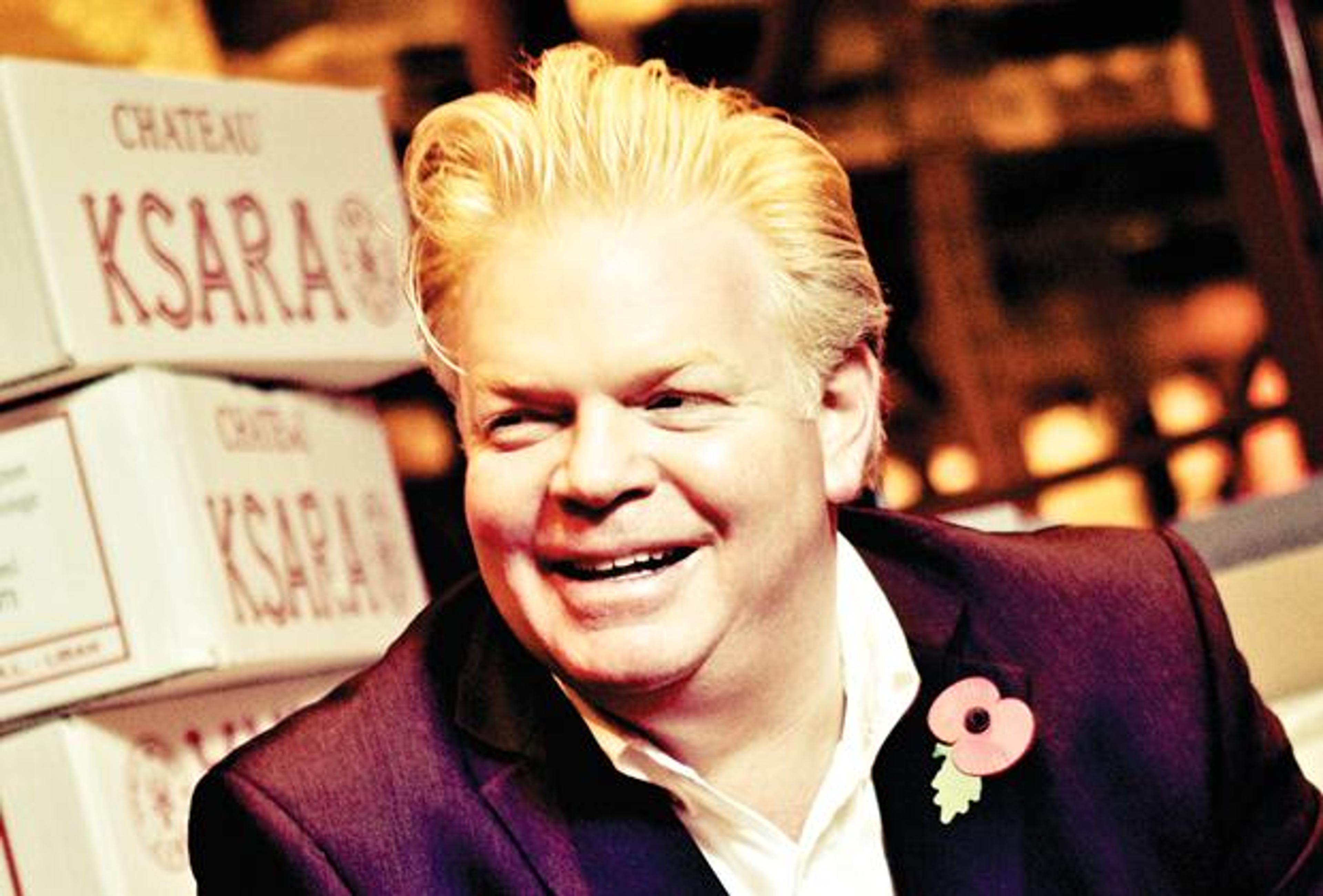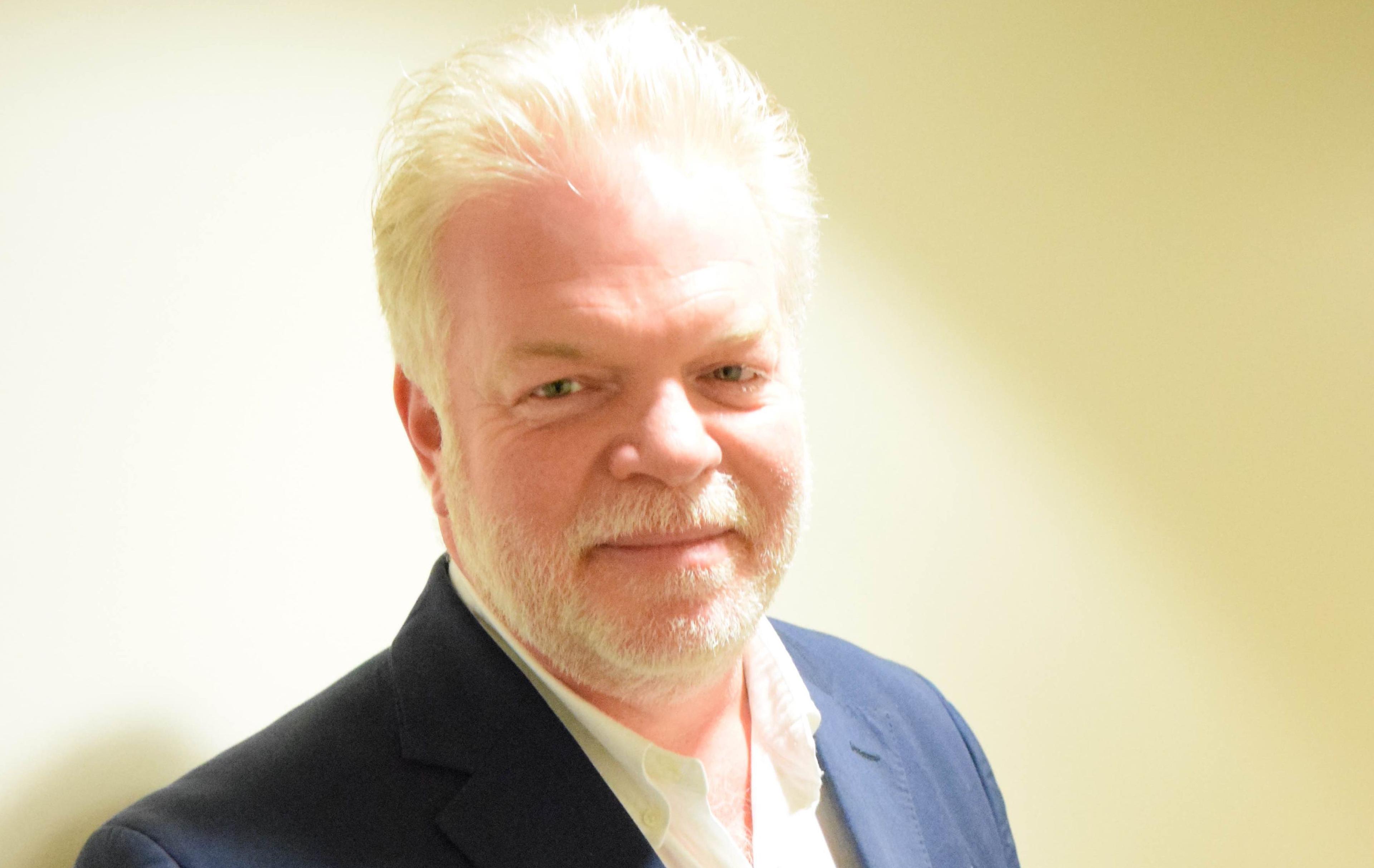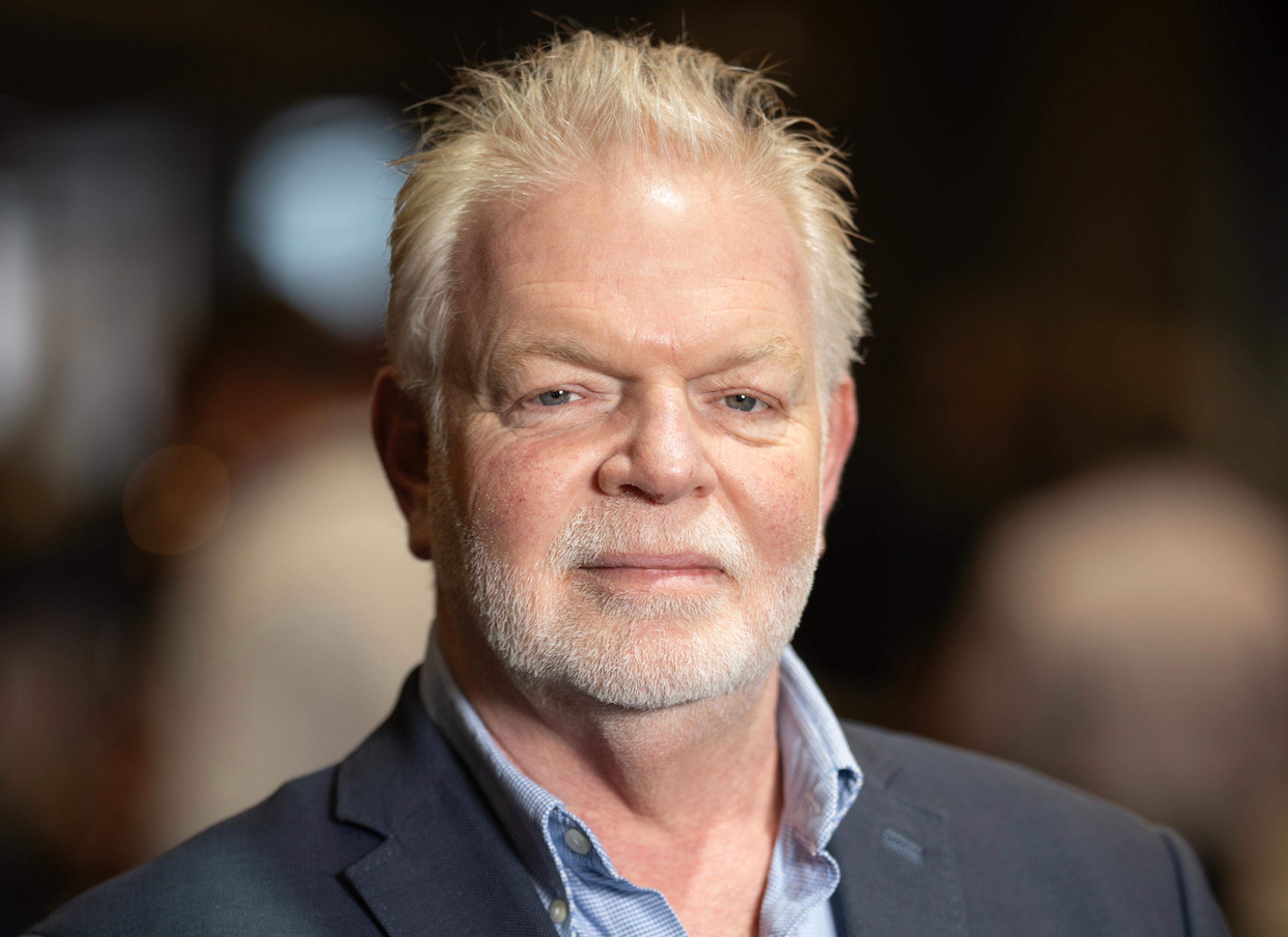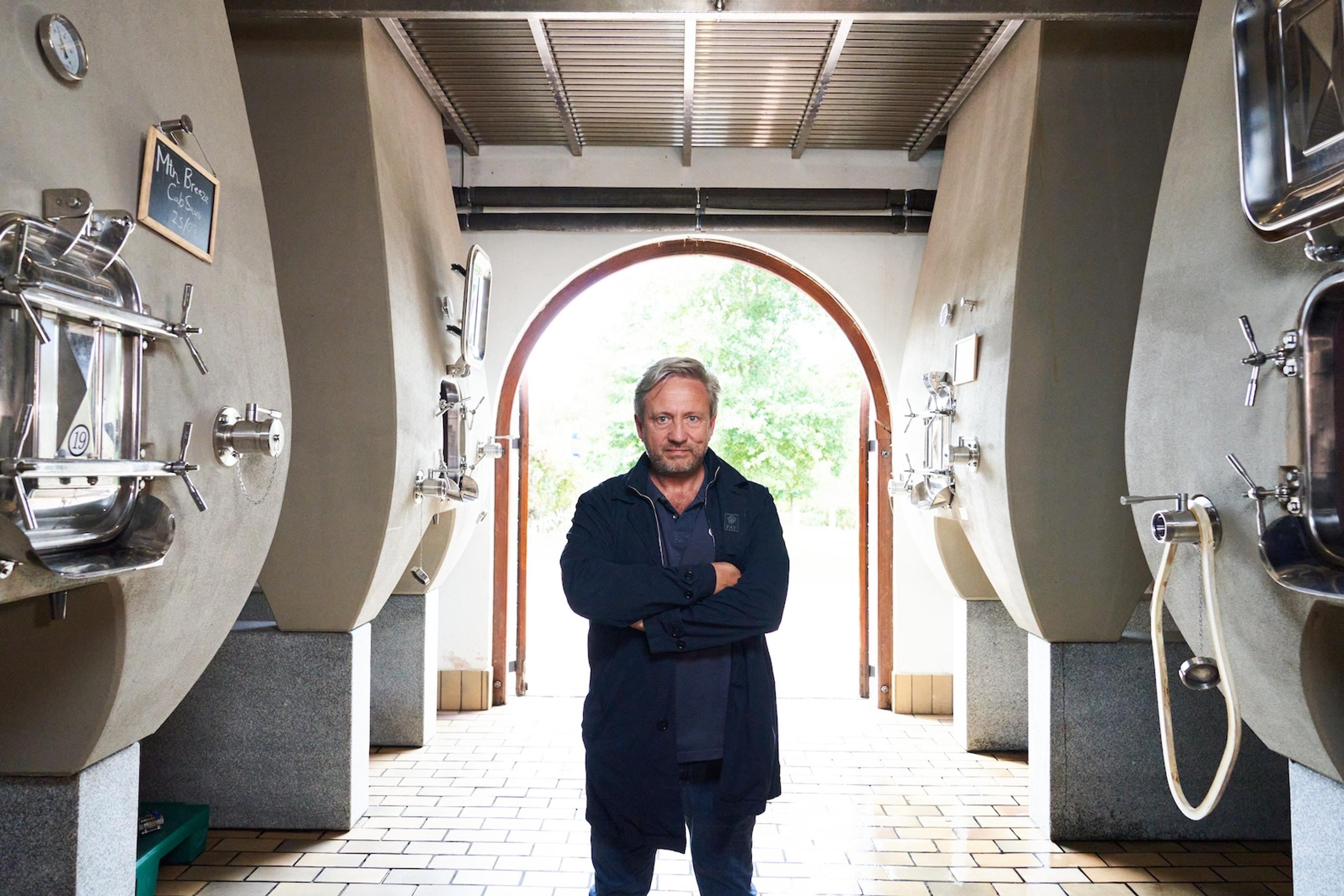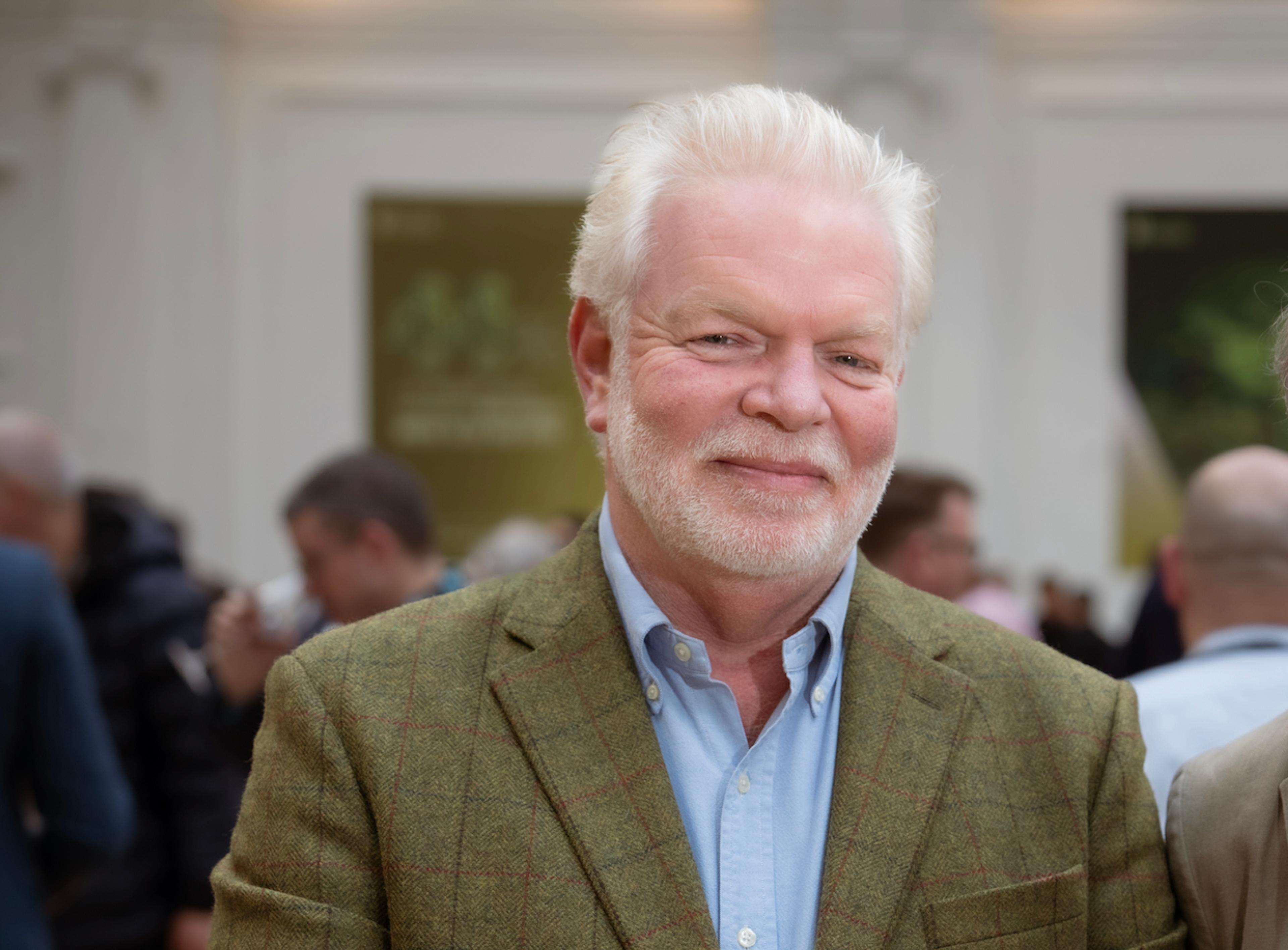

When Hallgarten & Novum Wines sees a change to its management structure at the end of the month, with managing director Andrew Bewes stepping down from his role, he could be forgiven for cracking open a bottle of something special to celebrate his 17 years at the helm.
Bewes has spent 42 years in and around the wine industry in a career largely focused on supplying the on-trade and brand-building in the multiples, taking him from Berkmann (where turnover rose from £8m to £41m during his tenure), to Liberty (where turnover doubled from £12.5m to £22.3m in four years) before landing at Hallgarten in 2009.
When he joined Hallgarten, turnover was £33m. That figure will crest £100m in his final year.
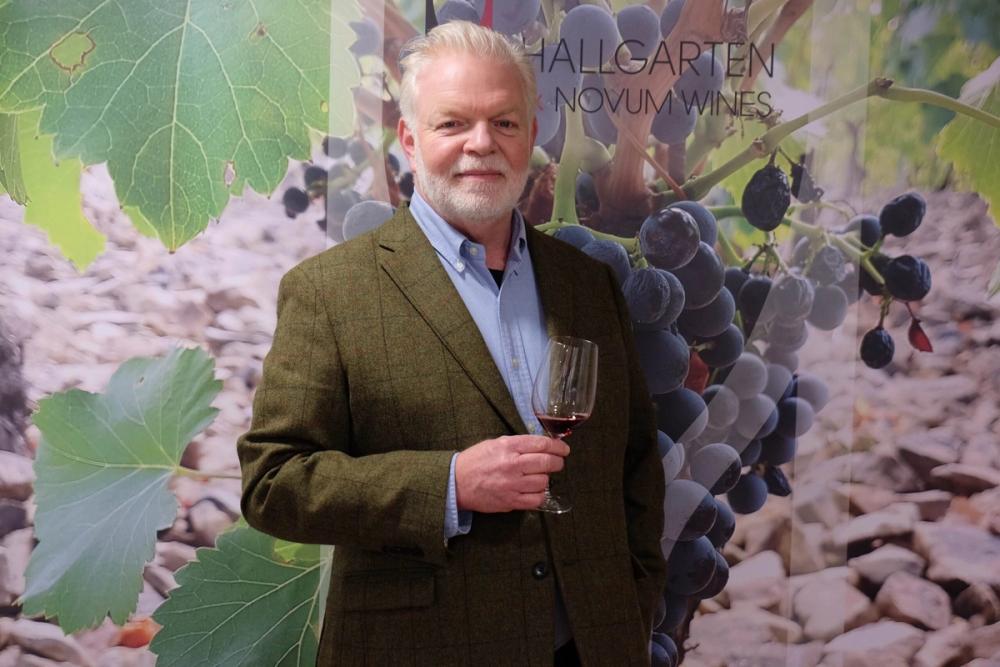
There will be many in the wine industry this week raising their own glass to Andrew Bewes as he steps down as managing director of Hallgarten & Novum Wines after 17 years
“I don't think I could have chosen a better time to bow out and pass on the baton,” says Bewes. “The transition to new ownership has been completed, we were fortunate to win pretty well all the industry awards in 2025 and have enjoyed great growth in what is a very tough market.”
His words are not spoken boastfully. Bewes is the first to recognise that a large part of that growth has come off the back of the December 2023 takeover by London-based Coterie Holdings (prior to then, turnover stood at £62m).
In a year, Hallgarten took on 30 new producers, over 300 new wines and expanded its team by a third - it has since grown again, to 150 team members in 2025 vs 100 in 2023. Amid the upheaval, all the senior management team remained in place. So how did he manage the process while keeping everyone happy?
“One of the main parts of the job, for anyone in leadership, is to manage change,” says Bewes. “It’s a constant challenge.”
But yes, he adds, Hallgarten’s change has been rapid.
“Fortunately, by the time of the sale, Howard [Falk, Hallgarten’s CFO] and I had got to the stage where we weren't actually needed for day-to-day decisions allowing us to focus on strategy.”
Strategy first
That was key, Bewes says, freeing him up not just for more strategic thinking but to support individuals.
It was an opportunity “to mentor, to coach, to look ahead and to focus in on key supplier relationships and key customer relationships”.
There have been plenty more of those. But as we look out over Hallgarten’s sprawling annual tasting, Bewes seeks to play down the array of new suppliers.
“It’s very normal for us to take on new agencies and of course there’s been a lot of attention on that, as some are more high profile than others.”
He freely admits, though, that some customers don’t like change: “It was a massive ask of our sales and marketing teams and our customers to assimilate new products, new suppliers and new relationships.”
It seems to have been a challenge that the team have embraced. Andrew Shaw, wine director across the Coterie group, talked of Hallgarten’s mindset being that of a start-up, driven by energy, passion, vision and agility. So, had Bewes been similarly energised himself? Effectively, he hadn’t had a direct boss for his first 14 years, running the business with Falk, “my partner in crime”.
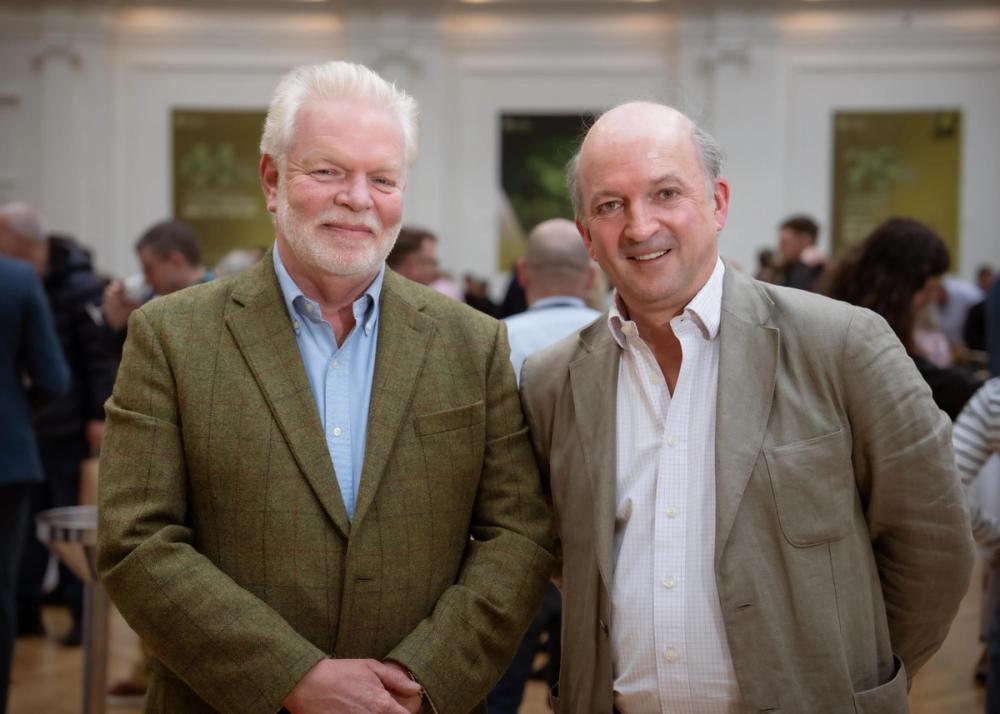
From competitors to colleagues: Andrew Bewes and Coterie Holdings' group chief executive Michael Saunders have spent most of their careers competing against each other before being part of the same management team when Coterie acquired Hallgarten in 2023
“I had known Michael (Saunders - Coterie’s group chief executive) pretty well, and even though he was a competitor, we were very friendly and always met up a couple of times a year. And he had also gone through that transition of being the boss and then suddenly having to report to someone [through the C&C takeover of Conviviality in 2018].”
It turns out that a sale had come close to fruition a few years earlier, after the owning Pieroth family had asked Bewes to “put some feelers out”.
“We actually got to due diligence with one suitor at the end of 2019. And then, of course, Covid completely scuppered that.”
The near-sale went under-the-radar at the time, even internally.
“I'm all for making sure that things going on behind the scenes don't affect the day-to-day work,” says Bewes says.
In any case, he adds, the pandemic presented a far greater upheaval – and challenge – than the eventual takeover.
“Lockdown was just about surviving,” he says. “It obviously hit us very hard – we lost roughly 35% of our business.”
Biggest challenge of all
Not only was it the greatest challenge of his career, but, he says, “I would imagine it's the biggest challenge of anyone in the [hospitality] business over the last 20 years.”
“I've never felt quite so responsible for 100 people as I did then,” he says, of a time he describes as “truly horrific” and “scary for everyone”. The upside, though, was a massive increase in communication with both team members and customers, something he says has been maintained.
“We already work in a personable industry. But the support we offered our on-trade customers through that period was remarkable.”
He mentions how, previously, credit control had been “combative” between the parties involved, but “we went out of our way to find collaborative ways through debt which brought us closer to our supply chain”.
Having “got through” 2020, the business bounced back in 2021, and went back into growth in 2022, enabling discussions around a sale to restart in 2023. By the time the sale was concluded at the back end of the year, the strengthening of those supply chain relationships put the business in good stead for the subsequent growth.
Balancing on and off-trade
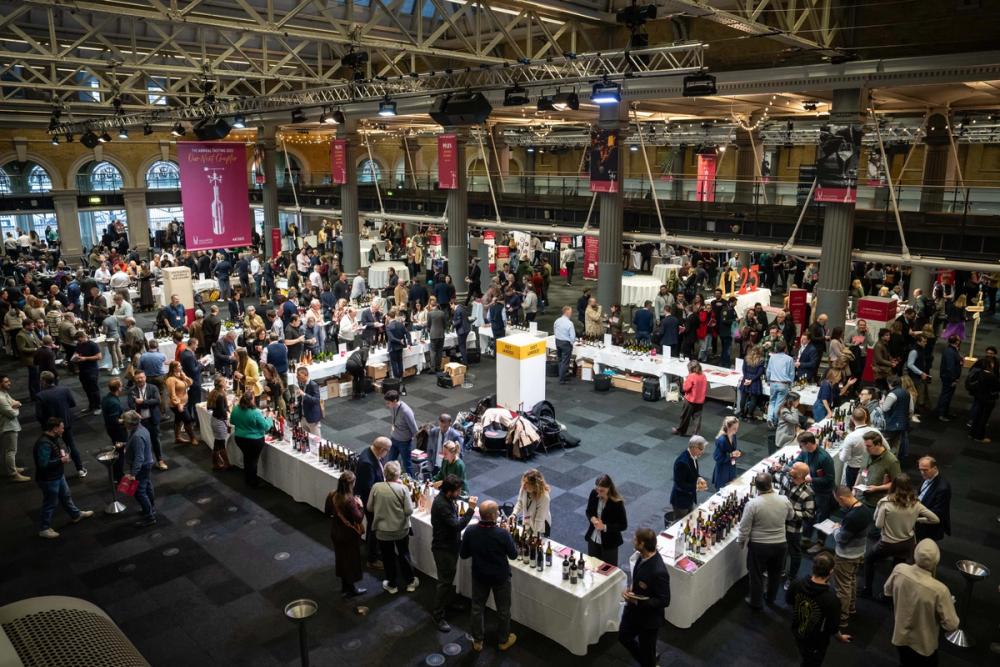
Hallgarten & Novum Wines now has producer partners that can service all channels of the trade from major multiples to restaurant and pub groups through to independent wine merchants
There also followed more of a balancing of the business between the on and off-trade. Prior to the new ownership, around 75% of turnover was through the on-trade. That figure is now closer to 65%, though Bewes “would definitely push back” against any suggestion that this was a concerted strategy.
“I really don't look at percentages,” he says. “And at no stage would I say, ‘let's stop focusing on that and focus on this instead’. But we recognised we had a very strong portfolio for independent off-trade and restaurants but less strength in both people and product aimed at the multiple off-trade.”
Equally, while Hallgarten long ago moved on from being an on-trade specialist – sourcing the right wines for its core sector and selling anything left over to the off-trade – Bewes adds,
“We had never really focused in on wines which we might want for the multiple retail sector that might not be suitable for our core sectors.”
Hallgarten supplies around 3,000 restaurants and retailers, and every one, says Bewes – “whether it's a large on-trade account or small independent retailer” – wants and needs something that is tailored to them and reflects their proposition.
“If we supply 10 restaurants within a kilometre radius – and there are parts of London where we do – they can't all have the same wines.”
Bewes remembers surveying the competitive set back in 2007 – Liberty, Berkmann, Hallgarten, Bibendum and Enotria.
“The average list back then was 750 wines; now we're all sitting at over 1,600.”
And yet many restaurant lists have moved from exhaustive listings by country and region to more concise affairs, detailed by style.
“It’s a massive anomaly,” Bewes admits, adding that there is no denying that “the world of wine is in over-production”.
The flipside is that today, it’s “the easiest job in the world” to find great wine, he claims. “There used to be more technically bad wine around. Not anymore. The biggest challenge for the buying team is to go out and find high-quality, well-priced, consistent wine to offer to our customers as their entry-level wine. That's where the art is.”
Partner and not a supplier
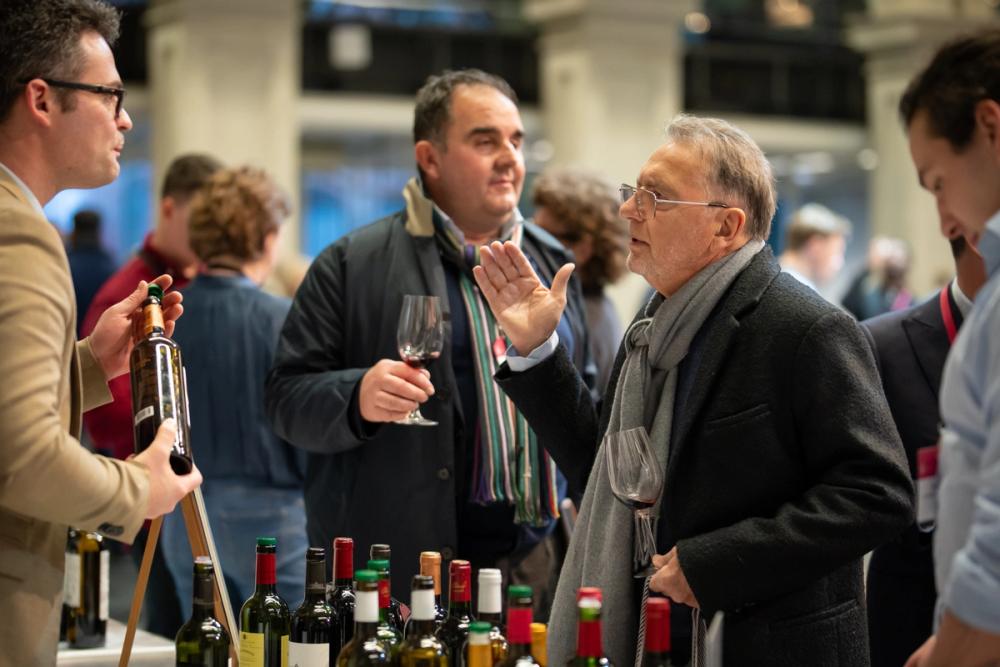
Hallgarten has looked to build long-standing relationships with its customers who it sees very much as partners working together for a common goal
Bewes has spoken previously about how Hallgarten positions itself as a business partner rather than a supplier. It has many customers for whom it is the sole wine supplier, which means it is incumbent upon the team to oversee all aspects of a wine list – from its design, to training front-of-house teams on the wines and how to present them to their customers.
“Our customer education and training programme is 50% about wine and 50% about front-of-house skills and confidence,” he says.
That in turn means that Bewes’ team are not only expected to assimilate a far greater range of wines than ever before, but also to be business savvy.
“They need to add value to the customer, helping them to increase sales, increase their margins. Operators’ expectations of suppliers have risen hugely.”
The challenge is made greater by the range of problems besetting the industry, increasing costs across the supply chain. Bewes cited issues impacting all links in that chain, from duty to warehousing and business rates to the pressures of Extended Producer Responsibility and Packaging Recovery Note, all of which he says are having a “catastrophic” effect.
“The government is not helping,” he says.
Leadership role
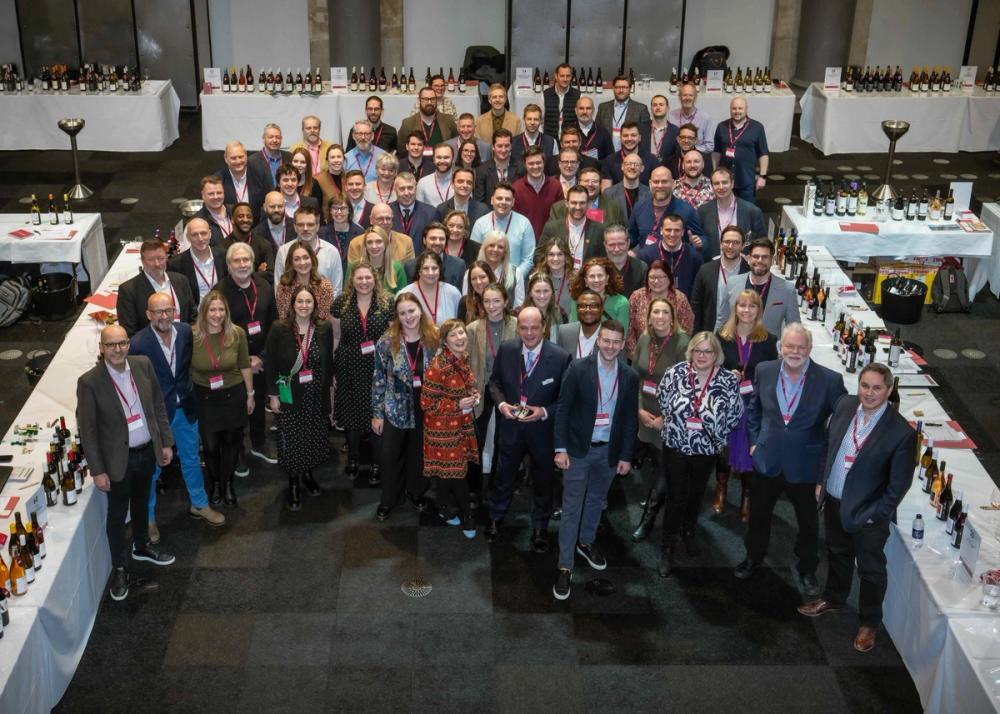
One of Andrew Bewes' biggest achievements is how the bulk of its team, particularly at senior management level have been with the business for many years and have been able to take the business forward following the Coterie deal
So does he see it as the role of an MD to represent the industry and fight back against such pressures?
“It's part of leadership to stand up for those people you represent directly – your employees, their livelihoods, and our customer base.” He references “collaborative conversations with immediate competitors” as to how they can best rally themselves, and talks highly of the work done by Miles Beale and the WSTA in the fight against increased duty. But he also says there is a job to be done in terms of communication.
“I think we need to be really careful with all this talk about people spending more and drinking less. They're paying more, but they're not necessarily drinking better, because the price of the wine has gone up.”
There is an issue, he says, in breaking £30 as the entry level for a bottle of wine in a restaurant.
“Holding on to that accessibility is a real challenge – unless the operator is making a decision to work at lower margins, which has its own inherent dangers.”
It would be easy, Bewes adds, to look at industry stats and be pretty miserable.
“But I've got a sales background, so optimism is built-in. Ultimately, we’re a middleman, so it’s about people and relationships and adding value. If we lose focus on that, that’s dangerous. But we’re an industry that works really hard and understands its subject very well.”
Starting out
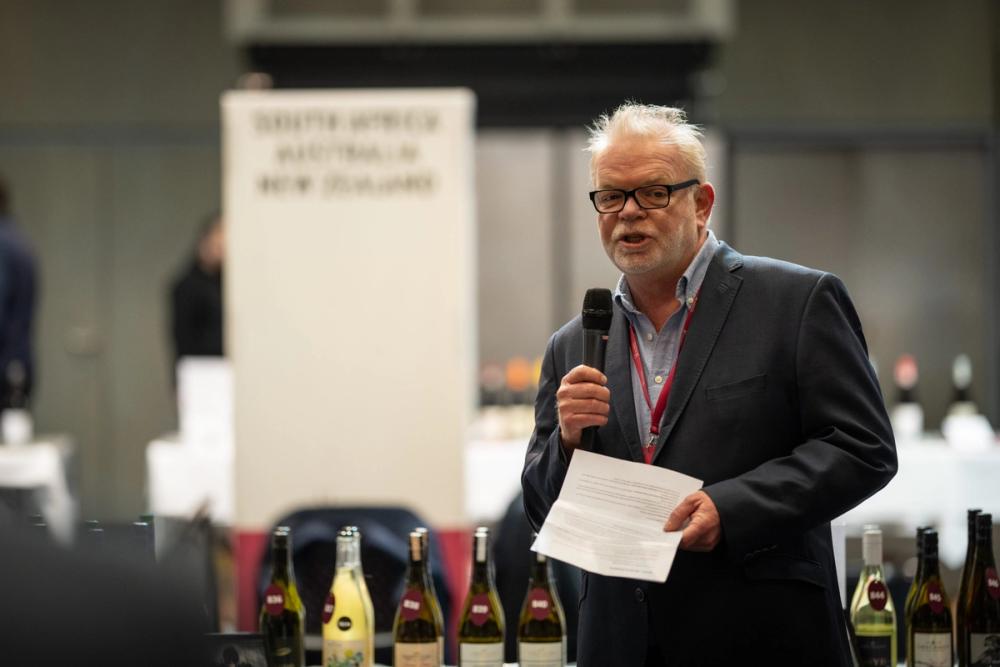
Andrew Bewes has earned the respect of his peers for the quiet and humble way he has transformed the Hallgarten business into one of the most competitive and respected wine and spirits suppliers in the UK
That sales background came via “a fairly classic apprenticeship” with a now-defunct company that was then one of the UK’s oldest wine shippers – Deinhard London. He was recruited at Goodwood Racecourse while running a wine bar in Petersfield, his hometown, where his father was the local bank manager. Deinhard was one of two suppliers to the bar, with the other one being run by John Cunynghame, who Bewes would ultimately go on to replace as MD at Hallgarten, 25 years later.
There was, he says, a different feel to the industry back then, one that has been slow to evolve.
“Even going back just 17 years [when he started at Hallgarten] there was a time where, if you had the right face, and went to the right school, and were able to communicate on a certain level, then that was good enough to do business.”
Today, much more is required of team members, and he remains frustrated that the industry as a whole has not progressed more quickly.
“[The lack of] diversity is my biggest frustration and challenge. We're relatively London-centric as an industry, and if you look around the bars and restaurants, on the floor, London has arguably the most diverse hospitality sector anywhere. Yet very few of these people see it as an opportunity [for a long-term career]. Instead, hospitality is seen as a transient stepping-stone or a convenient source of income while you go to university or just to make ends meet.”
The resultant churn in staff turnover makes that role of a supplier-as-training-ground much more difficult, he adds.
“Somehow, the wine industry at large is not projecting an attractive career or appealing to a more diverse demographic that better reflects our society.”
Bewes recognises that wine is still seen as an “elitist” pursuit, though feels that image is becoming less engrained.
“When I started, it was about how you spoke and where you were brought up. People like me grew up in an environment where wine was relatively normal, whereas for the majority of people, it wasn’t. Now I look at my kids, who are in their late 20s and have a very diverse group of friends, and they've all grown up in an environment where wine is actually being consumed. For them, going into the industry wouldn’t be quite so alien.”
Succession

Will Oatley has been brought in from Louis Laour Agencies to take on a large part of the day-to-day management responsibilites
In his place, Coterie will reinforce two management boards – one to support the strategic direction and one – including Will Oatley, recruited from Louis Latour Agencies as commercial director last year – to oversee the day-to-day management.
“We've got an experienced management team,” says Bewes, “And then within the Coterie group, there’s a very experienced CEO [Saunders].”
Saunders, for his part, has said that while the previous model was “very MD-led”, the new structure would allow more people in the business to be “accountable [and] responsible for their functions”.
Bewes is adamant that he’s not retiring. But equally, he can say “categorically” that he’s not moving to another full-time role.
For now, he is looking forward to some time to take stock, decompress and spend time with his family.
“There are conversations that people are trying to have with me,” he says, “and I like to think I still have a bit to give.”
There's also his own bloody-mindedness to consider, he says.
“I don't actually need to work anymore, but I know myself well enough to know that I need to do something. So if you see me on a golf course, you have my permission to shoot me…”
* Hallgarten & Novum Wines is a commercial partner to The Buyer. You can find out more about its business here.