Tell us about you got into wine and why you wanted to follow a career in wine?
Growing up in a traditional Chinese household, drinking alcohol was not permitted until I turned 18 - something I now look back on with a smile, as it meant my first real encounter with wine came later than most. After graduating, I moved abroad and began my professional journey as a hotel trainee at the Emirates Palace in Abu Dhabi. It was there that I experienced a new sense of independence and with it, the opportunity to explore wine for the first time.
My introduction began during a training session led by the hotel’s sommelier. His passion was contagious. He didn’t just teach us about tasting notes or grape varieties, he shared the rich history, diverse styles, and cultural significance behind each bottle. In that moment, I realised wine was far more than a beverage; it was a story, a tradition, a bridge between people and places.
That experience opened a door I never wanted to close. From then on, wine became a constant companion in my life - a source of endless curiosity and inspiration.
What attracted you to being a sommelier specifically?
What initially began as a fascination with wine has evolved into a lifelong passion for learning and it is this passion that ultimately led me to become a sommelier. More than just a career, wine has become a guiding force in my life, connecting people, cultures, and moments through the stories held in every bottle.
Over the past 12 years, I’ve been dedicated to deepening my knowledge and honing my craft. My journey began with the WSET Level 1 in 2012, which sparked a deeper curiosity. This grew into a full commitment: I completed the WSET Level 4 Diploma in 2018 and became an official WSET educator in 2019 - allowing me to share my knowledge with others, which I find deeply rewarding.
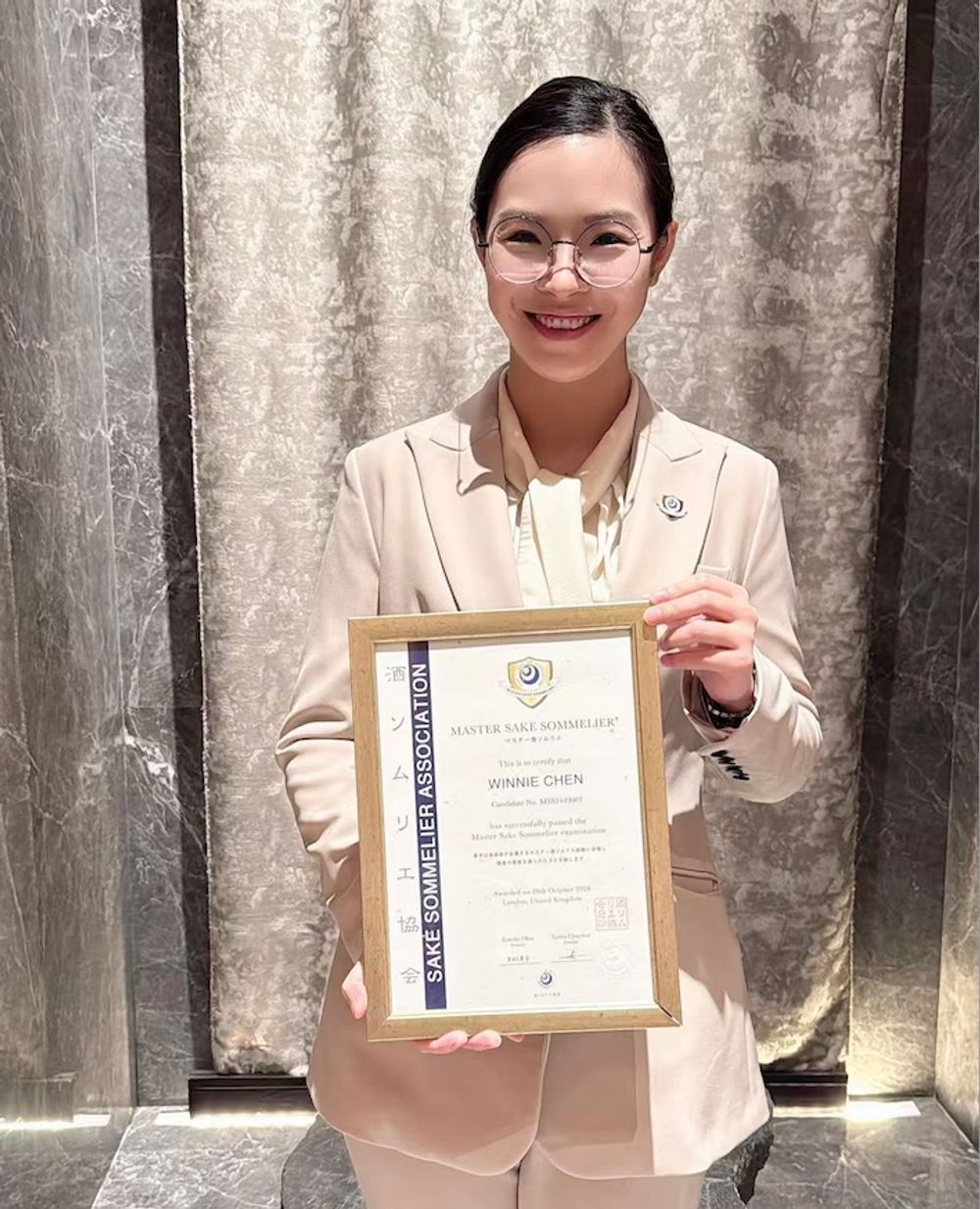
Winnie Chen with her Master Sake Sommelier certificate
Alongside my wine studies, I pursued professional recognition through the Court of Master Sommeliers, successfully passing the advanced sommelier exam in Hong Kong. By 2024, I had also achieved the title of Master Sake Sommelier from the Sake Sommelier Association (SSA) in Germany—an honour that reflects my appreciation for wine and sake, one glass at a time.
What has been your career to date as a sommelier - key steps along the way?
My sommelier journey began at Hakkasan restaurant within the Emirates Palace Hotel in Abu Dhabi, UAE, where I served as a sommelier from January 2013 to August 2015. This role marked my formal entry into fine dining and wine service, allowing me to develop a strong foundation in premium wine lists, guest engagement, and pairing philosophy within a Michelin-starred environment.
I then advanced to Burj Al Arab Hotel in Dubai, one of the world’s most iconic luxury properties, where I worked as a senior sommelier from October 2015 to November 2019. During this pivotal chapter, I deepened my expertise in cellar management, staff training, and personalised wine experiences for an international clientele. The fast-paced, high-expectation setting helped shape my professionalism and attention to detail.
After a brief pause, I joined Grand Lisboa Palace Resort, SJM Resorts in Macau, China, in February 2021, taking on the role of resort head sommelier - a position I hold to this day. I
In this leadership role, I oversee wine operations across multiple outlets, manage a large team of beverage professionals, curate extensive wine programs, and contribute to strategic procurement and guest experience design. It has been both an honour and a challenge to help elevate wine culture in one of Asia’s most dynamic hospitality markets.
Each step of my journey has contributed to my growth—not just as a sommelier, but as an educator, leader, and ambassador for wine and sake culture worldwide.
What was your initial training to be a sommelier?
Beyond certifications, my true training has always been on the floor—serving guests, reading tables, making mistakes, learning from them, and growing through every interaction.
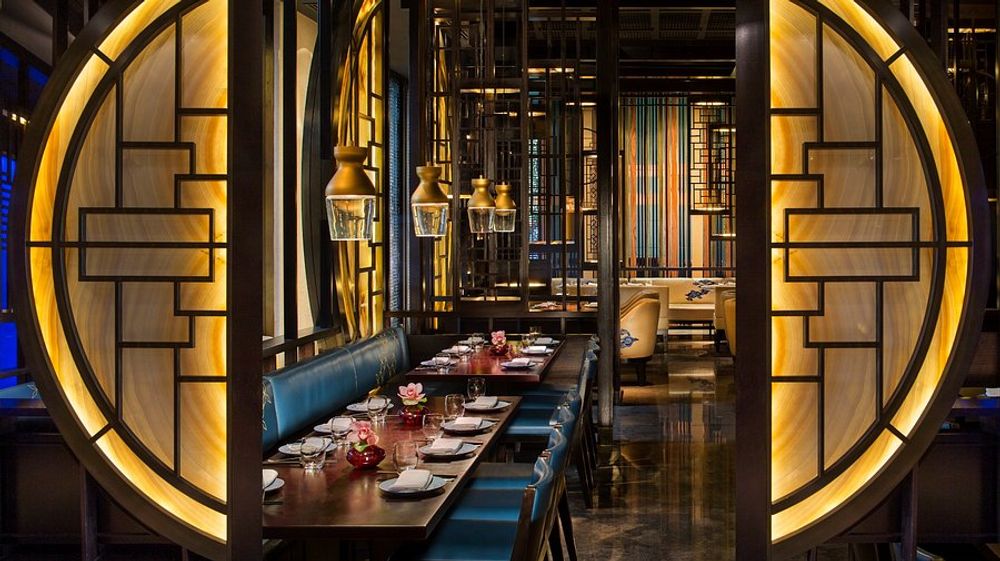
It was at Hakkasan in Abu Dhabi that gave Winnie Chen the first insight into what the demands on a top sommelier are
I learnt so much during my time as a young sommelier at Hakkasan Restaurant in the Emirates Palace Hotel, Abu Dhabi. It was my first role in fine dining, and I was completely new to wine—but luckily, I had the opportunity to learn from experienced mentors.
My real introduction came during a formal training session where we were able to learn about the Loire Valley, not just tasting techniques, but the history, culture, and storytelling behind each subregion. That moment changed everything for me. I realised wine wasn’t just about flavour; it was about connection.
What do you enjoy most about being a sommelier?
What I love most is the human connection. What truly fulfills me is helping guests discover something meaningful through a glass. Whether it’s introducing someone to Pinot Noir for the first time or guiding a family through a celebratory bottle, those moments of joy, surprise, and connection are priceless.
Even though I now spend less time on the floor due to leadership responsibilities, those intimate guest interactions remain the heart of why I do what I do. They remind me that a sommelier isn’t just about knowledge - it’s about sharing passion, building trust, and creating memorable experiences.
Why do you want to train to be a Master Sommelier?
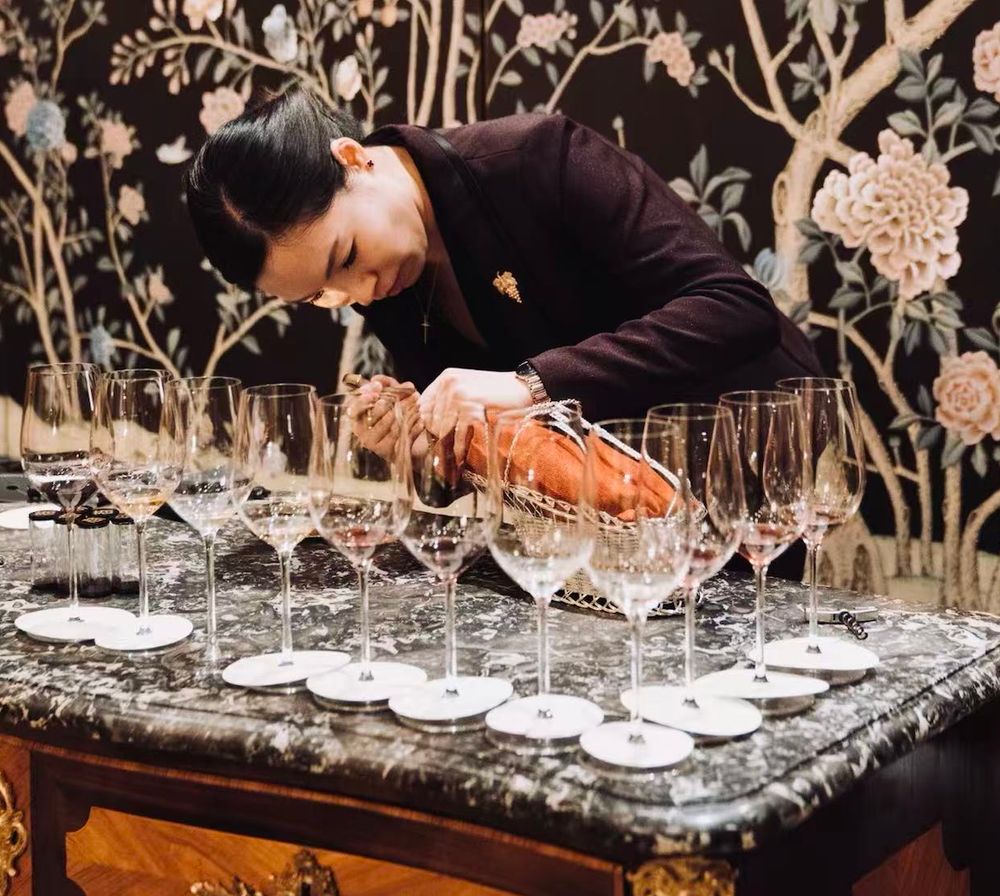
Winnie Chen is currently going through the exam to be a Master Sommelier
I’m constantly reminded of how vast and intricate the world of wine truly is. There’s always more to learn, new regions, obscure producers, evolving terroirs, and centuries-old traditions waiting to be discovered. Exploring wine feels like opening a book with endless chapters; every page reveals something new, fascinating, and deeply human.
Beyond the intellectual pursuit, the journey itself motivates me. I often compare it to playing video games as a child - specifically Super Mario. It was the game I played most, not because it was easy, but because I was determined to beat each level. Even today, I still haven’t mastered World 8-8 - but that challenge is what kept me coming back.
In many ways, the Master Sommelier examination represents that same kind of challenge: rigorous, demanding, and respected worldwide. It’s not just about passing a test. It’s about discipline, perseverance, and the willingness to grow through failure. Just like trying to beat an elusive level, the pursuit itself is what drives me forward.
I remember Ronan Sayburn MS once said to me: "Becoming a Master Sommelier isn’t just a goal. Those who’ve earned the title aren’t necessarily smarter than anyone else—but every single Master is undeniably determined. “
What is the process like in terms of the difficulty and the time and dedication you need to put into the programme?
It’s easy to feel overwhelmed. The volume of knowledge you need to master is immense - from geography, wine laws, vintages, producers, service, tasting. It’s relentless. And on top of that, I’m responsible for overseeing beverage operations across 33 outlets, plus two upcoming new openings. The workload is intense.
With all of this, self-discipline becomes essential. There’s no room for procrastination—only structure, sacrifice, and consistency.
My days typically start at 6:30 am with personal study before the workday begins at 9am. Administrative duties and operational responsibilities often run until 10 pm. And when we have wine dinners or events, I might not finish until 1am or 2 am.
Despite the exhaustion, I’ve learned to protect my study time like gold. Early mornings, stolen moments between meetings, weekends without rest—it all adds up. This journey isn’t just testing my wine knowledge; it’s testing my resilience, focus, and commitment. But I know that if I want to reach this level, there are no shortcut. Just daily discipline, one step at a time.
What have you enjoyed the most about the training and education side of training to become a MS?
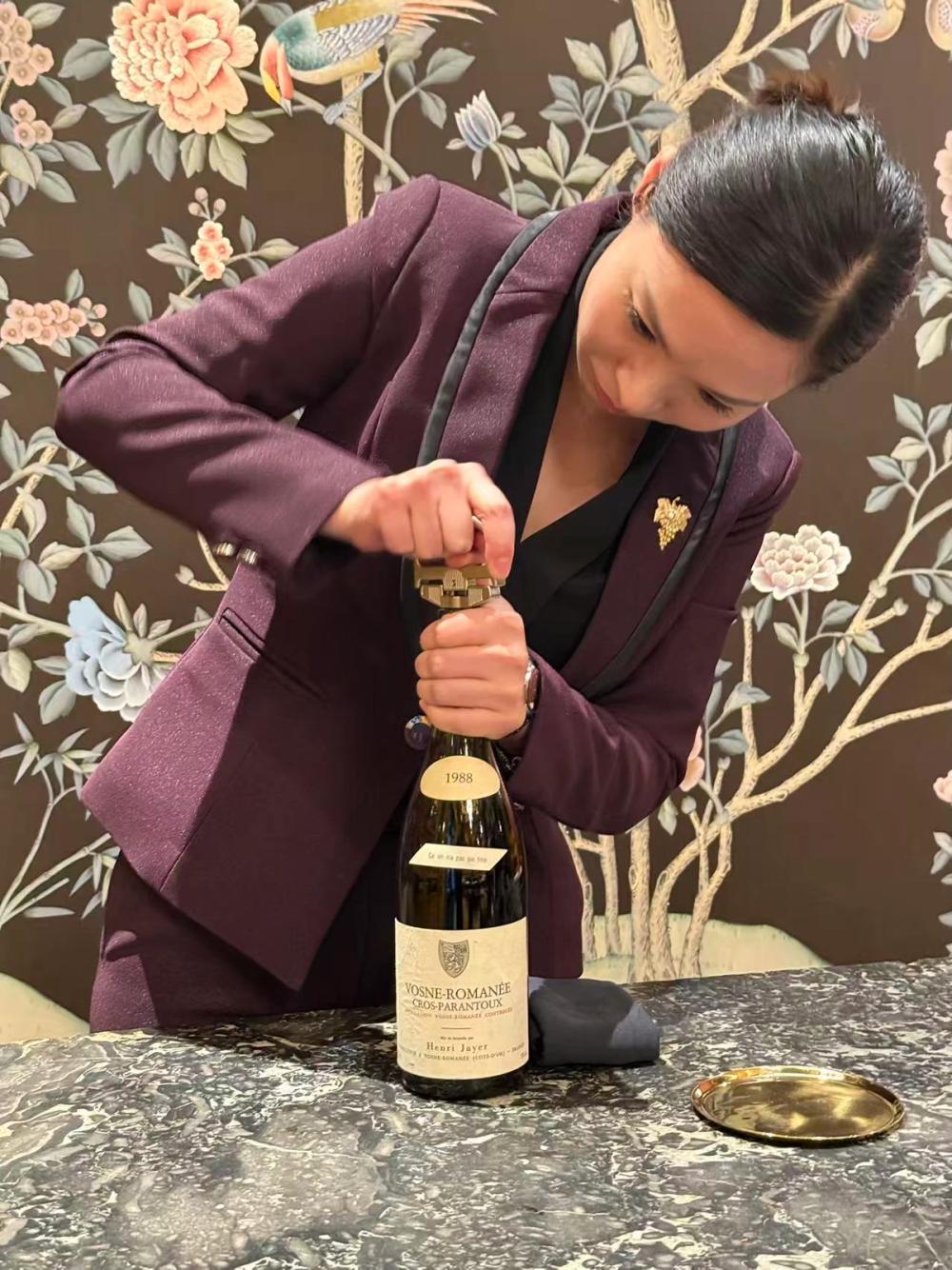
Being in charge of 33 venues does not leave a lot of time for study for Winnie Chen MS
Along the way, I’ve grown to appreciate the structure of daily study, not just for the knowledge, but for the mental strength it builds. It’s transformed not only my expertise but also my approach to challenges in all areas of life.
One piece of advice that stays with me came from Master Sommelier Pierre-Marie, who often reminds me: “Just enjoy it—especially the last week before you enter the examination room.”
At first, it sounded surprising, but I’ve learned he’s right. Amidst the pressure, there’s beauty in the process, joy in the pursuit. And now, I truly try to savour every step of this incredible journey.
What are you finding to be the most difficult and how are you managing to get over those difficulties?
To be honest, it’s not easy. The biggest challenge for me has been balancing an extremely demanding workload with the intense commitment required to prepare for the Master Sommelier exams. I oversee beverage operations across 33 outlets, with two new projects in the pipeline—so time is never on my side.
Because of that, I’ve had to learn to adapt constantly. Flexibility and resilience have become essential. I’ve accepted that progress isn’t always linear. Instead of waiting for the “perfect” moment to study, I take whatever moments I can - early mornings, late nights, weekends, even 15-minute gaps between meetings.
What advice would you give to other sommeliers who want to train to be a MS - what are the key things they need to consider?
Be realistic about your time and energy. This path is incredibly demanding. It requires years of discipline, countless hours of study, and deep personal sacrifice. But if you lose sight of what truly matters - your career, your health, your relationships, your family - the title won’t mean as much in the end.
Also, remember that mastery isn’t just about passing an exam; it’s about becoming a better professional, a better leader, and a better person along the way. Stay humble, stay curious, and respect the process.
What would it mean to you personally to become a MS?
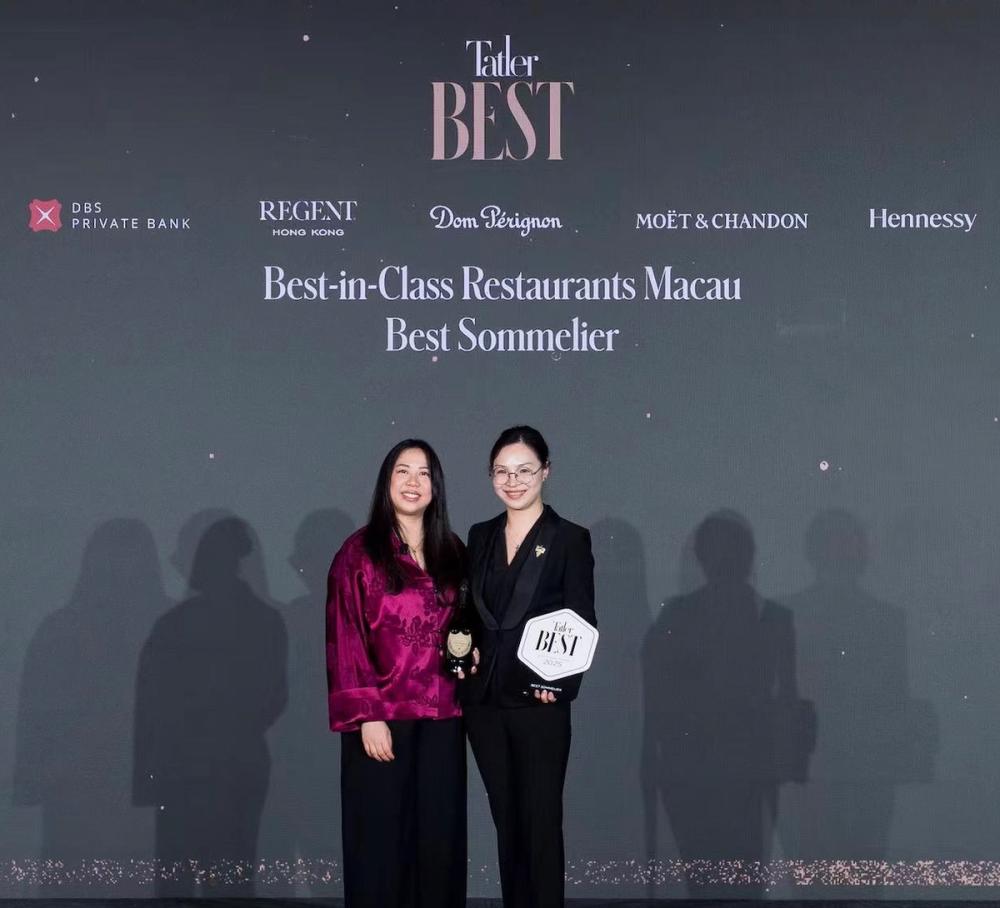
Winnie Chen has worked hard to reach the top of her profession
Frankly, it’s hard to put into words. Becoming a Master Sommelier is not just an achievement, it’s a transformation. It represents years of discipline, sacrifice, and relentless pursuit of excellence. But more than that, it’s a validation of belief: belief in myself, in my path, and in the idea that perseverance truly pays off. Ultimately, becoming a Master Sommelier isn’t the end of the journey.
Do you think it would help with your career and your job opportunities?
Professionally, yes. This title opens doors. It brings credibility, creates new opportunities, and gives me a stronger voice in the industry. It can lead to speaking engagements, consulting roles, and mentorship platforms that weren’t as accessible before. But what matters more to me is the responsibility that comes with it.
Now, I’m not just building my own career, I’m helping elevate the profession in our region, setting standards, and guiding the next generation.
Wine trends and tastes are different all over the world - working in Asia what trends are you seeing in your local market in terms of what people are looking to drink and what they are prepared to pay for?
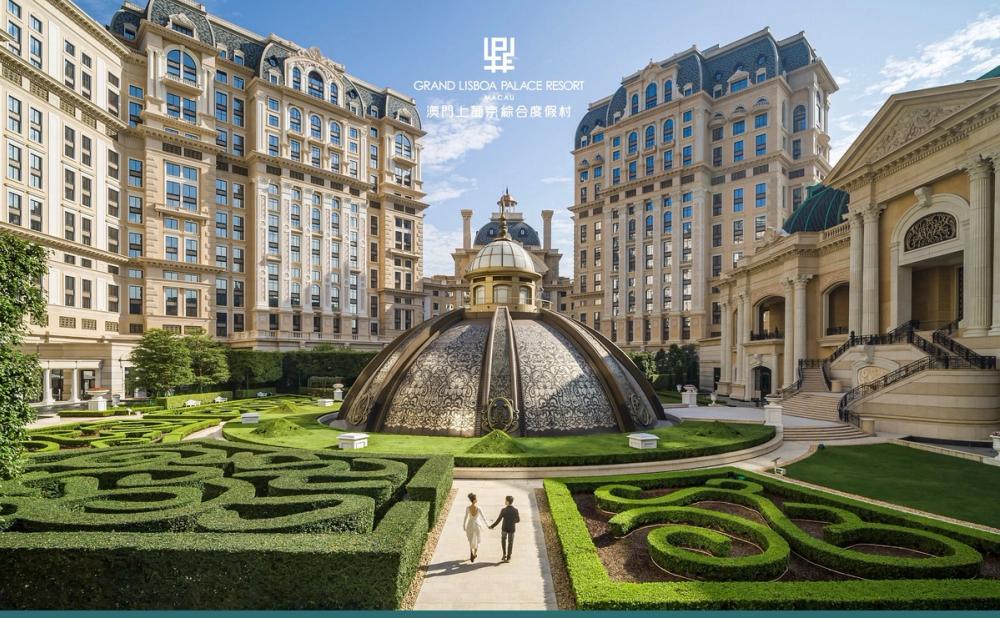
There are 33 different dining venues at the Grand Lisboa Palace Macau
The Macau wine market is deeply rooted in cultural symbolism, where red wine remains dominant due to its associations with luck, prosperity, and celebration. As a city built on luxury hospitality and gaming, wine plays a central role in fine dining, private banquets, and high-stakes gifting - especially during festive seasons like Chinese New Year.
Top Bordeaux and Burgundy wines continue to reign supreme as the benchmark of prestige, often chosen for their brand recognition and status appeal among VIP guests and collectors.
However, even within this tradition-driven environment, palates are evolving. There’s a clear shift away from heavily extracted, overly oaked styles toward more balanced, aromatic, and approachable wines that emphasise elegance and drinkability. While Burgundy remains the ultimate reference, well-crafted examples from New Zealand, Oregon, and cooler parts of Australia are becoming popular choices—offering quality and accessibility without compromising on style.
Curiosity beyond France is also growing. Italian icons are highly respected for their structure and longevity, often selected by connoisseurs looking for depth and aging potential. New World regions like Chile and Australia continue to offer excellent value, while Chinese domestic wines - particularly from Ningxia, Xinjiang, and Yunnan - are slowly entering the conversation, supported by national pride, and improving quality.
In terms of spending, we’ve observed a softening in overall purchasing power post-pandemic. While Macau remains a high-end destination, average spend in fine dining has become more restrained compared to pre-2020 levels. Guests are more discerning, seeking high value rather than just high price. For everyday drinking and casual settings, the sweet spot lies between 300-800 mop in retail and 800-2000mop in restaurants—where guests expect transparency, fair markups, and wines that overdeliver.
At our resort, we have over 17,000 labels. I see guests happily investing in rare vintages, cult producers, and super high-value wines—if there’s a compelling story behind them: a passionate family estate, organic farming, a unique terroir, or an emotional connection.
As wine culture is still developing in Asia and China what challenges have you faced personally and professionally in pursuing a career in wine and as a sommelier?
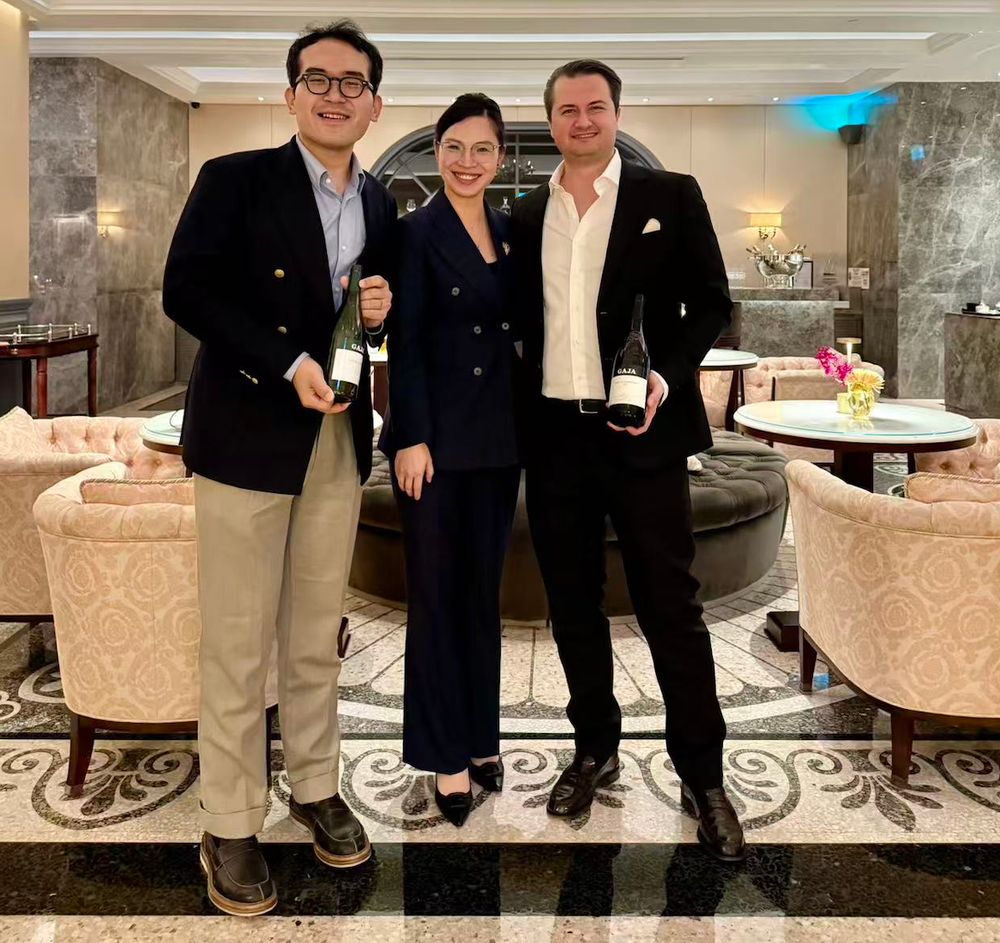
Winnie Chen's role means she is in constant contact with leading producers from all over the world looking to introduce her to their wines
One of the biggest challenges I’ve faced is the lack of recognition for the sommelier as a true profession. In many parts of Asia, including China, the role is often misunderstood as simply a “wine waiter” or someone who opens bottles at luxury banquets. The depth of knowledge, rigorous training, and expertise required are rarely acknowledged, making it difficult to gain respect both within the industry and from society at large.
During interviews with candidates from mainland China, I’ve often encountered a mindset focused on titles and status rather than growth. There’s sometimes an overconfidence- a sense of pride worn too visibly - whereas the Master Sommeliers I admire most carry themselves with deep humility. That contrast has been striking. Becoming an expert isn’t about claiming the title;
Working in Macau adds another layer of complexity. Good in Cantonese, Mandarin, and English is essential - not just for guest interaction, but for leadership across multicultural teams.
Yet, many talented Chinese-speaking sommeliers face language barriers when seeking opportunities in international hotel environments, limiting their career mobility. Additionally, the hospitality landscape in mainland China differs significantly from here.
Most sommeliers work in independent restaurants rather than large-scale integrated establishments.
Another ongoing challenge is retention. Because the profession is still emerging, many young professionals view sommelier as a temporary role rather than a lifelong vocation.
Despite these obstacles, I believe we’re reaching a turning point. More young professionals are taking ownership of their education, pursuing advanced certifications, and representing Asia on global stages. Recognition of Asian palates and expertise is growing. And if my journey can help open doors for others - if it shows that this career, though difficult, is worthy and respected.
How important is the quality of customer service working as a sommelier in China and Asia and is that an area you put a particular focus on?
In Asia, exceptional customer service is everything - it is often more important than technical wine knowledge. The foundation of our role is building trust, especially in cultures where guanxi (relationships) matter deeply. Guests may forget the wine, but they will never forget how you made them feel.
Service here goes beyond transactions - it’s about hospitality. We anticipate needs, read the table dynamics, respect hierarchy, and ensure every guest feels valued. Small details, likekeeping glasses filled, speak volumes.
We focus heavily on soft skills: active listening, reading the room, and leading with patience and respect. In Asia, the sommelier isn’t just a wine expert - we’re a trusted host. And that makes service the heart of the profession.
* If you want to find out more about the Court of Master Sommeliers and how to train to be a Master Sommelier click here.