Tell us about you got into wine and why you wanted to follow a career in wine?
I got into wine through hospitality, although it wasn’t part of my original plan. I had always wanted to become a chef and work in a Michelin-star restaurant, as I’ve always loved cooking. However, during Covid, everything changed. That period led me to discover wine, and what started as a necessity quickly became a passion. Looking back, I’m truly glad it did, as it shaped the career I am pursuing today.
What attracted you to being a sommelier?
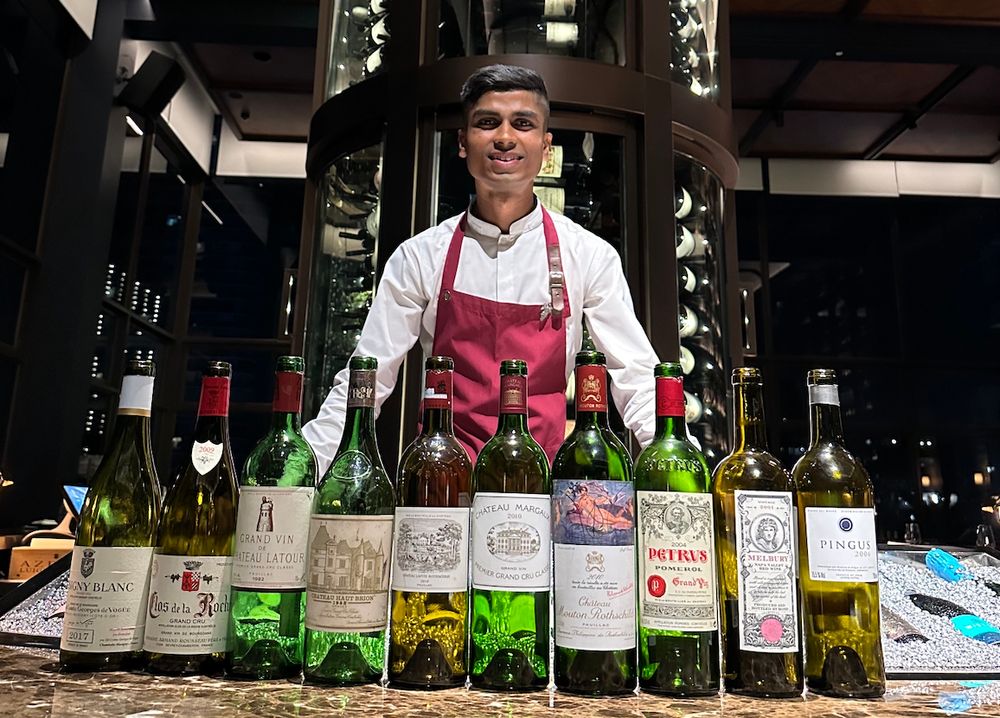
Shiva Chaurasiya says it his dream to go through the training to be a Master Sommelier
During my second year in hospitality, during the Covid period, I attended a webinar on how to be a sommelier led by sommeliers Magandeep Singh and Gagan Sharma. What truly fascinated me was the history of wine, its deep cultural significance, and the sense of place behind every bottle.
Learning how a simple grape is transformed into a complex, beautiful liquid - one that has been mentioned in ancient texts - sparked a deep curiosity in me. That experience strongly inspired me to pursue a career as a sommelier.
What do you enjoy most about being a sommelier?
What I enjoy most about being a sommelier is the opportunity to learn something new every day. Discovering new wines and then sharing them with guests, along with the history, unspoken stories, and philosophies behind each label, is incredibly rewarding. I especially enjoy elevating a guest’s experience by introducing wines that perfectly match the mood, the occasion, and the moments they share with their loved ones.
What do you find the most challenging and difficult and how do you get around that?
One of the most challenging aspects I faced early in my career was managing the vast variety of wines from around the world and selecting the right bottle for each guest. Every palate is different, and preferences can vary widely.
I found that asking the right questions to understand their taste helps me narrow down options effectively. Not only does this approach ensure a better guest experience, but it also creates an opportunity for me to learn and discover wines beyond my usual repertoire.
Why do you want to train to be a Master Sommelier?
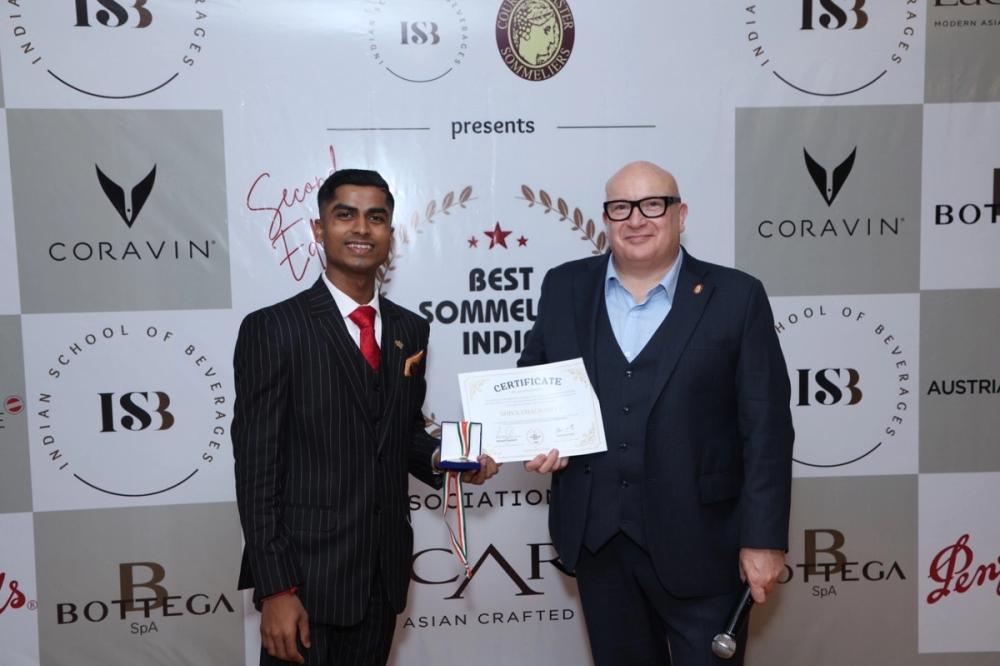
Shiva Chaurasiya says he has been inspired by the encouragement that the Court of Master Sommeliers' Ronan Sayburn MS has given him
have always been drawn to challenges, as I believe they are what shape a “coal into a diamond.” My decision to pursue the Master Sommelier path came after passing my Introductory Sommelier exam and receiving my certificate from Ronan Sayburn MS.
During our conversation, I felt inspired by him and saw him as a mentor. I want to follow in his footsteps and also make my first head sommelier, Roberto Duran, and my family - especially as a young boy from a vegetarian family in a suburb of Mumbai - proud.
I want to show that no matter where you come from, hard work, dedication, and a hunger for success can define what you become. Becoming a Master Sommelier would be the ultimate reward for the effort, sacrifices, and passion that brought me here.
What was the process like in terms of the difficulty and the time and dedication you need to put into the programme?
Preparing for a program like the Court of Master Sommeliers is extremely challenging and requires three key qualities: dedication, consistency, and sacrifice.
Dedication means committing fully to a goal that only you may truly see, even if others don’t understand it.
Consistency is crucial because there will be days after a long service when you want to relax, but you need to keep pushing yourself to study theory, tasting, and service skills.
Sacrifice is necessary because fully immersing yourself in every aspect of the exam often means giving up personal time.
My friend Michelle once told me: “Being a sommelier is not a sprint, but a marathon,” and that really resonates with me. These three qualities are the hardest part of the journey, but they are also the keys to success.
What advice would you give to other sommeliers who want to train to be a MS - what are the key things they need to consider?
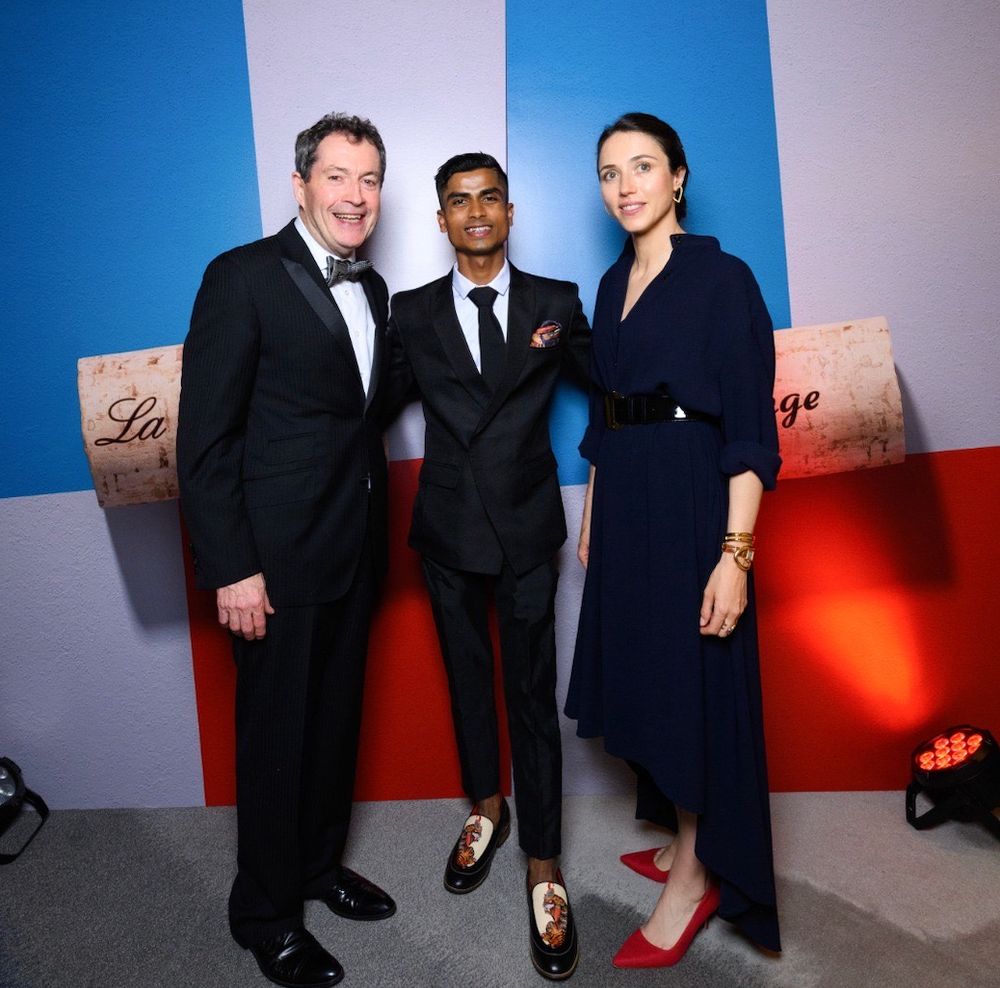
Shiva Chaurasiya with Penfolds' Peter Gago and Caroline Frey of La Chapelle in Burgundy at an event to celebrate the winemakers' joint Burgundy wine - Grange La Chapelle
My advice to sommeliers aspiring to become a Master Sommelier is to focus on building a strong foundation of knowledge - because knowledge is power. I still remember when I decided to pursue a career as a sommelier in Mumbai during Covid. I had almost no resources for wine tasting or service.
I spent all my time studying theory, and it wasn’t until three days before my Introductory Sommelier exam that I tasted my first wine. Yet, I scored 100% on the exam. That experience taught me that theory knowledge is fundamental, but it must be supported with consistent practice in blind tasting and service skills.
I would also emphasise dedication and consistency across all three areas. Always push yourself to improve. Tasting is an art that requires regular practice. Some days you will excel, some days you won’t, but the key is to focus on progress and learn from every experience.
Surround yourself with people who are more skilled and knowledgeable than you, because they will challenge you, guide you, and help you reach your goals.
Is the training helping with your career and your job opportunities?
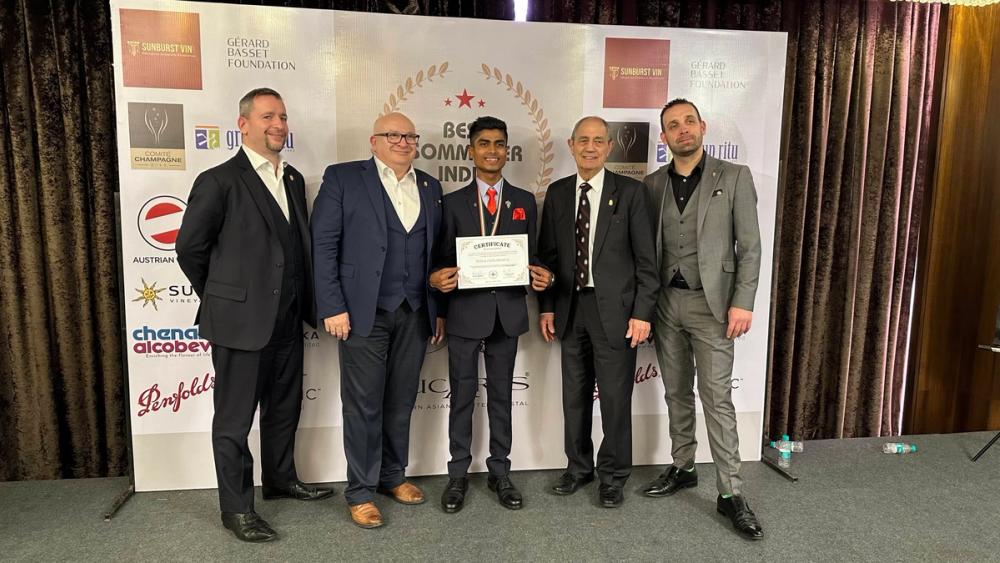
Shiva Chaurasiya was named Best Sommelier India in 2025
Yes, it definitely helps. Passing the Certified Sommelier exam with a high score and winning the Best Sommelier India 2025 are highly respected achievements in the industry. They not only help build your professional image but also reflect the knowledge and expertise you bring to the table.
Beyond career opportunities, these accomplishments have allowed me to meet so many amazing people in the wine world and learn from them, which I believe very valuable and i hope it future it opens more job opportunities for me.
What are your ambitions now as a sommelier and where you want to work?
My ambition as a sommelier is to one day pass the Master Sommelier exam and contribute to the growth of the wine scene in India by sharing my expertise and knowledge, and by helping build a strong foundation for future wine professionals.
In terms of where I want to work, I aspire to be part of fine dining and Michelin-star restaurants, as that has always been a goal of mine. I am also keen to gain experience in global wine markets like London and New York, as I believe exposure to these leading markets will help me become a more skilled and well-rounded sommelier.
What trends are you seeing in Singapore in terms of what people are looking to drink and what they are prepared to pay for?
In Asia, particularly in markets like Singapore, I’ve noticed that consumers are increasingly moving toward premium, quality-driven wines rather than focusing on volume. There is a growing demand for fresh, lighter, and food-friendly styles - particularly whites like Chablis, lightly oaked Burgundy, and Champagne - which pair well with the local climate and cuisine.
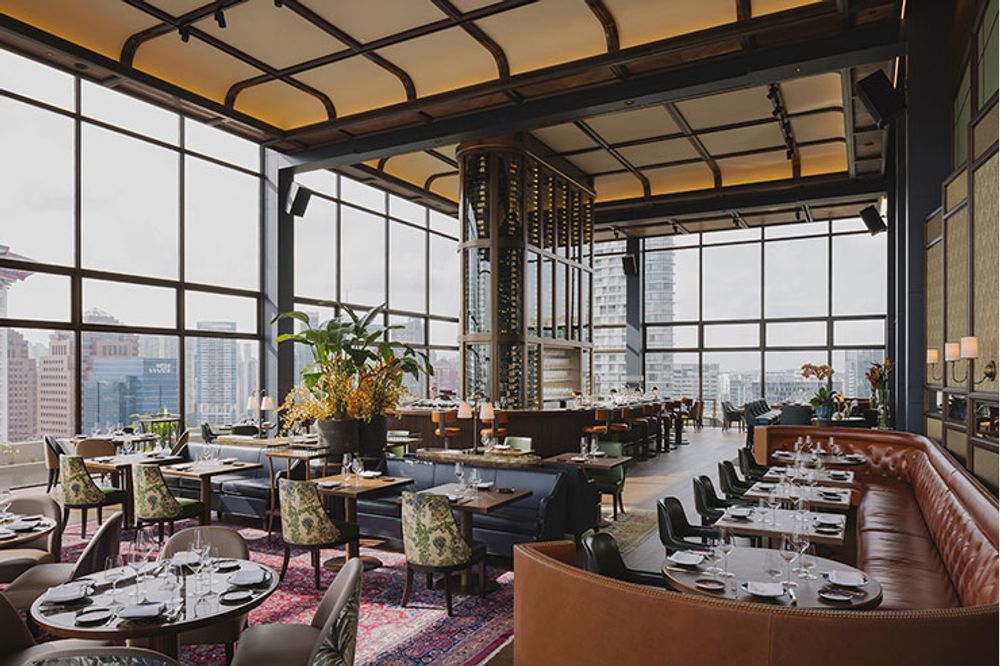
The impressive 67 Pall Mall that has become one of the centres for wine wine in Singapore and across Asia
Consumers are also willing to pay more for wines with a strong story, unique character, or from well-known producers. Classic regions like Bordeaux remain popular, but Burgundy, in particular, is seeing a surge in interest. At the same time, high quality New World wines are also gaining recognition, making Asia an exciting and diverse market for wine.
As wine culture is still developing in Asia what challenges have you faced personally and professionally in pursuing a career in wine and as a sommelier?
Personally and professionally, one of the biggest challenges in pursuing a career in wine in Asia has been building wine knowledge and culture in a market that is still developing. Many guests are new to wine, so the challenge lies in educating them without being intimidating. Language can also be a barrier, as English is not the first language for many Asian guests.
That said, it’s very rewarding to see more people becoming curious about wine, which creates opportunities to share knowledge and cultivate appreciation.
Professionally, access to consistent training, top quality wines, and diverse older vintages can be limited compared to Europe. This means you often have to be self-driven in your study and understanding of wines. However, these challenges have helped me become more adaptable, open to new ways of learning, and stronger in communication and guest relations - skills that are essential for a sommelier in Asia.
How important is the quality of customer service working as a sommelier in Asia?
Customer service is extremely important in Asia, especially in Singapore, where the clientele is diverse. Some guests are very knowledgeable about wine, while others are still building their confidence. As a sommelier, the role goes beyond technical knowledge; it’s about understanding the guest, listening carefully, and guiding them without pressure or judgment.
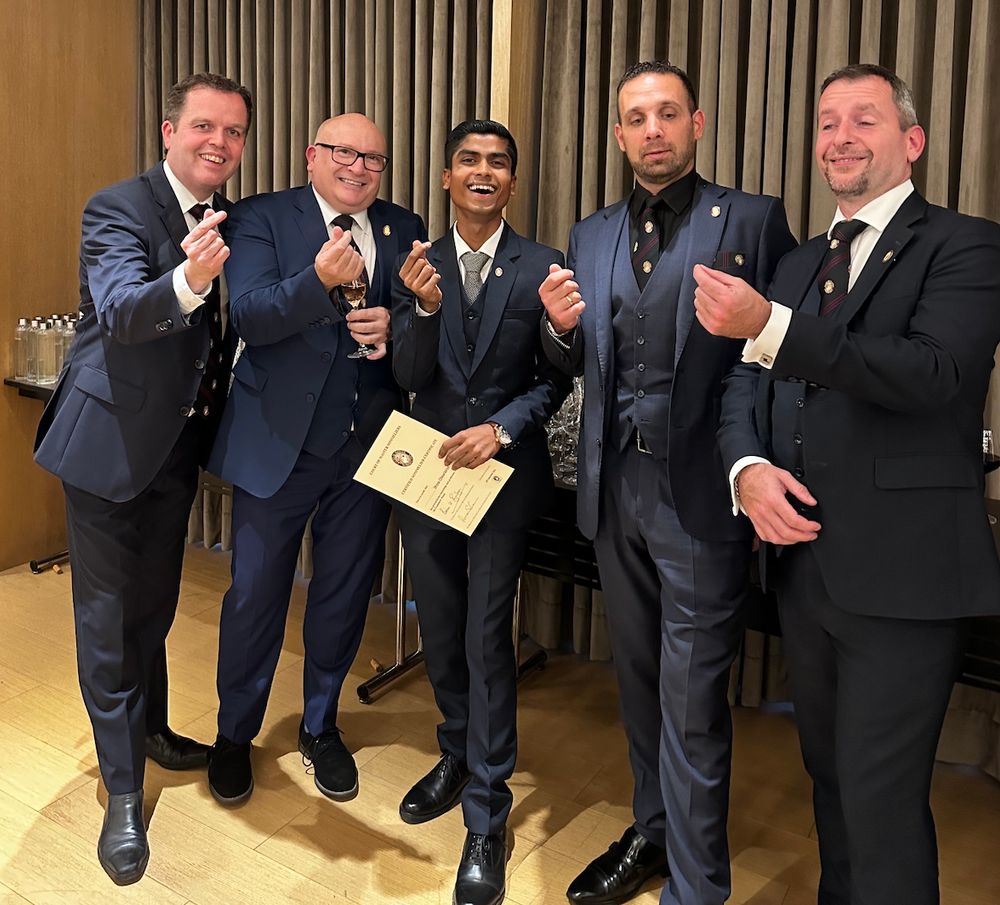
Shiva Chaurasiya has embraced the opportunities training to be a Master Sommelier - and receiving his Certified Sommelier Certificate from leading Master Sommeliers - has brought him
I place strong emphasis on service and connecting with guests by adapting my language, reading cultural cues, and making wine approachable. I believe that creating a positive, trust-based experience often matters more than simply showcasing expertise, and it is key to building long-term relationships and guest satisfaction.
Have you had to adapt your service style to cater for different cultures with different service expectations?
Yes, absolutely. Working in Singapore means serving guests from a wide range of cultures, each with different service expectations. I’ve learned to adapt my style by being observant and flexible to each guest’s preferences. Some appreciate detailed explanations and guidance, while others prefer speed and minimal interaction.
Cultural sensitivity, body language, tone, and even how options are presented all play a role. By tailoring my service approach, I ensure guests feel comfortable, respected, and confident, which builds trust and enhances their overall dining experience.
* You can find out more about how to train to be a Master Sommelier and details of the other sommelier courses at the Court of Master Sommelier website.