Tell us about your background and how you got into wine.
I was born in Île de la Réunion/Réunion Island and I’m also half from Mauritius. I'm 39 years old. I discovered the world of restaurants and hospitality at the age of 15, and right from the start, I was absolutely fascinated by drinks and flavours in general.
Then, at 18, when I specialised in sommellerie in France, I had the chance to meet a sommelier who was incredibly captivating for his clients. He was very humble, fascinating, and I thought, ‘Wow, I want to be like him.’
I didn’t want people to be interested in me for myself, but I wanted to be someone who could create that same kind of passion around wine.
What has been your wine career up to now?
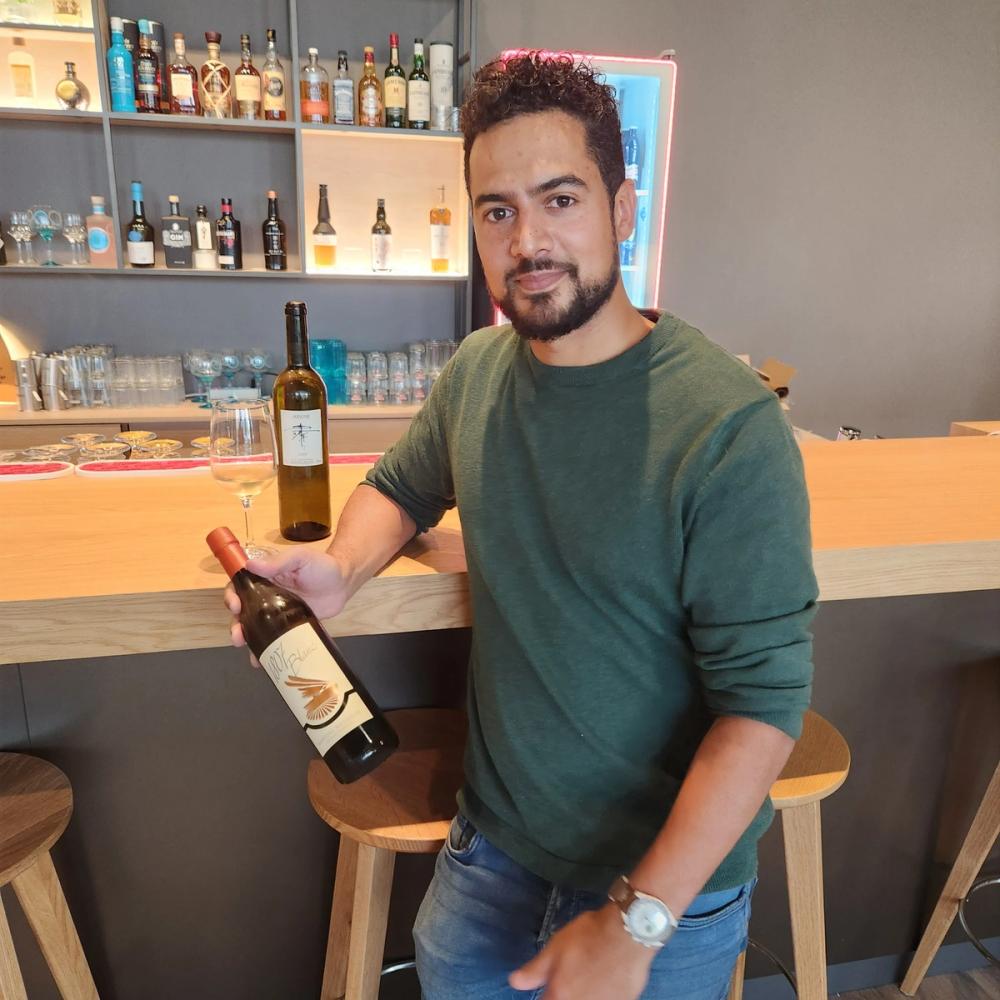
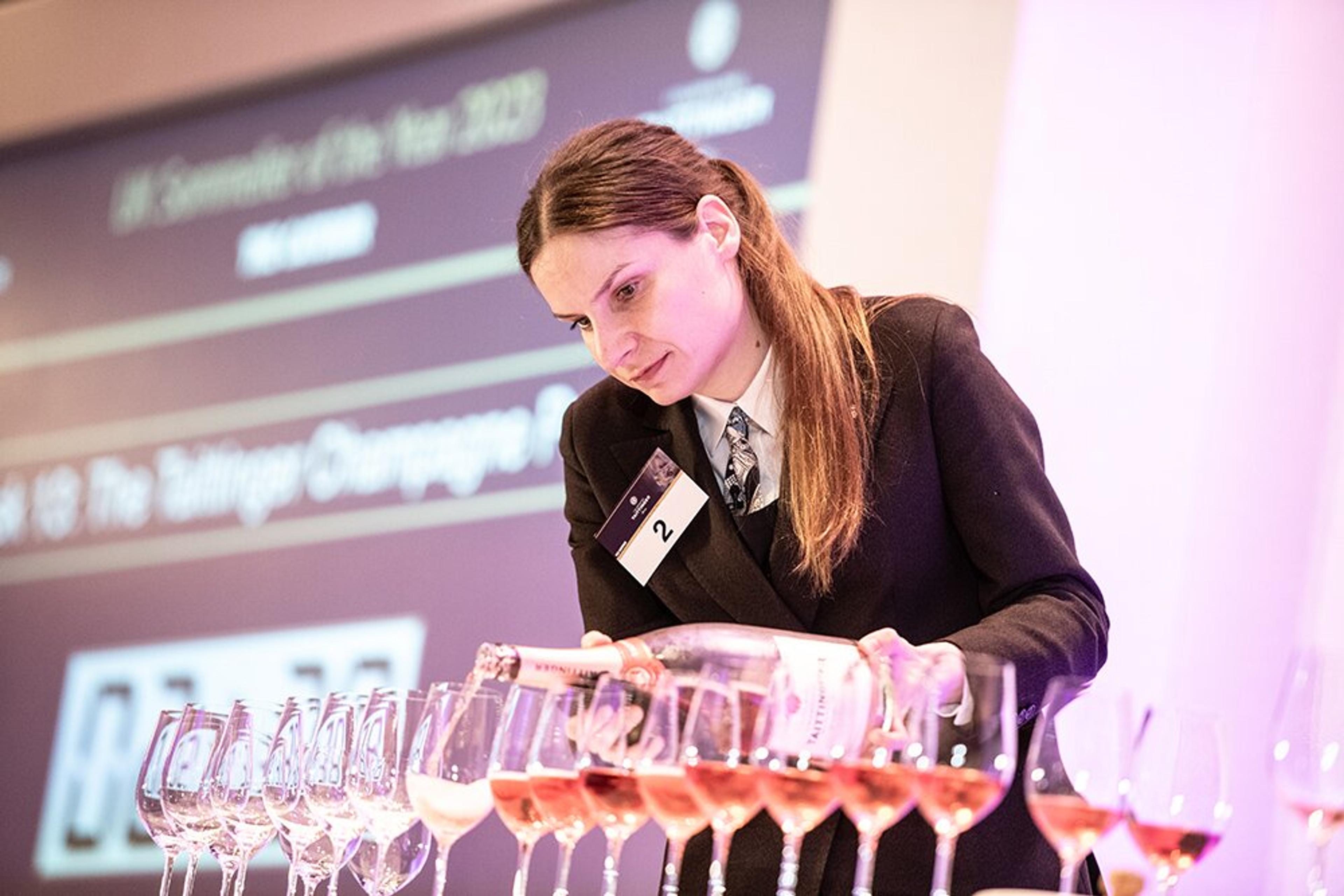
Réza Nahaboo says it takes an enormous amount of personal sacrifice to reach the levels needed to become a Master Sommelier
I started at the age of 15 through an apprenticeship, and then I completed a one-year specialisation in sommellerie, also through apprenticeship.
I arrived in Switzerland at 19 and became a head sommelier in one star Michelin restaurant and a year later I was an assistant head sommelier at a three star Michelin restaurant.
After that, I decided to resume my studies, and I worked in various types of dining establishments—brasseries, bistros, one-star, two-star restaurants, and wine bars—gaining a wide range of experience.
At the same time, I took part in many competitions. My first competition was during my apprenticeship, where I won the title of Best Student Sommelier of France for the Loire Valley wines.
Later, I competed several times for the title of Best Sommelier of Switzerland and always reached the final, eventually winning it in 2016.
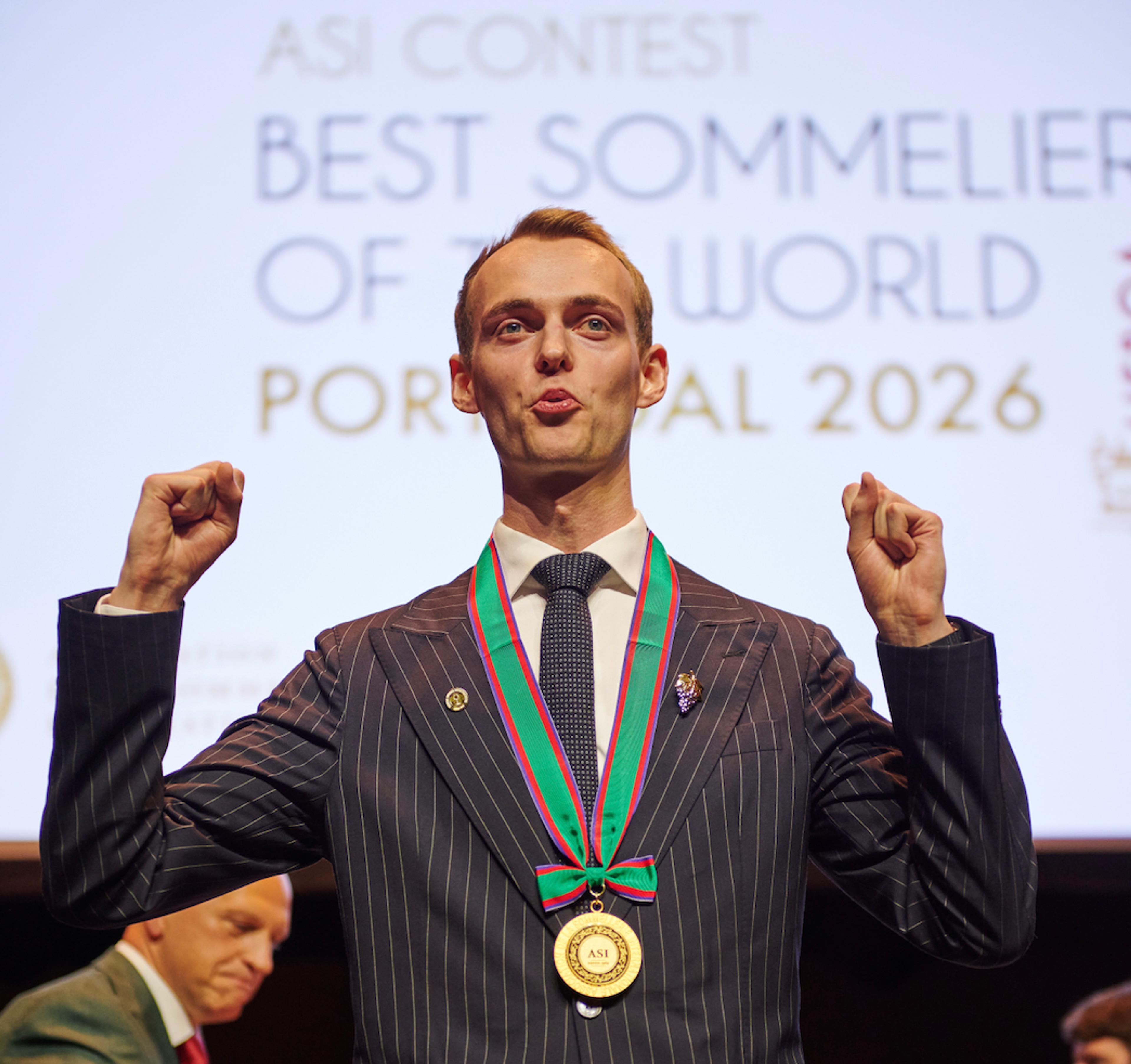
I also reached both the semi-final for Best Sommelier of Europe and Africa (10th) and Best Sommelier in the World ASI (12th).
I was involved in the opening of the Royal Savoy in Lausanne, where we were recognised for having the best wine list in Switzerland.
I then had the privilege of teaching at the Glion Hotel School and working alongside Paolo Basso, the World’s Best Sommelier, which was an incredible honour.
When my children were born, I worked in the wine trade for about four years with a wonderful family business, which was extremely enriching because I got to see the other side of the wine world—the business side.
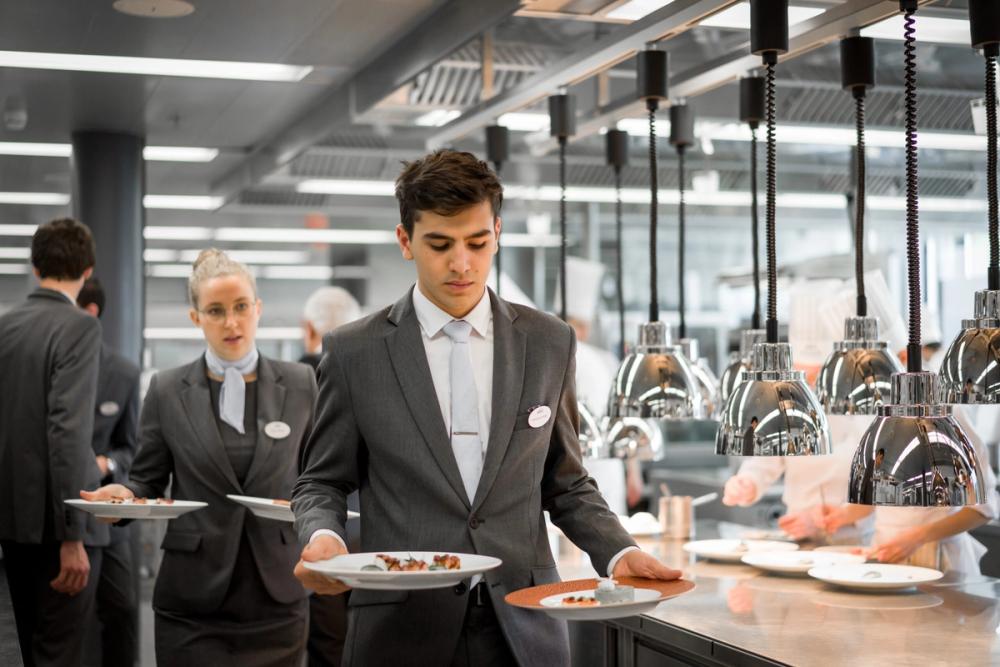
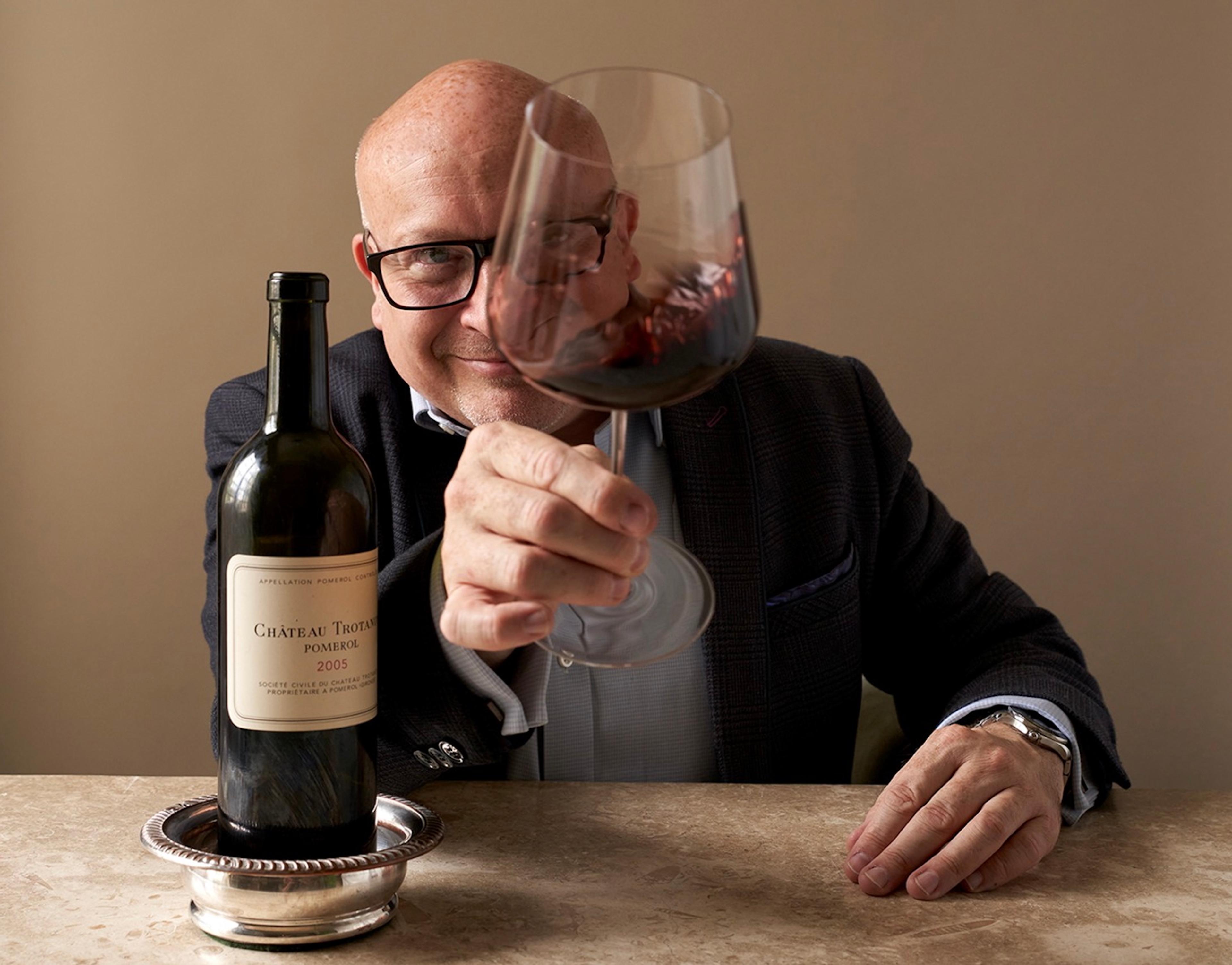
Réza Nahaboo is now sharing his wine knowledge as a lecturer and head sommelier at École Hôtelière de Lausanne
And now, I’m at the École Hôtelière de Lausanne as a practical arts lecturer and head sommelier. This is the world’s only Michelin-starred educational restaurant and the top hospitality school in the world.
What is the key to training to be a top sommelier?
The real training is ongoing. It’s daily practice, constant curiosity, endless tasting and re-tasting, asking questions of different sommeliers, working closely with chefs, visiting vineyards, and reading extensively.
It’s a lifelong learning journey. And recently, the Master Sommelier program has also been a major investment and a true source of specialised knowledge.
Congratulations on becoming a Master Sommelier - why did you want to take the next step and train to be a Master Sommelier?
Thank you. What made me want to continue is something that’s deeply intimate and personal. It’s a title and a milestone I wanted to overcome for myself, given my rather unique life experience. I really wanted to prove something to myself.
Throughout my life I have had this quest to exist through achieving a grand title, not necessarily to shine in society, not necessarily for my ego, but just because I had this need and this desire to reach one of the ultimate titles in my profession.
It was truly a dream I wanted to accomplish.
How did you find the study and training involved?
It’s helpful and enriching because it helps us progress, sort of like climbing a ladder. The content is perfect for anyone who wants to gain expertise, question themselves, and really move up in terms of knowledge.
Now, between each level, it’s not always just a step—it can feel more like a mountain to climb. And that final step is more like Everest, so the steps are uneven, but that’s what makes this title both beautiful and challenging.
What have been the most challenging aspects of being a Master Sommelier?
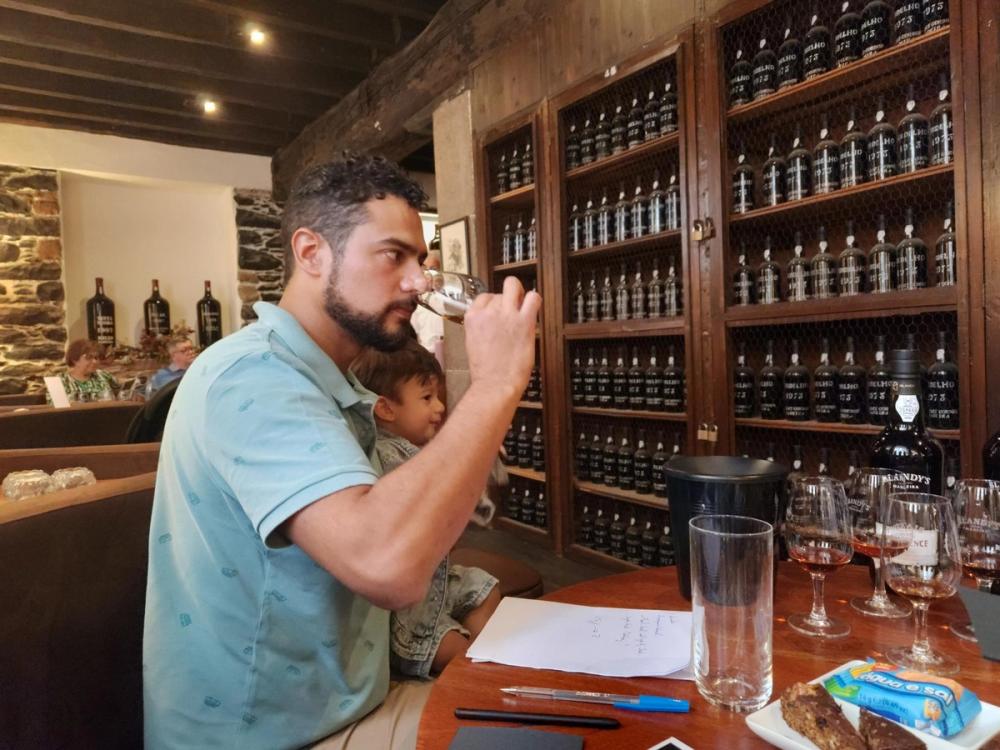
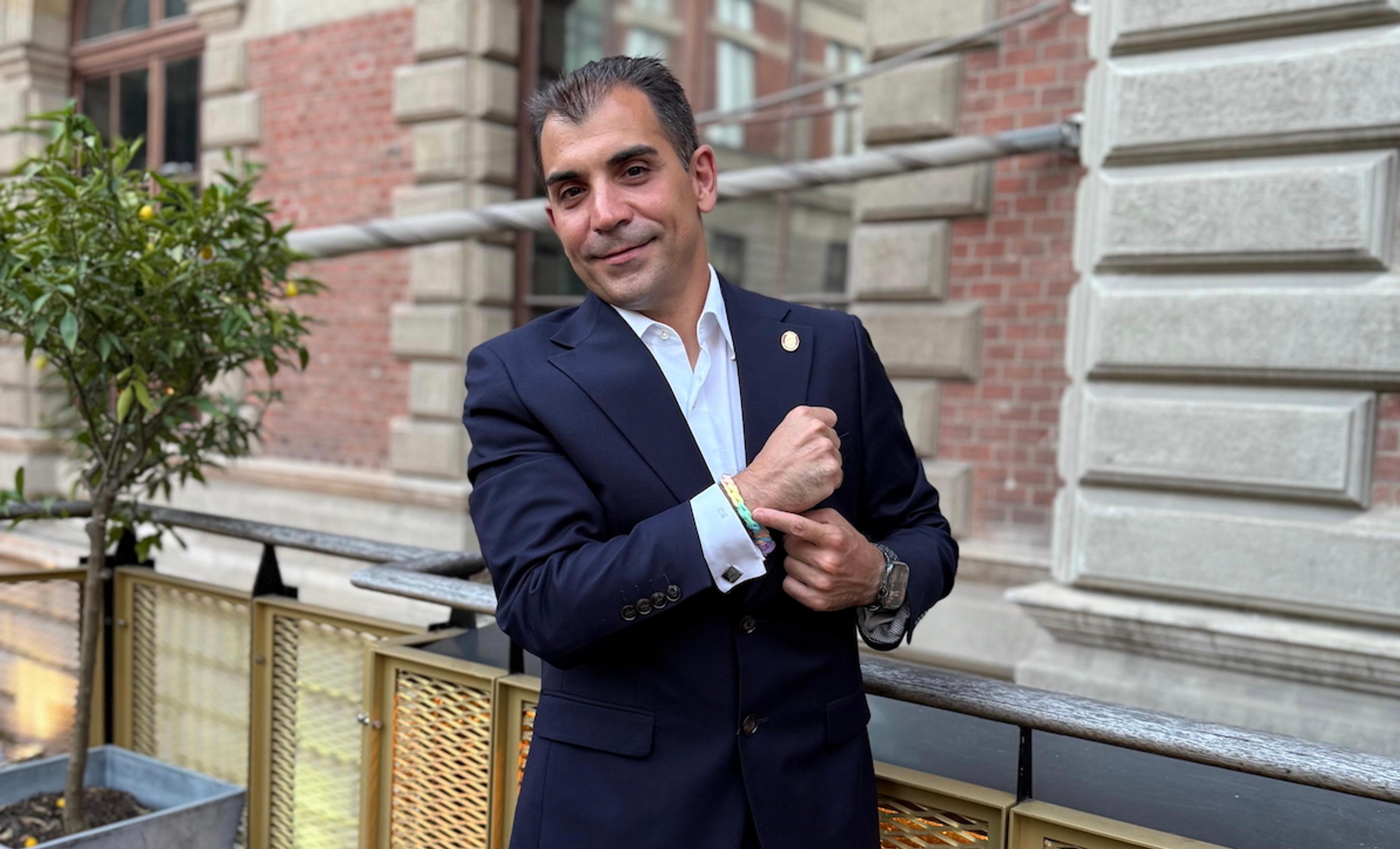
Réza Nahaboo does not sugar coat the effort and dedication needed to be a Master Sommelier including taking time away from your family and children
One of the most challenging aspects of becoming a Master Sommelier was really patience, because you only have one chance per year. And it costs an enormous amount—in terms of finances, in terms of time taken away from my children, from my wife, who’s not in the wine world and sees me constantly doing these exams or spending nights without her.
And it’s costly. I have two young children, so the time that should be spent with them, for their education, for those simple moments that will never come back, weighs heavily in the balance. And financially as well, buying a huge amount of wine when you have a family budget—that was all very challenging.
What is the most rewarding aspect of the training and now that you are a Master Sommelier?
When you see all that accumulation of effort come to fruition, it’s an indescribable joy. But it’s really the fact of pushing yourself that is the most striking and unforgettable part. The fact that you, deep down, know what you’ve done to surpass yourself, all the questioning, all the self-reflection, all the lessons you’ve learned.
The good ones, the bad ones, the failures. When you try to climb those steps I mentioned earlier, when you slip on a few steps, and then eventually go even further - that is what is truly rewarding.
It’s the whole journey.
What advice would you give to other MS students about what they need to succeed?
The advice I would give to future MS candidates, (so for some who already achieved the Advanced level) if you really want to become an MS, is to be aware of how much it will cost you dearly on a personal level.
Instead of enjoying your private life, you’ll have to tell yourself that to progress, you really need to invest in it. For example, when you’re tired, you must tell yourself to keep working. If your normal life ends at 1:30am, you still have to find the energy, the scheduling, and the time management to work even more.
You will always need to find ways to taste, even if it’s just imagining the wine.
It will cost you a lot on a personal level to truly reach that level and those small details that will make the difference. You need to be aware of that.
How do you hope becoming an MS will help in your career?
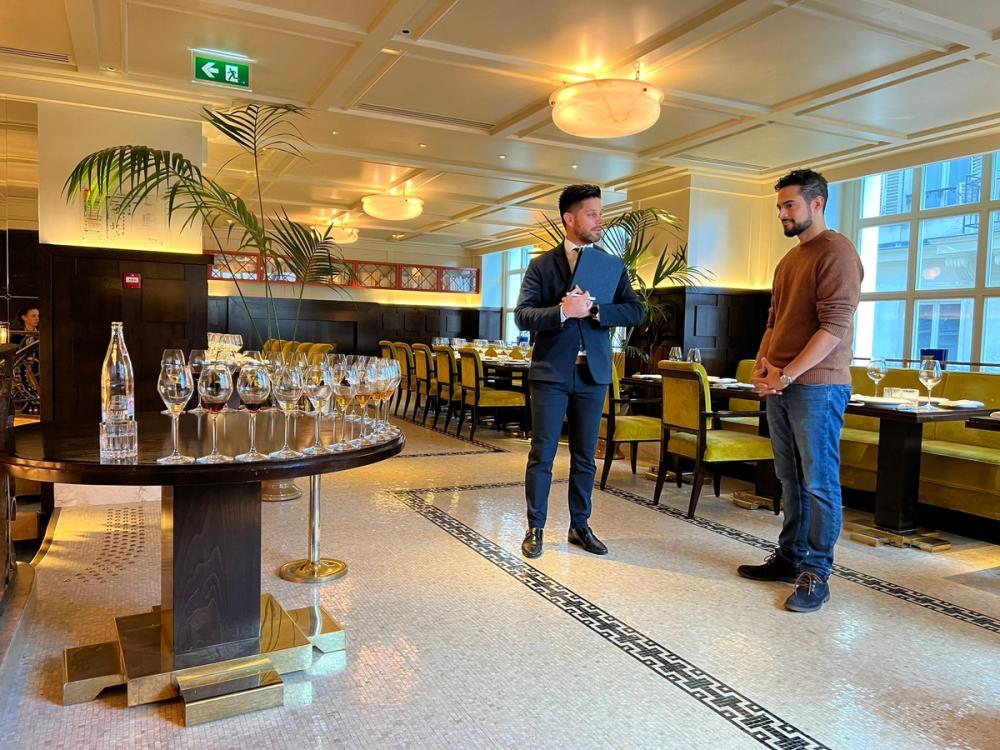
Réza Nahaboo training in Paris with Manu Rosier
I have already had requests and offers so the MS title has had an immediate effect, which is quite incredible. In my day-to-day work, I have gained extra consideration from my colleagues. I was already world number 12, but now I can see that I am viewed differently, and there’s a sense of joy, recognition, and pride that comes with that.
It also adds even more credibility to my expertise both inside and outside of my field of employment. Hopefully this will lead to future opportunities, and it means I will always have work at a very high level around the world - that’s a huge privilege.
Who has been the most important person in your career in helping you achieve this success?
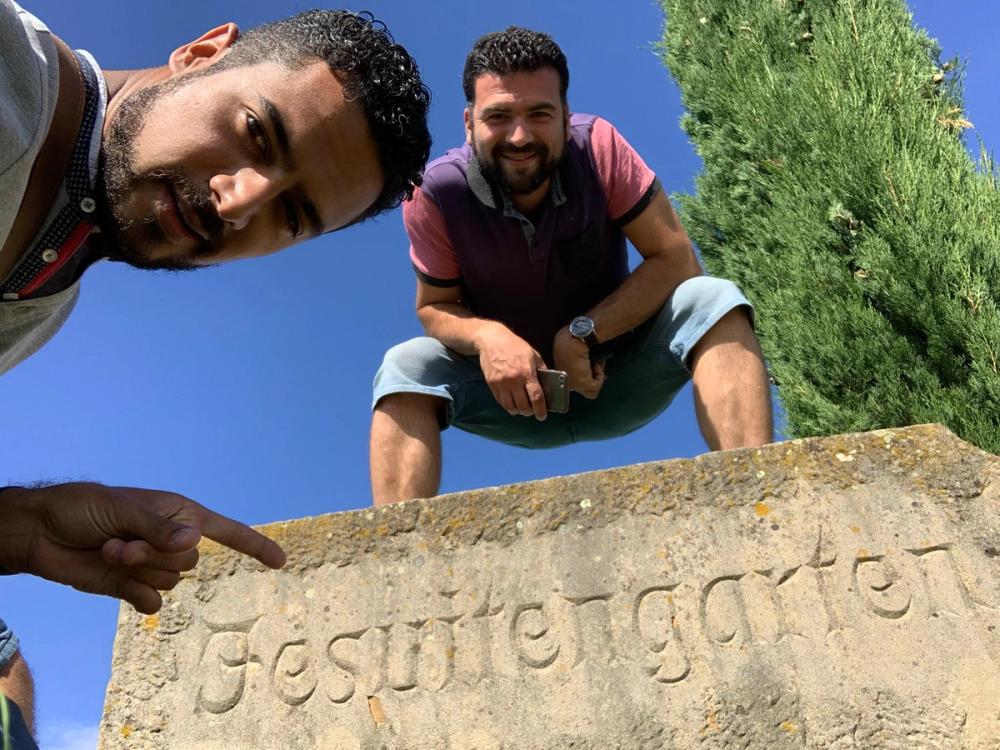
Réza Nahaboo with Fabien Mène MS on a study trip to Germany
There are so many people, because each encounter, every person who gave me a bit of their time that helped me go a little further and see this journey through to the end. There are so many of them.
But in particular I should mention the small working group, a group of colleagues and friends who most have now ended up becoming Master Sommeliers which is just incredible.
I think of my comrade-in-arms, Fabien Mène, with whom I worked very closely and who has also become a MS.
I had the privilege of knowing Paolo Basso before he became the World’s Best Sommelier. When I was still a junior sommelier in Switzerland, he dedicated some of his time to me. For me, he remains one of the true giants of our profession.
One of the first head sommeliers to guide me on this path and support me was Bertrand Lutaud.
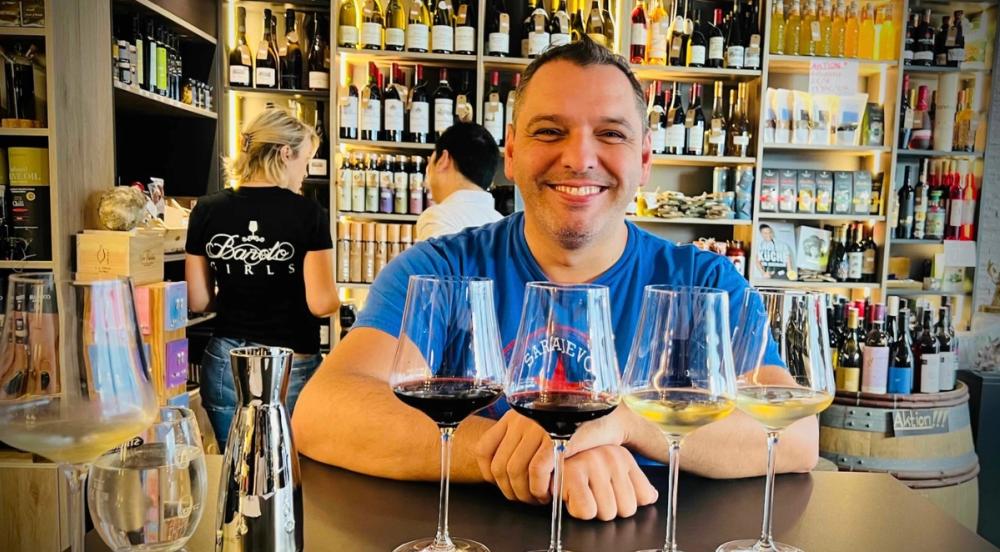
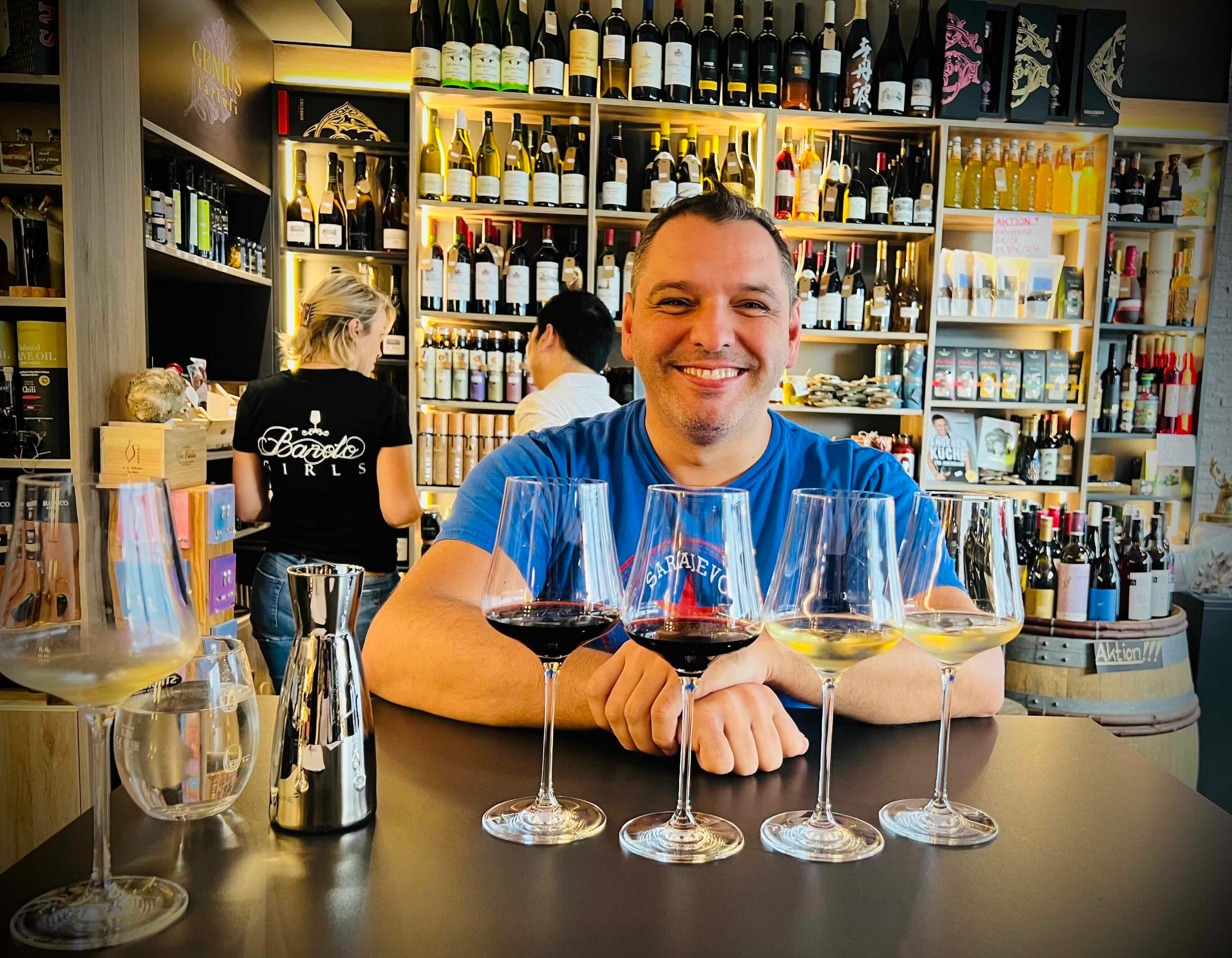
Suvad Zlatic has become a close friend as they both successfully trained to be a Master Sommelier
More recently, I think of Suwi Zlatic, whom I met during a European competition in Cyprus. Since then, we have never stopped helping each other. He would send me little bottles to train for the tasting. And he also became an MS the same day as me.
Also, the feedback, highly relevant advice, and kindness of many Master Sommeliers has helped me tremendously throughout the process.
During the final stretch of my preparation, I even worked with a psychologist following the advice of several Master Sommeliers in order to better manage stress and know how to perform at my best.
Their experience, support, and confidence were invaluable.
There are so many others I could mention, and I think no one can do it alone.
Anything else to say ?
Yes, I would say to young sommeliers that they should not forget that it’s not mandatory to go to a restaurant, and when someone does go to your restaurant the most fundamental thing is they come to enjoy themselves.
They come to eat well, to be well received, and it’s very important not to forget that. It’s not just about always being in an executive mindset, but also about empathy and emotion. We’re in a profession where we simply aim to bring pleasure to others.
We don’t always have to showcase our knowledge or think that the guest is there for us; it’s about accompanying them through a moment in their life.
I think that’s one of the greatest beauties of this profession - to create a little cocoon for your guests to enjoy.
So, please we should stay humble.
* If you want to know more about how to be a Master Sommelier and other sommelier courses go to the Court of Master Sommeliers website here.