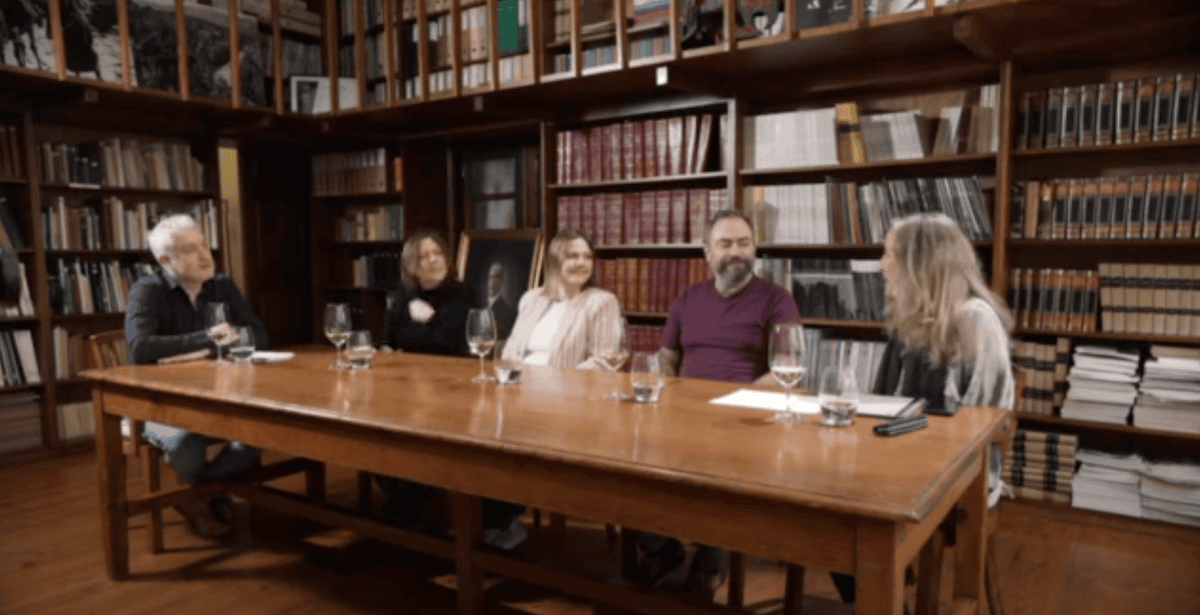
To start, could you talk us through your career journey and how you came to your current role at Petrus?
My path into wine wasn’t linear, I started on the restaurant floor, and it was really that exposure to service that sparked everything. I became fascinated by how much wine could shape a guest’s experience, not just complement the food.
From there, I pursued formal study alongside practical experience, and over time I moved into more demanding environments, particularly Michelin-starred restaurants, where the expectations around precision, knowledge, and service are uncompromising.
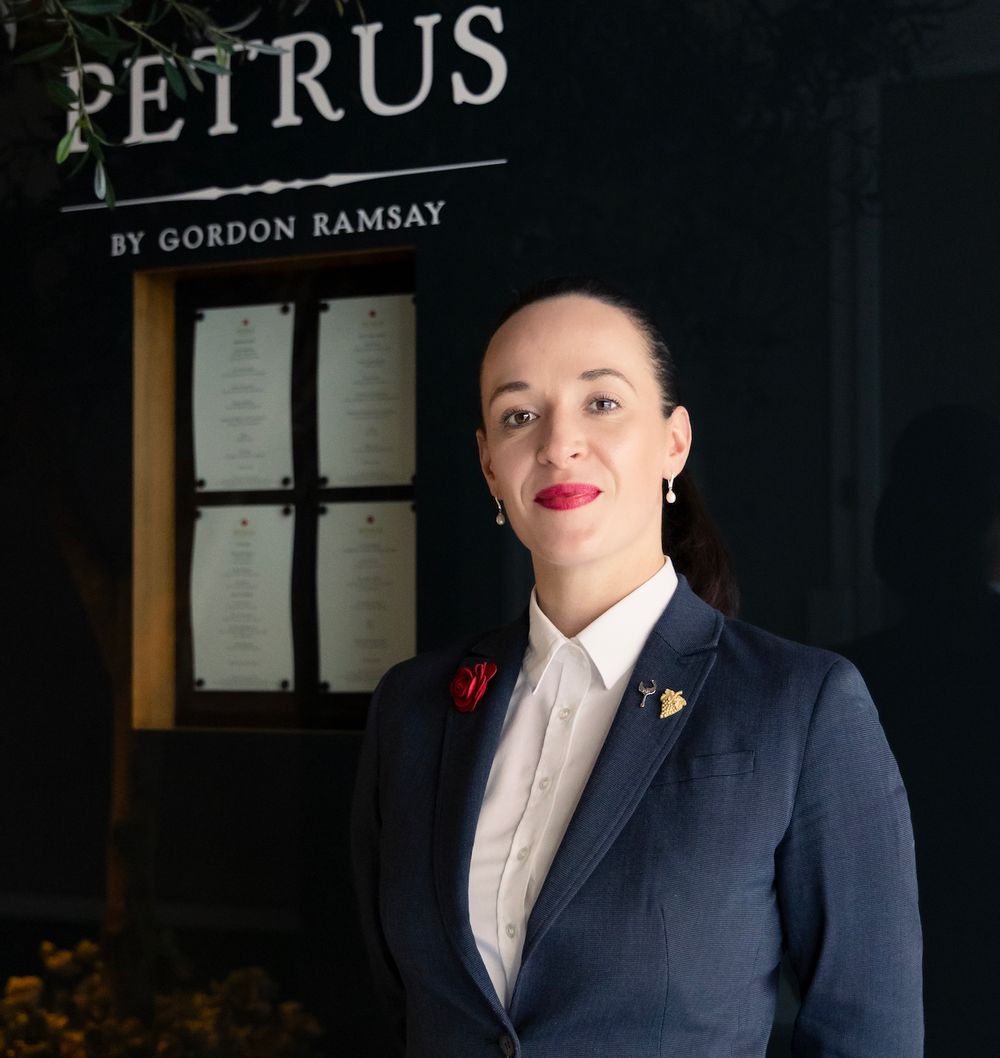
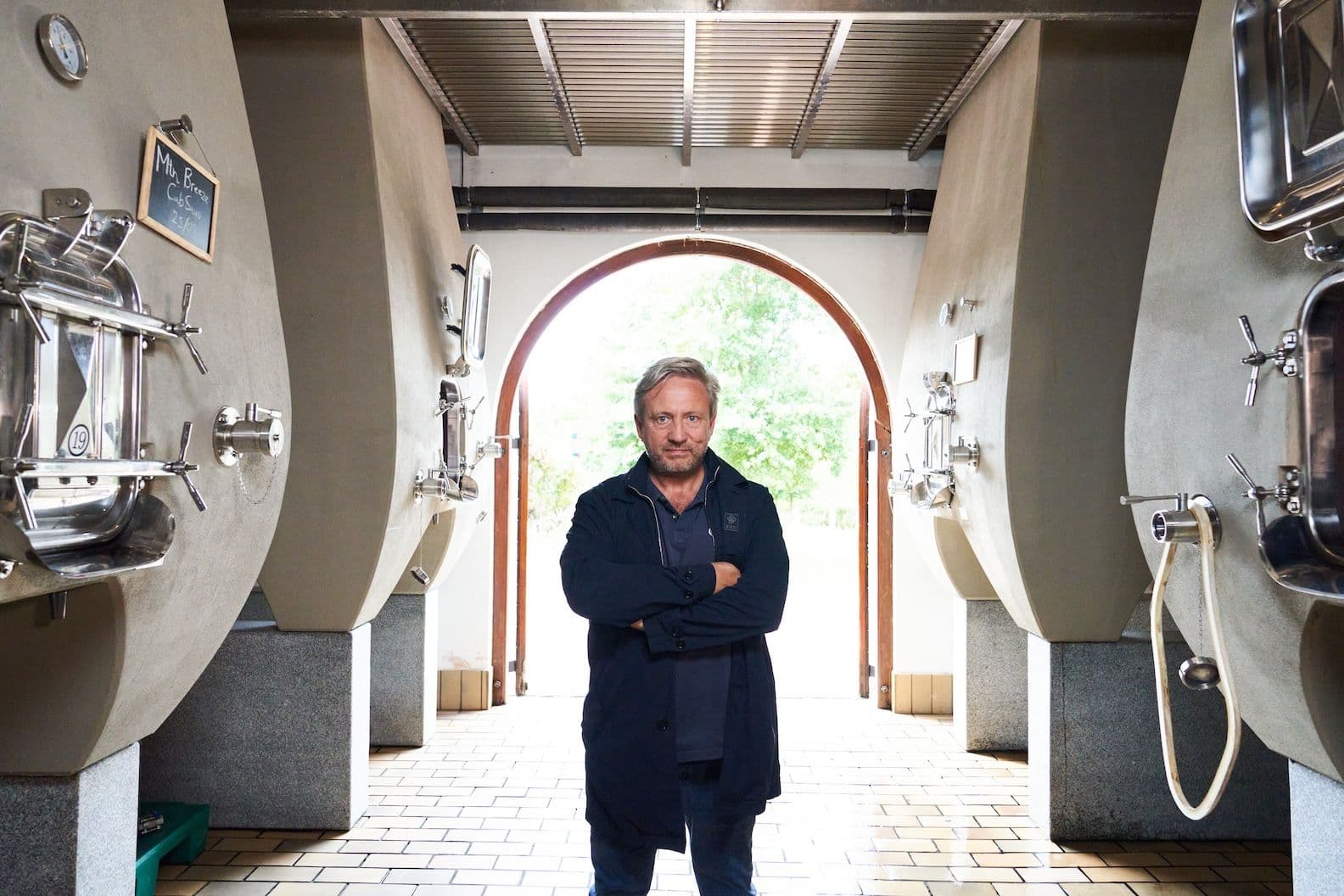
Milea de Waele says true partnerships a sommelier can trust and rely on with their wine suppliers is even more important than ever
Those environments really refined my palate, but more importantly, my approach to hospitality. Joining Pétrus felt like a natural progression because wine sits right at the heart of what the restaurant does.
What have been the key moments or experiences that shaped you as a head sommelier?
There have been a few key moments that shaped me along the way. Early on, making mistakes in high-pressure situations was probably the most valuable learning curve - you develop resilience very quickly.
Later, being involved in building and reshaping wine lists gave me a much clearer understanding of the balance between creativity and commercial reality. And developing relationships with producers has been hugely influential as well; it adds depth and authenticity to how you present wines to guests.
What advice would you give to sommeliers looking to progress their careers and build a stronger presence within the trade today?
For sommeliers coming through now, I think the role has evolved quite a bit. Technical knowledge is still essential, but it’s no longer enough on its own. You need to understand the commercial side - margins, stock, how guests make decisions, and you need to be able to communicate in a way that makes wine engaging rather than intimidating.
Visibility also matters more than it used to, whether that’s through competitions, events, or building a presence in the industry.
What do you see as the biggest challenges facing sommeliers at the moment, particularly at the top end of the market?
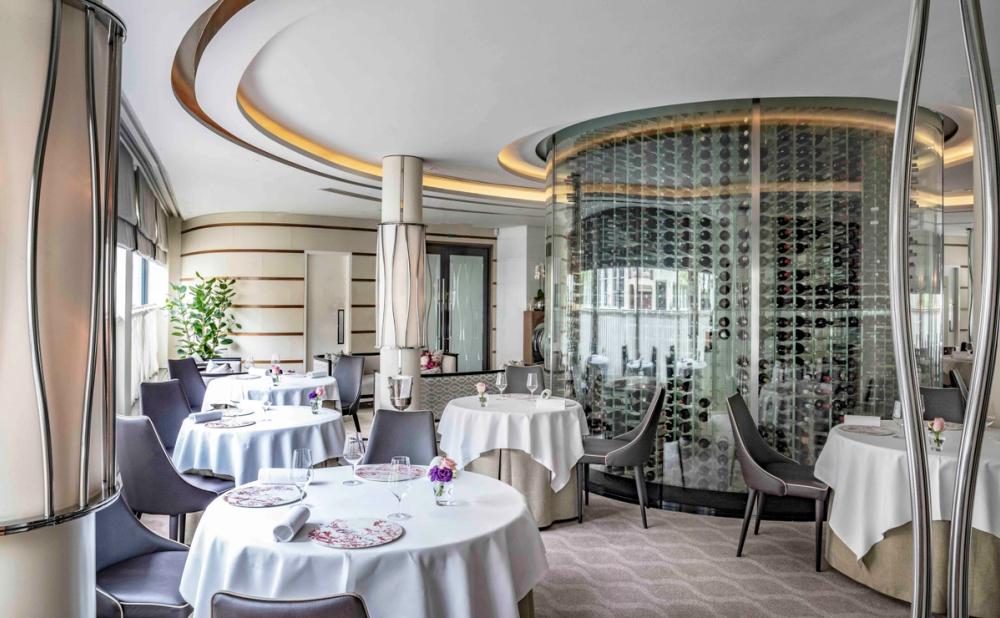
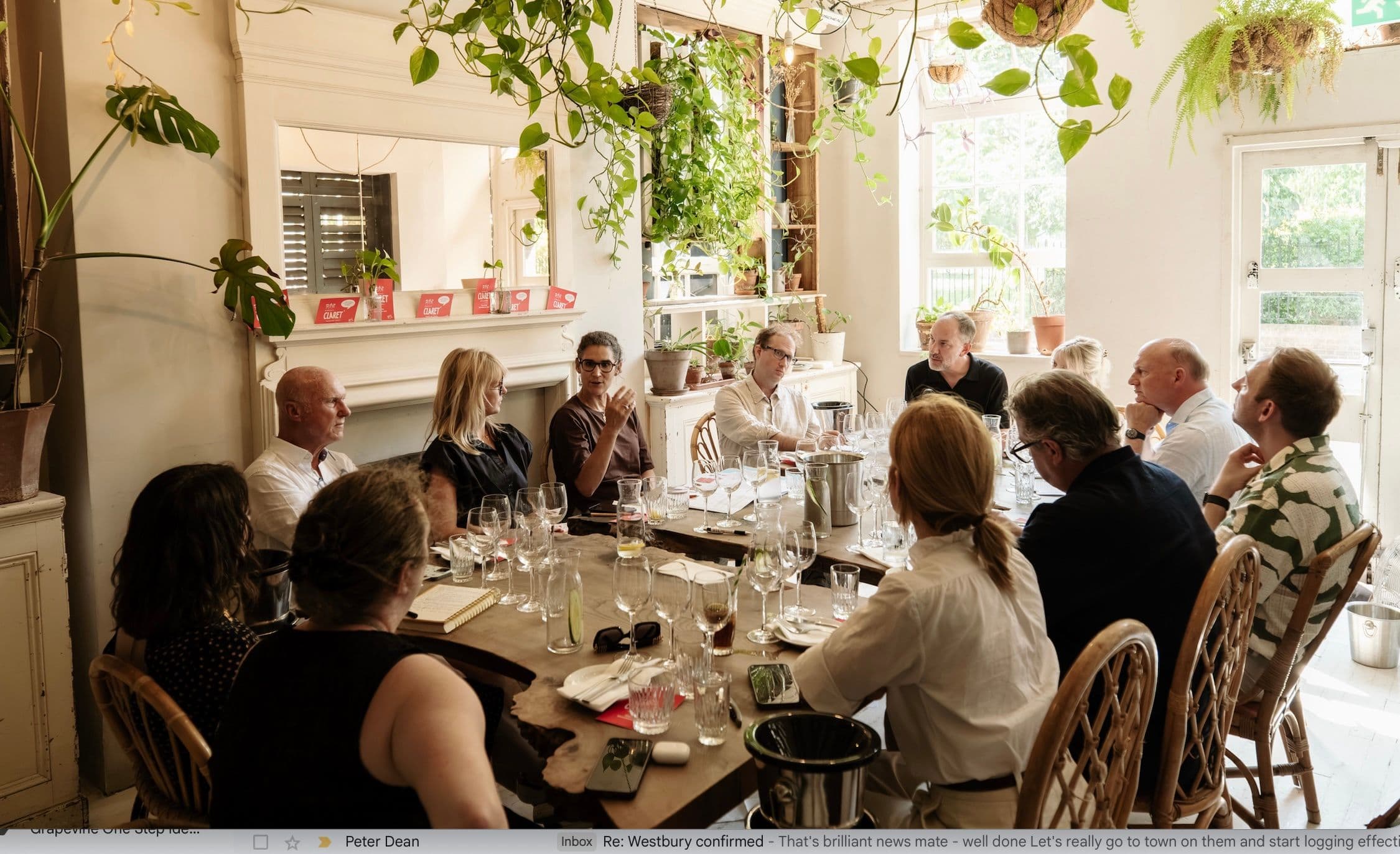
Milena de Waele says guests in fine dining restaurants like Pétrus want the sommeliers to be confident and assured in their wine recommendations
At the top end of the market, the challenges have definitely shifted. Even in a city like London, guests are more conscious of what they are spending, and they are often very well informed. At the same time, costs have increased across the board, so there’s more pressure to justify value.
You’re also competing not just with other restaurants, but with what guests already have access to - whether that’s retail or their own cellars. It means the role of the sommelier has become more about curation and guidance than ever.
What do you enjoy most about your role, and what continues to inspire you day to day?
What I enjoy most is that constant variation, no two services or guests are ever the same. The most rewarding moments are when you can create something memorable for someone, when they discover a wine they wouldn’t have chosen themselves. That sense of discovery is still what drives me.
A lot of my inspiration comes from people as well - producers, colleagues, and guests who are genuinely curious.
From your perspective, how can wine suppliers best support you and your team?
In terms of working with suppliers, the best relationships are true partnerships. It’s not just about showing wines, it’s about understanding the identity of the restaurant and bringing something relevant to it.
Transparency is key, especially around pricing and availability, and the most valuable suppliers are the ones who invest in staff, through training or tastings, because that has a direct impact on how confidently the team can sell.
On the other hand, it becomes difficult when there’s a lack of consistency or when suppliers try to push wines that don’t really fit the programme.
How do you deal with the viability of a Michelin wine list in the current climate? What role are lesser-known or emerging regions playing in premium wine programmes right now?
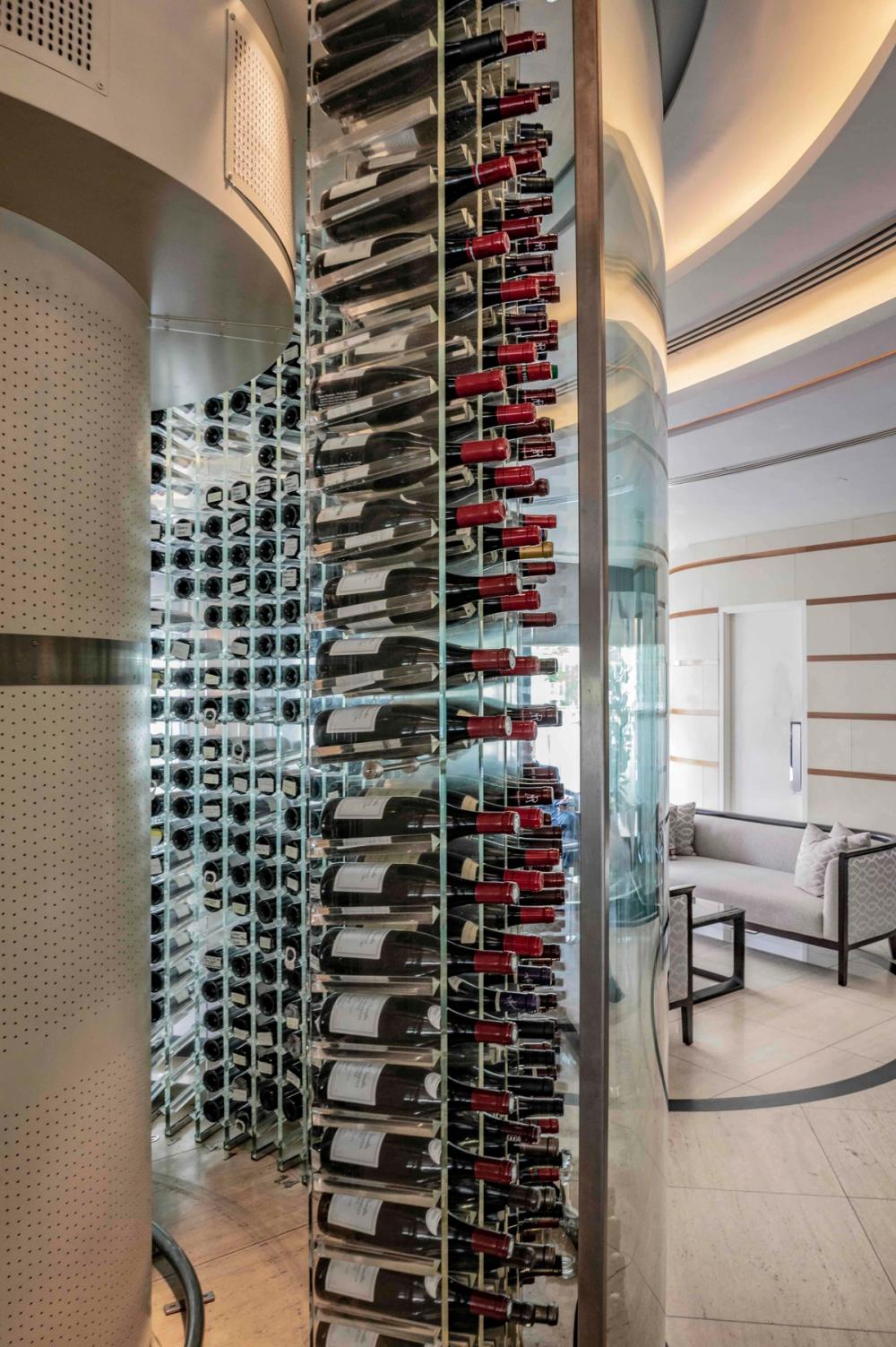
Producers and suppliers alike would like a place in the Pétrus wine wall
I think a Michelin-level wine list is absolutely still viable, but it has to evolve. There’s more emphasis now on flexibility, stronger by-the-glass programmes, more thoughtful pricing structures, and careful stock management so you’re not tying up too much capital. The expectation of excellence hasn’t changed, but how you deliver it has become more dynamic.
Lesser-known regions play a big role in that. Guests are increasingly open to trying something new, particularly if it offers value compared to more established regions. It also allows you to differentiate your list and tell different stories, which is important in a competitive market.
How challenging is it to sell at the top end in London’s restaurant scene today?
Selling at the top end today requires a slightly different approach. Guests don’t respond well to pressure - they respond to confidence and trust. It’s about reading the table, understanding when to guide and when to step back. Building that trust is also what drives spend over time; repeat guests who feel comfortable are far more likely to explore and spend more.
What are your predictions for wine list evolution in fine dining environments in London going forward?
Looking ahead, I think wine lists in London fine dining will become more focused and more curated. You’ll see fewer encyclopaedic lists and more intentional selections, with a stronger emphasis on provenance and sustainability.
Alternative regions will continue to grow in importance, and formats like pairings, flights, and rotating selections will become more prominent.
Technology will play a role, but it won’t replace the human element, that interaction, that ability to read a guest, will always be at the core of what we do.
* You can find out more about Pétrus by Gordon Ramsay here.
* Abbie Bennington is currently running her new podcast series - Vintage Politics - where she interviews leading politicians and political journalists about their careers and their love for wine. She also hosted a dinner for a number of her guests at Pétrus where they were able to enjoy a selection of wines chosen by Milena De Waele. You can listen on all the main podcast channels and watch and subscribe on YouTube here.