
Tell us about you got into wine and why you wanted to follow a career in wine?
I completed a management diploma in Shandong University then moved to Paris to study French at La Sorbonne in 2008, where I took a French culture class and first heard about Burgundy and its wine and cuisine.
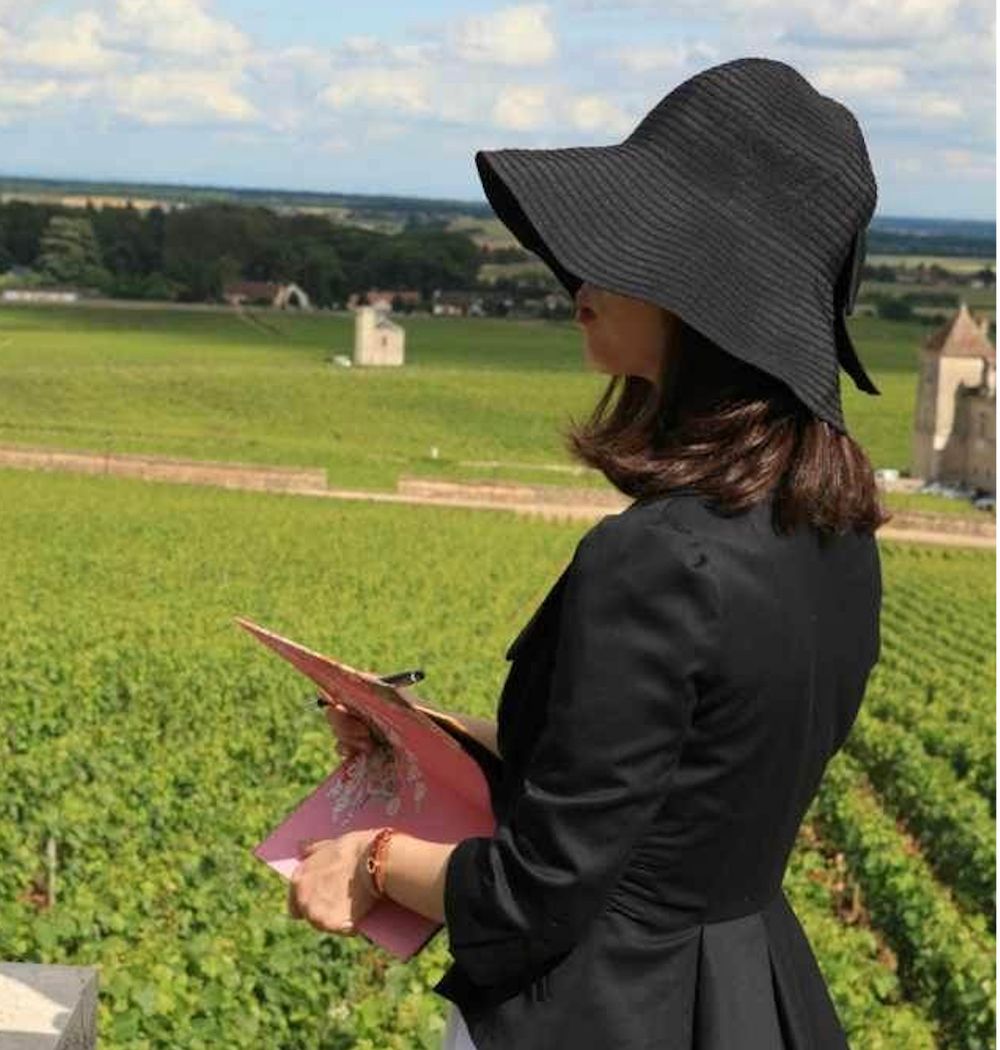
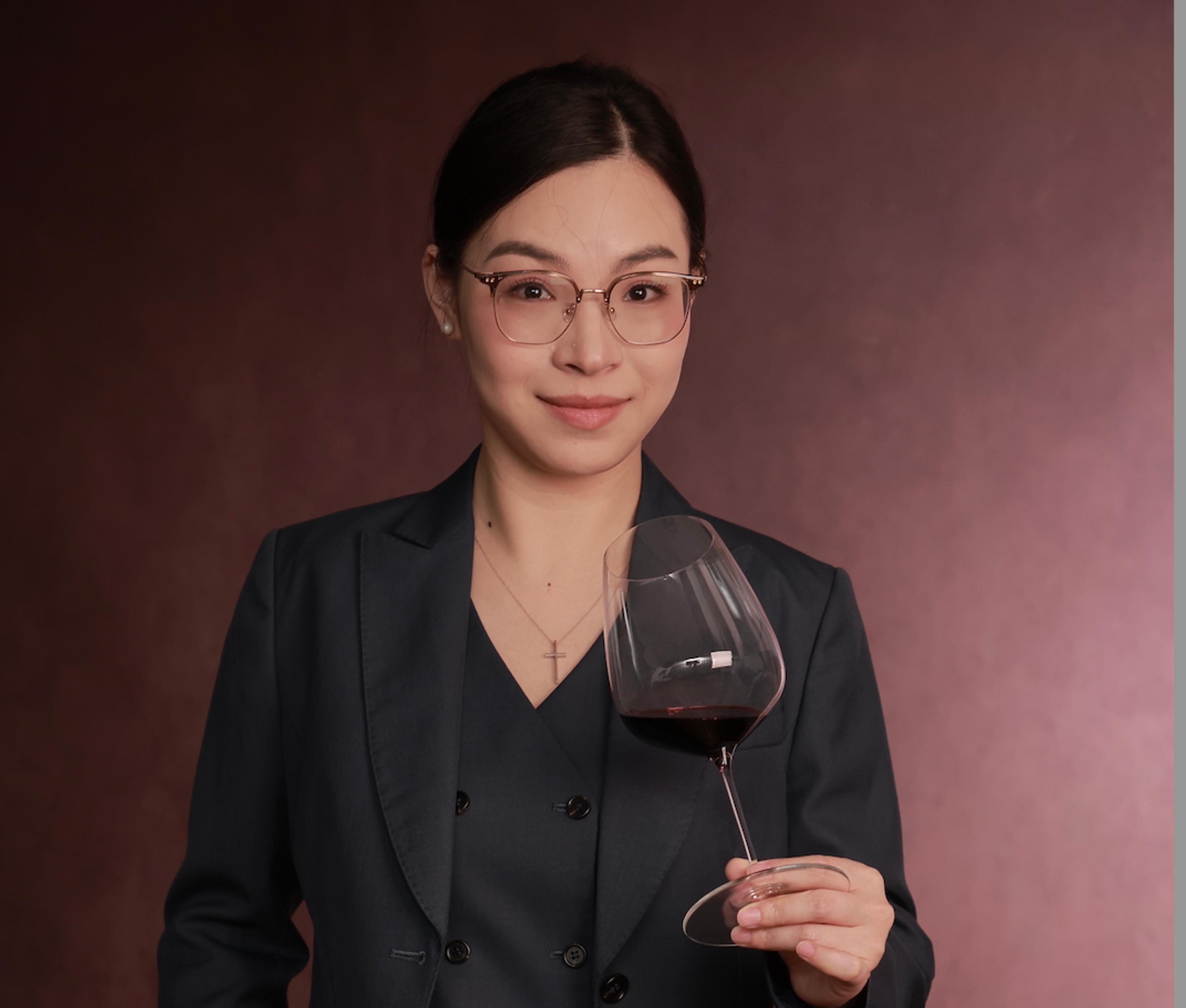
It was whilst being on a study trip to Burgundy that Meiyu Lu first fell in love with wine
Driven by curiosity, I took a train to Burgundy one weekend, visited the Château de Meursault, and tasted 20 wines from different terroirs. I was amazed to discover that the same grape variety could produce such a wide diversity of styles. From that moment on there was no turning back - I fell in love with wine.
At the time, I was preparing to apply to a French Grande Ecole of business, but I made a firm decision to pursue wine seriously instead. I went on to study sommelier at CAFA Formation in Bordeaux, then obtained “La Mention Complémentaire en Sommellerie” in Bordeaux.
What attracted you to being a sommelier specifically?
When I was studying at CAFA, I didn’t initially plan to work in a restaurant. I thought I would go into the wine trade instead. However, when I graduated and returned China, I suddenly decided to become a sommelier. I believed that by doing the work others were “unwilling” to do - or a work that is simply not easy - I could learn things others wouldn’t, and create broader opportunities for myself in the future.
With hindsight, that decision proved to be the right one. Years of working on the front line, interacting with a wide range of guests and understanding their needs, have given me a much deeper insight into the market. Through close communication with chefs, I have learned a lot about cuisine and accumulated rich experiences in food and wine pairing.
I am truly grateful that I chose to become a sommelier.
What has been your career to date as a sommelier - key steps along the way?
I feel extremely fortunate that wine has opened a door for me to understand the world.
First of all I chose a career I truly love. This has filled me with passion for my work and a constant desire to learn and improve. That passion allows me to do my job better.
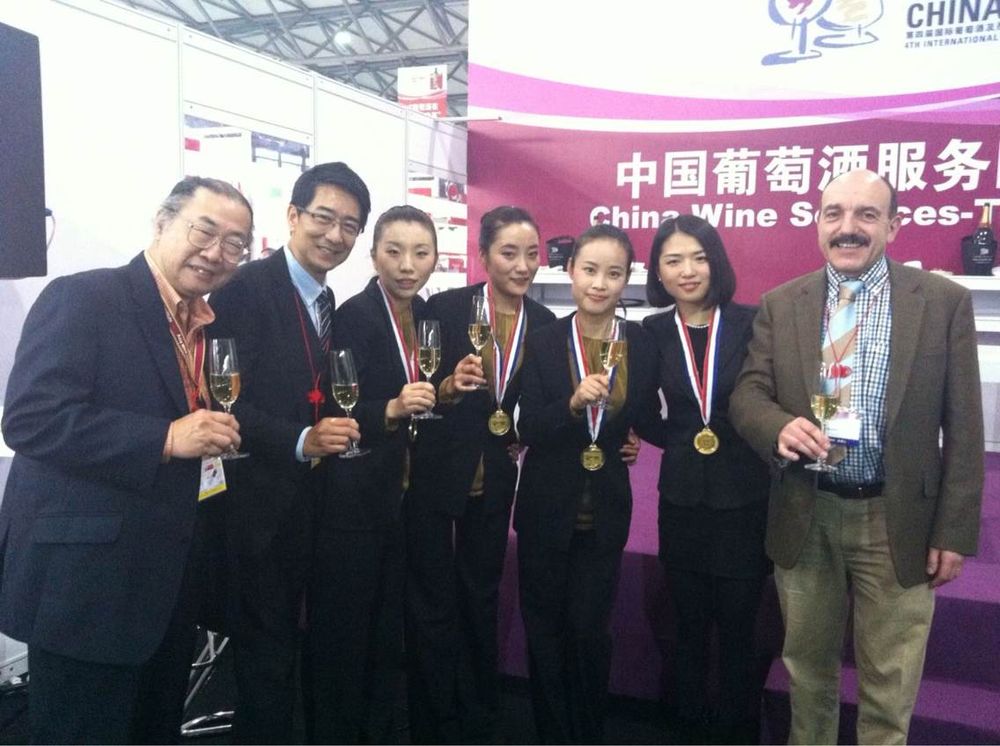
Meiyu Lu has enjoyed a sommelier career both in China and in Europe - here with the late Gerard Basset MW MS at a China Wine Services event
I was also very lucky to have an excellent platform at the early stage of my career: Park Hyatt Beijing, where I served as hotel sommelier. At that time, Park Hyatt Beijing was one of the finest hotels in China, with a very strong team. I learned a great deal from my colleagues - ranging from purchasing, finance to culinary team and even marketing - and was trained under the very professional standards of international hotel management. This laid a solid foundation for my career.
In 2014, I went to London and completed internships at Michelin starred restaurants - Medlar and Le Gavroche, where I was exposed to a more international approach to sommelier service. In the same year, I passed the Advanced Sommelier examination.
In 2015, I returned to Beijing. Considering my role as a woman and the need to care for my family, I chose to work part-time for Park Hyatt Beijing.
From there, I established my own consulting company - DrinkArts. Over the past 10 years, I have built a small team, and we have been providing wine consulting and food-and-beverage–related advisory services to multiple restaurants.
In 2025, my team and I opened a bistro in Beijing called Somm’s Table. Through this platform, we hope to help more people understand the role of the sommelier, appreciate wines, and nurture the next generation of sommeliers.
Why do you want to train to be a Master Sommelier?
Whenever I’m asked a question by a guest that I can’t answer, I feel especially frustrated. I hope that through this training process I can become more knowledgeable, as knowledge gives me greater confidence. Becoming a Master Sommelier would motivate me to keep learning in order to uphold and honour this precious title.
What have you enjoyed the most about the training and education side to become a MS?
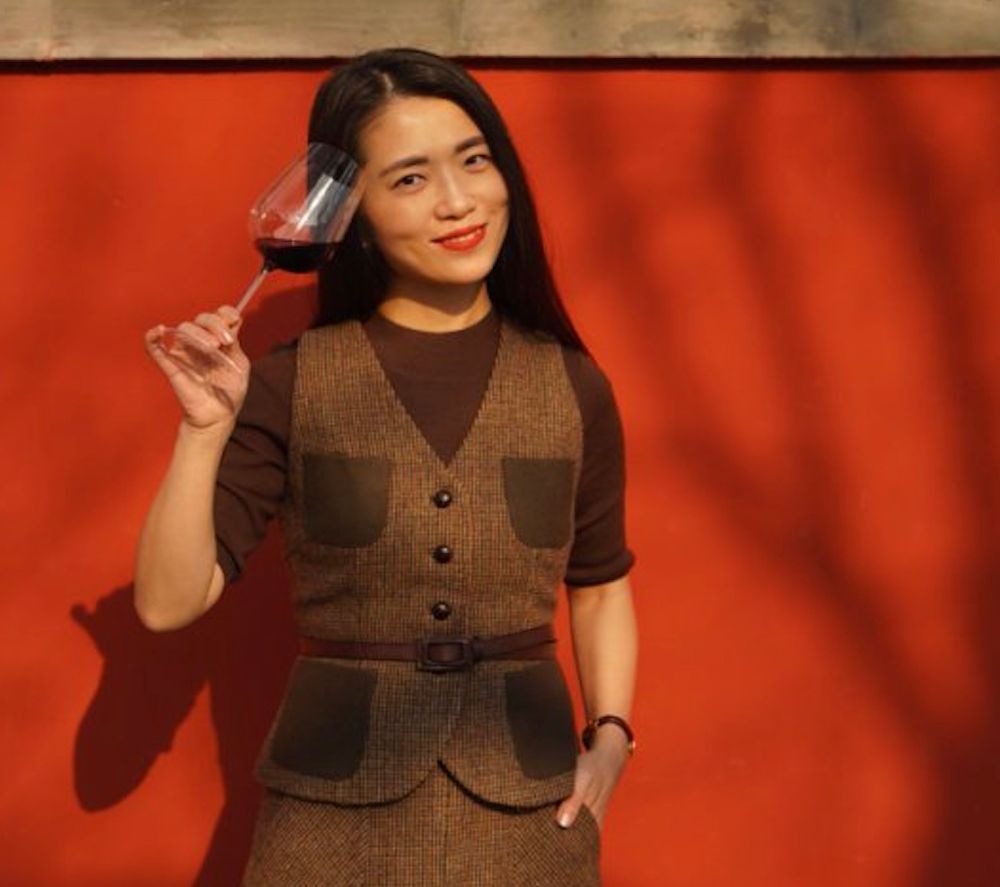
Meiyu Lu says food and wine service are very much interlinked in China
Whenever I learn something I didn’t know before, I feel extremely excited. It feels like a process of constantly filling and enriching myself, which is truly wonderful. Sometimes, as I’m reading, I can’t help but smile to myself. I often study for more than eight hours a day, but I never feel tired.
What do you find the most difficult and how do you manage to get over those difficulties?
I have to say that Italian wine regulations are very complicated, so I consult different sources to study them, in order to understand and gradually digest the information.
What advice would you give to other sommeliers who want to train to be a MS - what are the key things they need to consider?
A deep understanding of knowledge is extremely important - only by truly understanding it can I remember it and integrate it effectively. Although I have not yet become a Master Sommelier, this approach has proven to be very effective in my own learning process.
Another key method is using maps to memorise sub-regions.
What would it meant to you personally to become a MS?
To me, it means that I must continue learning in order to uphold this title, and this is precisely the true purpose of my pursuit of the Master Sommelier qualification.
Would it help with your career and your job opportunities?
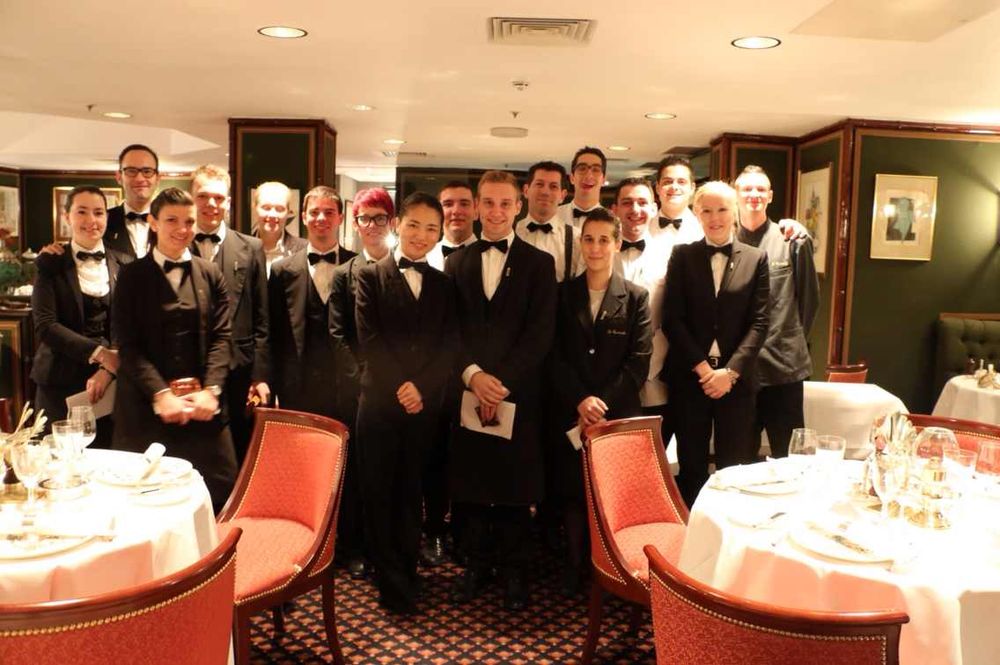
Meiyu Lu during her time at Le Gavroche in London
It will undoubtedly provide more opportunities for both my team and me - there is no denying that. The MS title would give me a stronger voice within the industry, and I hope to use that influence to do more meaningful work, such as promoting Chinese wines and training future sommeliers.
Wine trends and tastes are different all over the world - what trends are you seeing in China in terms of what people are looking to drink and what they are prepared to pay for?
My colleagues and I mainly work in Beijing and Shanghai. At present, Chinese wine enthusiasts as a whole still tend to favour Old World wines - especially those from France such as Burgundy, the Loire Valley, the Rhône, and Jura, as well as German Riesling - wines that are more elegant and mineral-driven.
However, Chinese consumers are somewhat polarised. Guests who are less familiar with wine often prefer softer, sweeter styles, such as New World Merlot, or low-alcohol, sweet, and easy-drinking wines like Moscato d’Asti.
As wine culture is still developing in China what challenges have you faced personally and professionally in pursuing a career in wine and as a sommelier?
Overall, the level of understanding of wine among Chinese consumers is still relatively low, as wine is not part of China’s traditional culture. Drinking wine during meals is not a common habit in China, unlike in Europe. The group of people who truly drink wine remains very small.
I remember when I first started in this profession (15 years ago), guests had no idea what a sommelier did. When I opened a bottle at the table, smelled the cork, or performed other service rituals, I was sometimes even laughed at - they didn’t understand what I was doing.
Even my colleagues often didn’t understand why the sommelier position existed. At that time, I had to put in a tremendous amount of effort: selling wine, inventory management, organising the wine cellar and procurement system, verifying vintages, clearing slow-moving stock, training, hosting wine events, and pairing food and wine.
Little by little, people understand that a sommelier is not just a “decoration.”
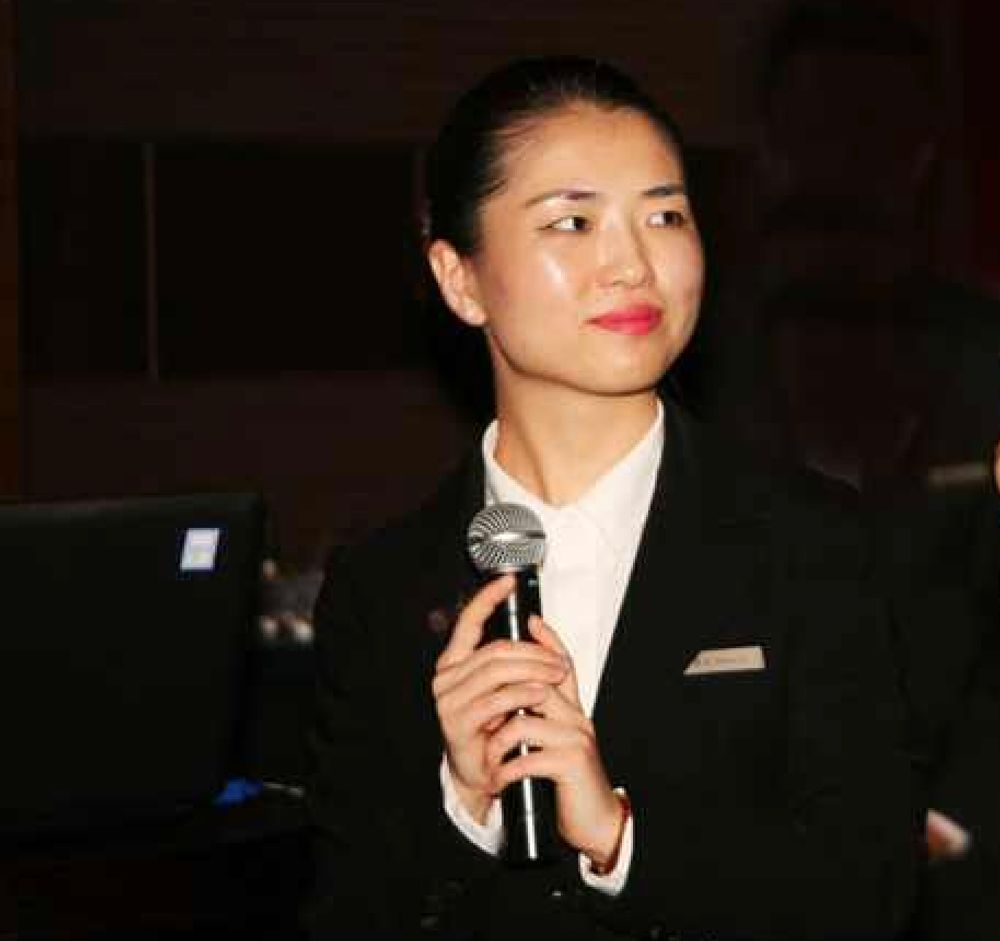
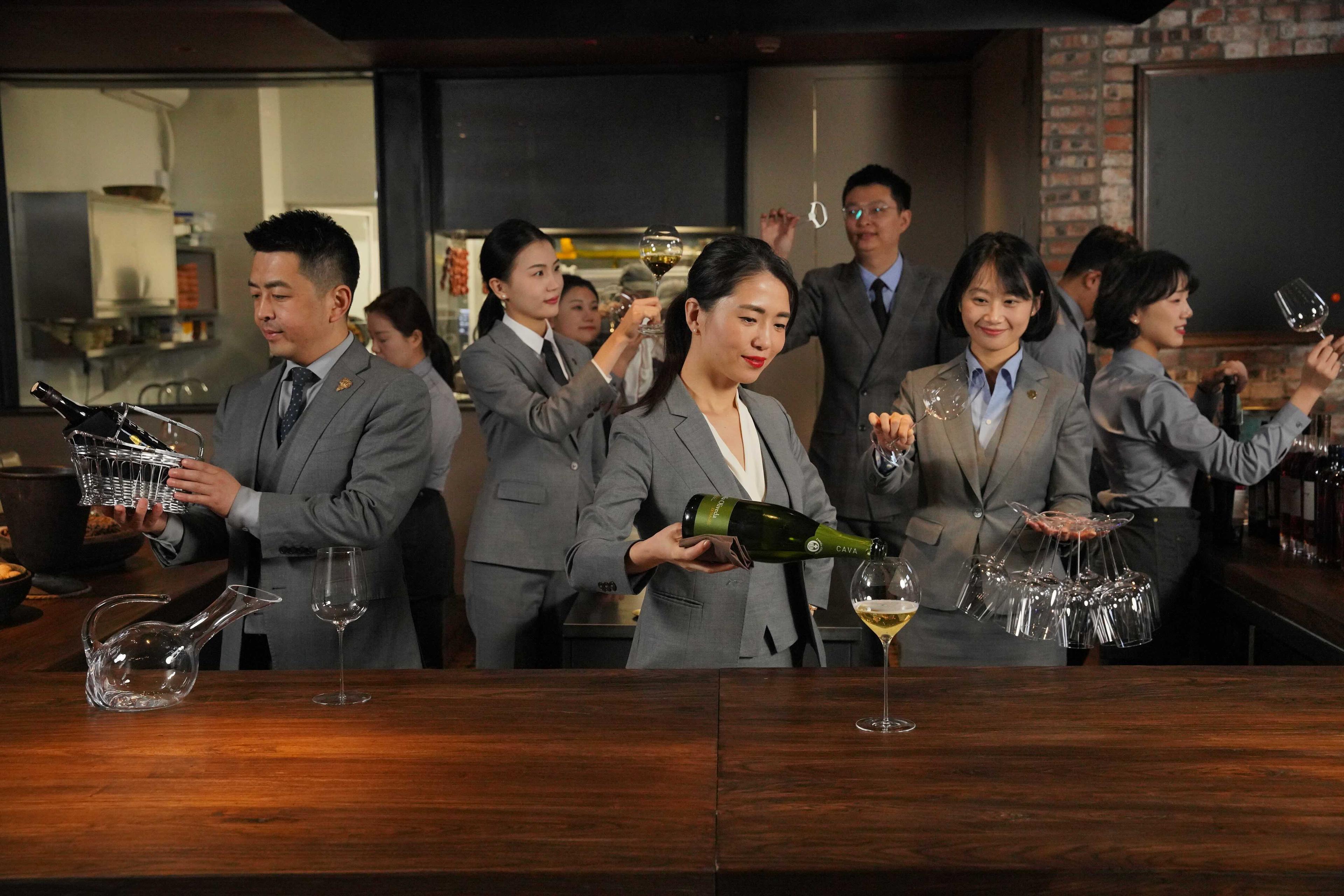
Meiyu Lu has become one of the most influential sommeliers in China and across Asia
However, over the past decade or so, Chinese consumers’ understanding of wine has improved significantly. They now pay attention to temperature, glassware, and service standards, and more and more guests are eager to try food-and-wine pairing menus. Especially in fine dining restaurants, this has led to a shortage of sommeliers, because becoming a qualified sommelier takes time - far slower than the pace at which new restaurants are opening.
How important is the quality of customer service working as a sommelier in China and is that an area you put a particular focus on?
The quality of customer service is undoubtedly extremely important. A sommelier’s role should not be limited to simply taking orders, opening, or pouring wine. Some sommeliers may not see it as necessary to assist guests with food choices, but in fact, ordering food presents an excellent opportunity for upselling. This is especially true in China, where the majority of guests will not proactively order wine. Pairing food and wine can serve as a perfect entry point, allowing us to recommend suitable wines to guests.
In fact, “selling” is a very important responsibility for a sommelier, but sales naturally follow from providing high-quality service. Only by offering guests an exceptional service and experience will they be willing to purchase wine.
* To find out more about how to be a Master Sommelier and other sommelier exams go to the Court of Master Sommeliers website here.