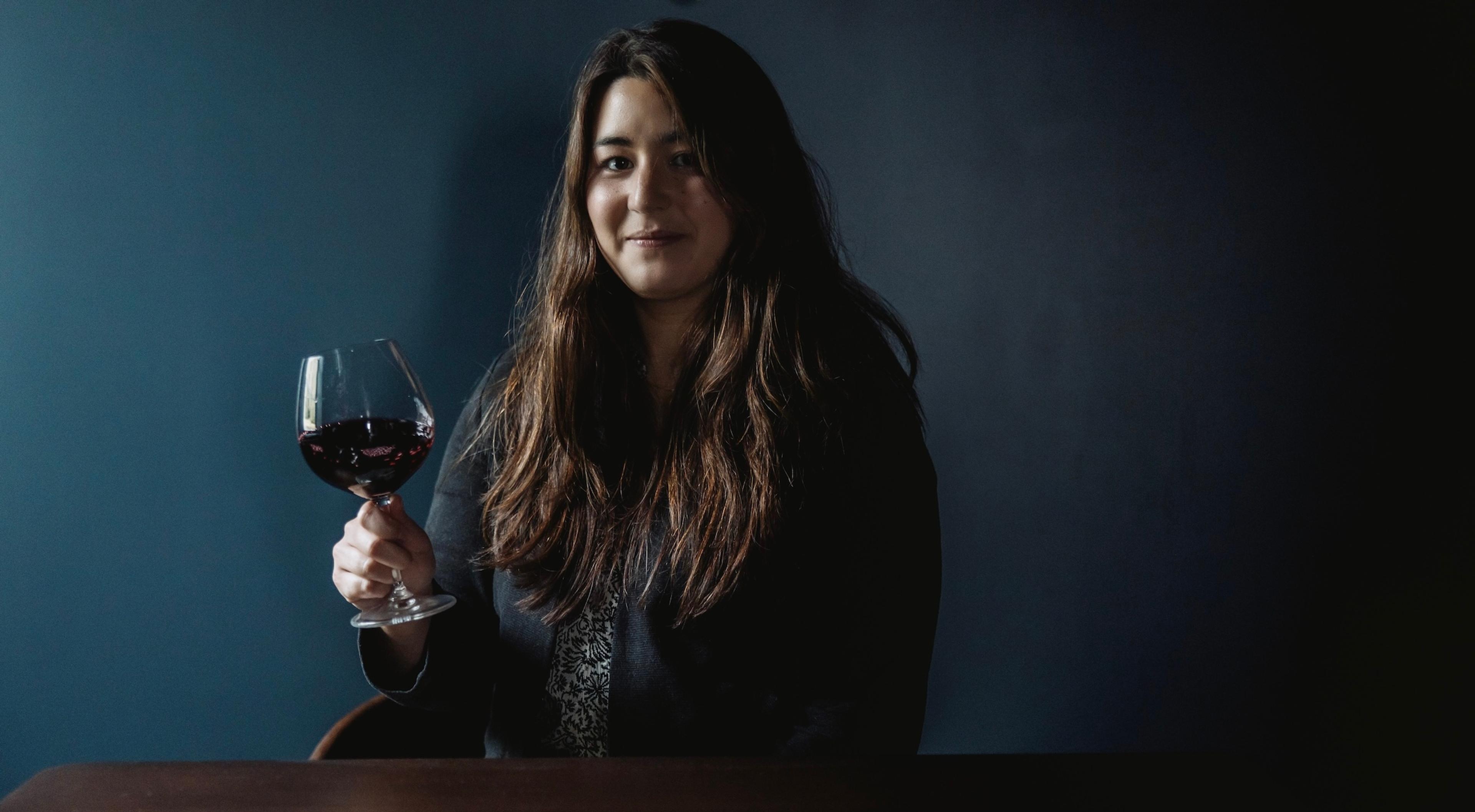

Can you tell us about your background and how you got into wine and hospitality?
After studying history at Oxford, I worked in advertising for over a decade, first in Tokyo (where I met my husband Tom) and then in London. However, wine has always been in the background - my father was always interested in wine and in 2014 established the first vineyard in Shandong, China; a region that now has over seven wineries, including Lafitte’s Chinese outpost.
After a road trip around France in 2016, I started taking WSET courses as a hobby alongside my day job, and found that the more I studied, the more I wanted to learn. Whilst I was exploring wine, Tom meanwhile was retraining as a chef. This naturally led to discussions about future dreams of owning our own rural restaurant with rooms, a sort of British version of a Japanese ryokan.
These were just dreams until Covid happened. Like many others, we reassessed our lives, and rather than wait, we decided to have a go. I grew up in Scotland, so we started our search there.
Why did you want to train and become a sommelier?
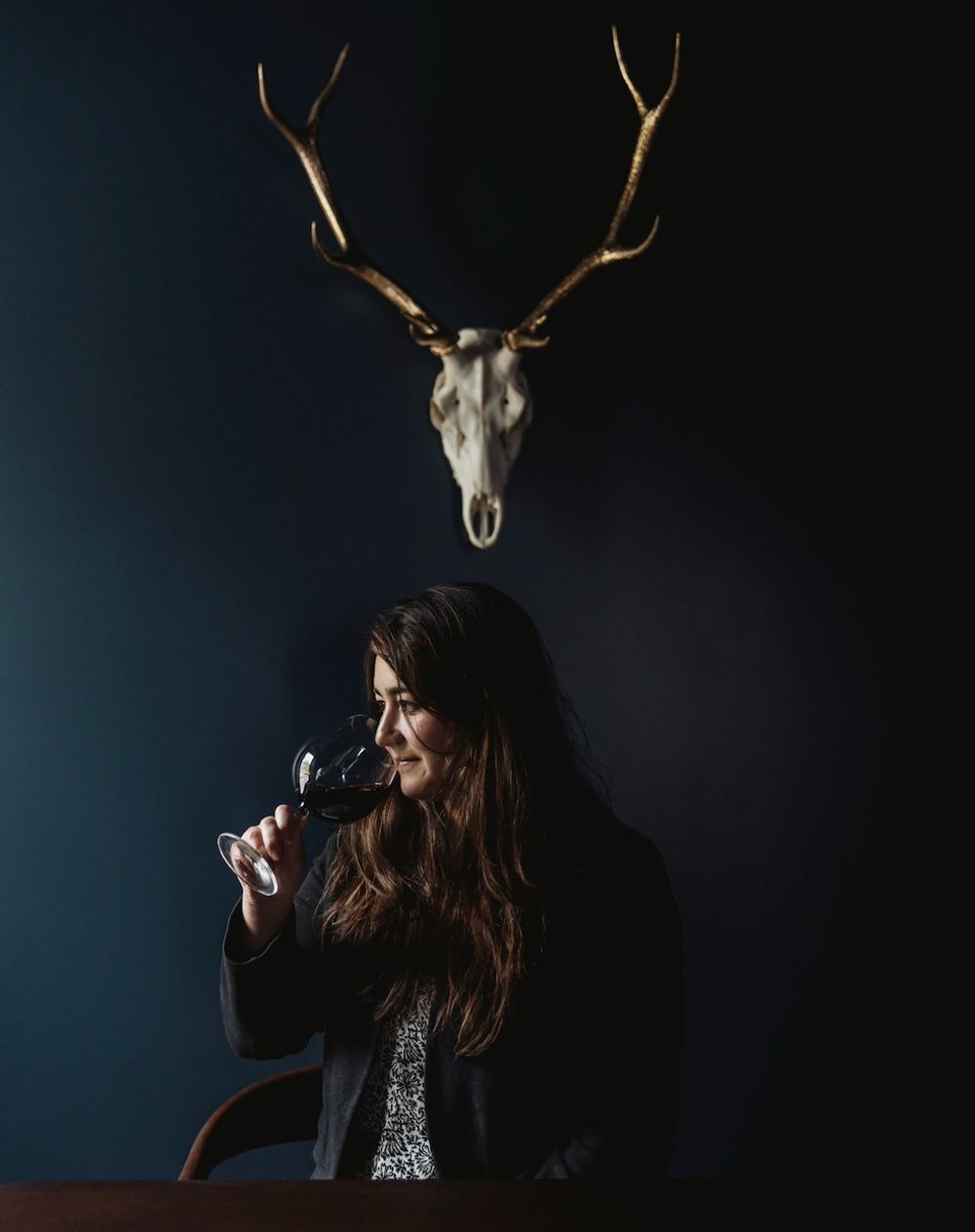
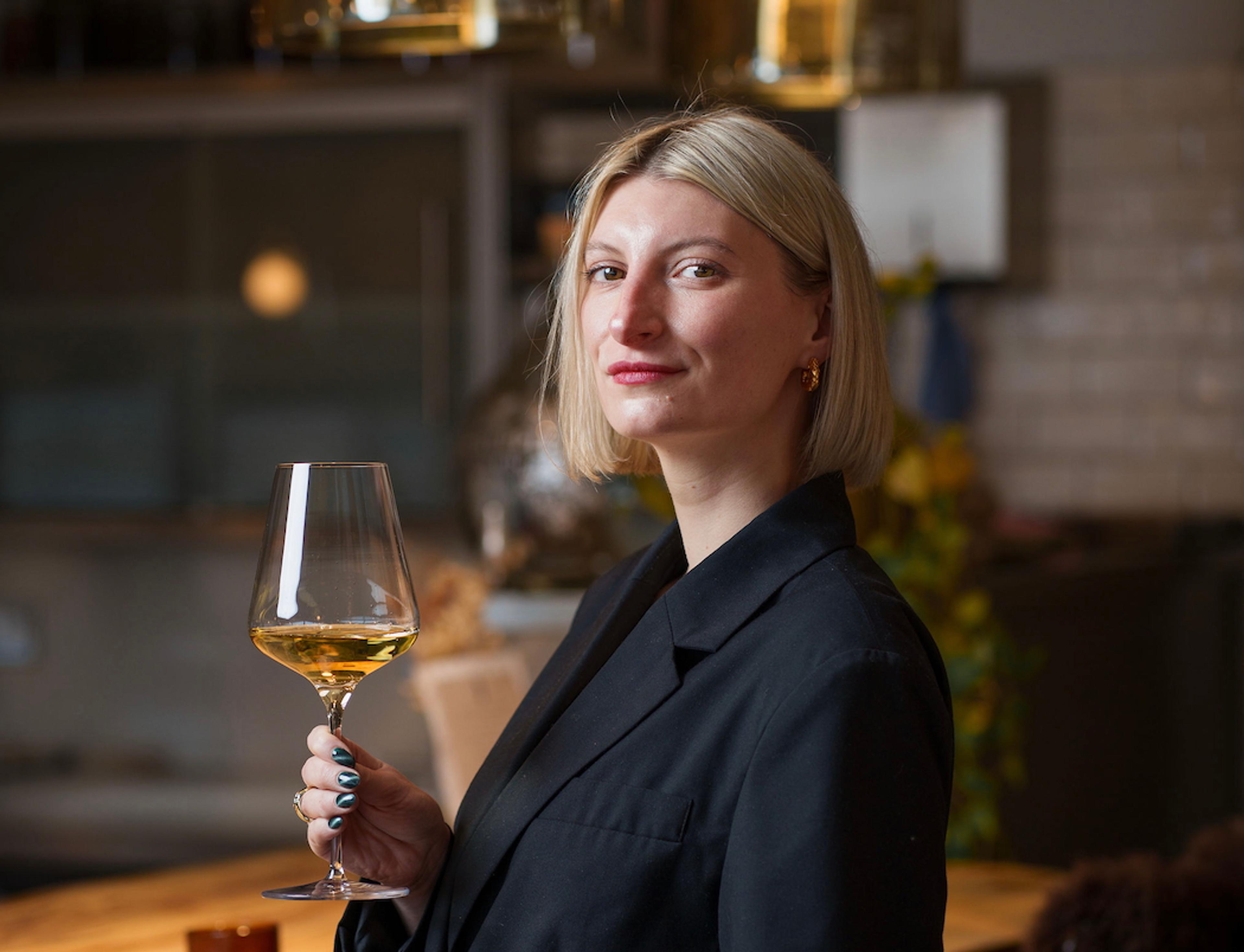
Matilda Tsappis has made a successful move from advertising to be named 20th in the Top 100 Sommeliers
I never set out to train as a sommelier; it’s something that happened naturally through an interest in the intersection of wine, stories and people. Both history and advertising, like wine, are about being interested in people and their narratives, so I'm always fascinated by the people behind the bottle - the winemakers, the families, the communities - and how their story created this particular wine.
What do you see as being the key skills you need to be a good sommelier?
I have never worked in hospitality anywhere other than in my own restaurant, so other than the WSET and Court of Master Sommelier courses I’ve completed, I have largely understood what it means to be a good sommelier from the point of view of a guest.
So, whilst it’s important to have a good knowledge of your list, wine in general, how it works with food and how to serve it properly, I also think a large part of being a good sommelier is about being good with people - understanding what they’re really after and making wine feel approachable.
A lot of sommeliers forget that most people don’t study wine; many just know what they like to drink, if that, so being presented with a wine list can be daunting - a good sommelier will help guests feel comfortable and guide them towards something they will enjoy.
I agree with the Japanese hospitality philosophy of ‘omotenashi’, essentially serving guests with a feeling of openness and generosity.
How have you looked to improve and home in on those specific skills?
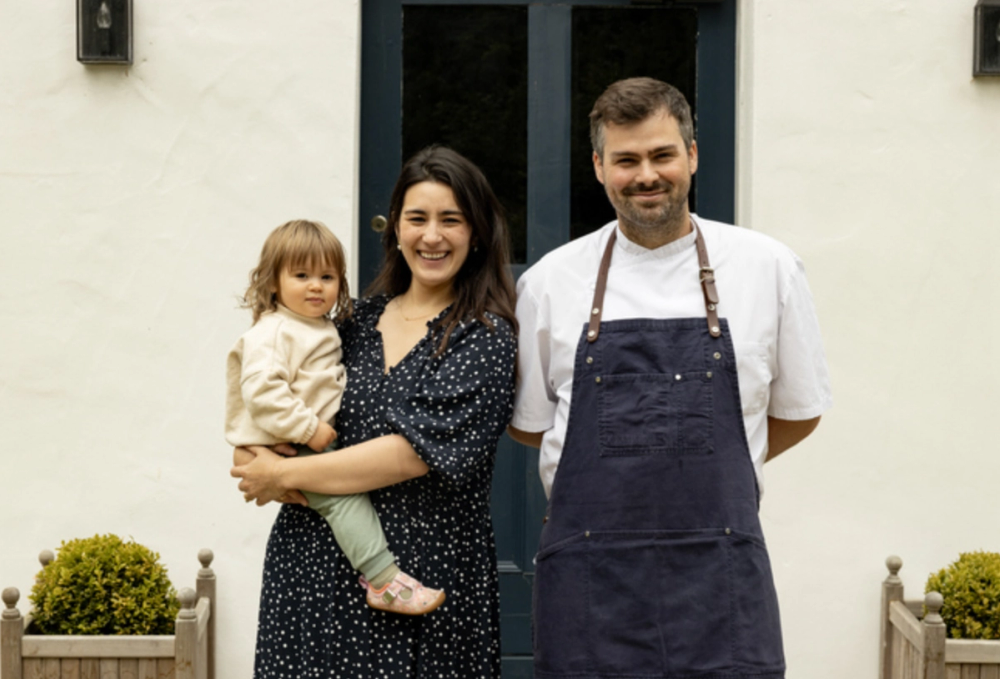
Matilda and Tom Tsappis have successfully transformed Killiecrankie House since taking it over six years ago
I’m not sure it’s something you can do any specific training for - it just comes with practise. A former career in a service industry like advertising, where I had to guide clients to feel comfortable buying into marketing strategies and ideas, was probably a good grounding.
What is your approach to putting together a wine list, and what do you see as being the key factors you need to get right?
As a baseline, you need to make sure there's a good balance between the familiar and the esoteric, and at a range of prices so guests are always able to find something they like.
Beyond that, I think making the list personal to your own interests and the style and food of the restaurant is what makes a wine list unique. To that end, we feature a range of sakes by the glass and by the bottle, alongside Japanese wines and whiskies, due to my heritage and as the menu has strong Japanese influences. Tom also has Cypriot Greek heritage, so we also like to draw from that.
I also like to highlight English wines, still as well as sparkling, which guests are often surprised by the quality of. I also like to showcase female producers on my pairings, helping to highlight the vast expertise and styles of female-led wineries creating delicious wines, in what can sometimes feel like quite a male-dominated industry.
Has what you need to get right in a wine list changed in the last few years?
Being rather rural, we have always had a strong non-alcoholic offering with alcohol-free cocktails, beer and pairing. The importance of this part of our offering is only getting more important as people become more cautious with their drinking. Likewise, making sure you have a range of by-the-glass options that again balances styles and price points is important.
I do also think there is a greater understanding of wine these days, whether that is due to apps like Vivino giving people more confidence or TV shows like Drops of God, but I’ve found that people are interested in trying new wines that they’ve never tried before, which is fun for a sommelier.
How have you responded to the changes in duty and the ABV pressures there are now?
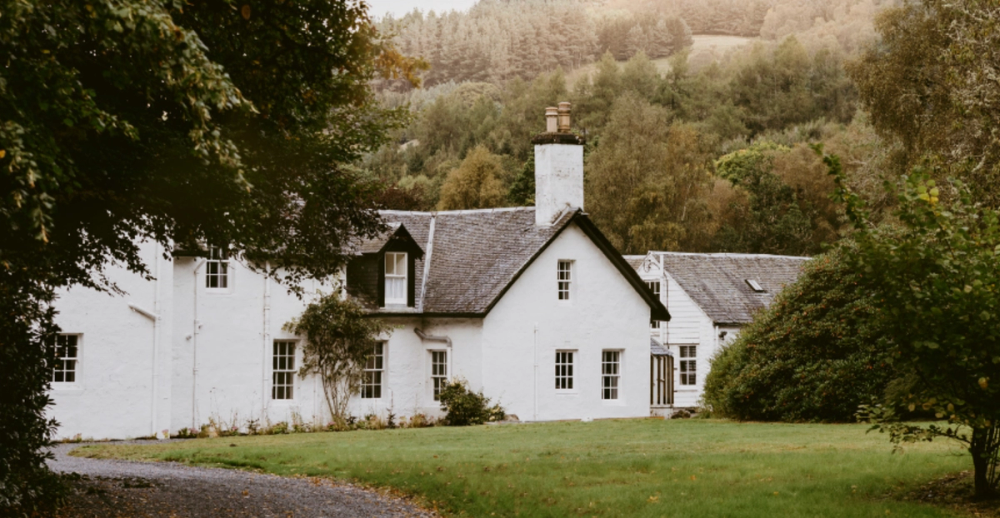
Killiecrankie House is in the Cairngorms National Park, Perthshire, Scotland
With great sympathy to all involved - what a nonsense and palaver; exactly the opposite of what the hospitality and drinks industry needs right now.
What is your strategy and approach to working with by-the-glass wines vs bottles?
When it comes to by-the-glass, I like to think about our tasting menu - if guests were to have two or three glasses with the current menu and ask for a recommendation, what are the wines that would go with the main beats to take them through the evening? And if they are to do this, are there options for more familiar or unusual wines, and at a range of prices that make the by-the-glass list appealing?
As well as this, we also make available all of the wines we currently have on the three different levels of pairings, so there is usually enough to draw from. We use a Coravin, which allows us to extend into some high-end bottles as well.
In terms of the bottle list, as I mentioned previously, keep it balanced, keep it approachable, keep it personal, and have wines on there that you can speak to and vouch for. Being the co-owner of the business as well as the sommelier probably gives me a slightly different approach to buying - I am more aware of things like cash flow and the financial restrictions of the restaurant, but I think this restraint can often be a positive, as it means I have to be curated in my approach and only choose wines I really love and believe in.
Where are you seeing the most growth in terms of wine styles/ countries/ regions that are most in demand?
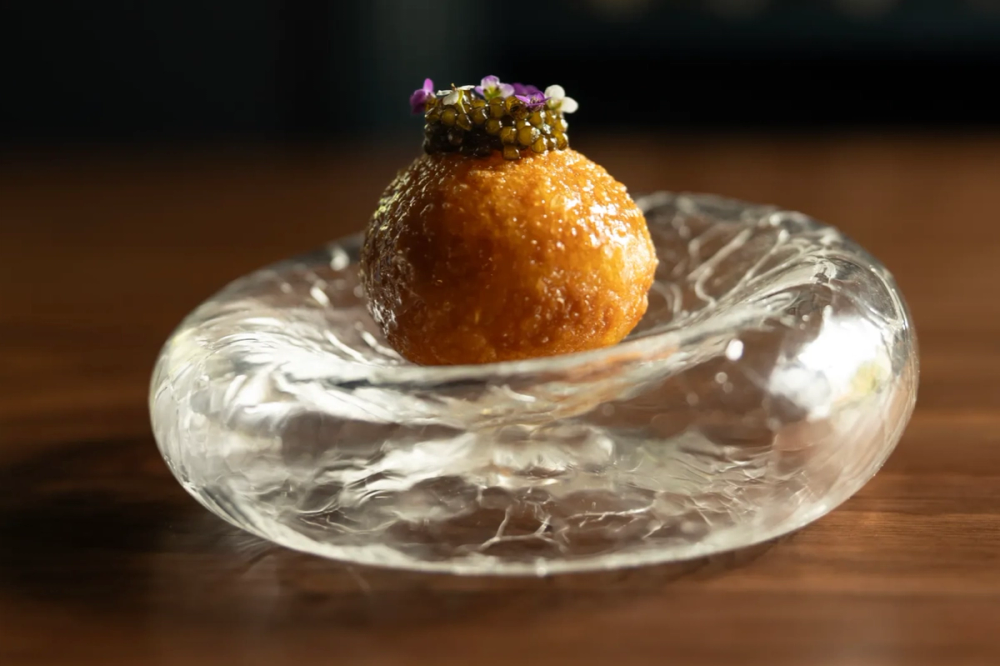
Killiecrankie House was awarded its first Michelin Star in February
Of course, to an extent this is reflective of what we offer, but we have seen an uptick in English wines, Greek wines, volcanic wines and an interest in trying sake. I also think that whenever guests have a sweet wine on a pairing, they love it, so it’s a huge shame that the category as a whole is on a downward trajectory.
What do you enjoy most about being a sommelier?
I love watching people enjoy something new that we recommended that they otherwise would never have tried. I’m a big believer that fine dining should be a fun and exploratory experience.
What do you find the hardest or the most challenging, and how have you overcome them?
I have to say that the mix of motherhood and being a sommelier (and small business owner) is not the easiest combination, and certainly being a pregnant sommelier, as I am right now, is not ideal.
But we're lucky to have a wonderful and supportive little team at the restaurant, and by being very organised and having a slightly unconventional work/life pattern, we somehow manage to make it work - it helps that we live where we work.
What have been your career highlights?
Ranking 20th in this year’s UK Top 100 Sommeliers was rather exciting and unexpected!
Favourite wine regions you have been to?
I went to the Douro for the first time last year and thought it was just fabulous - such a beautiful part of the world and such an exciting range of varieties and styles, all at excellent prices.
What is on your wish list?
Where to start; Alsace, Mosel, Martinborough, Swartland, Tokaj… the list is endless.
Anything else to say?
Don’t feel scared about asking the sommelier for recommendations and asking any questions you might have - that’s what they’re there for, and you never know, you might discover your next favourite wine.
* Find out more about Killiecrankie House here.