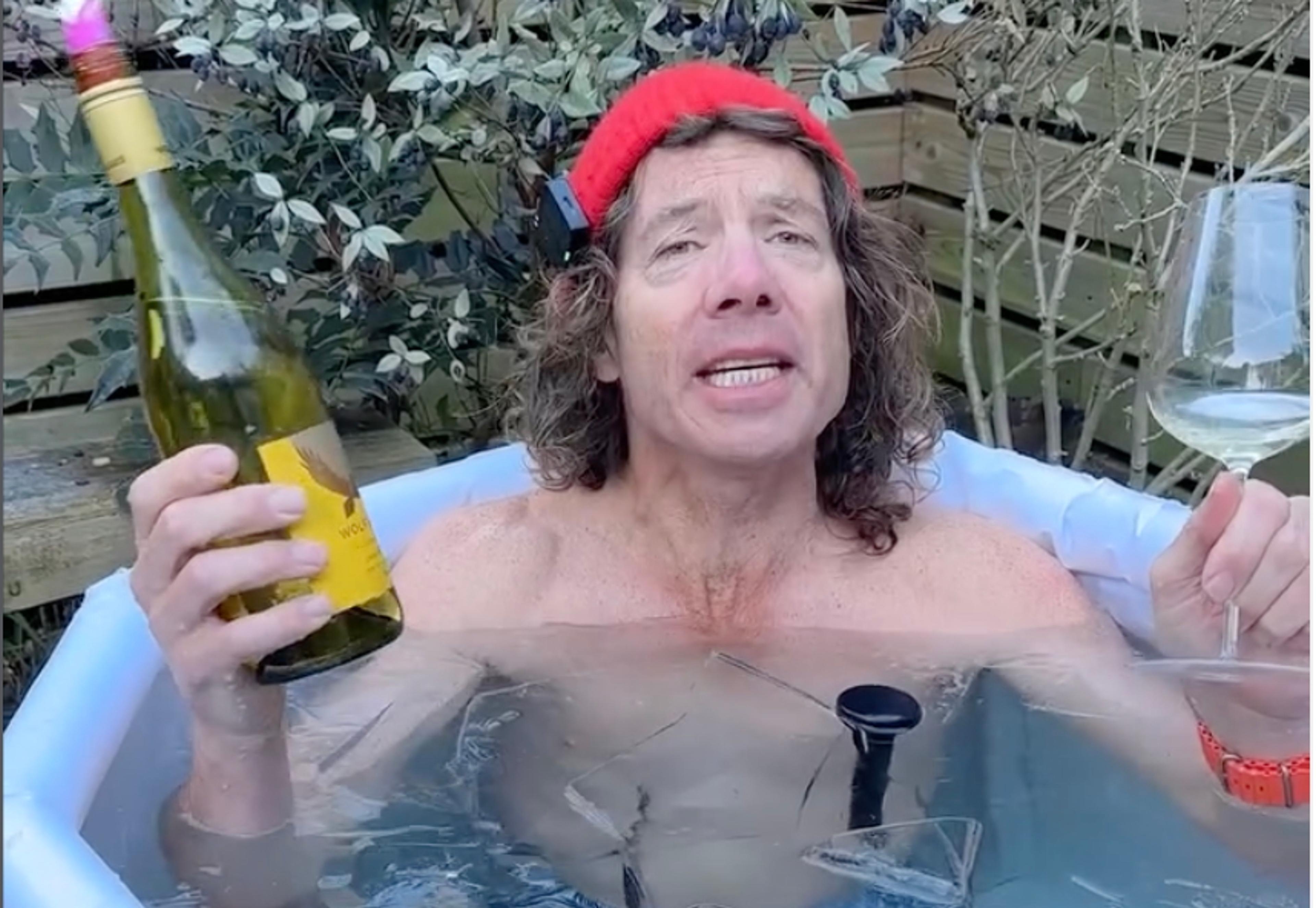
Wine overlaps with more areas than just about anything else: food, sociology, history, religion, agriculture, chemistry, biology, geography, geology, climate science, business, economics, psychology, art, music, literature…and getting pissed can be fun too (in moderation, of course).
Touching on so many interests, and with so much to talk about, you would expect content about wine to be incredibly popular. But it isn’t. Not at all.
Wine content gets very little love online, at least not compared to the categories it overlaps with.
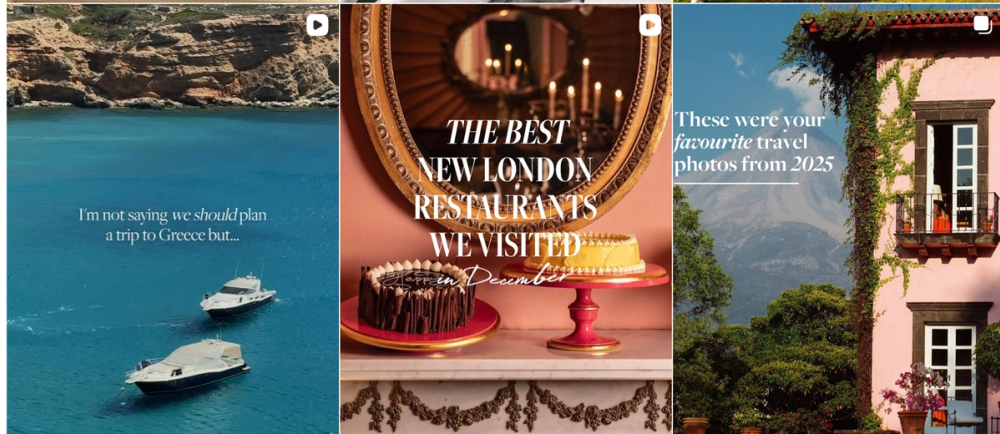
Selling dreams and holidays Condé Nast Traveller style
People clearly love travel content: Condé Nast Traveler has 3.4 million Instagram followers. Food content does well too: Bon Appetit sits at 4.9 million.
Geography is in another league altogether: National Geographic has 276 million. Even economics performs strongly, with The Economist on 7.6 million.
The most popular consumer wine publication, Wine Enthusiast, doesn’t even crack a million with 831,000 followers. Wine Spectator only gets 621,000 followers.
You would think it would be similar to food, given they go hand-in-hand at the dinner table. But while tonnes of wine people are into food, it turns out not so many food people are into wine.
If I look at “influencer” chef accounts on Instagram their audience overlaps with many of the other food people I follow. But they usually have a crossover with musicians, artists, interior designers, friends and family I follow too. Their reach tends to be a broad cross-section of non-food industry, or “normal” people.
Do the same with wine influencers, and the only followers we share in common are usually other wine people.
What does food have?
So why does wine content underperform so much in comparison to food?
Food triggers a primal response.
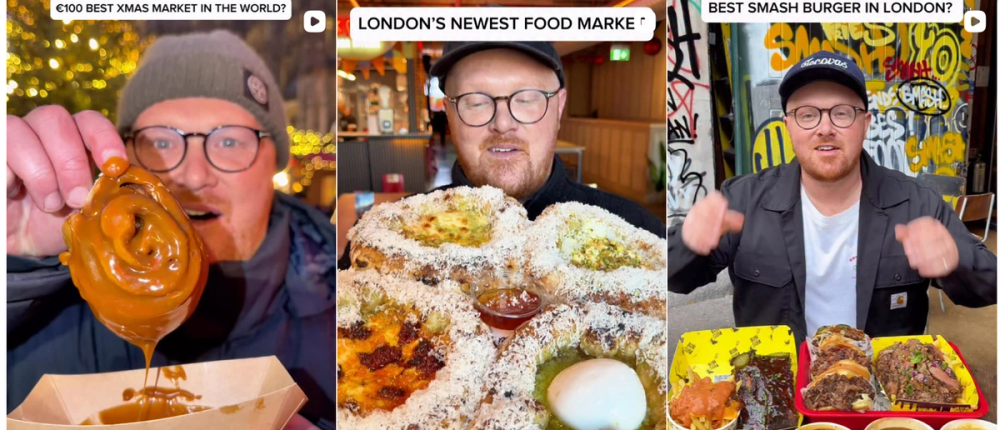
Watching people buy, eat and cook food works so well on Instagram - ask @eatingwithtod with his 2.2m followers
If I post a video of a burger being smashed on a grill; onions caramelising, cheese melting, sauce dripping… even if you’ve never eaten that burger, you know what it feels like to eat something similar. You can imagine the taste. You want to eat it… now! It makes you hungry.
Hunger might not be an emotion, but it triggers desire and anticipation. Food content shortcuts directly into the brain’s emotional centres.
Wine doesn’t do that.
When you’re hungry the possibilities are endless. When you’re thirsty you reach for a glass of water.
Wine porn isn’t like food porn. Visually, it is one of four coloured liquids in a glass. It doesn’t give the viewer’s imagination much to go on. So to communicate anything meaningful about the liquid, we often over-intellectualise it. We explain it through tasting notes that few understand and even fewer get excited about.
This turns normal people off completely - and when we’re not talking to normal people, we’re talking to ourselves.
Which is a problem. Because, we’re trying to sell. To normal people.
Is content really king?
The point of content is to promote something; yourself, your shop, your bar, your winery. We all need to be doing that. Right now more than ever.
But if wine content only engages wine people, it can’t solve the biggest commercial challenges the industry faces:
* People not picking wine at all.
* People picking supermarkets over specialists.
The challenge isn’t getting people to pick one wine over another. It’s getting them through the door in the first place.
Even now, with more access to information than ever, people still regularly tell me they’re scared to walk into wine shops because they don’t want to feel stupid. Yet references to “demystifying wine” date back to newspaper articles promoting Jancis Robinson’s first TV series in 1984.
We’ve been trying to demystify wine for at least 40 years - and yet people still appear mystified.
Perhaps it’s time to think outside the box.
Drink different
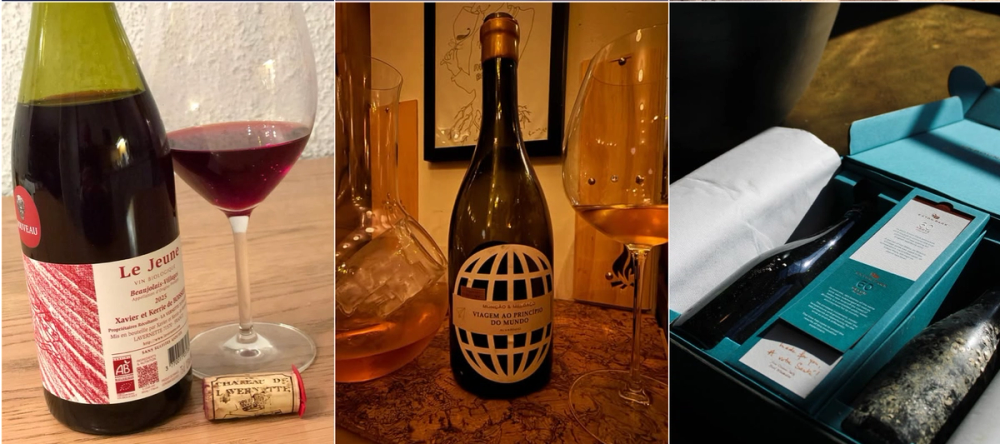
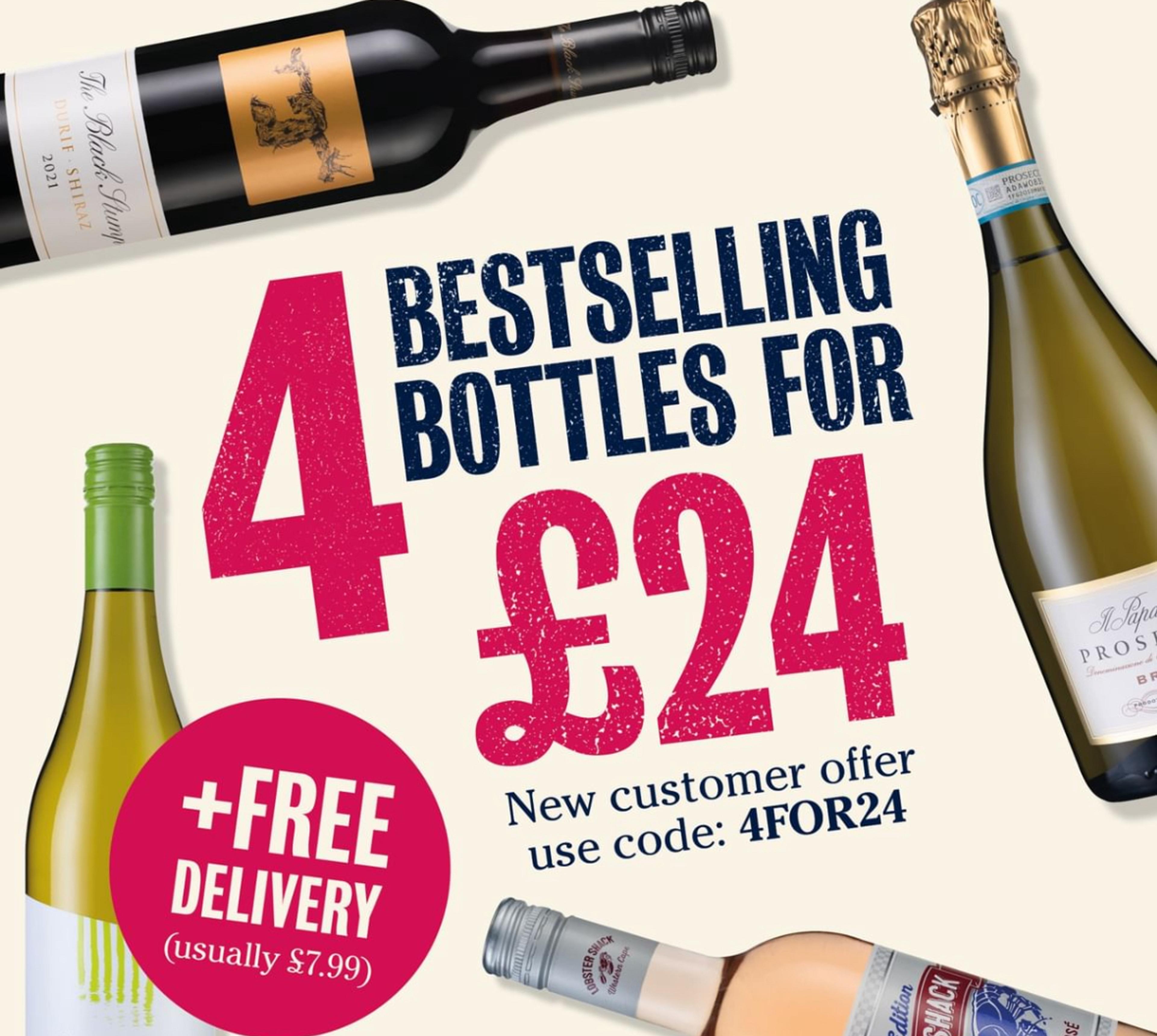
A typical set of images that come up if you search "wine" on Instagram
Wine attracts smart people. People with good memories who love facts, detail, process, and classification. The sort of people who might reasonably be analysts, financiers or engineers if they didn’t work in wine.
The problem with analysts, financiers and engineers is that they are rational. Which means they assume people buy things rationally. Which leads to them trying to sell things rationally. Scroll through wine Instagram and you’ll see:
- Bottle shots.
- Label close-ups.
- Tasting notes.
- More bottles.
- Food pairings.
- More tasting notes
All rational ways to sell wine. It’s how your engineering department might tell you to sell wine. The problem is people don’t buy things rationally, they buy things emotionally.
All these things are product features, not emotional triggers. Wine people love this stuff (or at least tolerate it), whereas normal people scroll straight past. Any grad in an ad agency would tell you it’s not the way to sell a product.
So how would they tell you to go about it?
Without primal emotion, wine needs manufactured emotion. This is where looking at advertising becomes even more useful.
Do you know what nobody cares about? Insurance. It’s deathly boring but something you need to buy.
So how do you sell it? On price, or product features? No… with toy meerkats, obviously.
Good advertising sells things people need, but don’t feel emotional about, at least not naturally. Whether that’s insurance, broadband or sofas.
No one gets hungry for car insurance. But advertisers make you feel something, which makes you remember them when you next need what they sell.
Take the John Lewis Christmas ad. Every year they sell their entire shop through a tiny emotional moment between relatable characters, often with a nostalgic soundtrack. This year it’s a dad and his son. The product (a record) is a supporting character, and even though John Lewis sells vinyl, they’re hardly a record shop.
But that doesn’t matter, because they are not trying to sell you a record. They are selling the feeling you associate with the awkward but heartwarming bond between father and son.
The formula:
1. Make you feel something
2. Anchor that emotion to the brand
3. When you’re ready to buy, you remember the feeling.
Ads sell billions worth of dry, functional products every year by making you laugh, cry or feel fuzzy.
Why do we need to reach “normal” people?
There’s a market research professor called Byron Sharp who wrote a book called How Brands Grow. It’s a marketing bible of sorts. The TLDR version is that new, light buyers combined spend waaaaay more than your loyal customers do, so they should be your primary focus.
The key to reaching light infrequent buyers is lowering barriers to entry. You need to ensure you are easy to notice and buy (aka physical availability). You also need to ensure you come to mind in relevant buying situations (aka mental availability).
The best way to increase mental availability is emotion. It’s not just the unlock between “that shop isn’t for me” and “maybe I’d enjoy going in there”.
It’s the thing that cements your shop in light-buyer’s minds, so when Friday evening rolls round they head straight for you instead of Sainsbury’s.
I’m not for a second suggesting you write Saatchi & Saatchi a cheque for £1m to make your wine shop a Christmas ad, but put it like this…
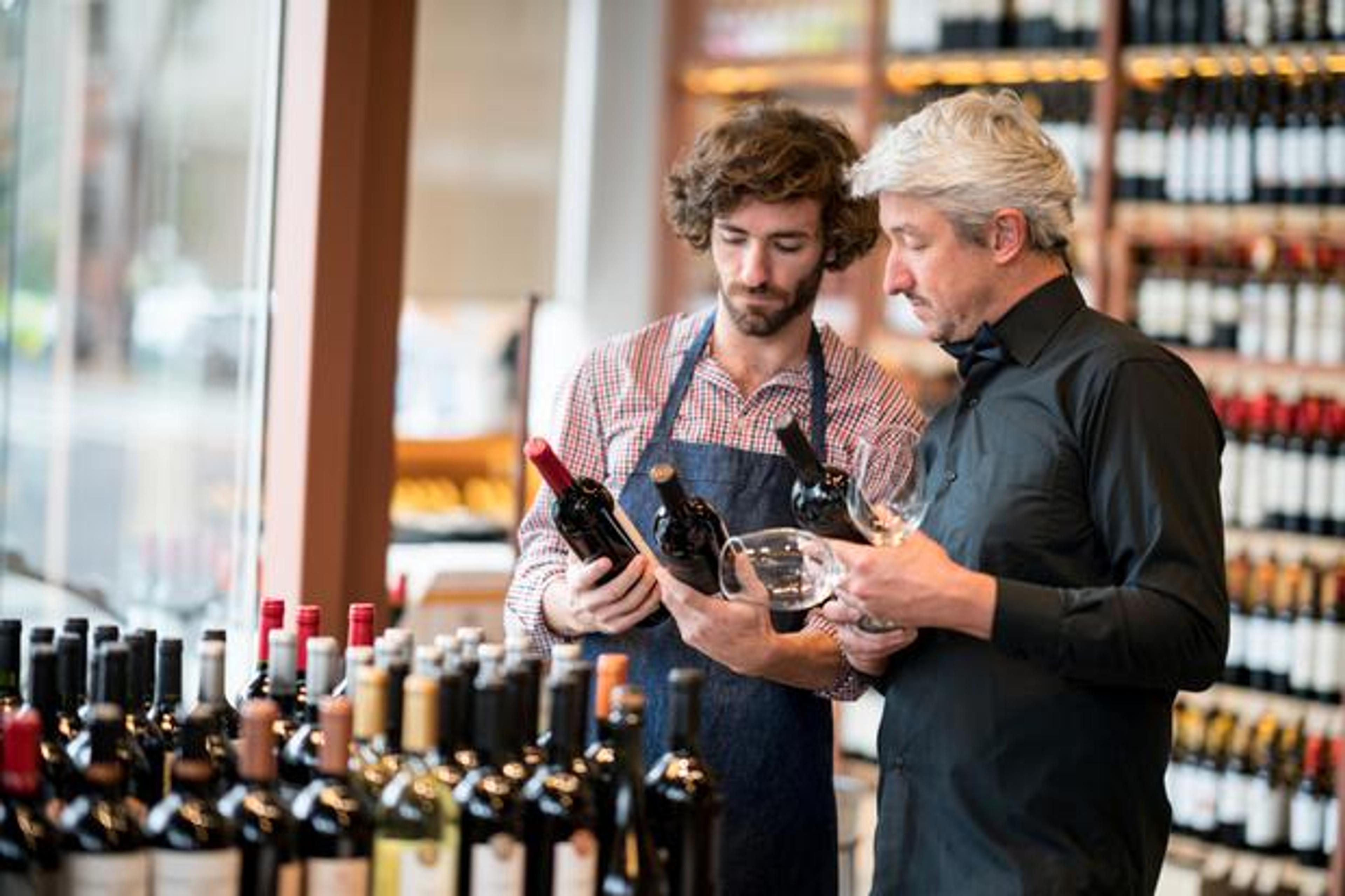
A bottle shot with a technical tasting note on Instagram isn’t going to fix the intimidation problem for a new, light buyer. Even if they stop scrolling long enough to read it, they are not going to remember it the next day. Getting to know your charming and charismatic staff a bit better on the other hand…
Wine definitely has better stories to tell. We just haven’t started telling them in the right way.
As an industry I think we’re still in the Lloyd Grossman Masterchef era of technical detail and fussiness, and hopefully we’re just around the corner from Jamie Oliver sliding down the banister to come along and make it relatable.
Maybe the real question isn’t “how do we demystify wine” it’s “how do we make it more fun”.
* Tom Planer runs the Corkable online wine recommendation site based on people's taste preferences. You can find out more about it here.
* Corkable is currently running an online survey where it is asking people to share their taste preferences. If you would like to take part then click here (takes about five minutes) and you have the chance of being entered into a prize draw and the chance to win a bottle of 2015 Pape Clement and two bottles of Pillot & Fils 1er Cru Morgeot bottles which will go to three participants drawn randomly.