Who would be in the UK on-trade now? If you are a brand owner, and particularly one looking to break into the UK, you could be forgiven for thinking this after the many months of negative headlines about pub closures, crippling business rates and government intervention (or lack of).
Sadly, the on-trade has become a less appealing part of the mix for a drinks company launching a product, and this has particularly been the case since Covid.
The reasons are understandable. Costs have risen sharply, operators are under pressure, and access can feel harder than ever for new brands. From listing fees to the cost of activation, the barriers can appear significant.

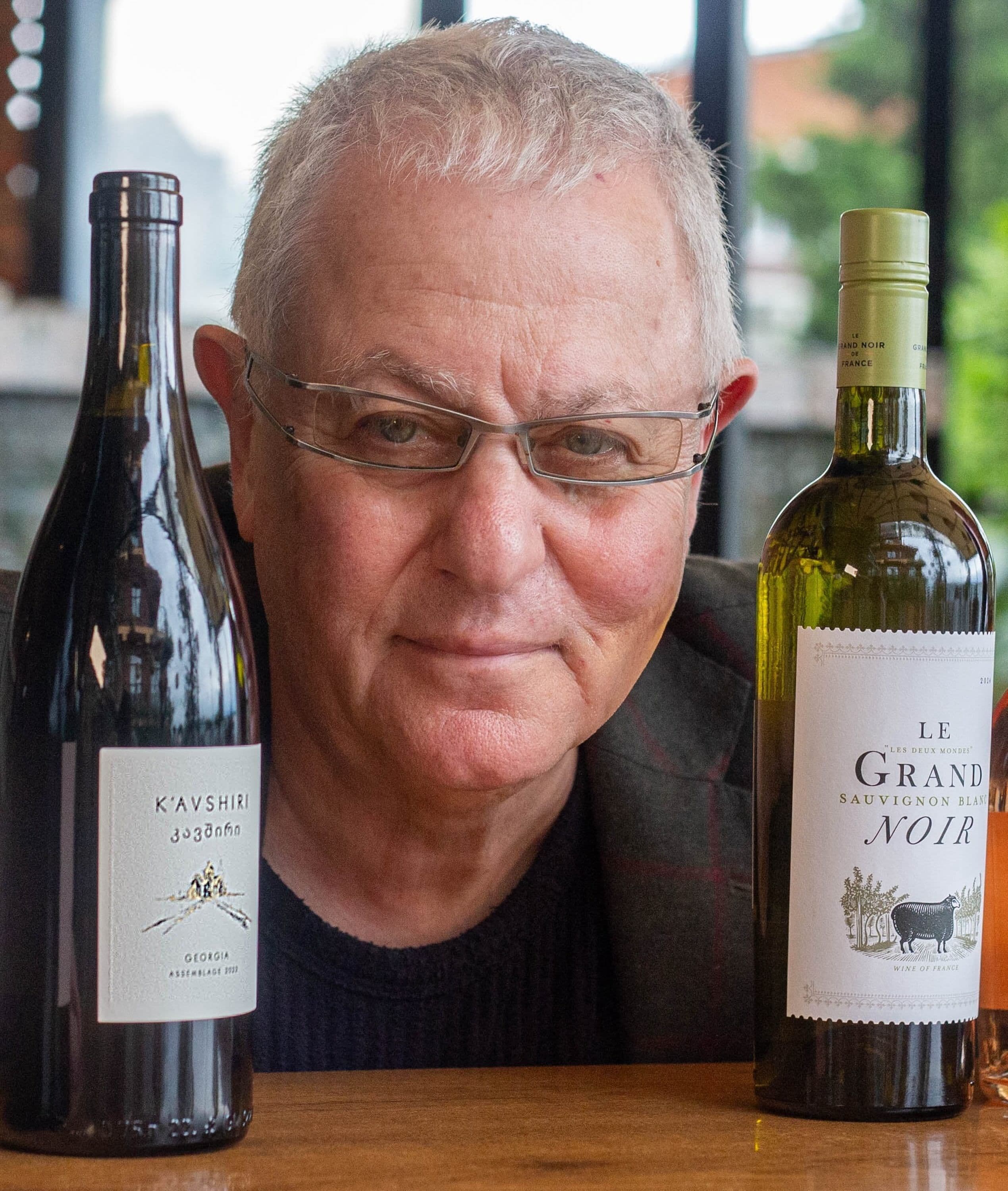
Matt Mckee has spent his caeer launching new drinks brands into the market and now runs his own consultancy and the Miracle Rum Company
But as someone who has spent his career launching, supporting and accelerating new spirits brands in the UK, I can assure you that you must still see the on-trade as a vital platform to launch in.
In fact, for challenger spirits brands the on-trade remains one of the few places where you can genuinely become a brand rather than simply exist as a product. The role of bars, pubs and restaurants has evolved, but its importance has not diminished. If anything, it has become more specific and more strategic.
Tapping into discovery
The industry has historically been dominated by scale players built on distribution strength. But modern consumers, particularly those visiting quality venues, increasingly want discovery. They are not going out simply to drink; they are going out to experience something different.
That change in behaviour matters. Increasingly, a night out is about exploration: trying a cocktail you have never heard of, tasting a spirit recommended by the bartender, or discovering a brand story that feels distinctive. These are moments that do not happen in supermarkets or even specialist retail. They happen in venues where someone is actively curating the drinks experience.
Many back bars now look almost identical to the venue next door and that is a commercial disadvantage. Consumers notice repetition. For operators, differentiation is valuable, and drinks are one of the easiest ways to achieve it. That creates a natural opening for challenger brands.
Operators increasingly want stories, provenance and individuality. They want local, regional and distinctive products that give bartenders something to talk about and guests something to remember. A challenger brand can provide exactly that. The on-premise is where personality beats penetration.
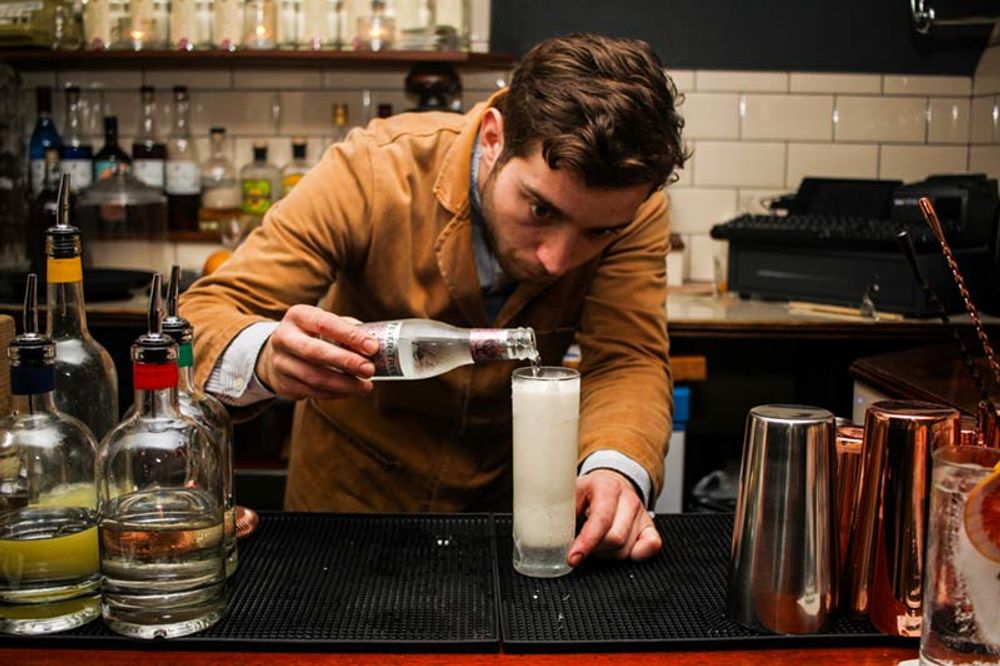
Bartenders play a vital role in introducing new brands into the on-trade - getting them onside is a key part of any new brand launch says Matt Mckee
Bartenders also play a role that is often underestimated by founders. In the right venues they act as translators between brands and consumers. A knowledgeable bartender recommending a spirit carries a credibility that no advertisement can match. When a guest is told why a product is interesting, how it is made, or why it works in a particular serve, the brand becomes more than a label on a bottle.
That interaction is powerful. It transforms trial into advocacy and a drink into a recommendation. For challenger brands without large marketing budgets, this kind of earned credibility can be invaluable.
Cost of access
However, this doesn’t mean the on-trade is easy. The challenge today is not relevance but economics. The cost of access – listing fees, activation and access – is significant. Smaller producers also face the challenge of scale expectations. Some operators want brands that can supply quickly and consistently across multiple venues, which can stretch young companies still building their production or distribution.
Yet avoiding the channel entirely is a strategic mistake.
Brands are built through multiple points of contact. If a consumer only encounters your product on a retail shelf, awareness is passive. They may buy once, but they rarely form an attachment. There is no context and no guidance on how the product should be enjoyed.
When a guest tries the drink in a bar, however, they understand how it should taste. They trust it. They associate it with a moment – a meal, a cocktail, a conversation. Then they see it in retail and purchase with confidence.
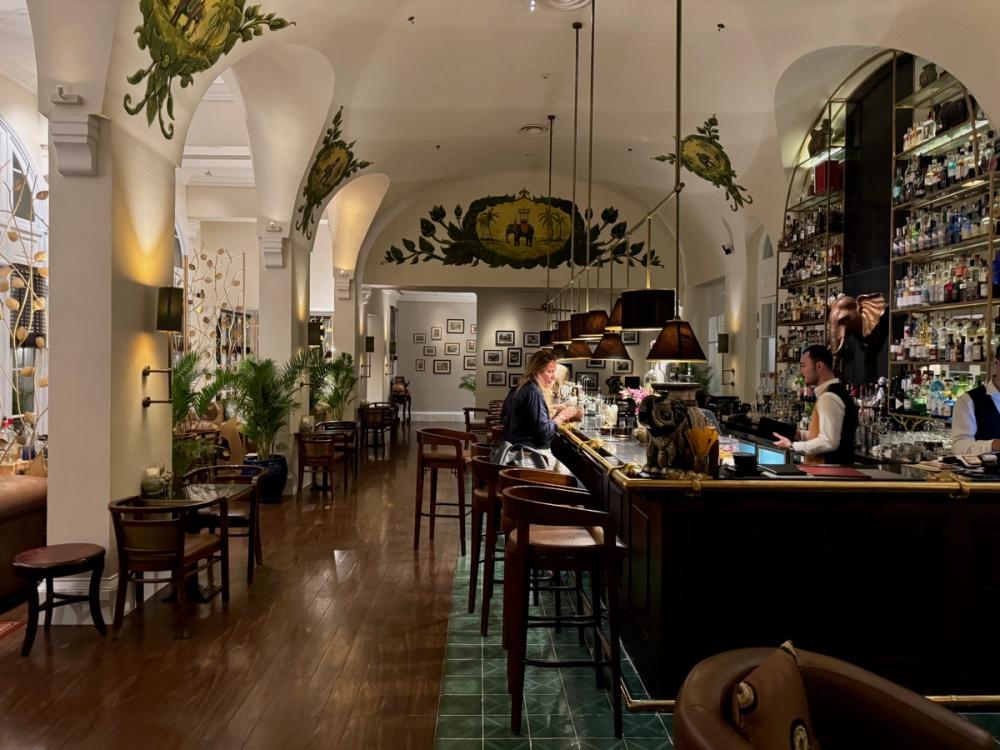
Well curated bars provide the perfect platform for brands with real personalities to shine
The on-trade is also uniquely powerful because it lowers trial risk. A consumer may hesitate to spend £35-£50 on a full bottle of an unfamiliar spirit, but they will happily spend £10-£12 on a well-made serve. That single drink becomes the gateway to habit formation.
Habit, not awareness, is what ultimately builds sustainable brands.
Right place, right time
For challengers, success in the on-trade does, however, depend on precision: identifying where the brand should belong, not just where it can be listed commercially. A smaller number of aligned accounts will outperform widespread but badly planned distribution every time.
The venues you choose shape how consumers perceive the brand. A thoughtful placement in the right bar can create far more impact than dozens of listings in places where the product has no real story to tell.
Today’s market conditions mean founders must be disciplined. You cannot afford to activate everywhere, so you must activate somewhere meaningful. The objective is not to be seen often, but to be remembered clearly.
The on-trade remains vital because it provides education, credibility and ritual. Challenger brands are built on belief. And belief is formed across the bar.
Matt Mckee is former managing director of Proximo Spirits and managing director (Rest of the World) at Distill Ventures. He is now a drinks industry consultant and owns the Miracle Rum Company and Deeds Rum brand.