
I partially blame American country music.
I am as fond of Dolly as the next farmer, but in ‘Country’, you only turn to booze when you lose your horse, your cowgirl, your job… when things go ‘really bad’, like your pickup blows a gasket, you go straight to the ‘bottom shelf’. With country music, it’s three cords and… a substance abuse warning label.
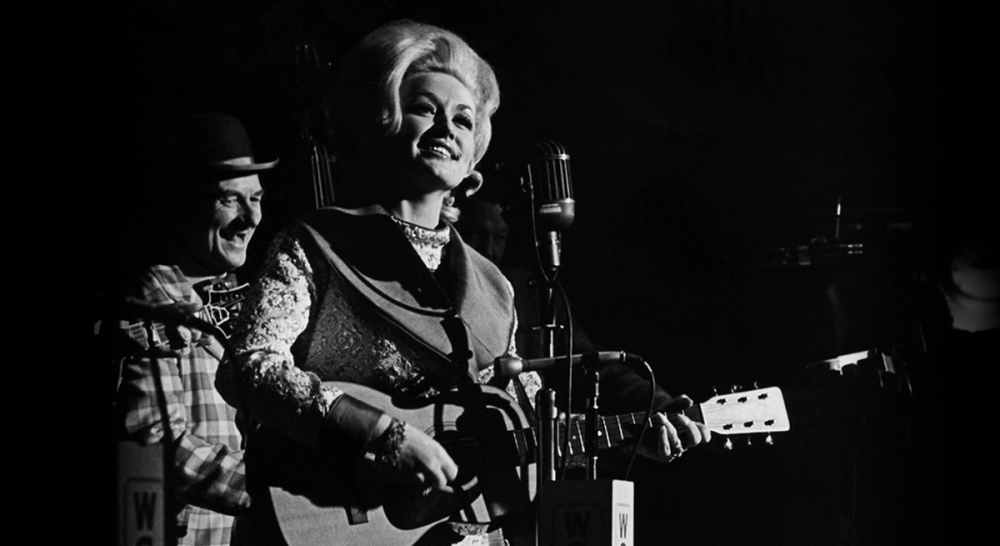
Dolly Parton has - tongue in cheek - got a lot to answer for when it comes to how alcohol is percieved by many - particularly the dangerous anti-alcohol health lobby
When things are rosy, there’s no rosé; when things are peachy, there’s no Pichon Baron… it’s hangover-free love, mocktail sunsets and sober rodeos.
But mostly I don’t blame country music - it’s our fault.
In the ancient past, when winemakers held the secrets to wine, we were revered shamans and high priestesses; our art chosen from specific properties to accompany Pharos in the afterlife. Today we are a lowly caste - our contentious views reserved for polymerisation and pH levels.
Unheralded, but happy, the fortunate of our guild remain in the shade of vineyards and cellars – in the background of our pyrrhic campaigns – opinions kept under cork and cap.
Then there are those winemakers who did something terribly bad in a past life and are made to sell wine, or worse, make decisions on behalf of a business. But no matter our personal cross to bear, we all share a disturbing angst caused by the systematic dismantling of our existence – an attack on the essence of our craft – philosophically, spiritually and in practice. I am, of course, talking about the extremist, one-sided attack on alcohol.
Ever since we first started recording our sentiments about booze, our consumption of alcohol has been controversial and endlessly enlightening. These have flowed down the centuries to us in a cacophony of mythology, theories, rules, opinions, dire warnings and enthusiastic endorsement. Records survive from ancient Sumerian pub laws to the seed of democracy itself (look up the origins of the Greek word ‘demokratia’ and the ancient Athenian civic duty to drink wine with fellow Athenians).
Even more engaging is an epistolatory treasure trove including Aristotle to Alexander the Great, and Hemingway to the post-modern world… the recorded cannon of much recorded communication is steeped in booze.
So why try to snuff it out now? That’s an interesting question.
Rumblings of war
We’ve faced off harbingers of our doom before – the fascist American prohibition experiment being the most recent. But what we are facing now feels different, less like a fundamentalist knee-jerk. It’s more like a malignant fog, at first just clouding common sense, but thickening until we become disorientated and overcome.
I may be an African at the far end of the world, but I know about societal self-destruction. I’ve lived through the last three decades of South Africa’s teetering stumble through a young democracy’s lows and highs.
This continent’s implosion has been rapid for many reasons, not least of all the rotten foundations of colonialism Africa’s wobbly revival was built on. And, obviously, the UK is currently some way from the powerlessness average Africans live with, but the road signs leading to the same wasteland are popping up in the western world; the concept of freedom of speech being one.
And whether we like it or not, what has happened to the UK wine industry is also one of those signs.
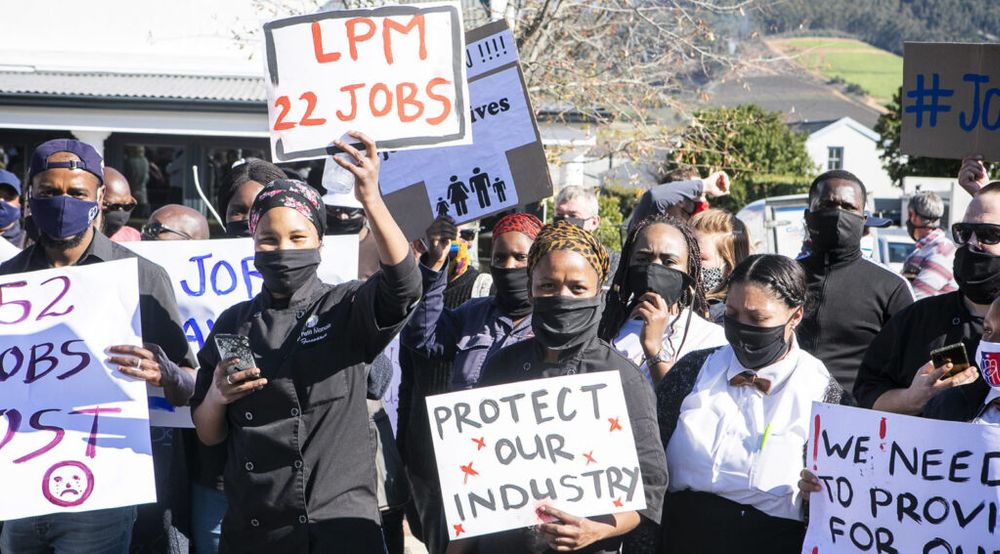
The South African wine industry has come under sustained attack by the health lobby and anti-alcohol political lobby - which came to the fore during the Covid lockdown
South African wine has been through this autocratic disenfranchisement already – a combination of the ANC’s paternalistic-Marxist philosophy and the systemic social destruction already caused by alcohol abuse (through cheap beer) during Apartheid.
These overlapped to create the political atmosphere in which a predominantly white, male, Afrikaans wine industry was neglected, and at times, purposefully undermined.
And when Covid lockdown happened, the gloves came off. We were collateral damage in an unhinged and fundamentalist crusade to seize away the foreign-owned ‘hold’ cigarettes and beer had over the black working class. For many years to come South Africa will bear the brunt from the illegal trade that misguided, and at times, malicious purge facilitated.
Obviously, the UK situation was, and is, different. However, one could argue it involves more sinister actors, and the destruction may be worse.
The fringe-mad, anti-alcohol nutcases were the spark in the UK, and industry complacency allowed the fire to spread unchecked. When the public was presented with flawed and contextless theories describing the all-encompassing evil of alcohol, we were silent. This received doctrine is now ingrained like sanctimonious dirt under fingernails of WHO bureaucrats, poisoning policy and erroneously eroding our worth, financially, socially and psychologically.
This despite every corner of the scientific and academic world having shown that moderate alcohol consumption fuels inspiration, creativity, social cohesion, equanimity, etc…
Where were the passionate, verifiable counterarguments to these early attacks?
Then the pro-cannabis lobby (with shady Big Pharma money slushing about in the background) reared its hungry head. Over 50% of teenage psychotic episodes have been linked with THC in South Africa - I assume the situation is similar in the UK.
That’s happy hunting statistics for organisations who make their loot peddling anti-anxiety and similar drugs. It benefits Big Pharma to see cannabis laws relaxed and wine taxed to death.
The Battleground

The drinks industry has not done enough to stand up and make the counter argument in face of the sustained global anti-alcohol movement, says Bruce Jack
But this still doesn’t fully explain the extent of the demolition job we are collapsing under. Some of the blame must lie with us, the industry – both in South Arica, the UK and around the world. We may feel outgunned, but to date, neither industry has shown enough fight.
Complacency plays a role, but we also seem intent on a degree of self-sabotage. We clearly don’t know how vital our role in society’s wellbeing is. We also seem to have forgotten our noble legacy and lost our confidence under the avalanche of bad press – even though we all know that wine was the lubricant for all great civilisations. Our resolve and actions don’t make sense in this context.
Have we been so panic-stricken by the fickle drinking habits of befuddled youngsters – social media distorting their sense of reality? Has the sway of yacht-owning, nouveau-riche rosé consumers been so disorientating? Are we leading or being led by underpaid, and often inexperienced, supermarket buyers?
Do we no longer take our craft seriously?
Perhaps we no longer take our worth seriously, and is that part of the reason we haven’t fought back?
No alcohol - a thing
Globally, there were signs we were being outmanoeuvred early on, but the war on wine took a turn for the worse when ‘no-alcohol’ wine became a ‘thing’. I remember the day I was cornered by my marketing team (who cunningly first offered to make me a delicious cup of tea) and told that I ‘absolutely must’ produce an alcohol-free wine…
I have thought hard about it. I have also heard the business arguments for no alcohol and they are compelling. Most wine businesses are staring down overwhelming odds, and these are complicated, precarious times. In many cases, our financial survival is at stake, and we must all keep the lights on.

Sabliére is an example of a zero alcohol product that is being made with craft, care and passion, says Bruce Jack
I have been peripherally involved with, and support, the magnetic Sabliére duo of Lucy Isles and Kim Wilson in their ambitious dream to ‘build’ a no-alcohol Champers from the ground up. Utilising specialised yeast and fermentation techniques that convert grape juice sugar into compounds other than alcohol, and cleverly mimicking Champagne’s other characteristics, is a fun, fascinating organic chemistry riddle to help solve.
But removing all the alcohol from wine is no fun at all. It’s like ripping the spirituality from religion, the last chapter out of a novel, sunlight from a day. You are left with dogma and dreary hopelessness.
The machine we use to cleave alcohol from wine is called the “anti-Christ” by winemakers; and for good reason. When forced to use it by businesses chasing growth or suffering a degree of panic, we do the sensible thing, succumb to the pay cheque and look away.
But we do this after delicately growing magnificently ripe, sugary grapes, carefully crafting them into magical wine… only then we rip out their essence – the reason wine originated and exists. It’s bonkers.
We are confidently told by people with hefty presentations of AI insight that zero alcohol wine allows people to look cool in public while guzzling shit non-wine; something ‘all’ young people have a ‘deep desire’ to do.
Makes no sense
This makes no sense to me. Why would anyone (social media-brainwashed GenZ included) want to drink something that’s bad for them because of all the sugar and crap we throw at it to make it taste less like licking the floor of a Bakerloo tube carriage? What’s worse, there’s no relieving buzz. If anything, zero alcohol wine probably adds to the burden of our toxic stress.
Look, I know it’s easy to be brave and bellicose in an article like this. I’ve been on the receiving end of enough misinformed and agenda-laced criticism from small men hiding behind big words to know.
So let me make something clear - I am not judging anyone who produces a no alcohol wine.
And if you come across a Bruce Jack 0% in your local Tesco, don’t judge me either! Rather send love and chocolates, because in my case, it means I’ve lost my chess game with the bank and can no longer fight the riptide.
Crucially, zero alcohol wine is only a symptom. The existential threat we face is far more ominous.
Removing alcohol from wine is a recent battle lost because we didn’t fight back hard enough, but in the overall scheme of things, it’s just a skirmish in a bigger war on wine’s role in humanity.
Context
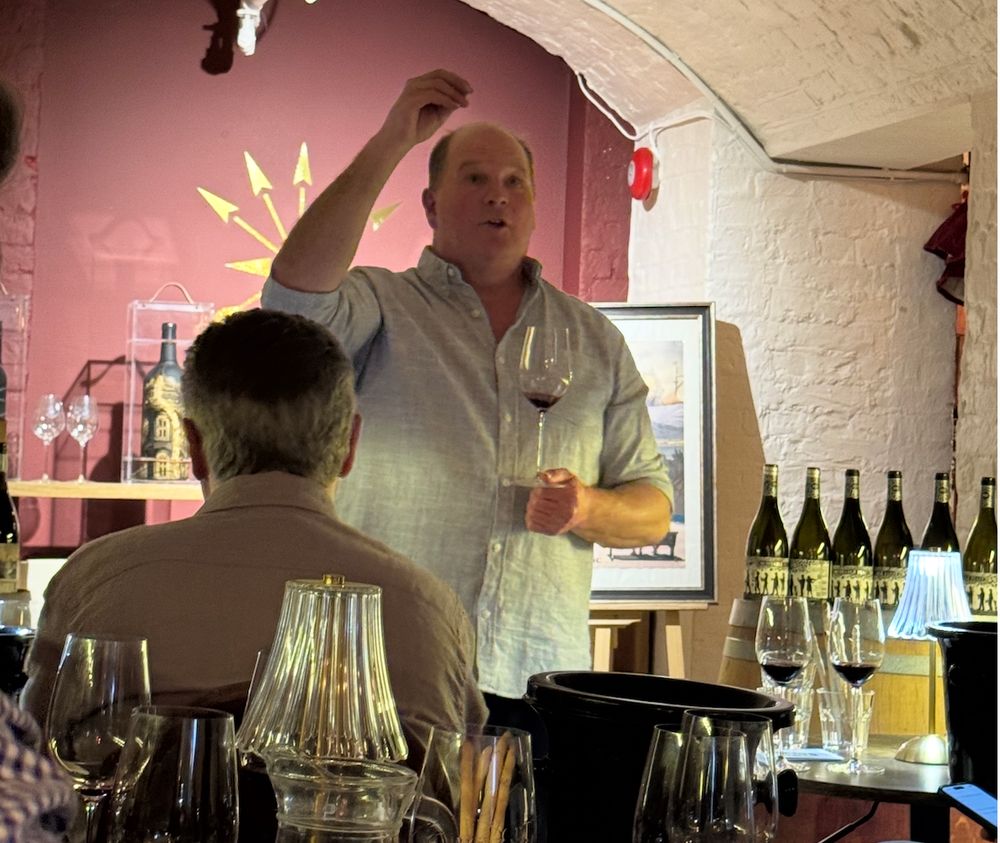
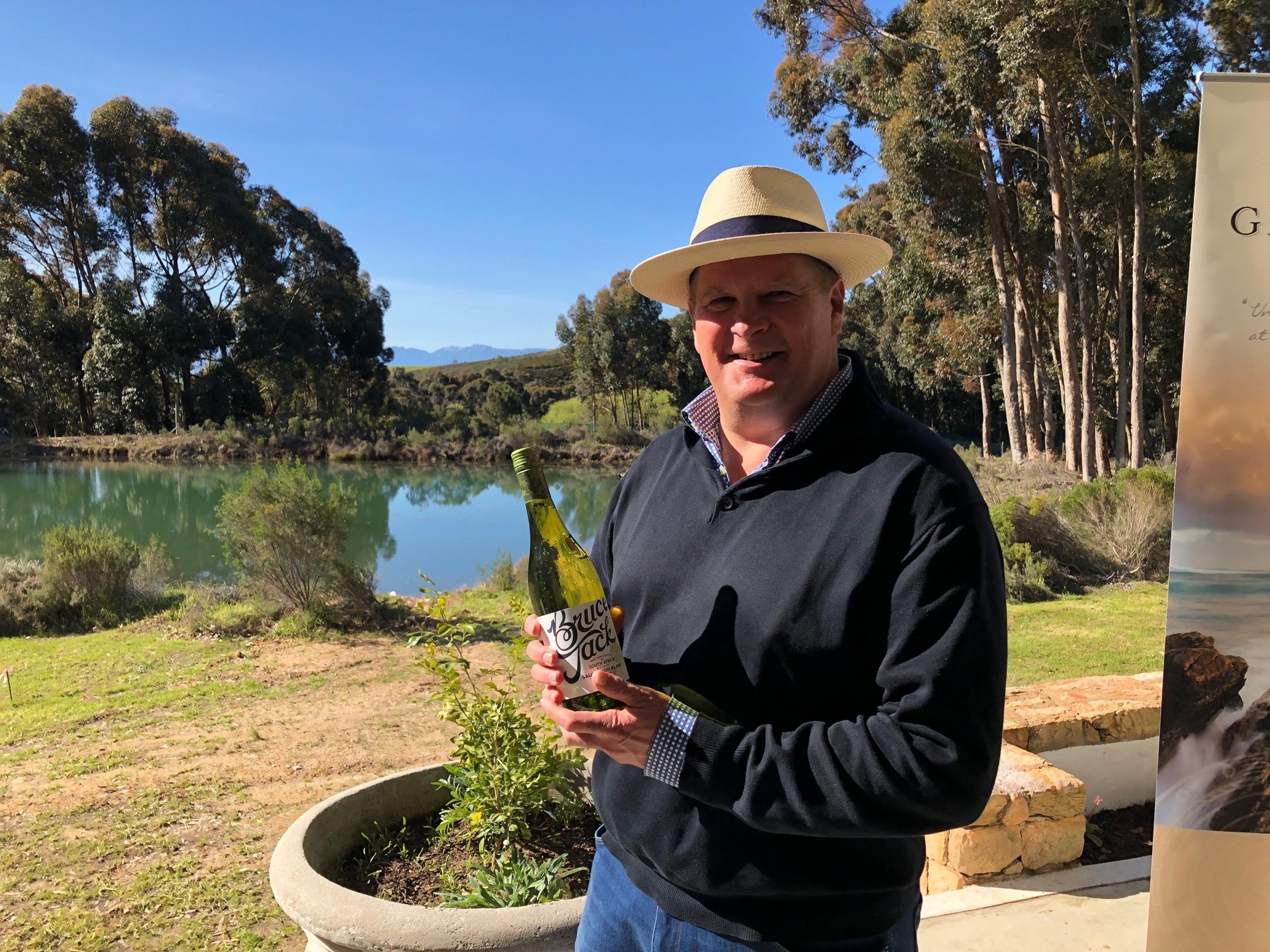
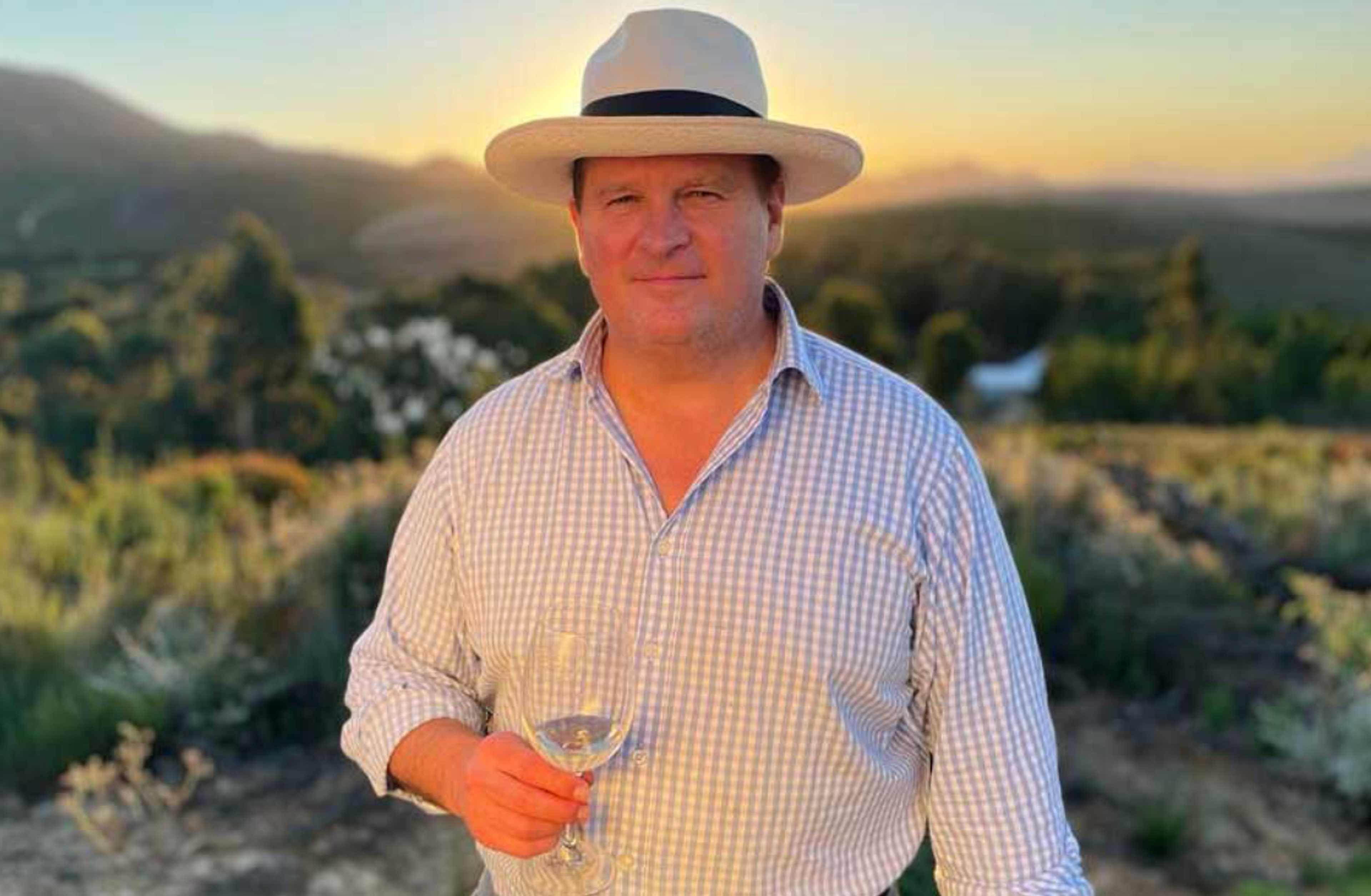
Bruce Jack believes the essence of what it takes to be a good winemaker is being existentially threatened by the rise in zero alcohol wines
None of us are here to defend alcohol, but we must all loudly defend half of alcohol, because we all know there is a lot of good - in the same way we naturally defend life, even though there is death at the end of it.
Of course, we have all cut ourselves on alcohol’s double-edged sword, and we must continue warning against the abuse of booze... but that’s only a half-story – a self-evident and tiresome one at that.
We must trumpet wine’s full story, and especially the glorious side, because booze is an internal mirror of all our external challenges, creative journeys, nature’s truths and treachery, and a conflagration and concentration of human emotions, missteps and triumphs. It’s an enchanting dance that effortlessly balances light and dark – all the bad in wine is offset by the good; and this has been since we could think like we do.
Again, it’s our fault. That good half of the story must come from us.
Strategy
Here’s a certainty few of us talk enough about – alcohol has always been a fundamental part of human culture. An attack on alcohol is therefore also an attack on our humanity. We have a duty to stand up for our industry, but we should also have an interest in standing up for humanity.
As a species we first encountered alcohol by accident – at the southern tip of Africa, long before we trekked up into Europe and hurriedly dispersed away from each other like the pissed-off cousins we are.
We don’t know exactly when the neural fireworks of booze first exploded in our brain, but it would have been ignited by naturally fermented honey – ephemeral mead (note to self – make more mead).

"Alcohol has always been a fundamental part of human culture," says Bruce Jack
This experience could well have been one of the catalysts for cognitive thought – the thing that separates us from other animals. And it is clear the cultural importance of alcohol in the form of mead remained ingrained for epochs, atavistically titillating the imaginations of the furthest-flung human settlements – in the bible it gave us the ‘Land of Milk and Honey’, and in English, the word ‘Honeymoon’.
The next time you look at your smartphone, know that it would not exist without cognitive thought; without your ancestors getting tipsy, among other triggers (along an extended timeline) like cooking on fire (resulting in a huge physiological jump forward), an abundant, omega oil-rich diet when we were constrained to coastal survival (resulting in bigger brains).
What some Anthro-archaeologists theoretically refer to as the Age of Eve – a relatively short period during which women were thought to be the primary protein providers, and could choose who to share that protein with.
In other words, probably not the brutes raping them, but the ones more likely to care for their offspring. This circumstantial behavioural change in targeted breeding by females, in turn, resulted in more collaborative social dynamics, more cooperative planning, leading to more cohesive work and efficiency, and therefore, more free time to think and create.
Opens our minds
Alcohol has always been a portal. It opens our minds in a way nothing else has or does. Not only was it a trigger for cognitive thought, but when mixed with ample time to contemplate more than survival, it helped facilitate neural networks in our cave-dwelling brains that led inexorably to our notion of spirituality. We even know when this happened because there is clear archaeological proof.
We already had fire, language, music, art and adornment for thousands and thousands of years. Then something magical happened. We started burying our dead with care and purpose. Yes, the great mystery that haunts us today suddenly dawned on us… what happens to us when we die? The concept of spirituality helped answer our unsettling questions. Is it any wonder the word ‘spirit’ still has two meanings today?
More recently, the Sumerians loved a jar – both beer and wine (but only wine would have tasted similar to today’s tipple). A treasure trove of archaeological evidence proves they regulated it, and offered it, like the Egyptians, to their gods; the same way the Christian faith uses wine to represent the Blood of Christ. And revealingly, on Christmas Eve (the skilfully expropriated pagan winter solstice celebration), we pour a tot of whisky for Father Christmas and cut up a carrot for his reindeers.
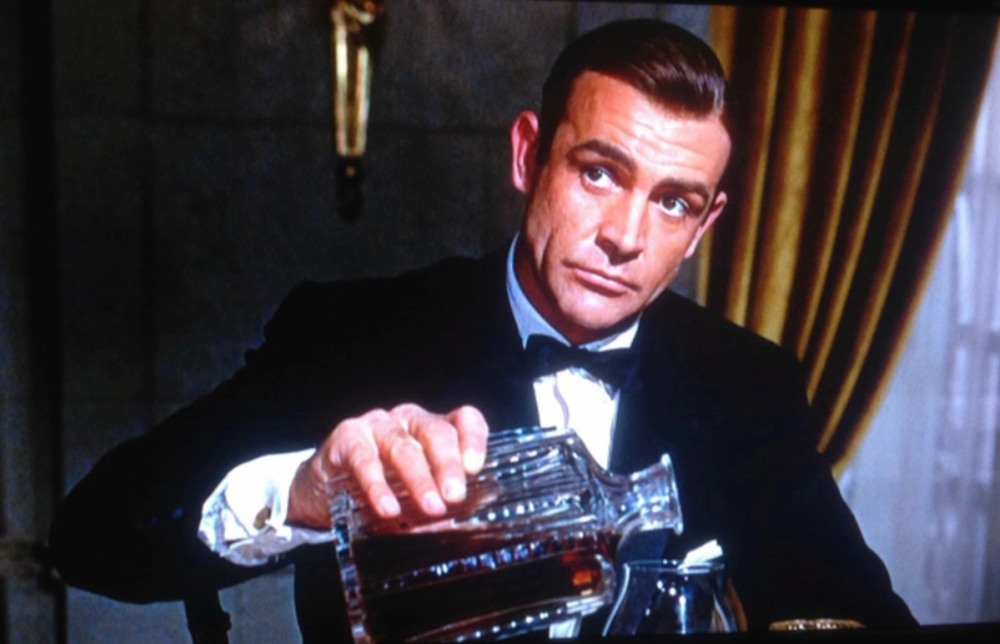
Thank god for James Bond for being a constant reminder that drinking alcohol and knowing a lot about how it is made and where it comes from is very much part of a robust culture
The epic Sumerian poem Gilgamesh (c2000BC) is probably the oldest literary work in existence – from this we know that the Sumerians believed alcohol was bad for some things (daily work, great feats or driving Bentley DB9s), but good for festivities, relaxation, social bonding and getting down and dirty. Not much has changed, even for 007.
The wonder, the chaos, the majesty, the horror, the brilliance, the music, the searching, the gods, the laughter, the love, the daily grind, the wonder, the existentialist threats, the ambition, the despair, the resilience, the wanderlust, the introspection and the prayers – all infused in booze, ever since we came across it in nature.
Our role in humanity’s movie
Some of us may be too fatigued to take up the fight for our industry, others may not agree with my assessment of the threat, but for those with fire in their bellies, let’s start by shining a spotlight on the relevance of wine, and let’s do it with pride, purpose and energy at every opportunity and interaction. Not only because our industry’s relevance is at stake, but because the truth is being eroded by unbalanced communication that ignores the value wine brings to the human party.
Arm yourselves with knowledge, generosity and magnificent bottles to save wayward souls. Without arrogance or excuse, let’s remind our fellow travellers about the central role wine plays in our humanity, today and in our development. Let’s double our efforts to trumpet all the benefits of wine we believe in. And in our actions, let’s demonstrate wine’s mercurial ability to spread equanimity, ease toxic stress and create social cohesion. With the Third World War looming, God knows we need that more than ever.
We need a bold new, brave, rejuvenated and cohesive strategy to properly inform the public and policy makers with the full story and balanced facts. Wine belongs and it adds value to our countries and communities – financially and within society.
There is much we can do, and there is certainly more fighting to be done.
PS: Country Music - there is always the beautiful outlier...For a refreshing sense of wonder, listen to Zach Bryan’s melancholy, phosphorescent “Lucky Enough” Poem on his album “The Great American Bar Scene”. A hopeful reminder that not all is lost across the pond.