
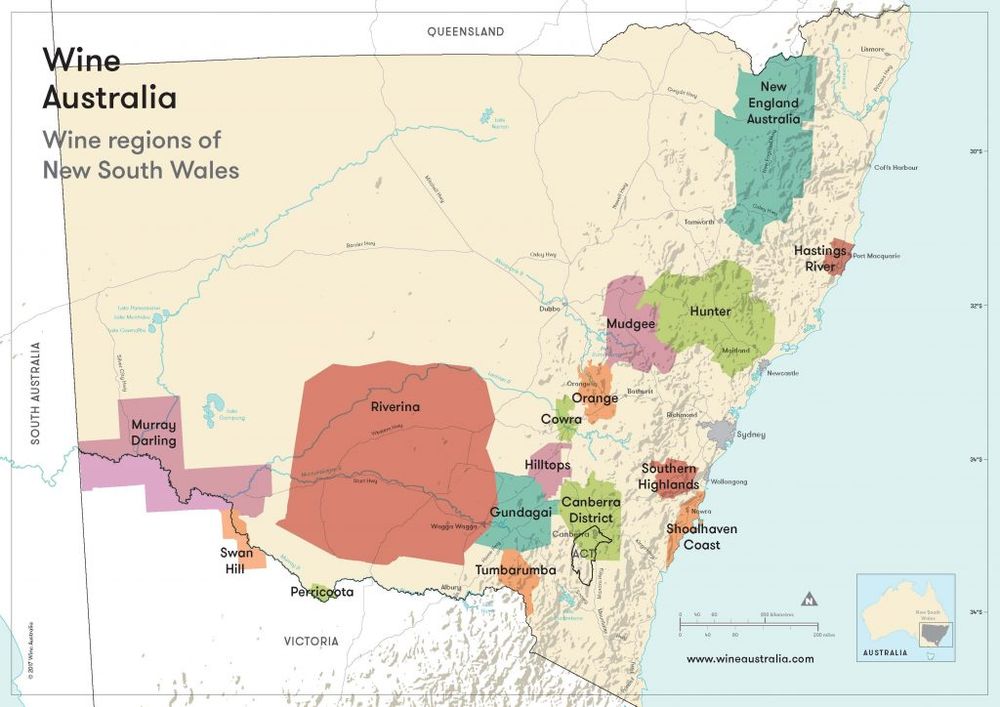
Cool climate wines from Orange in New South Wales, the Southern Highlands and the Granite Belt/ Queensland vineyards of South Eastern Australia were all the focus of Cool Climates: Altitude With Attitude, the most recent of Wine Australia’s popular seminars.
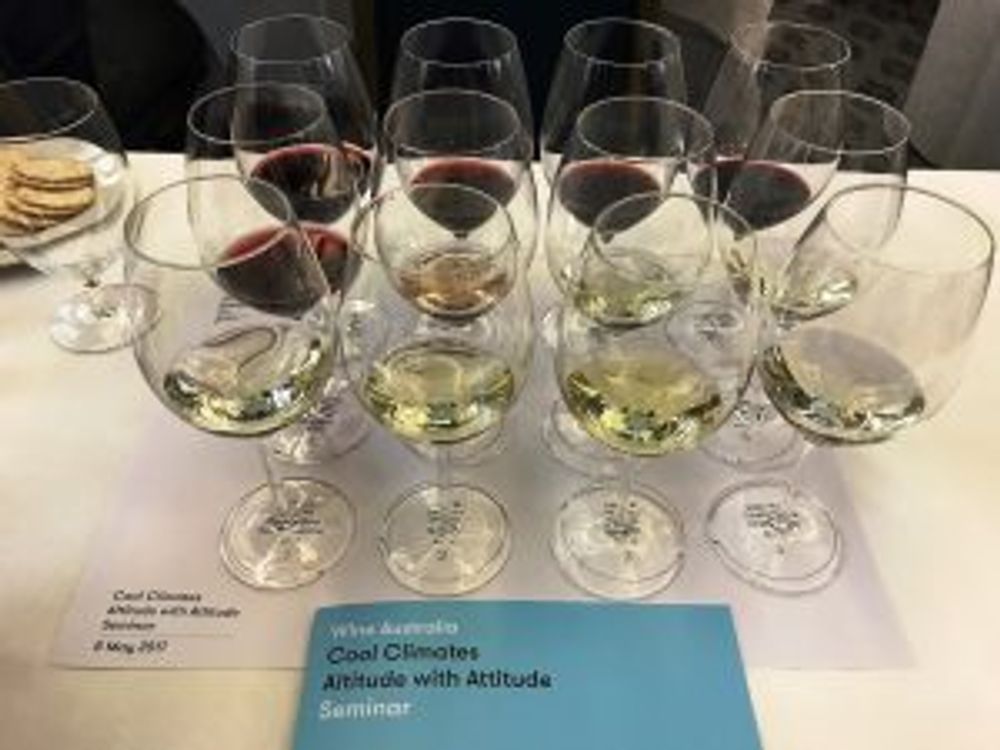
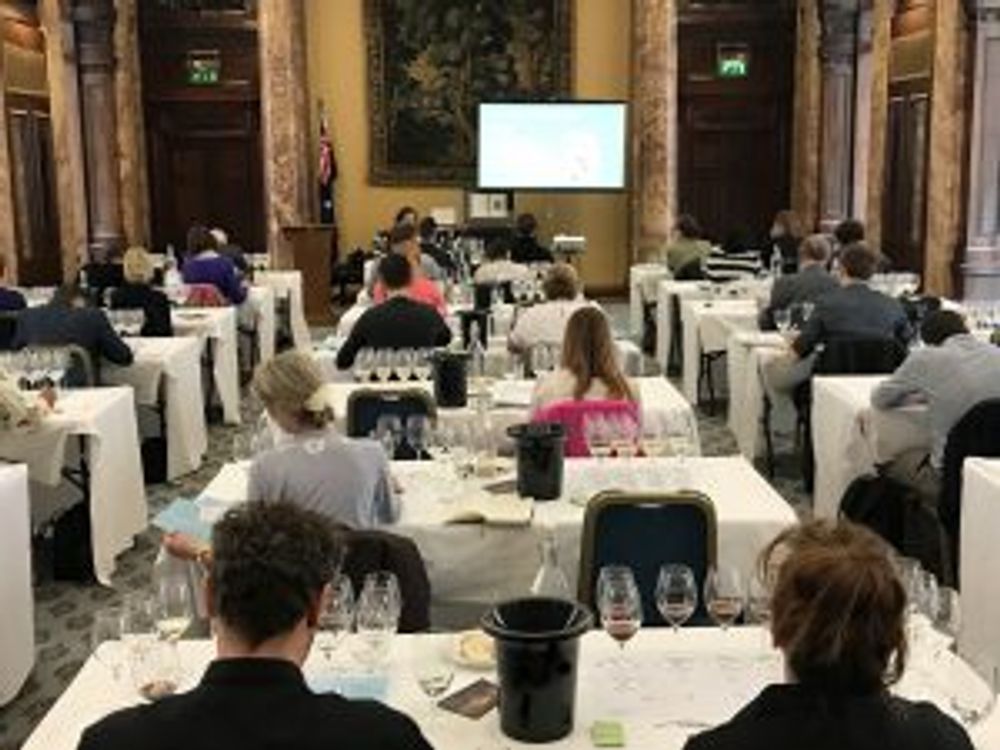
“Don’t go coastal, go high,” was the uplifting message of Sarah Ahmed’s recent seminar at Australia House.
The Wine Detective’s cunningly titled Cool Climates: Altitude With Attitude looked in forensic detail at inland cool spots with altitudes of above 600 metres, where the accompanying advantages of increased elevation temper the effects of a sub-tropical climate.
A dozen wines were tasted for evidence of “elegance, complexity and a distinct taste of place” from Orange in New South Wales, Southern Highlands and Granite Belt/ Queensland vineyards of South Eastern Australia.
Creating a distinctive style through altitude
In seeking distinctiveness the winemakers know there is no point in emulating familiar Aussie styles; on the contrary, the wines must emphasise their particularity.
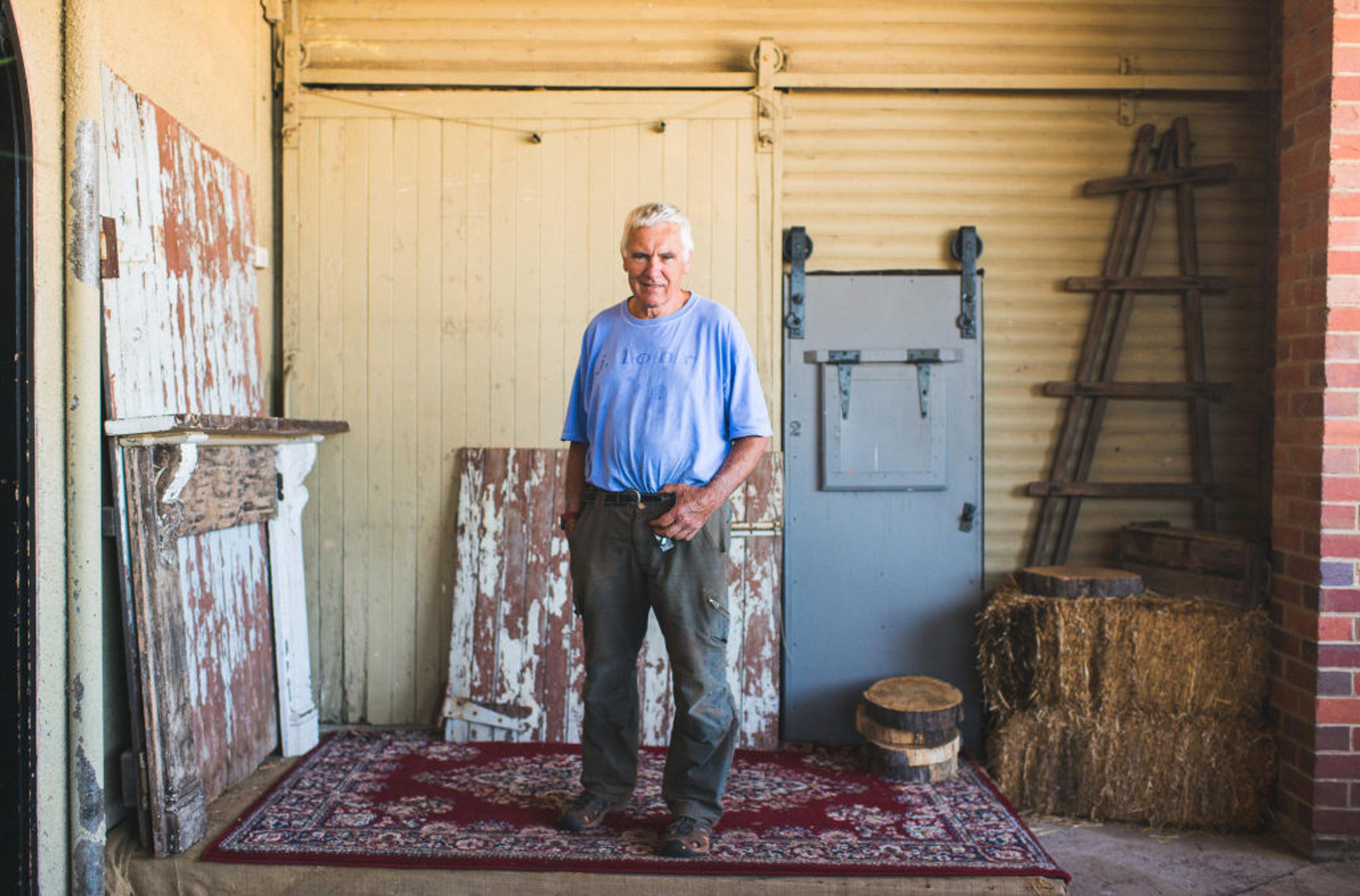
As veteran winemaker Philip Shaw, represented here by the subtle No.11 Chardonnay from his Koomooloo vineyard, has remarked elsewhere: “Every wine should be placed on its own canvas and not replicate others.”
So what are the key positive factors of higher altitude in these regions?
- The Great Divide mountain range peaks at 1200 metres above sea level get 0.65º cooler every 100 metres of elevation.
- The rain shadow effect of this mountainous spine keeps rain levels lower but not too low.
- The red loam over limestone shales of the Orange region, for example, compensates through moisture retention for this comparative loss of rainfall.
- A long, level ripening season evens out the fruits and tannins, producing well balanced wines.
- The cooler temperatures mean fewer problems with rot and potentially expensive disease control.
- A marked diurnal temperature difference contributes to a balance of fruit and tannins, higher acid levels and more pronounced aromatics. Philip Shaw’s vines in Orange, New South Wales
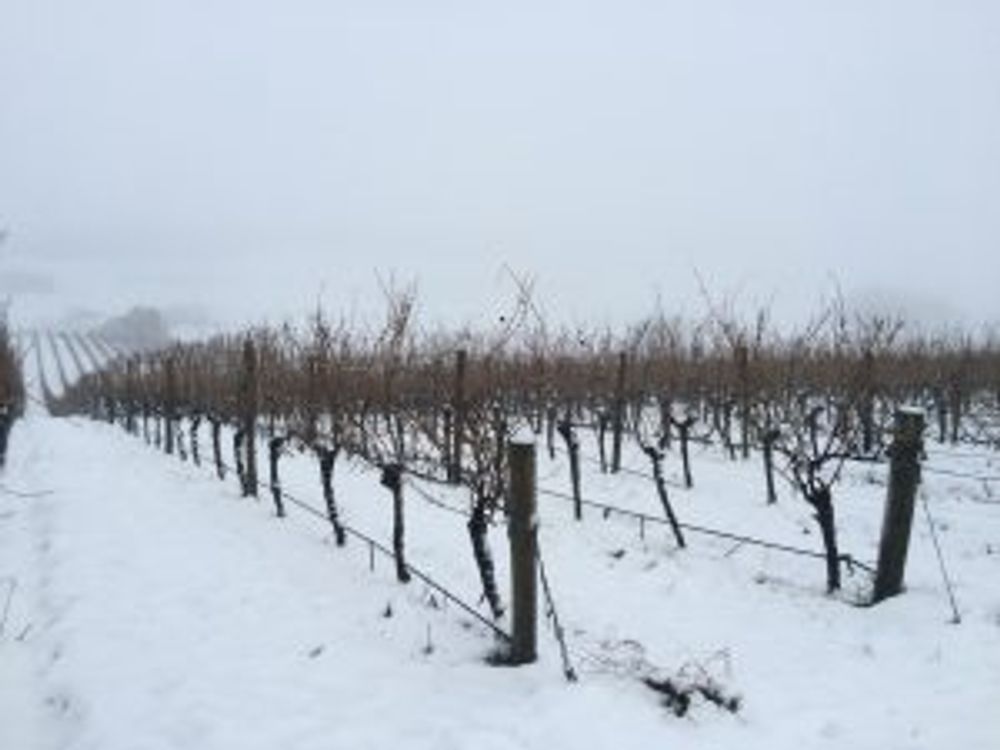
However, despite trading the ameliorative effects of a coastal climate for their inland continental equivalents, difficulties still remain: not all of the disease pressure problems associated with sub-tropical humidity evaporate with higher elevations; thunderstorms and hail can cause crop damage, so hail netting is not uncommon.
Ahmed compares these challenges with those of the Dão region in Portugal, another of her areas of expertise.
Other issues are more region-specific. Cobaw Ridge dropped the Viognier from its Northern Rhône style red blend (Macedon Ranges/Victoria Syrah Viognier) on discovering that the local kangaroos had a gourmet penchant for the perfumed grapes.
Are the prices right and prospects good for the on-trade?
So what is the potential for on-trade sales of these Aussie wines with altitude and attitude? Is there potential for a breakthrough? Or is this, as the positive yet circumspect Ahmed suggests, “an unfolding story.”
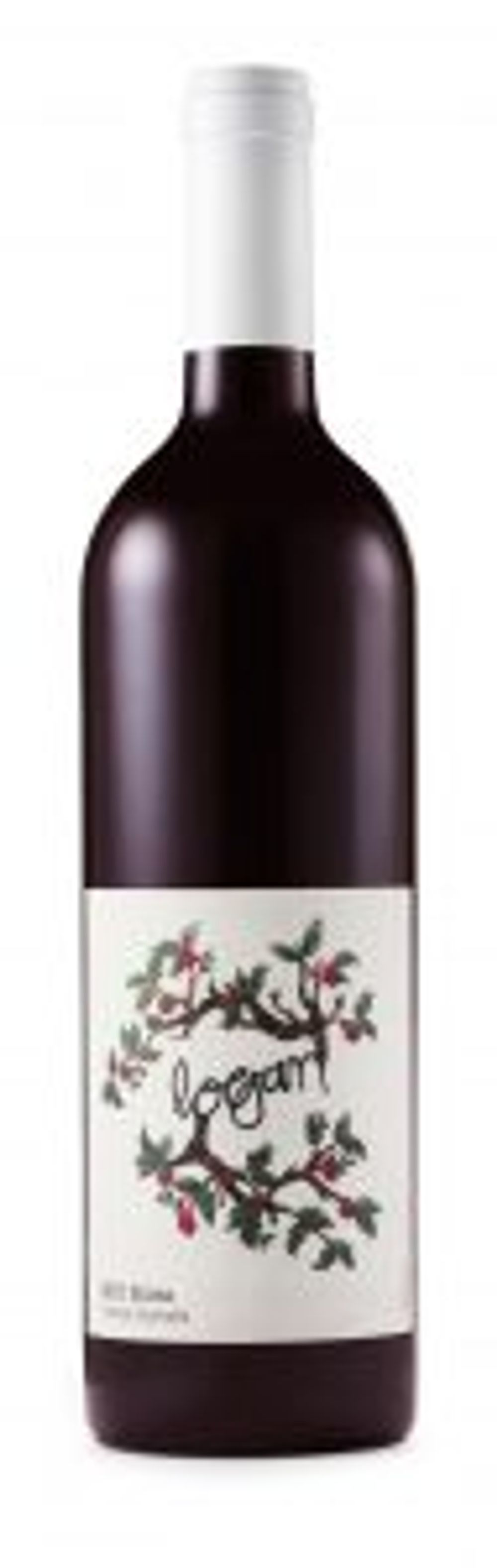
A useful off-trade comparison point is Cumulus Wines’ idiosyncratically labelled Climbing ‘Cool Climate’ Shiraz from Orange that costs a competitive £8.99 from Waitrose. Logan Wines’ 2012 Shiraz, meanwhile, grown at 870 metres above sea level in the same region, has a juicy succulence and clove-like spicy notes. But can it justify a price point twice as much as the dark-berried, soft-tannined, subtly-oaked and eminently approachable Climbing?
Of the better whites available Philip Shaw’s ‘No. 11’ Orange Chardonnay 2015 harnesses the “cool sunlight” found at 900 metres to create a fine structured, Burgundy-like natural ferment wine that justifies a premium price of £28.65.
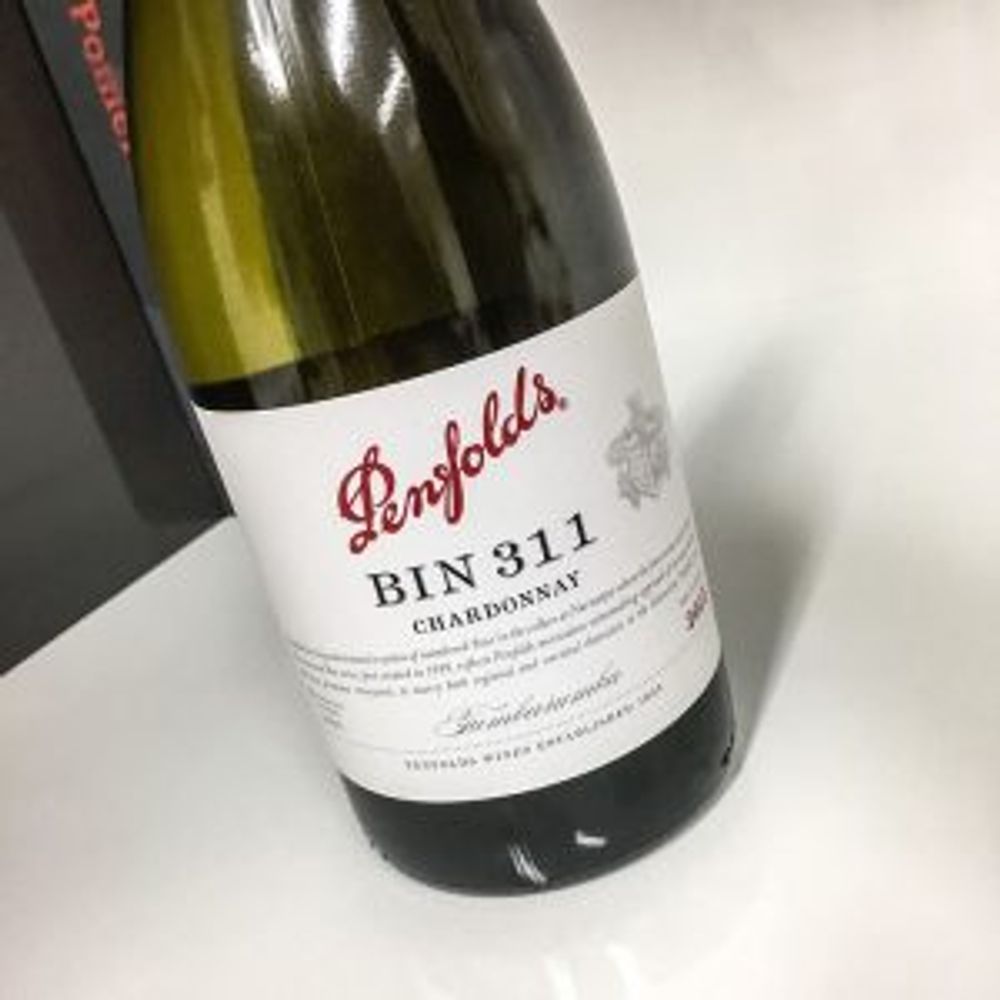
But can the same be said for the two Tumbarumba/New South Wales-derived Chardonnays tasted here? Eden Road’s sappy, unoaked, green apple 2015 ‘Courabyra’ (£35.99) or Penfolds’ oaked ‘Bin 311’ (£26.00), which has a less racy acidity but a streak of lemon over white peach?
Wider exposure to these high altitude wines may settle the case, but we await the final verdict.
To me, the question is: Do these winemakers have their head in the clouds or are their feet firmly on the ground?