Not many people saw him, or heard what he had to say, but the fact President Macron actually came to Wine Paris was a vote of confidence not just in the significance of the show, but a shot in the arm for an industry in need of some tender, loving care.
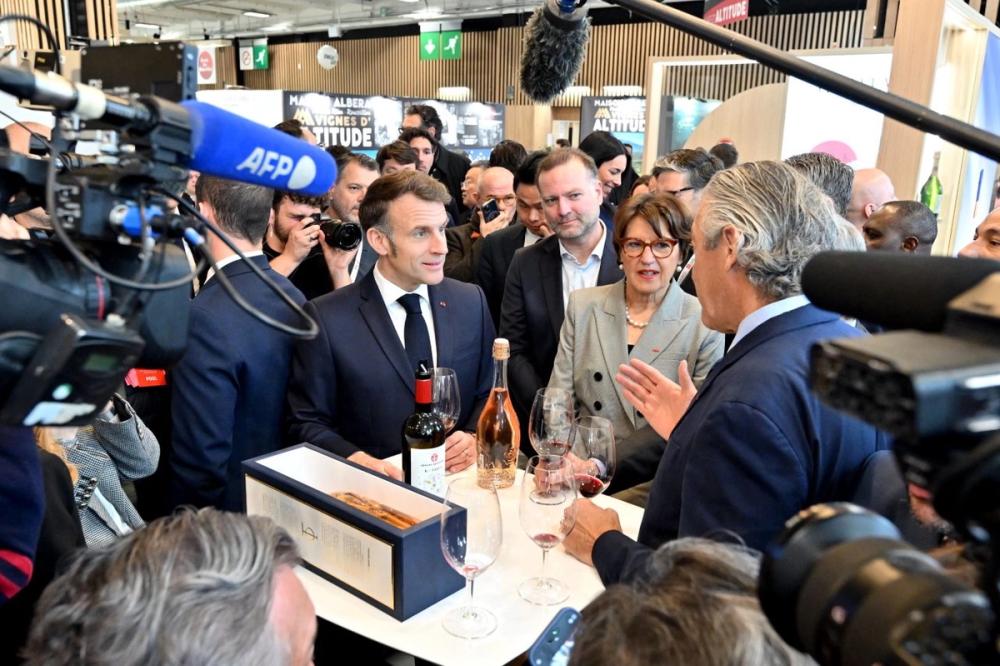
President Macron came to Wine Paris to defend the wine industry and a rallying call to "look ahead". Photo Philippe Labeguerie
A sector, like so many others, that has been rocked, bullied, buffeted and impacted by the fall out from the Trump-driven geo politics and trading and tariff wars that Macron and his fellow world leaders have inflicted on us all.
He came offering no “silver bullets” but instead talk of how we “can generate value” by first “safeguarding” and “defending” an industry - at least in France with its €130m production relief programme - rather than “pushing” it “into a dead end”.
It was hardly Martin Luther King, but he left the industry with a rallying cry that became very much the theme of the show: “I prefer to look ahead.”
Which is exactly what all the wine and spirits producers, buyers, importers and merchants that came through the doors of Wine Paris were there to do. They came with no intention of picking over the carcass of increased costs, tariffs and supply chain woes, higher duties and the fact millions of people are drinking less alcohol around the world.
That is the simply the context we all now have to live with and trade in. The opportunities to grow, make money and drive revenues lie not in what has come before, but what we can do differently and more effectively in the future.
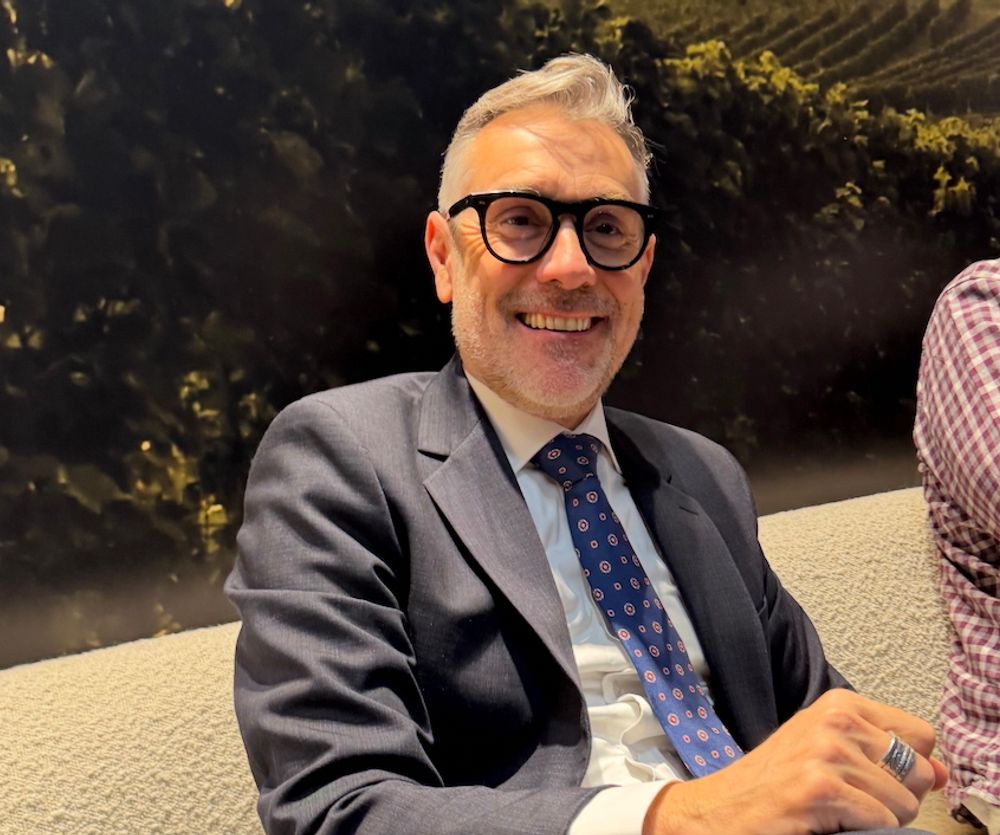
Vinexposium's chief executive Rodolphe Lameyse was pleased to see such an optimistic and positive mood at Wine Paris from visitors and exhibitors
The overriding positive mood at Wine Paris even took the departing head of the show, Rodolphe Lameyse, chief executive of Vinexposium - who is moving to a new role heading up food and drink for Comexposium, Vinexposium’s owners - by surprise.
“The optimistic and not pessimistic mood is the opposite to what I was expecting considering the global context,” he said.
For Wine Paris came at a time when the global wine and spirits industry is faced with falling demand and consumption across all its key markets, which has resulted in a growing backlog of inventory and unsold stock in the supply chain and wine sitting in tanks waiting to be sold - the US alone is said to have $22 billion tied up in its three tier system.
All of which has dried up cashflow at just the time when producers, importers and retailers need it the most.
But as hard as these headwinds are, Wine Paris proved the industry’s most forward-thinking players are ready to re-position - or recalibrate themselves - for a very different world they now operate in.
With 51% of the event’s exhibitors now from outside France it also proved itself as a true international show. Which came at just the right time for producers looking for new serious business to replace that being lost in their traditional markets.
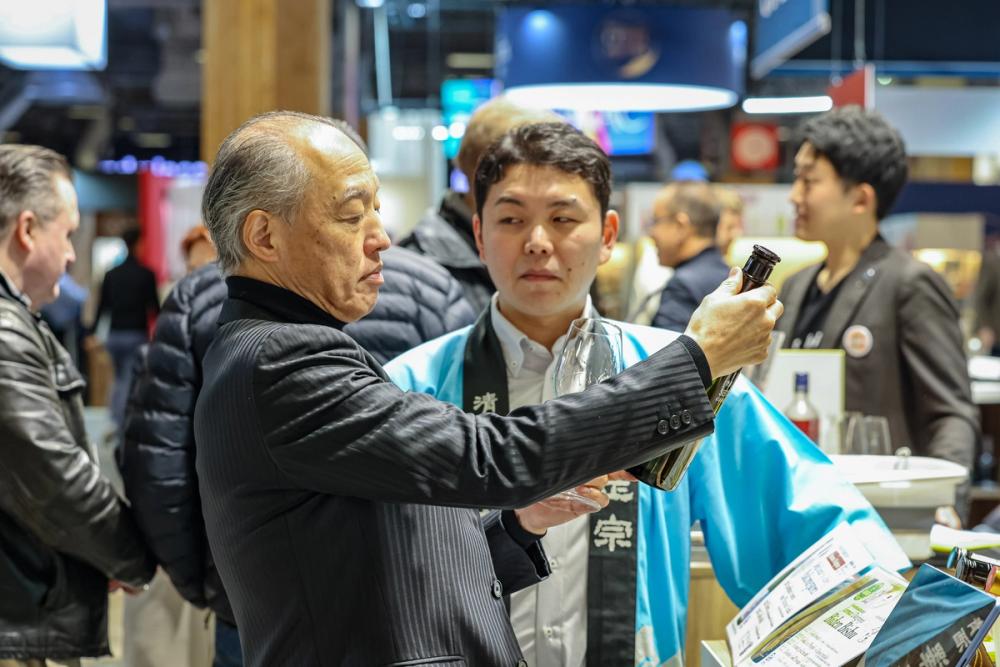
2026 was the year Wine Paris proved itself to be a true international event with buyers from over 160 countries. Photo Phillipe Labeguerie
Particularly welcome were those buyers and importers coming from the so-called emerging markets across the Middle East, UAE, Africa, India, Asia and South America.
It meant deals and discussions were not just focused on the usual annual cycle of trading but instead on decisions that might dictate where business goes for the next three to four years.
Mitch Fowler, at Fero, the new drinks fintech working capital and supply chain platform, sets out succinctly the framework in which the drinks industry is now operating in: “Producers, merchants and investors alike are navigating a market shaped less by growth and more by structural recalibration and finding sustainable economics.”
It was the year when no and low drinks - particularly 0% wine - become a serious category in its own right. “We’ve reached the point of critical mass,” claimed Origin Wine's chief executive, Bernard Fontannaz.
Arguably the most exciting aspect of Wine Paris was the sheer diversity of drinks and types of beverages on show. In fact Wine Paris might do well to rebrand itself as Drinks Paris as this was the year when the proverbial pandora’s box of possibilities was thrown open to the world.
Solutions not problems

There was a record number of visitors at Wine Paris with 51% coming fom overseas. Picture Jean-Bernard Nadeau
This was also the year that Wine Paris firmly cemented its position as the number one international trade show - with 63,541 visitors and 6,537 exhibitors giving it their stamp of approval. But whilst the mood might have been upbeat, the buyer and producer discussions taking place on individual stands were deadly serious.
After all this is a drinks industry in turmoil and it is the producers, importers and suppliers that can go to their customers with fresh ideas and more effective and efficient ways of working together that are going to be the short and long term winners.
As Fero’s Fowler explained: “The wine industry has weathered structural change before. While the current headwinds are real and persistent, they are also forcing a long-overdue reassessment of how value is funded, stored and realised across the supply chain.”
Origin’s Fontannaz captured the mood of the show: “Yes, it is difficult, but I have never seen as much speed of change as there is now. It forces you to be different and you can’t be caught out. We have competitors who are still looking through the rear window. We are only looking through the windscreen.
“Wine Paris is a great example of that. It has brought a new energy. If you snooze you lose. There are new opportunities out there every day.”
He added: “Supermarkets need suppliers who come to them with solutions. That is how we all grow. We have to be able to change. But it is change for the better. A chance to embrace new things.”
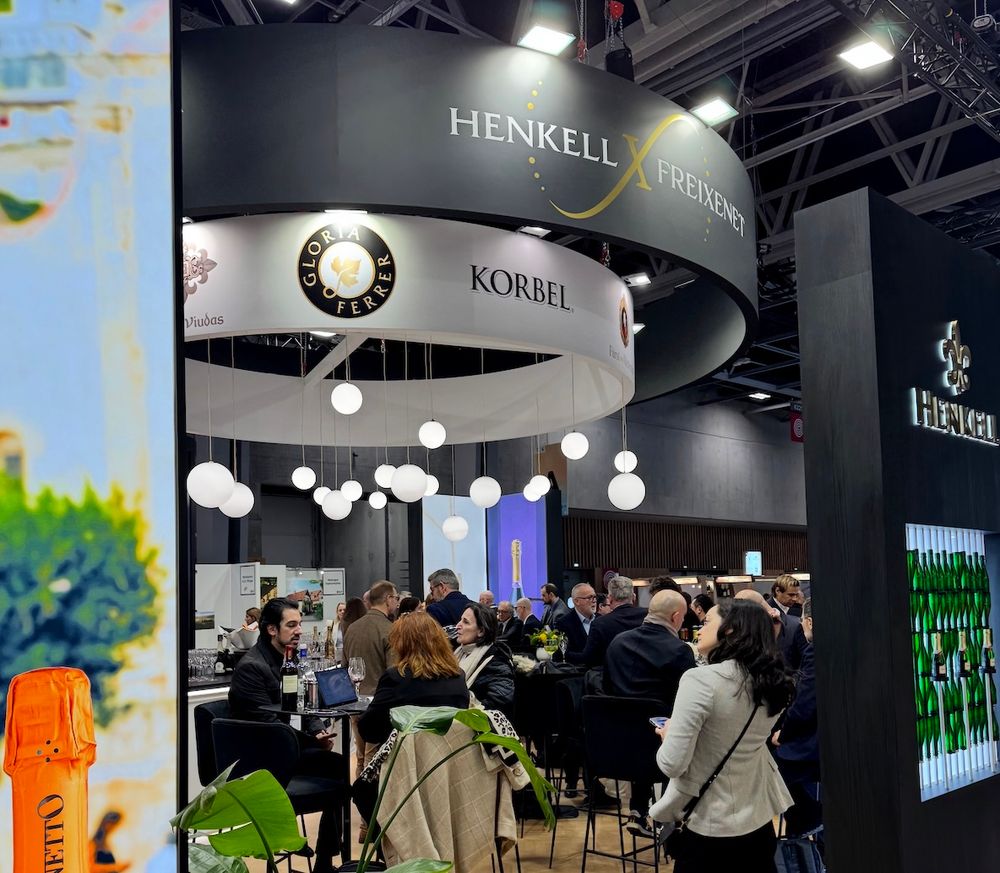
Henkell Freixenet's stand at Wine Paris - owners of Freixenet Copestick
Robin Copestick, managing director of Freixenet Copestick, agreed: “Customers are definitely now looking for real innovation.”
Where that innovation comes from is also up for grabs but “there are lots of opportunities for people who want to try,” stressed Fontannaz.
But if you continue on the same path you are heading down a dead end: "The definition of madness is an industry that does the same thing over and over again. You can’t put your head in the sand. The industry has had it too easy for too long,” said Fontannaz.
It’s a mantra that is at the heart of what UK supplier, Beyond Wines, is all about, stressed co-founder Alex Green.
Its business model of being a part brand owner, part agency player has helped “greatly” in being seen increasingly as a “solutions provider,” he said.
“We have buyers coming to us with demand for ‘X’ style of wine at 'Y' price and we are now known for saying ‘yes we can do that’. We need to make sure we have a good solution for them, from as many countries and price points as possible. Having flexible, scalable sourcing at competitive pricing is paramount.”
Equally it is important as a small business that it is clear “about what we can’t do as much as what we can”.
All of which has helped it grow volumes by 47% year-on-year in the first seven months, which has had a “healthy” knock-on effect on its cash flow and ability to move quickly into new opportunities. Its average transaction is up 35% to 40% and it has “enabled us to take the next step, we no longer operate DPD at scale, and have dropped a lot of our UK stock holding,” he added.
Major retailers, he said, are looking for “leaner and more efficient” ways to work and suppliers that can deliver those trading models for them.
Beyond Wines, for example, is allowing its major supermarket partners to buy ex cellars or under bond.
“We have found our place at the table that we have strived for.”
Fowler at Fero agreed this is a key time for those operators capable of demonstrating they have the means to change and adapt to these troubling times.
“Periods of disruption inevitably create opportunities,” he explained. “As we see weaker balance sheets exposed, well-capitalised and strategically-minded producers and distributors are finding chances to invest, acquire and reposition for the next phase of the market. I've never felt such strong focus from partners new and old on building the drinks industry of the future together.”
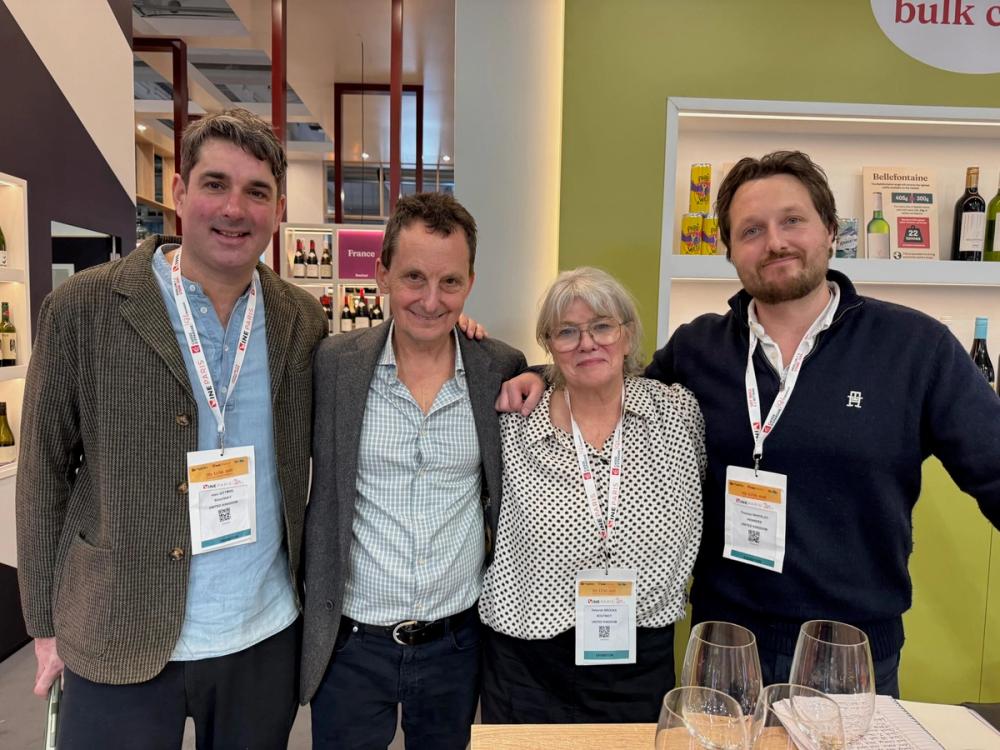
The Boutinot team was out in force at Wine Paris as it moved its international stand and presence from ProWein for the first time
Having a diverse customer base across the on and off-trade also helps in such difficult times, claimed Alex Gittens, head of product management at Boutinot, which was marking its first appearance at Wine Paris for its growing international division, having made what, it says was right the decision to switch from its long standing relationship with ProWein.
Be it supplying multiple retailers, specialist independent wine merchants, and both mainstream on-trade and fine dining - that’s the way fleet of foot suppliers now have to operate, he said.
“We understand their businesses. Each channel has its own challenges, but there is also a lot of positivity in the industry as well,” stressed Gittens.
When trading across the industry is hard it’s time “to be brave and to do things differently,” he added.
Green said changing its business model - and having the right agency partners like Faustino in Spain and Corvezzo in Italy - means it is now “super competitive on price” and by running a leaner, more efficient operation means it is can compete far more toe to toe with bigger, rival competitors.
It also gives the major retailers and customers “more choice” with who they work and they can be “less reliant” on only working with a few preferred suppliers.
Customer challenges and opportunities
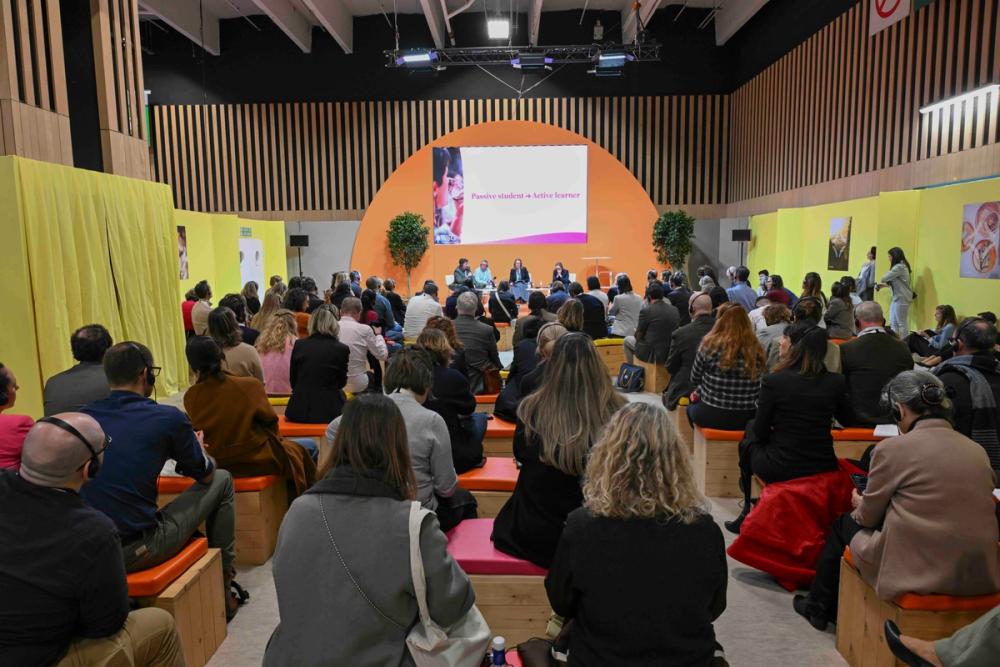
Wine Paris held a number of important trading, business and educational sessions across its three days. Photo Jean-Bernard Nadeau
Fowler at Fero said Wine Paris underlined the conversations it is having with both suppliers and buyers every day around the world.
“Producers and distributors alike are looking to reduce balance sheet exposure, stay asset-light and improve flexibility. Retailers and distributors are grappling with a classic tension: delivering broad consumer choice (especially in premium categories that drive excitement and loyalty) while simultaneously simplifying operations, tightening inventories, and improving capital efficiency.”
Mike Best MW, wine product manager at Boutinot, said the trading conversations held at the show reinforced the need for producers and suppliers alike to look at “how to balance the best price with the best quality, how to balance the best availability with the best cash flow and how to balance the best choice with the best focus”.
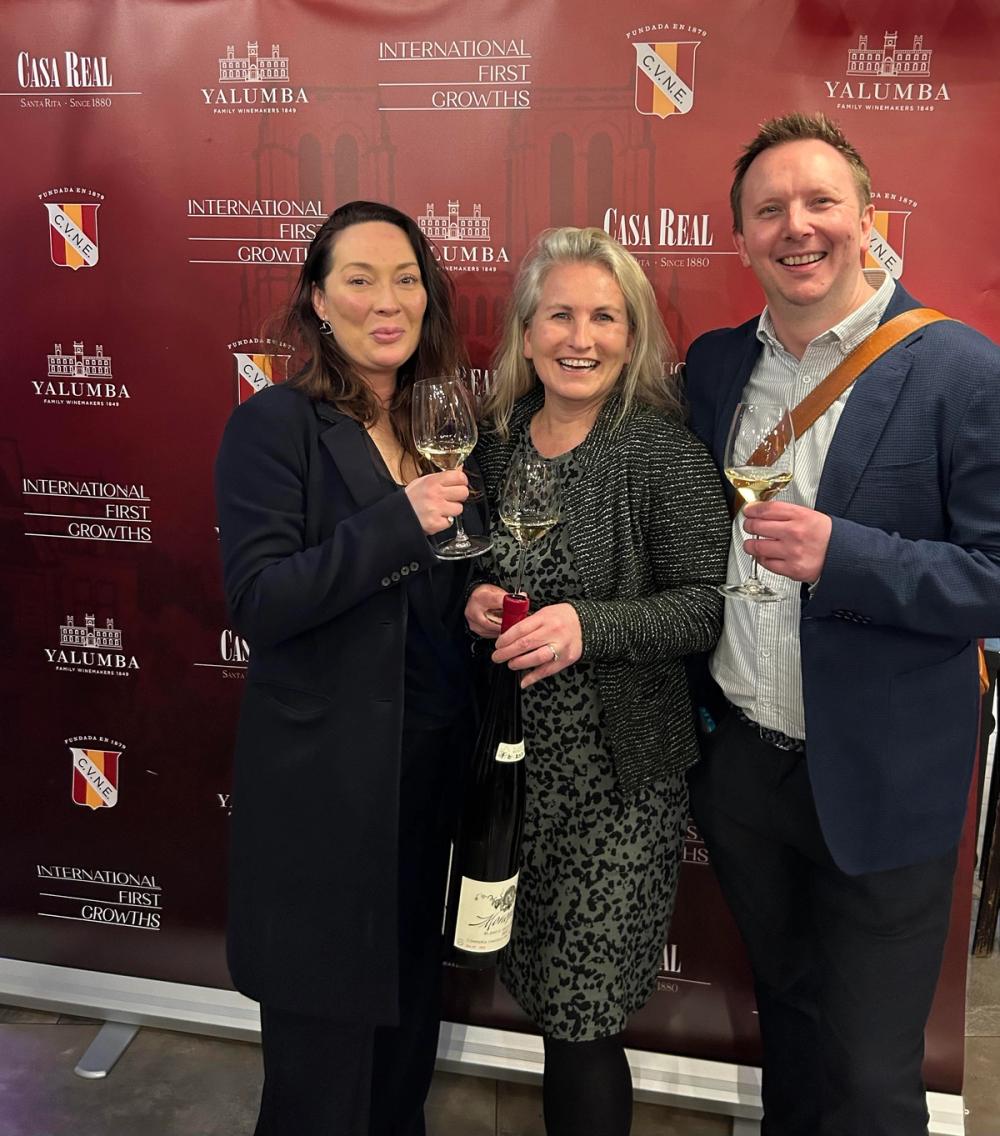
Helena Martin, centre, with Emma Crowther (head of on-trade) and John Ruck-Keene (head of off-trade south) at Shenck Family UK at Wine Paris
Helena Martin, managing director of Schenk Family UK, said shows like Wine Paris are all “about connecting customers with brands and producers”.
She added: “No spreadsheets or powerpoint presentations just a chance to get creative about how ‘we’ engage with consumers. It was a brilliant opportunity for open dialogue and creative thinking.”
Tim Carlisle, head of independents for on and off-trade at North South Wines, said the clear challenge it has been set by its customers is finding and offering products and services that deliver real “value”.
“Rising costs from overheads to duty are putting pressure on customers to continue to offer value while managing to maintain margin. There are big opportunities still to be had by those who are able to innovate successfully” - and deliver that value for customers.
Green agreed and said it is even more important that you “are able to talk the language of your customer and truly understand what they care about” and what is “essential to them.”
“You need to know your consumer and customer as intimately as you do your own products.”
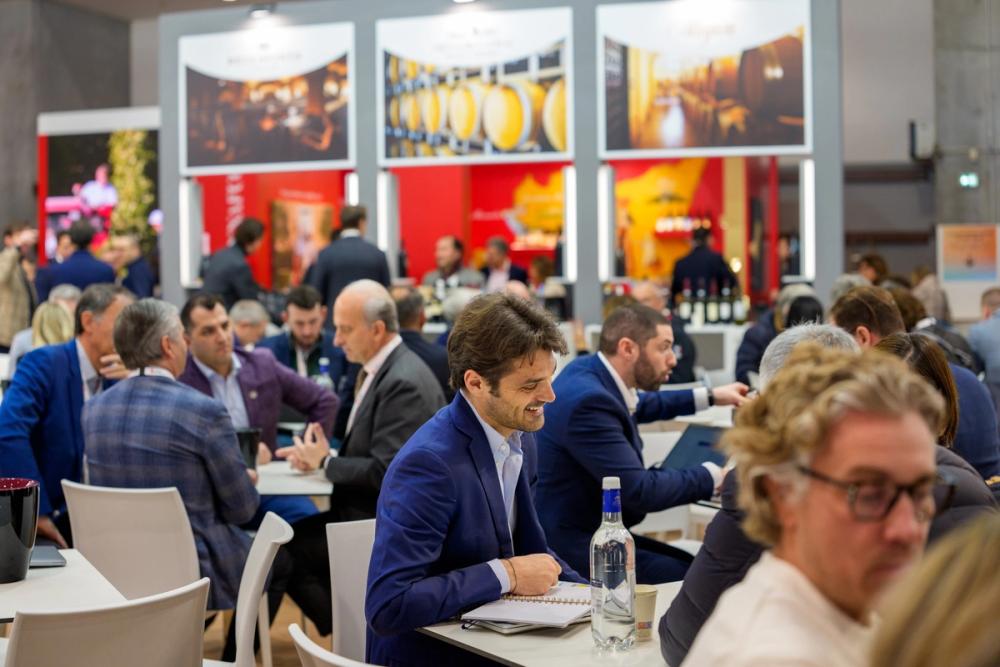
Wine Paris was the show for hard and important decisions to be made between producers and their international suppliers. Photo Frederic Speziale
Another key pressure point is over service - and the quality of service that operators are receiving.
Carlisle explained: “We have heard lots from regional wholesalers who are picking up business where larger on-trade players are unable to offer the same service levels – and as people look to simplify – and often reduce headcount – having that service is more important than ever.”
Equally regional wholesalers are under increasing pressure from increased costs and having to deal with a worrying rise in bad debt, particularly over the last 12 months, which again puts a greater focus on the quality and consistency of the service they receive, he adds.
“Customers are asking more than ever to maintain their existing business – retros, advertising spends, customer tastings, winery visits etc. But we have to balance those things against long term benefit to our business and in some situations will have to walk away.”
There are also increased opportunities for businesses like North & South to pick up extra business from those regional wine merchants that are increasingly “selling off their wholesale business as it becomes more complex with lower margins and becomes a higher risk”.
“That gives opportunities where the business moves to customers we aren’t already working with, as well as often building a larger wholesale business that becomes an even more attractive proposition for us,” he said.
Supplier challenges and opportunities
Ross Sleet, chief executive of Boland Cellar in South Africa said the “biggest challenge for producers is to maintain margins in the face of huge downward price pressures from all markets”.
“For South African producers, the movement of the US dollar and euro, especially, has seen margins under huge pressure as the South African rand has strengthened. Paradoxically as the market is demanding lower prices, we have seen that our very positive quality:price ratio has been our biggest win. Customers are constantly surprised at our value proposition especially with regards to our Chenin Blanc wines.”
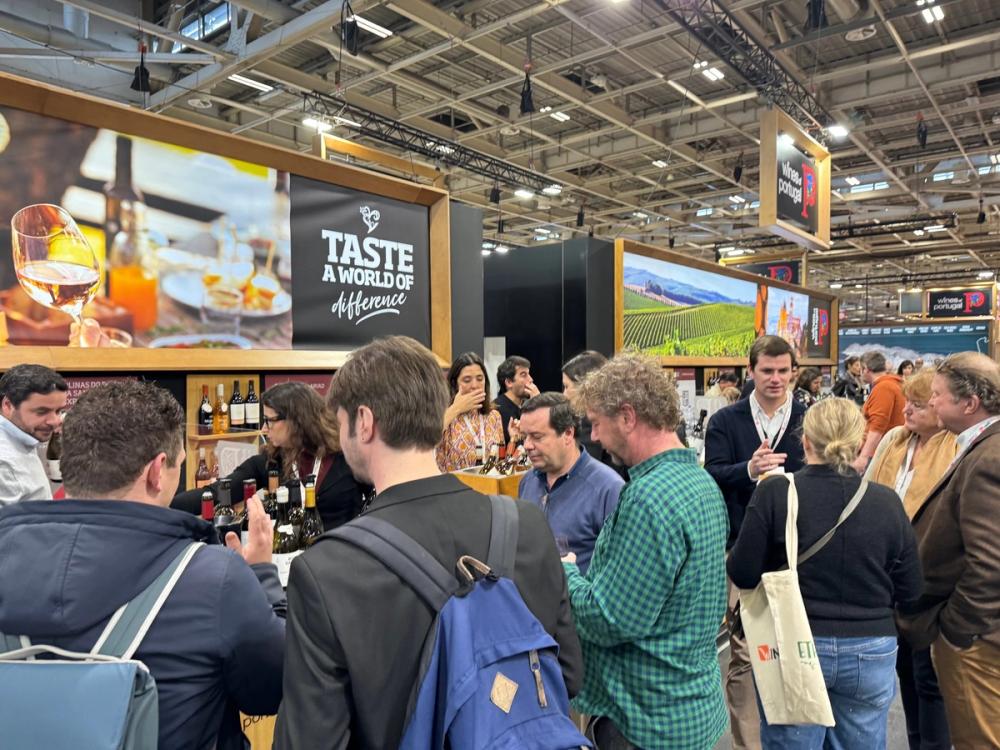
The number of Portuguese producers at Wine Paris with the styles and prices of wines that buyers are looking for should be a wake up call to South African wineries in particular, says Ross Sleet of Boland Cellars
He added: “Wine Paris helped find some answers, but it probably raised more questions. The huge increase in the presence of Portuguese wines for example was an eye opener - it seems the buyers have found what many of us have said for a long time that Portugal offers the best value quality wine solution in Europe. For South African brands, we can learn a lot from the brand innovation coming out of Portugal.”
Simon Thorpe MW, managing director of Thorman Hunt, said many of its conversations with its suppliers were around the fallout from “vagaries of recent vintages” which has resulted in a “lot of talk around allocations, and vintage conditions”.
“Everyone is looking to keep a tight control on stocks, so this was a good opportunity to discuss with suppliers, Despite the shorter vintages in Europe, there is still plenty of scope to grow distribution. So, it’s really a question of matching supply to opportunity,” he added.
Despite the many headwinds in the UK market - with increased duty and the knock on impact it is having on costs and reduced margins - it remains a crucial trading market for leading producers, particularly as Trump’s tariffs have knocked sales in many of their other key export markets - principally in the US.
Carlisle at North & South explained: “The challenge is that as global sands shift, many producers are looking at the UK, despite the drop in consumption we are seeing, as one of the key import markets globally and looking to invest and ask for more here.”
Which, in turn, pushes more pressure on mid-sized businesses like North & South to be able to handle and deliver those requests, which “can be a handful with a small team”.
He added: “It’s very apparent from Wine Paris that there are a lot of exceptional wineries looking for partnerships in the UK, the challenge for UK agencies is finding those whose work and DNA most closely matches their own.”
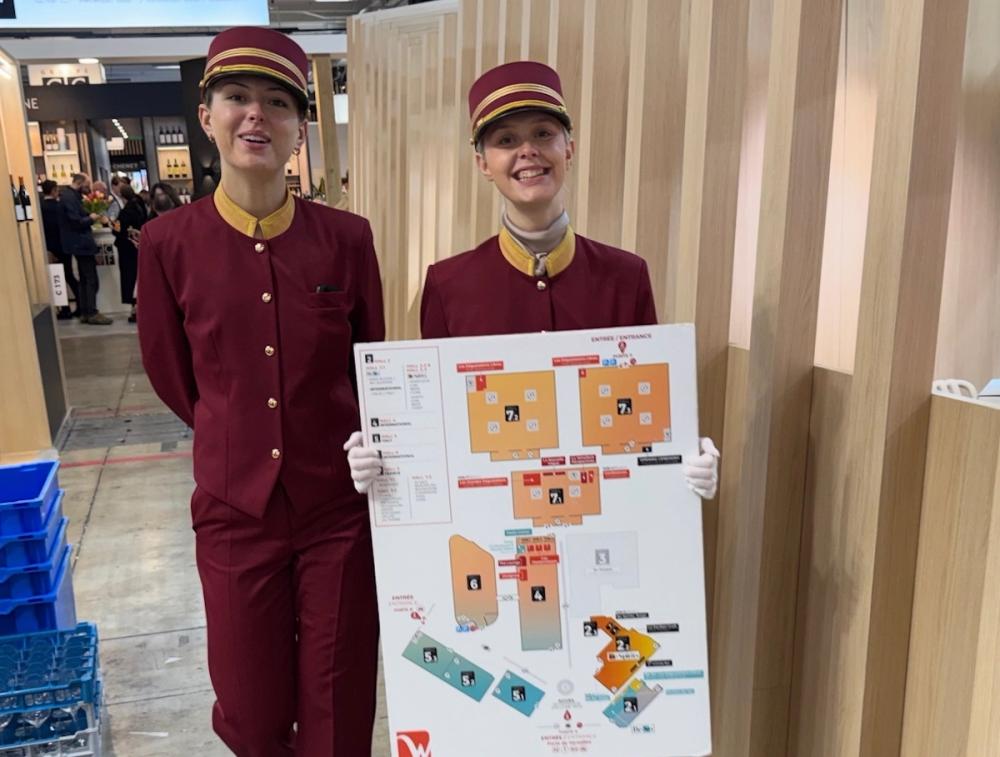
Jamie Avenell, wine buying director at C&C Group, said “producers fundamentally want to look for opportunities for maintaining and growing their sales” and it is up to companies like C&C “to help them navigate the complex trading environment in the UK to give them as much opportunity as possible to do” so.
He added: “There are an awful lot of producers out there seeking an importer in the UK, or producers looking for a change in what they are currently doing in the UK, and we are inundated by requests for meetings and discussions before a fair like this from producers who would like to talk to us about what we are doing.”
Green at Beyond Wines said as a small, but growing UK importer it is all about “backing the right horse”. “There is a lot of negativity in the UK market, and it is easy to talk it down, but that is not our experience. We are young and there is a lot of green space to move into. If you have the right partners then is still a lot of reason for positivity."
It's why it is also focused on only working with a limited number of producers so that it can give them the right time and focus, both tactically and strategically in the market.
So much so that it is confident it can double its revenues to £10m by the end of the next financial year.
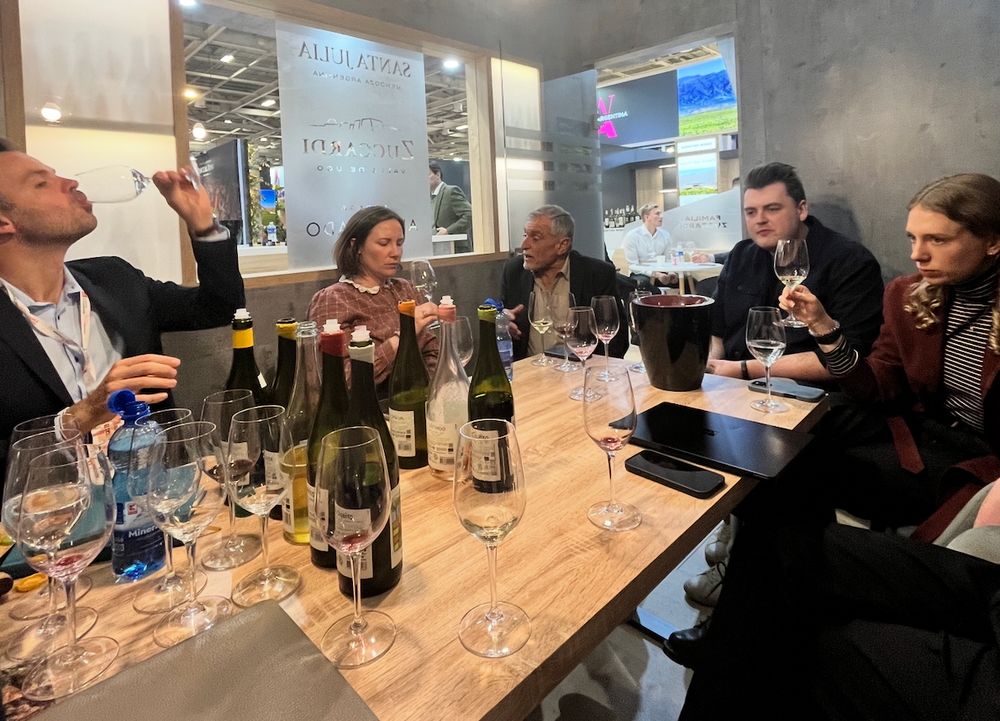
Behind the scene with Watermill Wines at Wine Paris as the Sainsbury's buying team sits down with Zuccardi's José Alberto Zuccardi at Wine Paris
Richard Dennis, commercial director at Watermill Wines, added: “There is a never ending stack of challenges being put on the industry, but the resilience and resourcefulness from the producers is impressive. The clear objectives for us to attend the show were about making meaningful connections between producers and customers - either as first introductions, or continuing discussions on projects already underway.”
He added: “What I continue to find intriguing about these events is that quite often there are big conversations happening on the smallest of stands. Size really doesn’t matter at these events.”
John Chapman, managing director at Oxford Wine Company, said he has great respect for the producers it works with and all the “increasing burden of admin and restrictive trade barriers” there are to even operate in the UK.
“On the whole most are nimble enough to try and factor in the minute changes to keep their products relevant and competitive. Growers always want to sell more or better.”
The biggest opportunities he sees are in the mid to high tiers “as these are less affected by the additional duty and admin problems and insulated to some degree by the cost of living issues”.
“So this is win, win for most of our partners. We’ll sell less volume but better. There was a strong sense of enthusiasm amongst a lot of the growers I visited along with shared vision to work harder together to combat the worldwide issues of shrinking wine supply.”
Relationships count
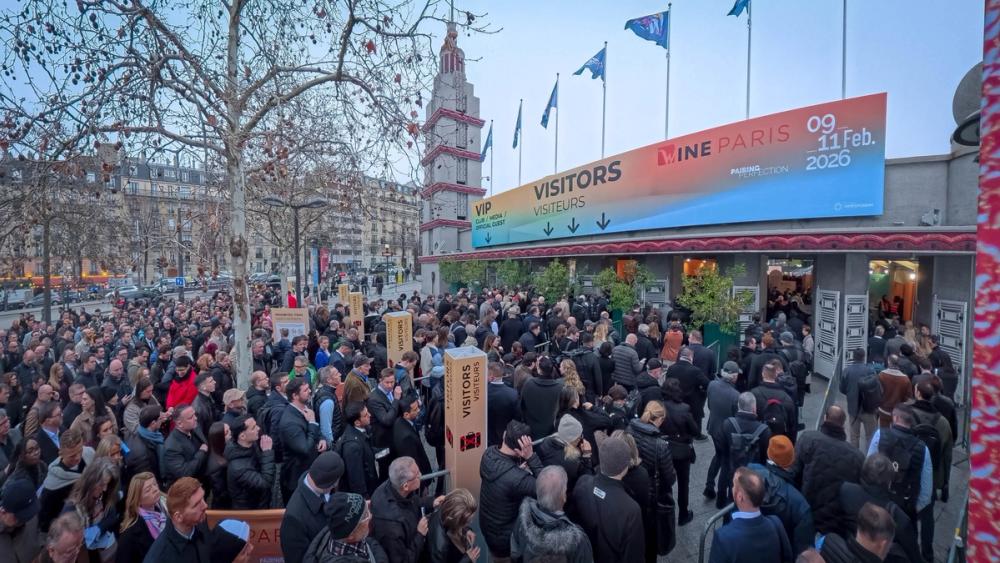
Wine Paris has now firmly cemented its position as the number one international trade fair. Photo Philippe Labeguerie
The wine and spirits industry has long prided itself on its long term relationships, but those are easy to keep when times are good for both sides of the equation. When the waters start to get a bit choppy, as they most certainly are now, it is noticeable how many producers are now either being dropped by long term suppliers - “they no longer fit our commercial model” being a common refrain - or are moving to what they see are more attractive and strategically placed rival distributors and suppliers.
So it will be interesting to see how many of the conversations that were had at Wine Paris - and no doubt ProWein next month - between long term partners will be more about drawing up divorce papers than making plans for the future.
Copestick believes being able to “provide a sustainable and long term solution” for its growing number of agency producer partners in the UK gives it a competition edge. Having such a strong parent company as Henkell Freixenet behind it also allows it to “continue to build solid foundations and maintain a positive momentum in a difficult market”.
Martin agreed: “We found that both customers and suppliers are seeking the same fundamental outcome: true partnership. There is a clear preference for collaborative relationships built on mutual respect. We had a number of highly constructive discussions focused on how we can collectively drive greater value within the category - whether through improved efficiencies, more compelling and joined-up marketing strategies, or the introduction of innovative new wines that genuinely excite consumers.”
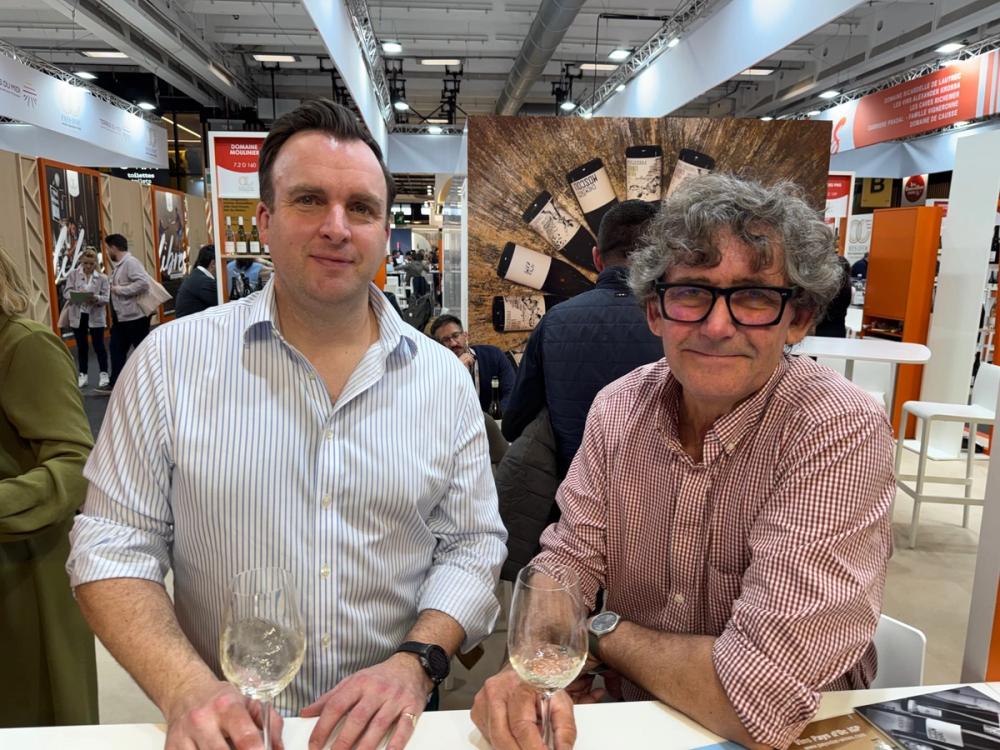
Tim Ford, right, and James Harvey of Domaine Gayda said they are keen to work with more regional and good independent wine merchants in the UK
Tim Ford, managing director of Domaine Gayda in the Languedoc, said it has been able to strengthen its relationship with key UK regional wholesalers and independents by changing its business model to be even more relevant for their needs.
It has been able to bring together a rotating group of small, artisan Languedoc producers under its new Languedoc Family business that give UK merchants access to a wide number of wines and styles they would not be normally be able to access.
By handling all the logistics from each of the producers, Domaine Gayda acts as the central hub through with merchants, and regional players can either buy direct or work together to buy as a group and send mixed pallets of wines from multiple smaller producers to the UK. A new way of working that gives UK independents access to interesting, premium Languedoc wines - with a sweet spot of £12 to £23 on shelf - without having to pay the additional margin to a UK supplier.
It’s a model that has equally worked particularly well with its French on and off-trade customers and brought in over £1 million in extra revenue in its first year - 10% of which is made up by its UK customers like Reserve Wines.
“It means in a declining market, we have grown,” said Ford who stressed it has also brought more interest in and sales to Domaine Gayda as well.
In summary
As South Africa’s Ross Sleet so astutely said: “Wine Paris helped find some answers, but it probably raised more questions.”
But the fact there were so many producers, buyers, importers, suppliers and retailers at Wine Paris ready and willing to ask those questions and challenge each other to come up with new solutions and ways of working more effectively together was heartening to see and the biggest takeaway from a hugely successful show.
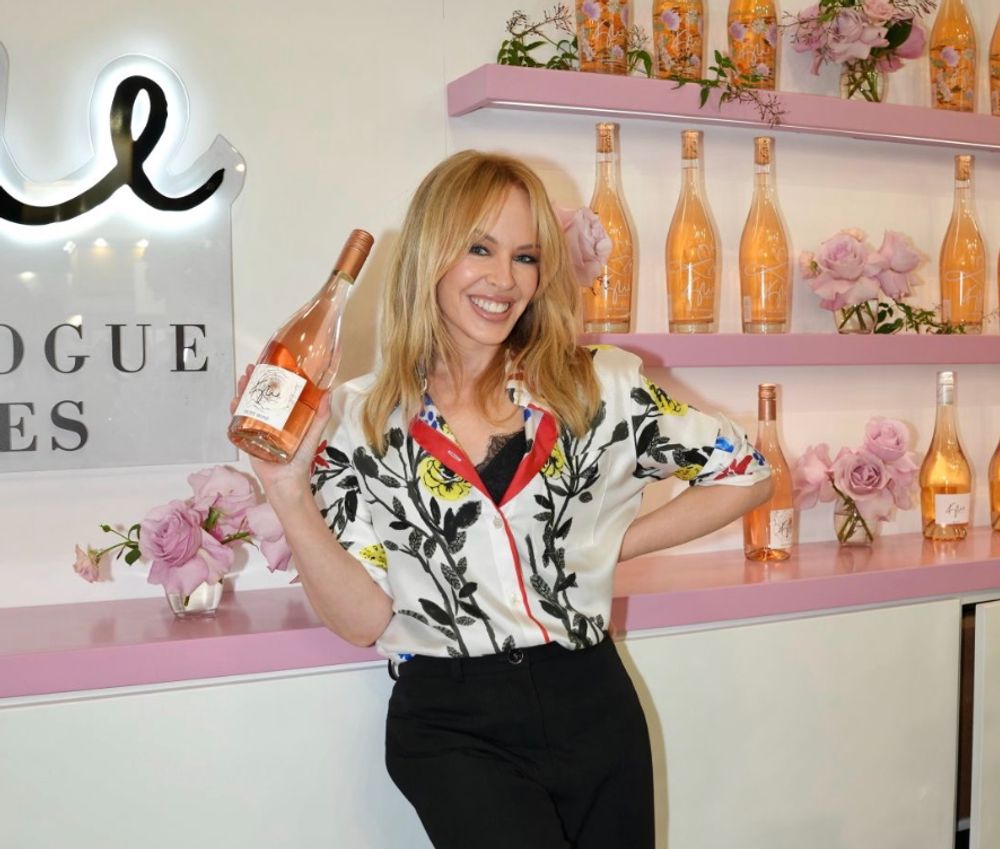
Kylie Minogue was at Wine Paris with her own stand to mark the fact she has now sold over 25 million bottles of wine in just five years
It’s why Kylie Minogue was prepared to spend two full days on her dedicated Provence-theme Kylie Minogue Wines stand. She said she was there to learn, listen and then “over deliver” both what her customers were asking for and what her consumers need.
Put like that it sounds simple. But you need to have the nous, the experience and what Kylie calls “the curiosity” to ask the right ask questions in order to make the best decisions for your business and your customers.
The fact the world’s biggest wine and spirits companies were not even in Paris to ask them speaks volumes for how badly the industry is being lead and what huge opportunities there are for those willing and able to take the right decisions for the sector as a whole.
- You can find out more about Wine Paris here.
- In future articles over the next two weeks The Buyer will also be assessing just what the role of Wine Paris and ProWein now is and the very real challenges the Dusseldorf show, in particular, has to live up to.
- The Buyer will also be looking at the huge shift to no and low drinks, particularly 0% wines, and the new opportunities there are opening up in emerging markets around the world that are going to be increasingly more important in the years to come.