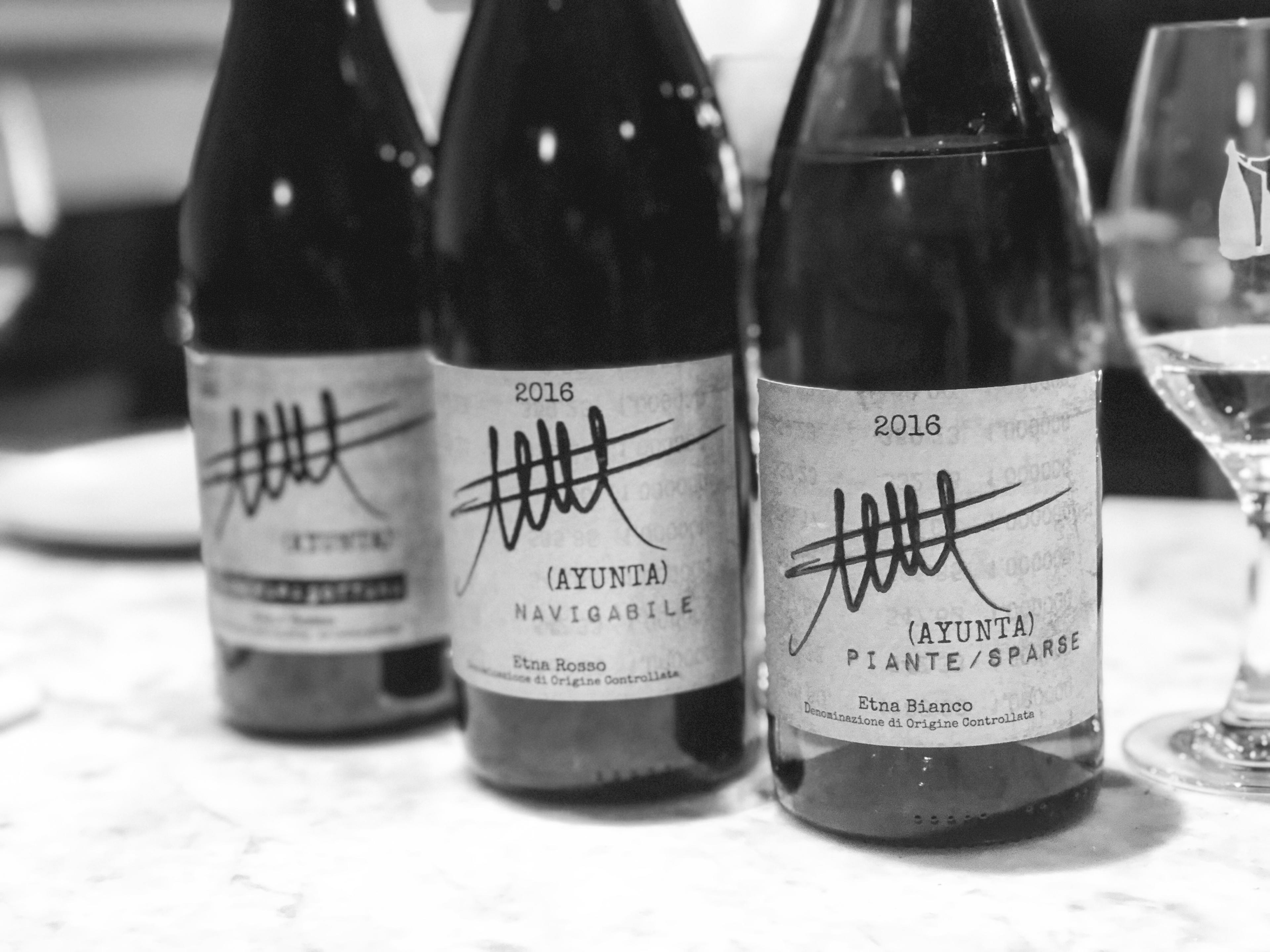
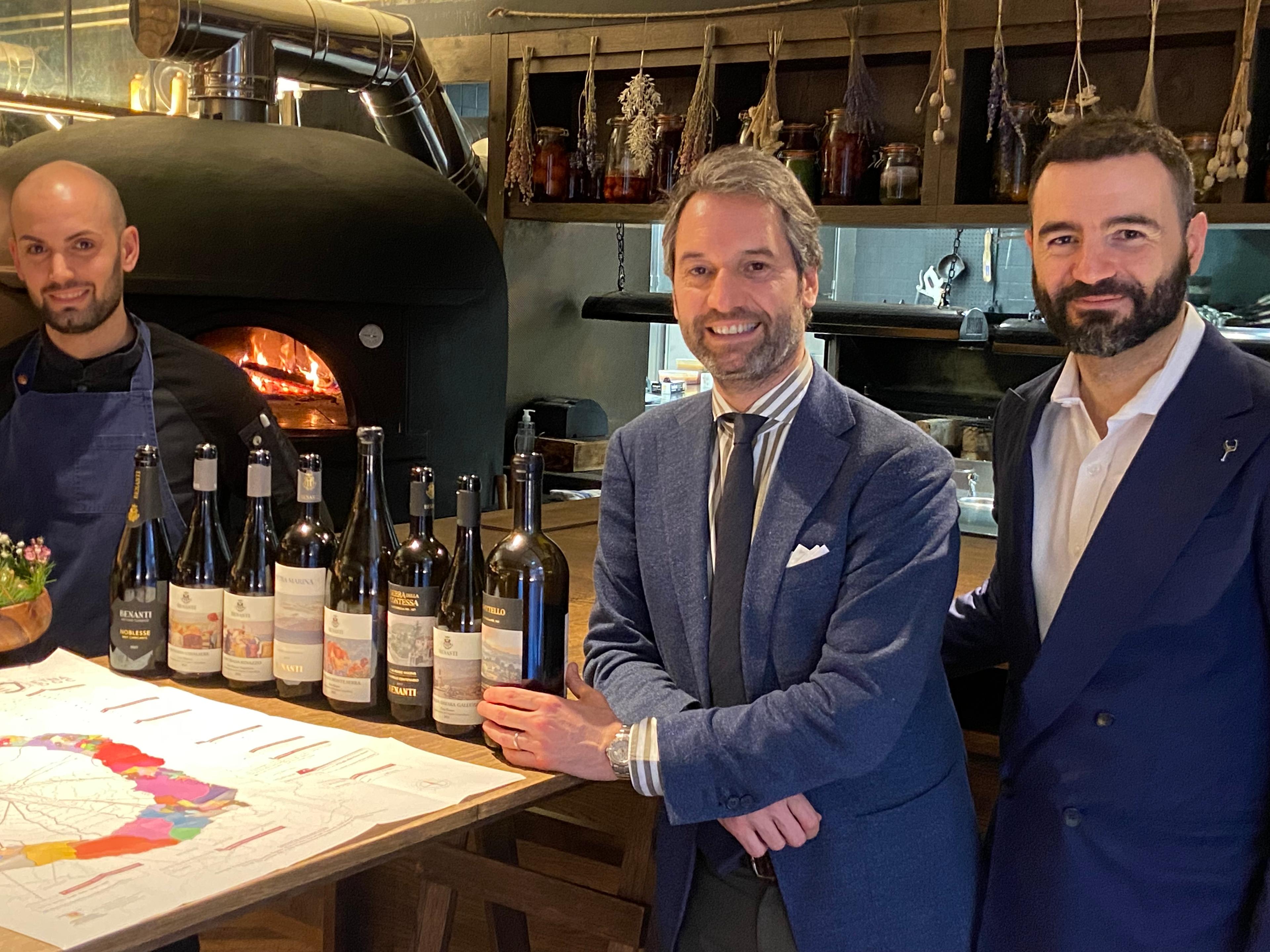
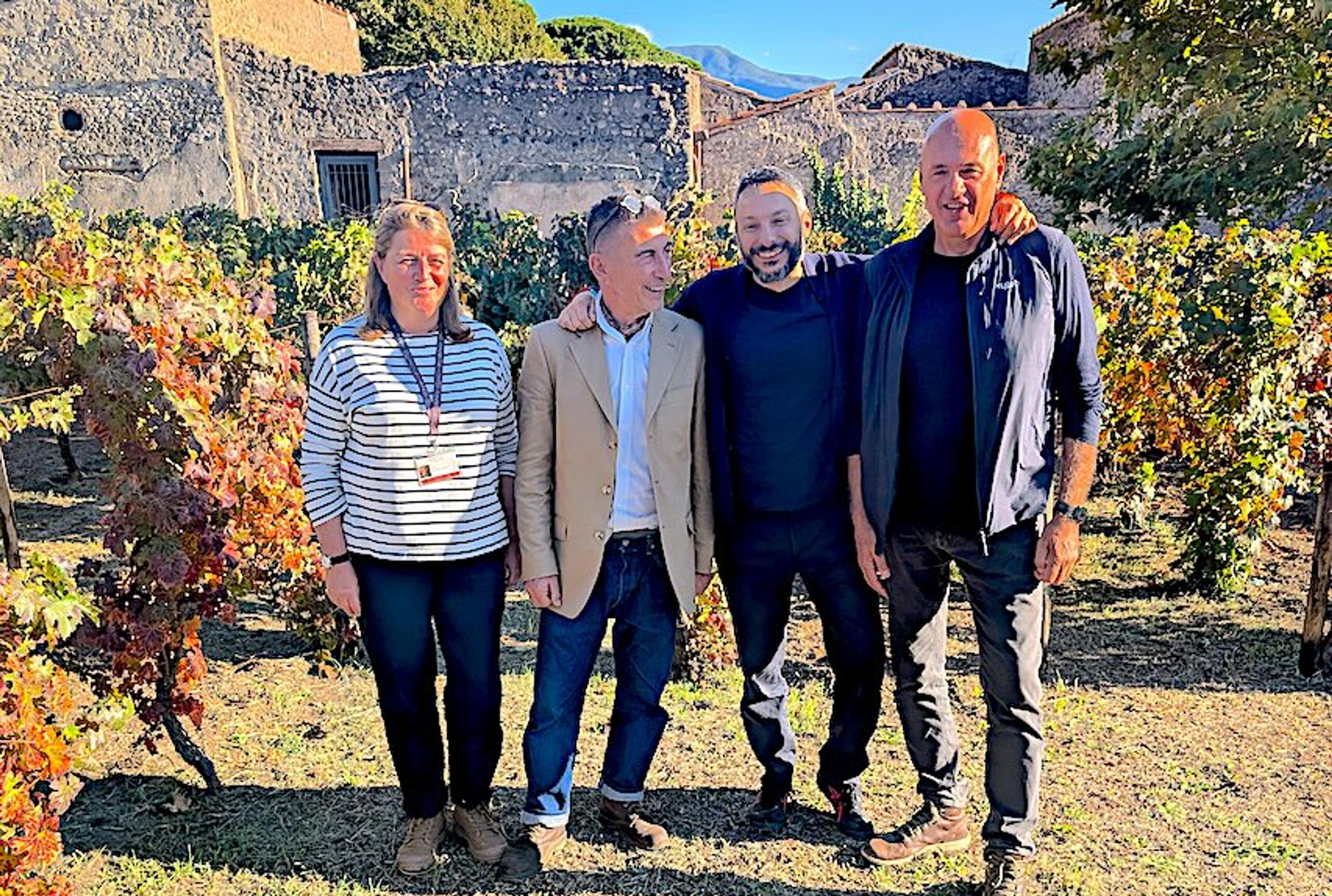
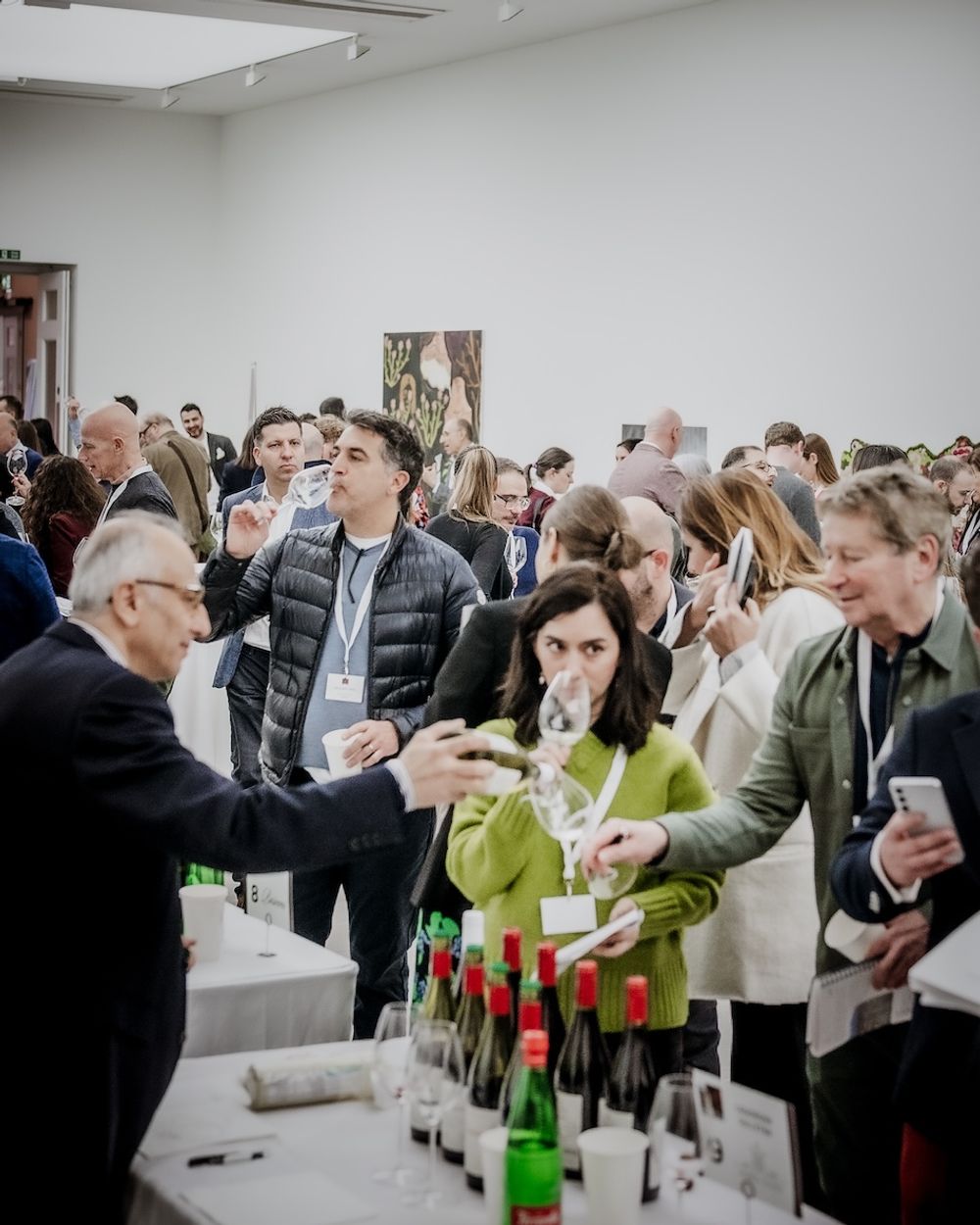
Inside Etna, held at the Saatchi Gallery, is the idea of Francesca Cioce, UK brand ambassador for Gaja and its Etna project, IDDA. It marked a significant moment for Etna DOC in export markets. ”The goal was to bring together what I consider some of the finest producers in the region and work collectively as a team to communicate the identity of Etna on an international level in a way that had never been done before,” Cioce commented.

Francesca Cioce - the force behind the UK's first dedicated in-depth dive into the wines of Etna
It certainly worked. It was hard to imagine that anyone in the room was tasting Etna's much-discussed wines for the first time; Etna has been fashionable on sophisticated buyers' lists for at least a decade. But it was a chance to reflect on how Etna broke into Italy’s fine wine club, what it stands for today and the directions in which it might develop.
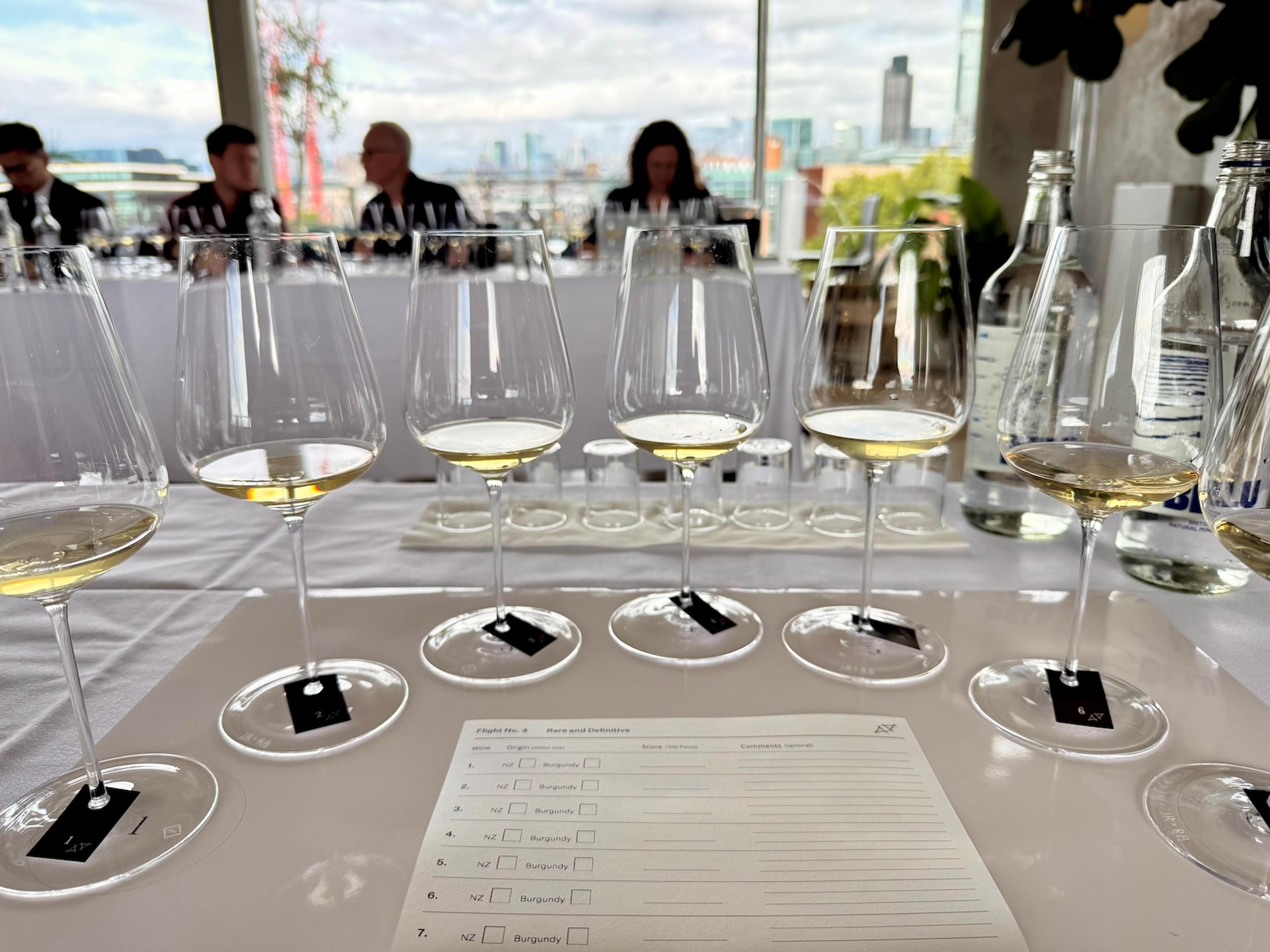
Three masterclasses were held on the day, led by Matteo Montoni MS. Two explored Carricante and Nerello Mascalese across the different faces of the mountain, while the third focused more specifically on the expressions of Nerello Mascalese on the north slope. The goal of these sessions, Cioce stated, was ”to equip buyers and sommeliers with a clearer understanding of Etna's complexity and to position it among the great terroir-driven regions of the world.”
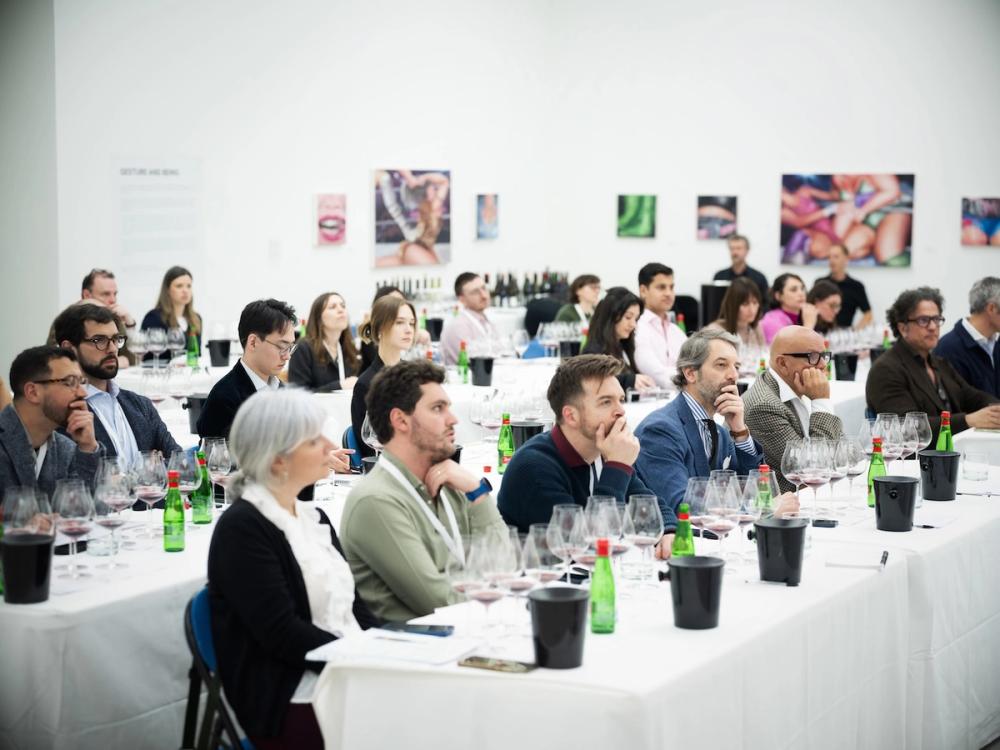
Inside Etna featured three masterclasses
Volcano lovers
The story of Etna's rise to fine wine superstardom, from its beginnings with the Benanti family in the late 1980s, is probably familiar to most readers of The Buyer and, like all great ideas, might seem inevitable in retrospect. But it wasn’t. For many years wineries like Benanti and its influential consultant Salvo Foti (now with I Vigneri) were largely alone on the mountain, until a few other adventurers were magnetised by what the locals call ‘a Muntagna.’
One of the clearest themes to emerge from Inside Etna was the value and breadth of investment the mountain has attracted, which has been fundamental to its success. In fact, Etna’s present cosmopolitanism is, in one sense, a product of its past dereliction. The mountain's viticultural collapse through the mid-20th century left vineyards fallow and gave families little reason to stay. Genuinely local producers (families rooted in the Etna zone itself) remain a relatively small cohort. That the region has been shaped so profoundly by people who chose it, rather than those born to it, has been an unique strength not unlike Bolgheri in some respects.
”Volcanoes are gloomy places, and when I arrived, Mt Etna was even gloomier because it was an abandoned volcano,” the late Andrea Franchetti of Passopisciaro (and Tenuta di Trinoro) wrote. ”There was the misery of blackened streets and ashen churches in large old towns. These were the feelings I had in the winter of 2000 when I first came to Etna. It seemed crazy to restore vineyards so high up the mountain – up above, it was erupting – but I liked that they were planted so high.”
By applying the lessons learned in other fine wine zones, investors in Etna have been able to fast-track its progress and prestige. Etnaens, like the Benantis, are relatively unusual here, at least compared to Italy's other major fine wine regions. After the family's work to restore vineyards and establish a sense of potential with wines like Pietra Marina, the next wave brought names like Frank Cornelissen in 2001, Marc de Grazia with Tenuta Delle Terre Nere and Franchetti's own Passopisciaro – all outsiders from Belgium, Piedmont and Tuscany.
The Sicilian titans who followed – Tasca d'Almerita in 2007, Planeta in 2008 – granted Etna the international equivalent of a Royal Warrant, and the 2010s saw an influx of new producers commit to the mountain.
Carricante calling
Despite some early experimentation with international varieties, producers and the Consorzio chose Nerello Mascalese to be the standard-bearer for the mountain, to the exclusion of almost all else. Most high-profile producers remainfirmly committed to the variety: Frank Cornelissen uses Nerello Mascalese exclusively for Magma and his single-vineyard wines, with Nerello Cappuccio and other varieties relegated to the Susucaru range, which is made in considerably larger volumes.
Nerello Mascalese's dominance has been challenged over the last decade, however, not by other red varieties (many of which are from old vine stock) but by Carricante, a white variety Etna can call its own, and which is arguably even more special than Nerello Mascalese.
Carricante plantings have grown dramatically with the Consorzio describing the variety's recent growth as ”very quick.” As Inside Etna made clear, more and more producers have put Carricante, rather than Nerello Mascalese, centre stage, such as IDDA, Angelo Gaja's high-profile collaboration with Alberto Graci.
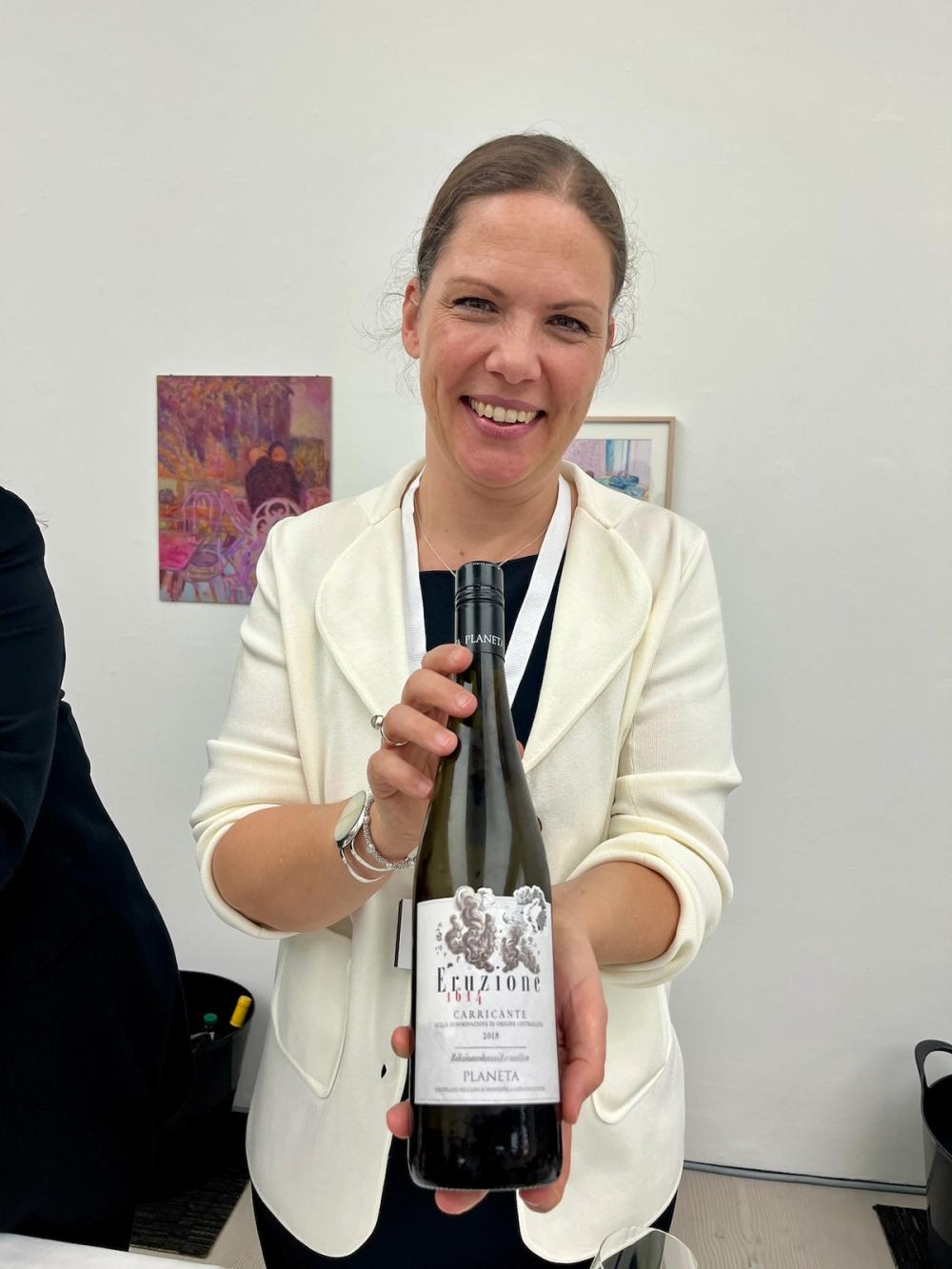
Patrica Toth from Planeta with one of the hits of the show ©Jason Millar
Indeed, Carricante is now a core part of almost every serious producer's offering, and some of the most dazzling wines of the tasting, such as Planeta’s late-released Eruzione 1614 Carricante from the 2018 vintage, were exclusively or predominantly based on it.
Sky high
Elevation is perhaps Etna's most potent asset in the climate change era, another point that ran through the Inside Etna masterclasses and producer conversations on the day.
Nowhere was the case made more dramatically than at Sciara, founded by Stef Yim in 2015. Born in Hong Kong and raised in California, Yim has focused on working well beyond the DOC's elevation limit of 800 metres, with vineyards ranging from 670m to 1,520m above sea level. He believes his Cru Cielo plot, planted at 1,520m, is the highest red grape vineyard in Europe. ”Take it higher, that's my motto!” the energetic Yim said as we tasted. Having worked to restore abandoned vineyards, his wines were suitably untamed – pulsing with acidity, pungent with dried herbs and considerably less manicured than some.
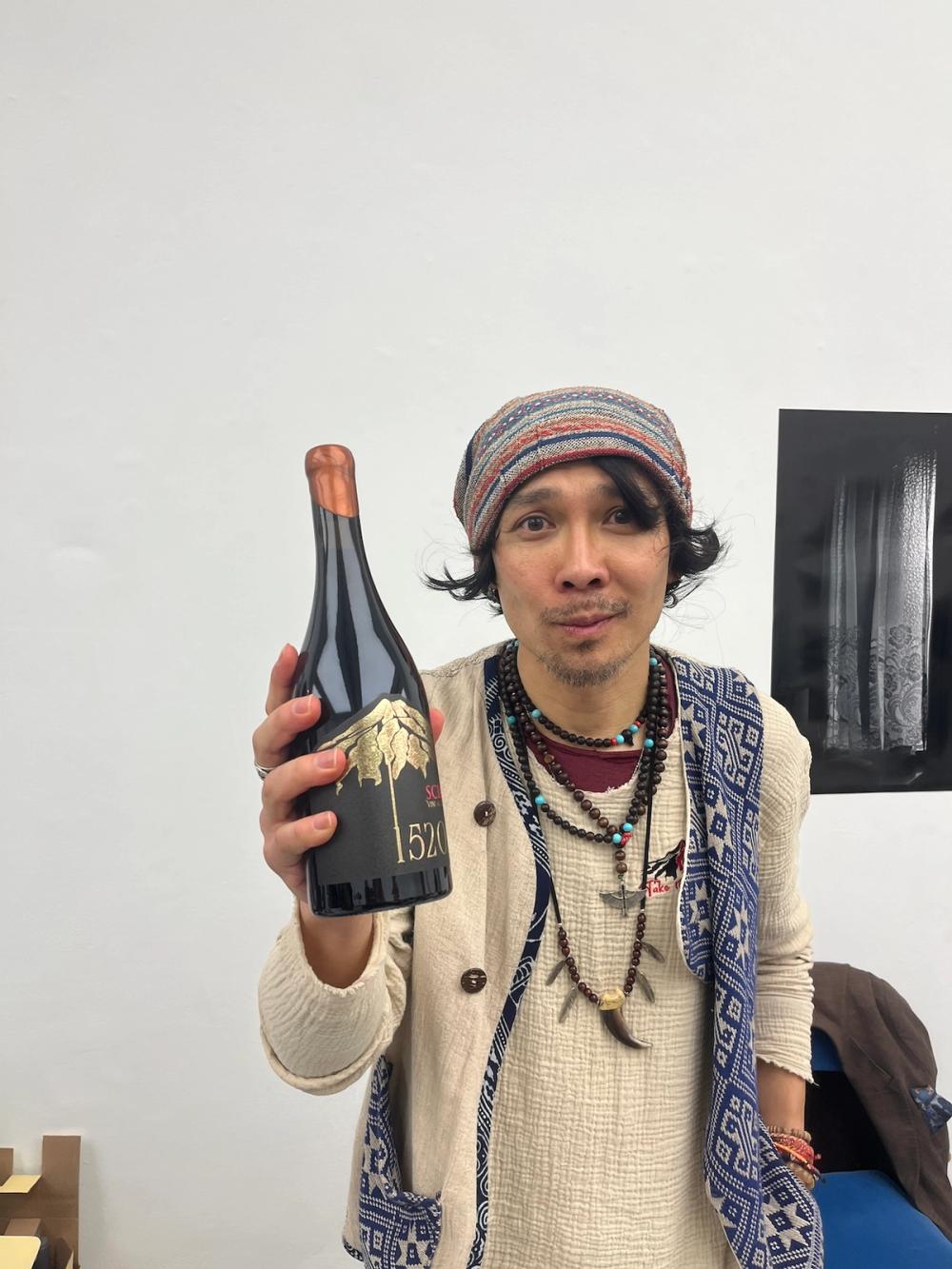
Stef Yim's vineyard is 1,520m high ©Jason Millar
Yim is seeking representation, as were eleven other wineries in attendance – a reminder that Etna still offers significant opportunities to importers of all sizes.
Etna Garantita
Inside Etna also served as a timely reminder that the region is on the cusp of a formal step up: the granting of DOCG status should arrive soon, maybe even in time for the 2026 harvest. When granted, as seems almost certain, DOCG status won’t mean radical changes to the existing production disciplinare, but will include provision for traditional-method sparkling wines from both Carricante and Nerello Mascalese, lower yield limits for Contrada-designated wines and the ability to add commune names to labels where all grapes originate in that municipality.
As seems to be customary with Italian fine wine, the bureaucracy is running to catch up with the reputation. But volcanoes don’t wait for permission. While DOCG status might suggest that its final form has been reached, Etna is still very much in motion. As Inside Etna reminded us, we are simply catching it mid-eruption.
Producers seeking UK representation
The following wineries were among those at the Saatchi Gallery without current UK distribution: AnimaEtnea (Castiglione di Sicilia); Sciara (Randazzo); Blindspot Vineyard (Linguaglossa); Buscemi (Bronte); Carranco (Castiglione di Sicilia); Cottanera (Castiglione di Sicilia); Davide Fregonese (Castiglione di Sicilia); Feudo Cavaliere (Santa Maria di Licodia); Neri (Linguaglossa); Serafica (Nicolosi); Terrafusa (Biancavilla); Terre Segrete (Castiglione di Sicilia).