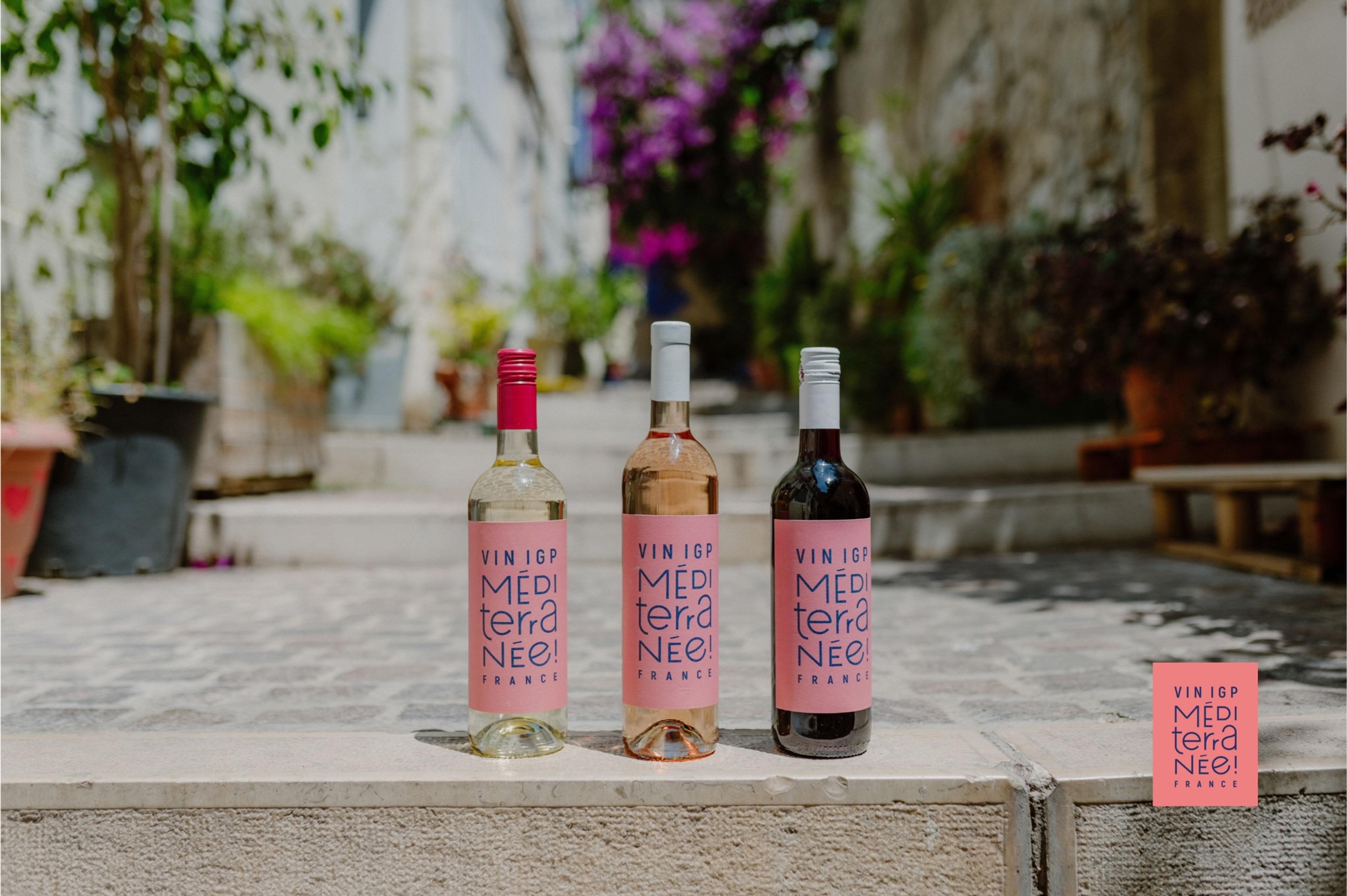

As many wine regions struggle with an overproduction crisis, a few stand out, bucking the trend with surging sales and strong consumer demand. Especially in the current challenging wine market, buyers and consumers are seeking wines that deliver reliable value, quality, and a good story.
IGP Méditerranée is proving to be a standout solution: from January to August 2025, its exports to the UK surged by 20% compared to the previous year.
Raising a glsss to the potential of IGP Méditerranée wines
As Daniel Lambert, award-winning French specialist wine importer says: “Across the regions covered by IGP Med we have seen over the past 18 months a true resurgence in the wines and sales in the UK. Our sales reflect this. I can see that the styles offered here resonate with all consumers and, as the market evolves, the Gen Z are looking for quality first and this is something producers in this region can offer all day long.”
These are the accessible wines young (and not so young) consumers want to drink: fashionable rosé, light reds and crisp whites. These wines deliver on the sweet spot of value-for-money, an evocative Mediterranean background and sun-drenched ripe fruit.
This success is not just a marketing story; it is built on a foundation of profound viticultural freedom. The IGP Méditerranée label, created in 1999, covers 11,500 hectares of vineyards across 10 départements in south-east France: all of the region of Provence-Alpes-Cote-d'Azur, as well as the Drome, the Ardèche and Corsica, and a smattering of vineyards in the neighbouring Loire and Isère around Vienne.
Over the past 25 years it has gone from strength-to-strength, forging an identity for the wines of south-eastern France.
Celebrating diversity
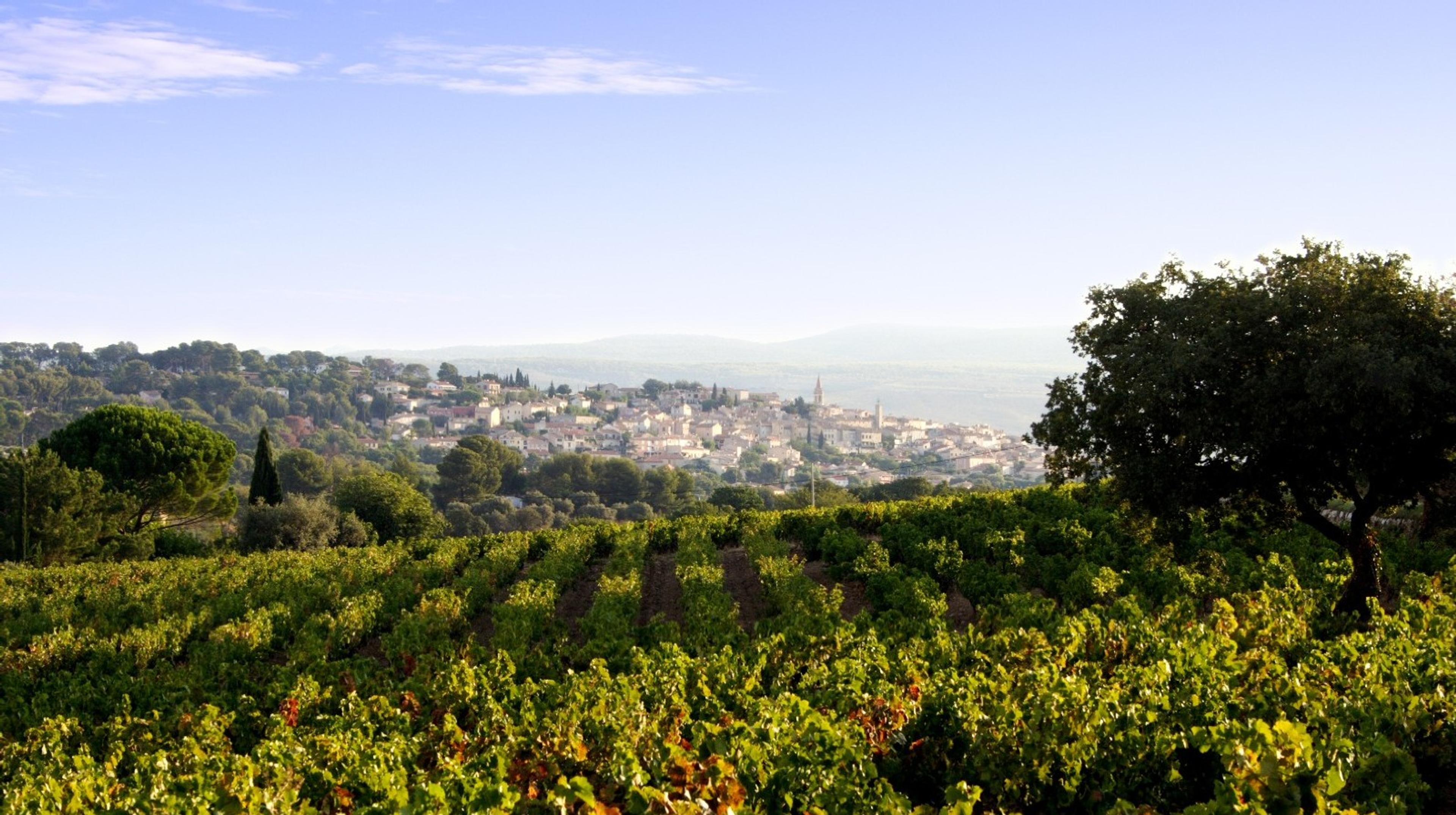
The vineyards stretch from the beaches of the Mediterranean, with their hot maritime influence, to the lavender fields at the foot of Mont Ventoux, the southern Alps and the Massif Central, with a semi-continental or mountainous influence in the north and north-east of the area.
The scorching hot summers of the south of France are moderated by altitude and the cold Mistral wind blowing in from the north down the Rhone valley - but this is still a decidedly warm climate, with over 2,500 hours (London has about 1,650 hours) of sunshine annually.
This southern French sunshine not only ensures brilliant blue skies (precipitation is a moderate 500mm annually on average across the region), but has also fuelled the area's thirst for refreshing rosé, making it popular with locals and holidaymakers alike: one of the key success factors for these wines is not in simply selling a bottle of wine, it is about reacting to consumers' appetite for storytelling, and selling a vision of a holiday in the south of France in every bottle to accompany the Mediterranean diet - no longer just a salade Niçoise, but increasingly the modern take on fresh vegetables and fish, olive oil, garlic, thyme and saffron.
The south is not just olives, but also truffles and chestnuts - the diversity of southern French cuisine is easily matched with the range of wine styles.
Winemaker freedom

Winemakers have the freedom to blend from over 100 varieties
The IGP allows winemakers the freedom to blend any combination of more than 100 varieties, ranging from historic varieties such as Carignan, Cinsault and Grenache to more recent introductions, resulting in many unique wines and an adaptability to what the market wants.
A strong tradition in southern France is the art of blending to create beautifully balanced wines: different grapes and terroirs combine to give interesting wines.
Around 85% of production are blends, with 15% currently bottled as single-variety wines. Producers show their dynamic and creative side by often blending the unexpected, creating new flavour profiles, using the vast size of the IGP to include a wide range of varieties. And it is not just the range of grape varieties which express the diversity of styles.
Experiments with winemaking techniques such as the use of amphora are increasingly being found.
Focus on rosé
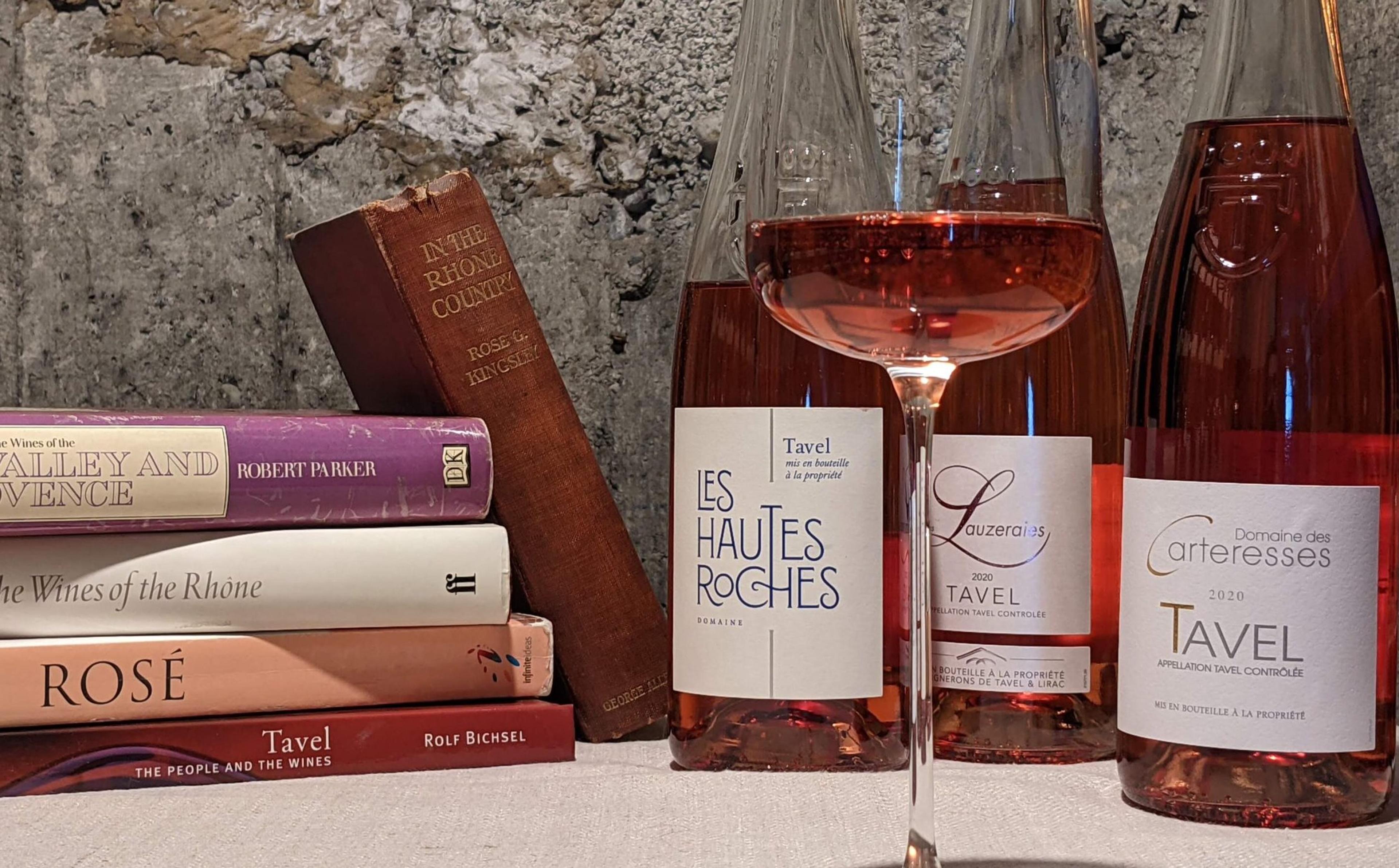
The majority of IGP Méditerranée's still wine production is rosé (65%), typically an elegant pale pink, made through minimal skin contact direct-press, with most focusing on Grenache as the bedrock of the blend, often blended with Cinsault.
The IGP Méditerranée rules allow rosé to include any percentage of both red and white grapes, giving producers carte blanche to play around during the blending process to create different aromatic profiles. A diversity of styles ranging from ripe peaches and cream charm through vibrant crisp styles with hints of red berries and garrigue to rosés with the darker fruits of Cabernet or Syrah, to more complex gastronomic weighty rosés.
These fresh, dry pink wines evoke the allure of the Mediterranean way of life, with its sun-kissed, relaxed lifestyle, even in the depths of winter. They are also perfect for the modern relaxed approach to wine drinking in wine bars and at home rather than during formal meals, a fact at the core of these wines' commercial success.
As Tom Fahey of the Isle of Wight restaurant The Terrace Rooms & Wine (winner of Star Wine List's Best UK Rosé Wine List, https://www.theterraceventnor.co.uk/) says: “We frequently use IGP Méditerranée wines in our rosés tastings. The crisp style of low-fruit freshness that guests expect and hope for from pale rosés is a defining feature of these wines.”
As well as the crisp style, he is clear that "for our guests, they often compare favourably to their more prestigious neighbours and at far lower prices".
Red opportunities
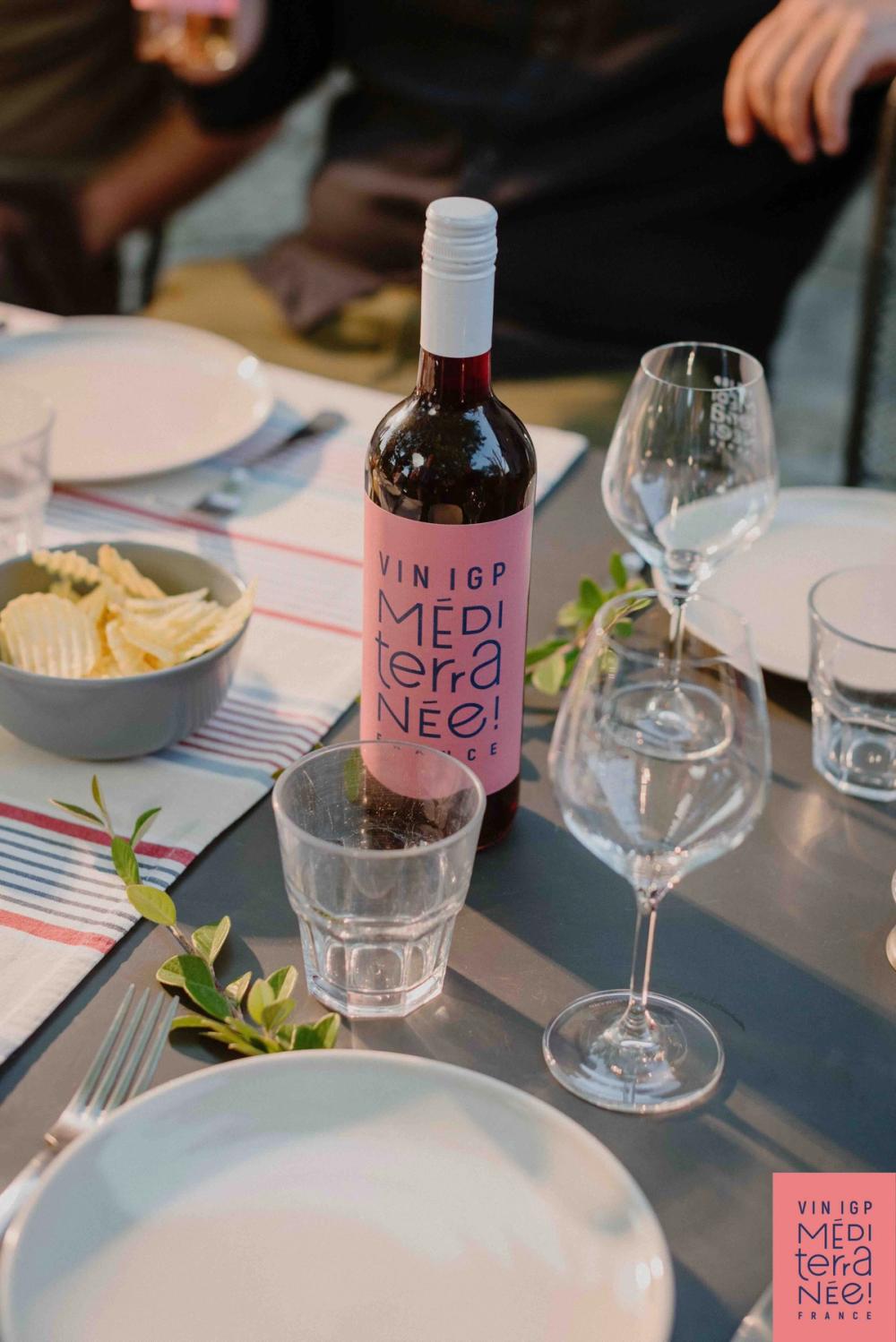
But IGP Méditerranée is not just rosé: 20% of production is red. The most widely planted red varieties are the local stalwarts of Grenache, Syrah and Mourvèdre, often blended together as the famous southern french GSM.
Especially on cooler sites, international varieties such as Merlot and Cabernet Sauvignon thrive, creating modern and elegant styles, ready for drinking young; expect juicy, velvety tannins and expressive berry fruit that maintain freshness over jamminess.
The approachability of these wines makes them ideal for a range of social occasions from aperitifs, summer BBQs to cosy, relaxed winter dining: many producers also include in their range gorgeous, more serious wines with depth and power and potential for food pairing.
Rise in whites
The whites make up 15% of IGP Méditerranée's production and are steadily growing in popularity. They embrace the full range of styles from crisp and crunchy to richer, full-bodied styles. Using local Rhone classics such as Roussanne, Marsanne and Viognier, closely followed by international varieties such as Chardonnay and Sauvignon Blanc.
The Provencal/Italian variety Vermentino (known in the south of France as Rolle) is also increasingly making its presence felt, offering reliably fresh and citrusy wines and reasonable yields. Added to these varieties there are even some aromatic varieties, such as a range of Muscats. As with the rosé and red wines, these varieties are often married in unexpected blends, fusing a unique style that illustrates the innovative nature of IGP Méditerranée.
The flexibility of the IGP has allowed new disease-resistant varieties and crossings such as Caladoc or Marselan to be planted. A wide range of varieties and a broad scope to choose cooler sites are helping future-proof the wines against the impacts of climate change, and to choose varieties such as newcomers Xinomavro and Verdejo which can adapt to hotter drier summers. These can also provide a talking point for customers looking for new tasting experiences.
Wide choice
The diversity of the producer base of IGP Méditerranée allows buyers to choose from any of the 338 independent growers, from niche producersmaking highly individual, small volumes of handcrafted wines to large estates, sometimes replete with chateaux, creating larger volumes; or from the cooperatives (93 in 2025), many of whom use their scale to implement cutting edge viticultural know-how and innovation; and négociants (74 in 2025), able to guarantee supply of a wide range of wines throughout the year and at competitive prices.
The easy-drinking charm of so many IGP Méditerranée wines are proving to appeal to consumers of all ages and in all seasons, their diversity of styles enabling customers to explore different profiles and tastes to suit the occasion and personal preferences.
With an easy to remember name, a clear southern image and a reputation for quality, it is easy to anticipate drinkers seeking out these wines, and a further increase in the market share for all three colours.
* You can find out more about the region by clicking here.