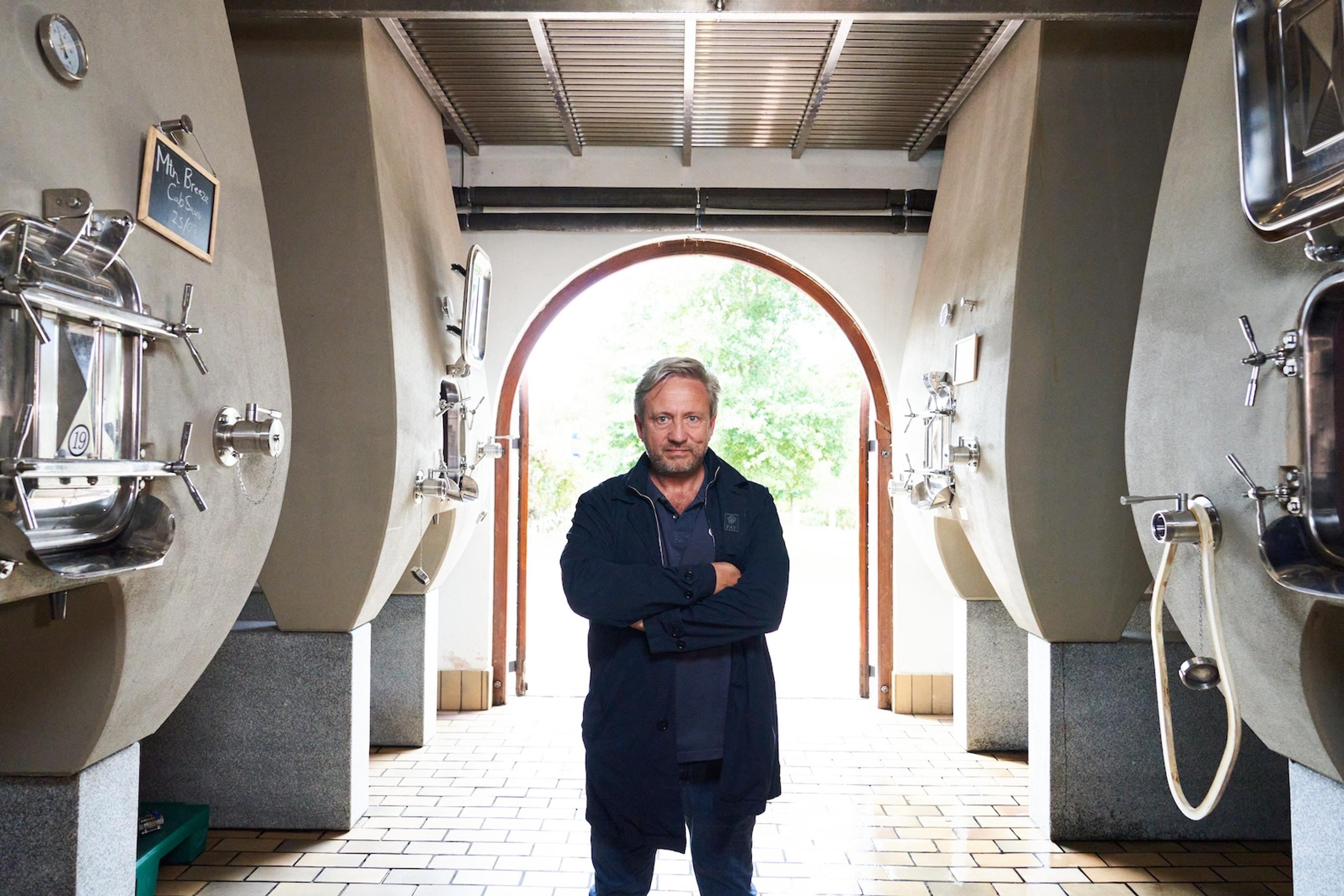
Ned Llewellyn is in optimistic mood when we meet as he prepares for the Alliance Wine en primeur event in London on January 14, which for the very first time will feature wines from the Rhône as well as the more traditional Burgundy, highlighting the region’s place as a premium player in the fine wine sector, and its increasing appeal to serious collectors.
“We have always prided ourselves on our innovation and taking our own path,” explains Llewellyn, claiming that this week’s tasting, being held at the Haymarket hotel in London, is a good example of that spirit.
“By introducing a dynamic format that blends future bottlings with more established vintages and expanding the breadth of the tasting to include Rhône alongside Burgundy we are looking to elevate the event to a different level.”
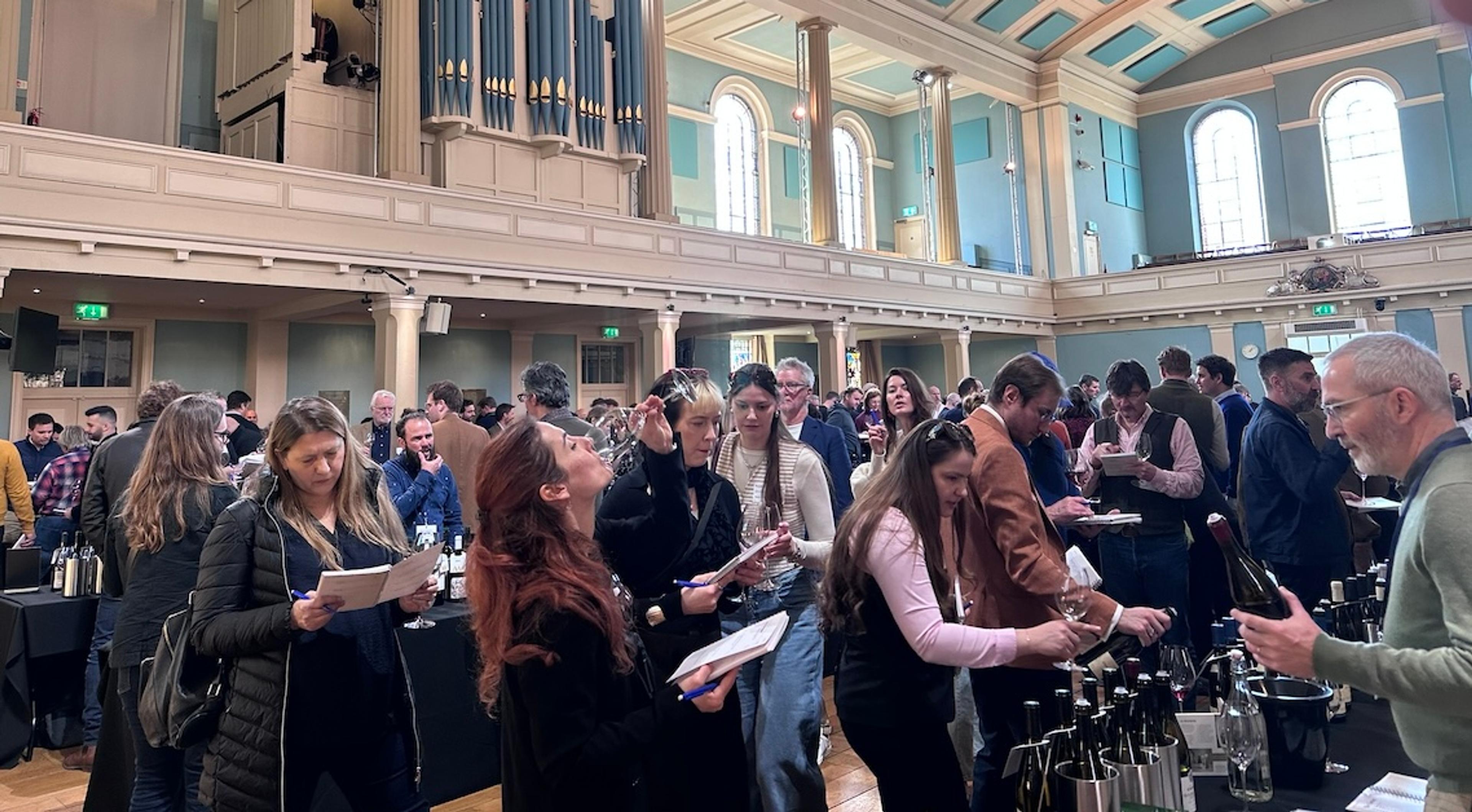
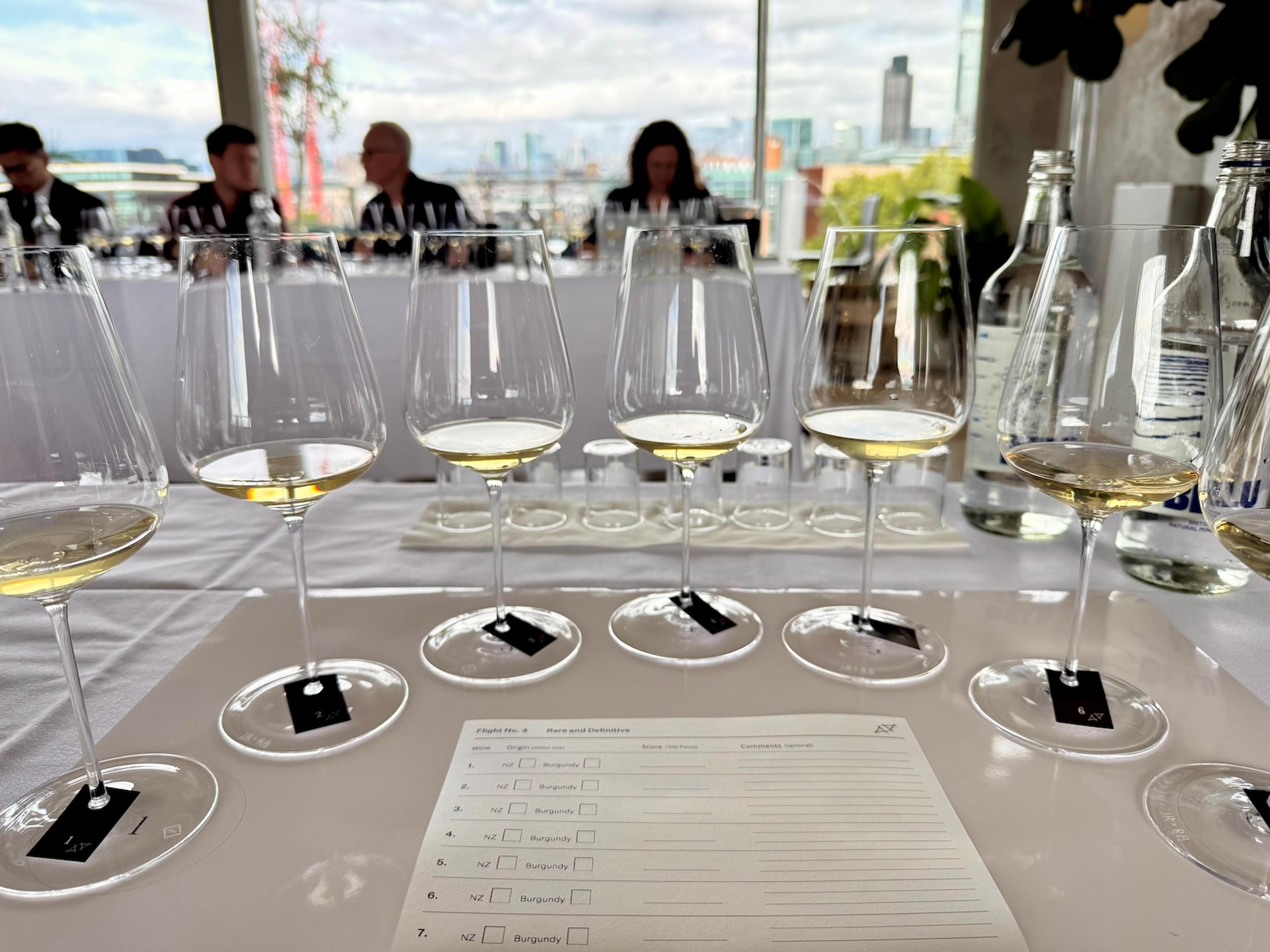
The event, which will showcase the 2024 Burgundy vintage alongside older wines, in addition to the Rhône, will enable visitors to discover how they develop over time, and engage directly with a variety of producers.
This approach, says Llewellyn, enhances not only the understanding of the wines, but also helps to strengthen the relationship between customers and producers.

Ned Llewellyn believes this week's Alliance Wine en primeur tasting on January 14 will firmly demonstrate the huge strides the company has taken in expanding and developing its fine wine offer
“Our goal is to be forward thinking and that Alliance is setting new standards for engagement and interaction at the forefront of an ever-evolving fine wine market.”
Ambitious targets indeed, and something that Llewellyn believes the trade will welcome.
Driving sales
So what does Llewellyn attribute Alliance’s success over the past year to, which has seen fine wine sales surge by around 30% overall, with a 40% increase in the on-trade and 15% uplift in the independent off-trade?
It’s not just a case of selling more wine to existing customers, but the fact that the actual customer base has increased by around 18%, thanks in part to the integration of Old World fine wine specialist H2Vin, following Alliance’s acquisition of the business last year.
As a result, the company’s portfolio has been boosted by the addition of approximately 70 more producers, bringing the total to around 280 from classic regions such as the Loire, Burgundy and the Rhône.
Before Alliance bought out H2Vin, almost 100% of their producers supplied them on an exclusive basis, but since the acquisition it has inherited a few producers which have shared distribution agreements with other UK importers.
“Yes, we’ve inherited a few producers that are split amongst other importers,” confirms Llewellyn.
“Some of the best producers, in France especially, are keen to work with multiple agents and we are happy to do so where we can add real value to our customers. Often with these producers we find that demand still outstrips supply and we are delighted to be able to work on selling our allocations to our customers.”
Llewellyn says that whilst the company is always on the look out for world class agencies, it has no imminent plans to dramatically increase the number of producers in its portfolio, saying they are already dealing with some incredible winemakers and we need to focus on maximising sales for them.
“We want to make sure we’re doing the best job for all of them. But there will always be gaps and opportunities.”
Depth and quality
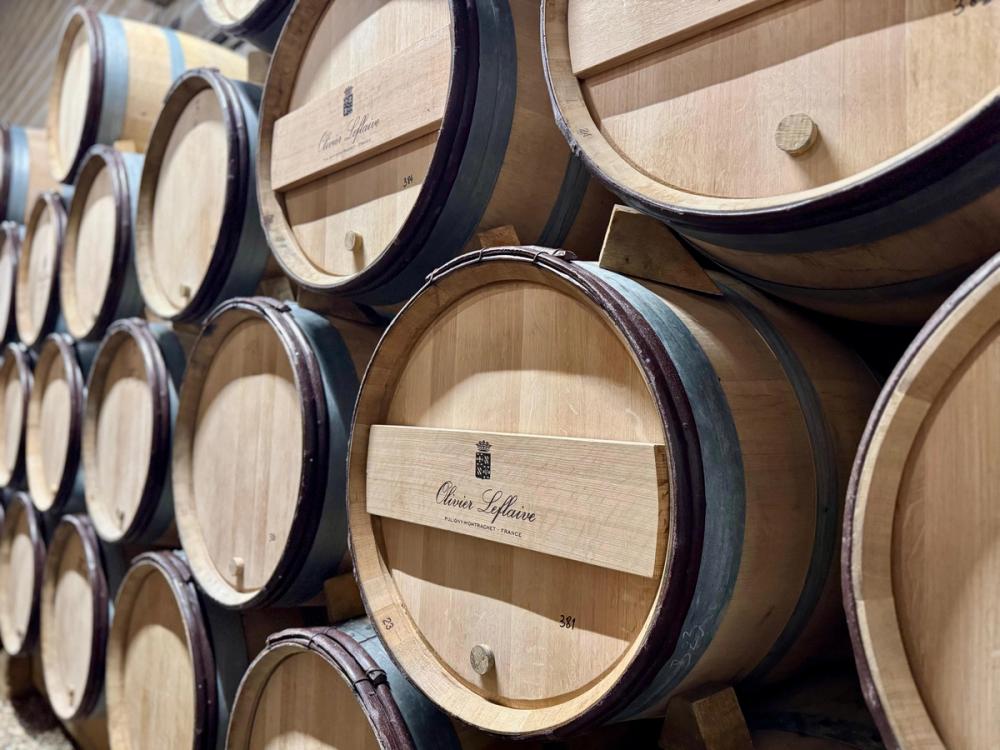
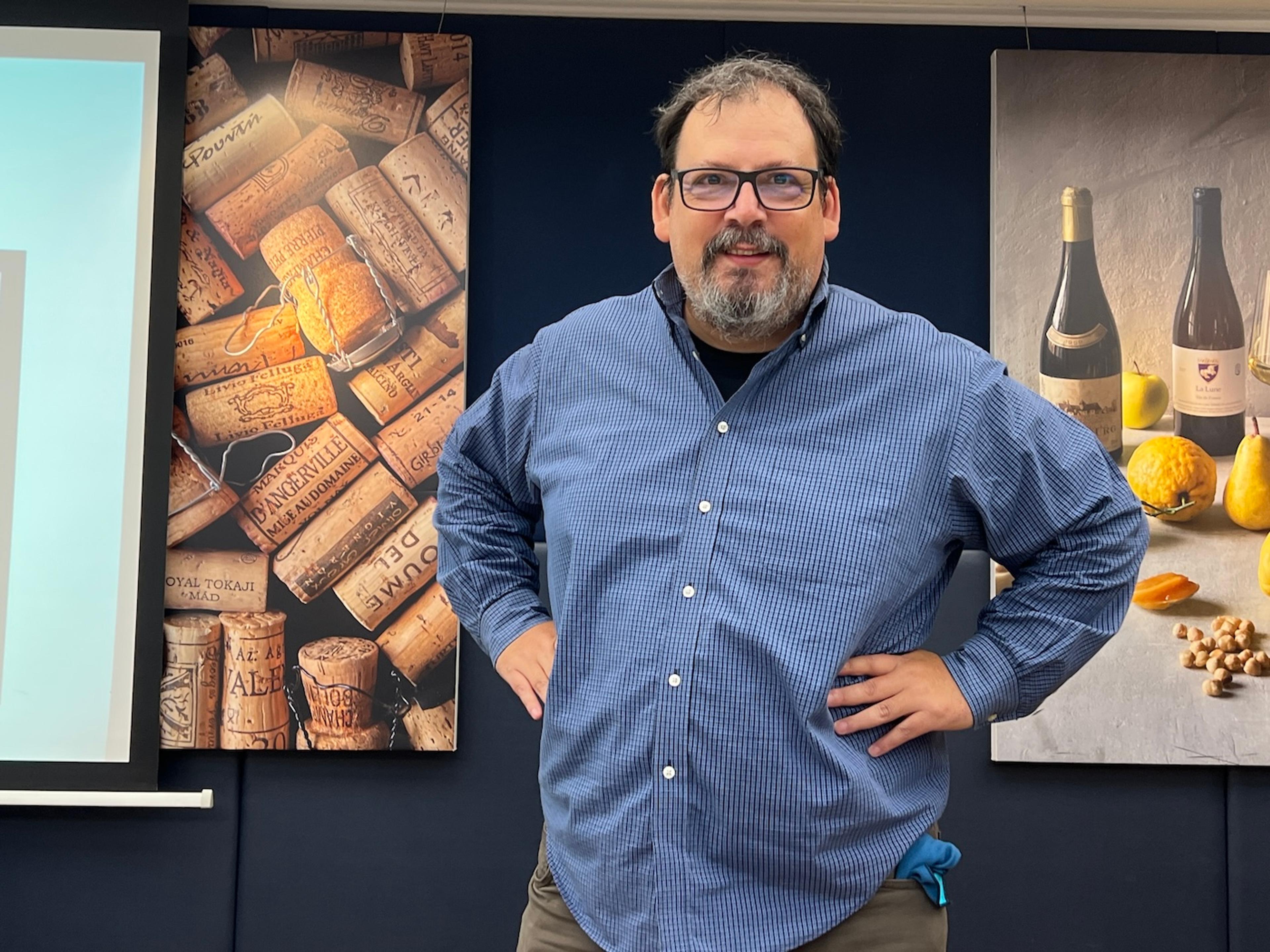
Acquiring H2Vin has taken Alliance Wine's fine wine offer to another level and means it now has access to a wider range of premium fine wine producers
The merging of the two companies has meant H2Vin customers now have access to a far greater range of wines, as they were originally fairly niche, while Alliance customers can access a greater depth and quality of producer.
“With a wider and developing customer base, we’re keen to expand the awareness and understanding of our fine wine capabilities,” says Llewellyn.
The merger of the companies is also partly behind the decision to hold an en primeur tasting including Rhône wines for the first time, as H2Vin has traditionally been particularly strong in that region.
Also, as Llewellyn points out, while the Burgundy en primeur campaign is a regular annual event for the trade, this is not the case with Rhône wines, which sees offers and tastings at many different times of the year.
“I think in recent years people have not really been buying into Rhône en primeur so much, but we want to try and kick start that again, because there is so much value in the Rhône.
“You can buy the best wines from the region for a snip of those from Bordeaux or Burgundy. And the Loire valley is the same. H2Vin is renowned for having a very good Rhône selection, as well as Burgundy and Loire. And we had some really good Rhône producers already, so we’re quite excited about what we can do in the region.
“I would probably say that Burgundy and the Loire have had the most attention thus far in the evolution of the companies merging, but we really want to focus on the Rhône this year and believe we now have one of the strongest Rhône portfolios in the UK.”
The right platform
The grand plan, continues Llewellyn, is to provide a platform for Rhône wines for those customers Alliance would usually sell Burgundy en primeur to.
“It was a natural fit for us in terms of the customer base, and an opportunity to bring the two together and talk about them in one room.”
But Rhône wines today are not what they were stylistically, as consumers are looking for fresher, often younger and lighter wines, and the new generation of winemakers are producing wines to suit their customers, going back to what their parents and grandparents were making in the 1980’s and 1990’s.
“There’s a real search for freshness, vitality, and brightness in the wines, which lots of the older vines out there naturally help produce – and I think this really suits the UK market which is demanding this style of wine.
“When you’re working with Grenache for example, you can make wines of differing styles - either go down the big, ripe and rich route or you pick on that rise of ripeness to ensure you’re maintaining that freshness and vitality. And I think that suits the modern drinker, who is looking for wines with a bit more energy. And it also suits many of the producers that we’re working with in the Rhône.”

Ned Llewellyn says Alliance Wine has been able to drive and increase its fine wine sales at a time when many suppliers are struggling
Llewellyn believes there are a number of factors contributing towards this trend.
“People are certainly looking for wines that will pair well with food, and the freshness and acidity always helps in that regard. Overall, the fine wine market is not doing very well at the moment, people have less money in their pockets but when they do spend, they’re treating it more like a special occasion.”
While the overall market may be firmly in the doldrums, Alliance is defying these odds and has just enjoyed an exceptionally good year.
“It’s an interesting one,” muses Llewellyn when pressed on the issue. “The traditional fine market has probably had one of its worst years for a very long time. I’ve been speaking to a lot of brokers and fine wine merchants, and they all seem to be having a pretty torrid time of it. The economic impact of what’s going on around the world in the last 12 months has not helped.”
He adds: “We’ve seen massively increased prices, continuing red tape rolling on since Brexit, as well as short harvests across Europe putting pressure on producers to continue to increase prices – and that’s not to mention the challenges around the Bordeaux en primeur campaigns.”
Right strategy
But how has Alliance Wine bucked the trend? Llewellyn explains what they’ve been doing differently. “We have continued to work proactively with our fantastic producers, buyers and brand managers - and taken on H2Vin, though this hasn’t been the whole reason behind the growth. For us, this just came at a really good time.”
While Alliance has historically sold good volumes of fine wines to the on-trade, it was perhaps better known for its work in the fine wine off-trade. With the acquisition of H2Vin, whose strength has traditionally been in the on-trade, this has meant that they are now selling more across both channels.
“It has certainly helped to propel us forward, and the 30% growth we’ve seen in the on-trade in the past year I think has been a lot to do with the press we’ve received about the success of the acquisition. It’s interesting with a slightly different portfolio how you can then go to market and people start to open their eyes as to the extent of what we can do as a supplier. All too easily you become pigeon-holed as to what type of company you are, and by adding those extra producers we’ve been able to open people’s minds as to what our capabilities really are.”
The key fundamentals which the company has been built on since its inception in 1984 are still there though, he maintains – namely the company’s sheer enthusiasm for wine and its exceptional customer service. But Llewellyn admits that Alliance is now selling a lot of extra products to customers who wouldn’t have traditionally bought those type of wines from them before.
Managing supply
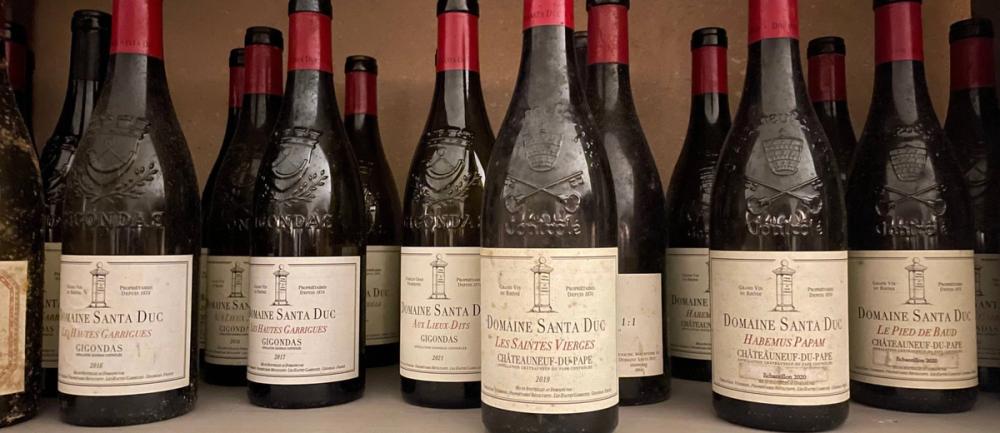
Domaine Santa Duc is one of Alliance Wines' strategic Rhône producer partners
One headache which trips up lots of distributors is ensuring continuity of supply to its customers. How does Alliance get round this problem and keep everyone happy?
“Well, we can’t ever ensure continuity of supply of all our wines. We’re talking about small artisanal producers who often only produce a single barrel of wine. But we do push our producers for the biggest possible allocations, but only where we believe we can sell them. We don’t want to be over-promising producers and then not being able to deliver.”
The biggest challenge, he says, is probably distributing the allocations they have fairly amongst their customer base.
“We always want to support the customers that support us – our business model is all about creating partnerships with our customers and producers. And you don’t create a partnership if you’re just selling the cherries to the people who ask for them every time they become available but buy nothing else throughout the year. It’s about working with customers who understand us as a business, who can help us both grow, and rewarding those customers with some of the best wines we can get our hands on.”
This modus operandi is infinitely preferable, says Llewellyn, to simply going for short term benefit rather than taking a longer-term view.
“We’ve got a brilliant stock and inbound logistics team who manage these things, and we work closely with our producers to ensure we understand where they want their wines to be sold.”
The only advice Llewellyn gives his customers if they want to maximise their chances of ensuring supply continuity is to act quickly when the wines are first offered.
“We are incredibly lucky to work with some producers whose wines sell out almost immediately upon release and won’t become available again for another year.
Horses for courses
So what is the UK trade looking for in particular? Llewellyn says he has seen a change in recent years. During Covid when consumers had a lot more disposable income, they were being more experimental and trying out new styles and varietals.
“In 2022 we were selling huge amounts of fine wine from unusual grape varieties and interesting regions”, he says. “They would sell out in minutes. But what we’ve seen over the last two or three years is a reversion back to the real classics. Across our fine wine offer, the ones that are really working at the moment are the best-known names from the most famous regions.”
“It’s gone so far the other way that I feel that certainly in the fine wine category people are being a lot less experimental, which I hope is not a long-term trend. We like to champion up and coming producers from interesting regions alongside many of our better-known winemakers, so it can be frustrating when the offers have such varied success.”
“I think it’s maybe a bit of a safety net thing; people have less money in their pockets now and when they’re going to make an investment they want the assurance and the confidence that a better-known producer or region can provide - And these are the wines that we see sell out the fastest.”
“We know people are focussing more on quality than quantity these days, and we are happy to champion this approach - this works well for us as a business and our suppliers who craft high quality wines.”
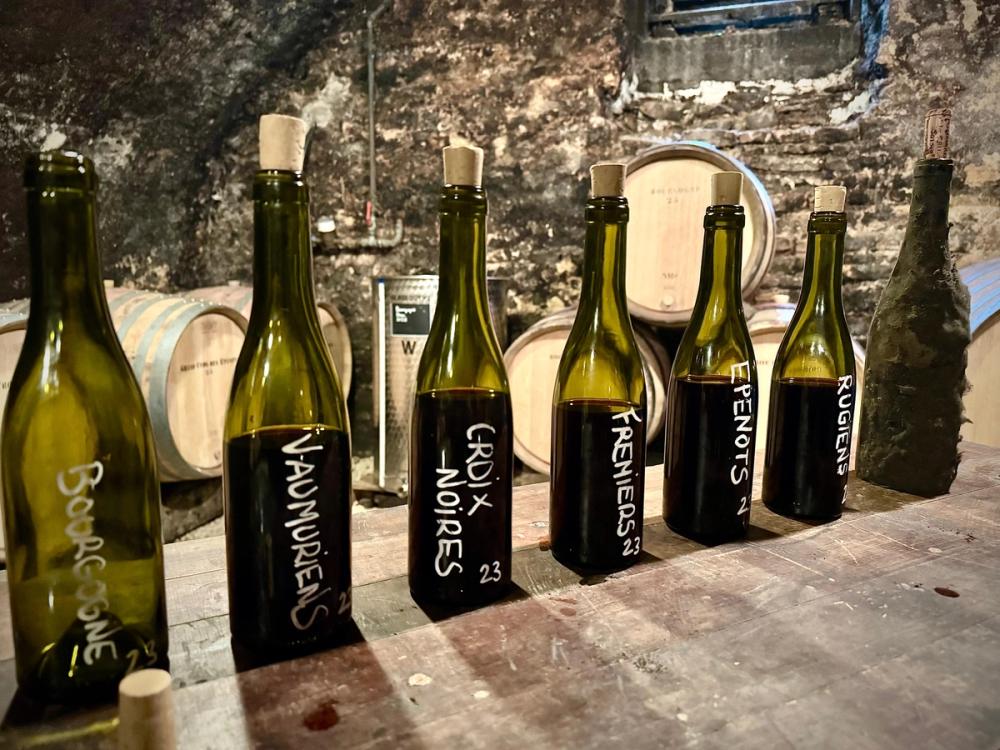
En primeur bottles at Domaine de Courcel in Burgundy
This, says Llewellyn, is nothing new but a trend that has been apparent for at least 15 years.
“It’s something we have been talking about for a long time as a business. And the reason we took on a premium category company like H2Vin is that we want customers to buy better quality bottles and getting better value for their money. We are at least seeing average bottle increases over and above inflation and duty as a result of our efforts which is encouraging.”
Wide portfolio
And despite the shift back to the classic regions Llewellyn also reports healthy sales of wines from other areas, particularly the Loire, the Rhône, South Africa, Australia, New Zealand, Spain, and Italy.
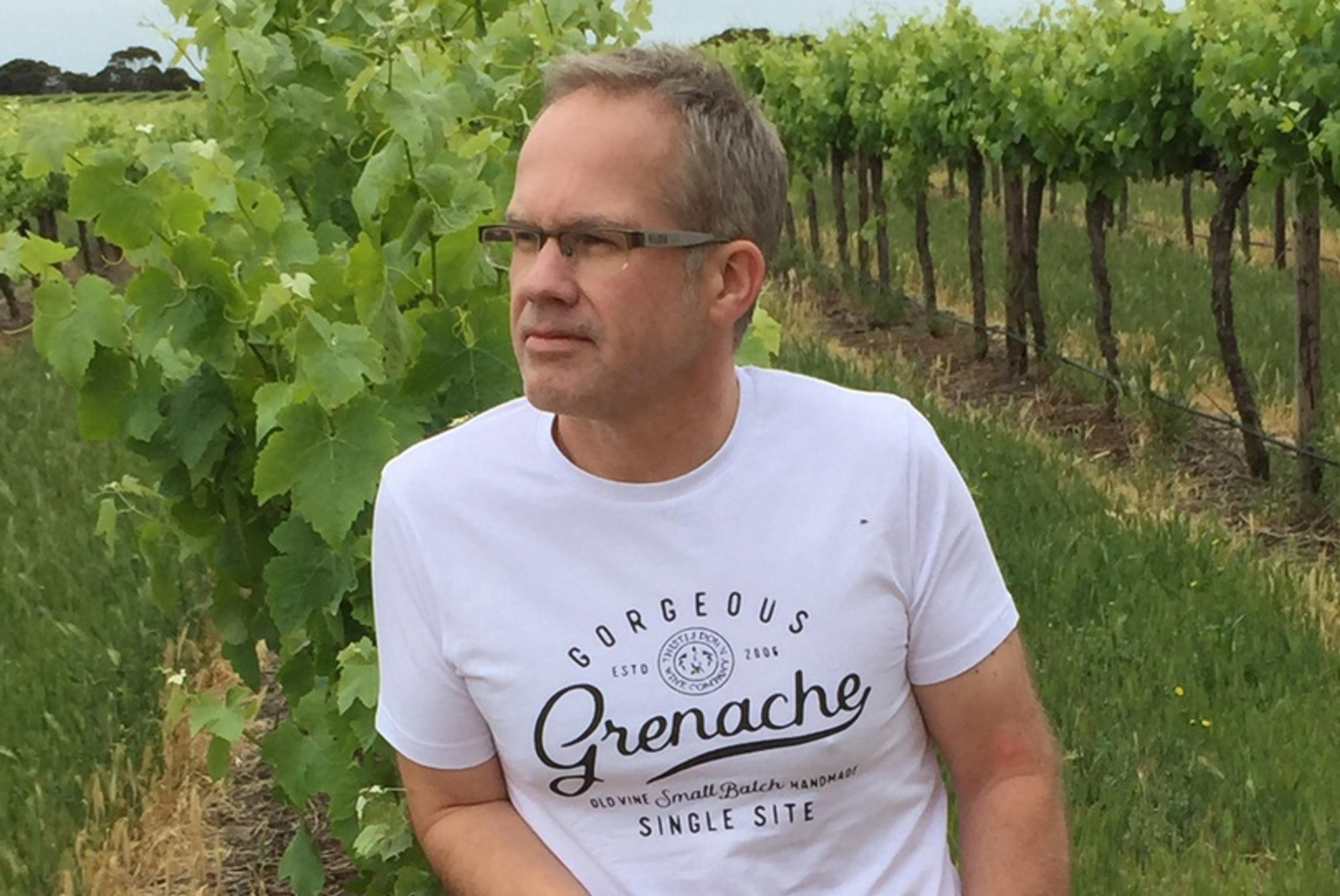
“As well as Europe we work with top producers from around the world including the likes of Vina Cobos in Argentina, Bell Hill in New Zealand, Chris Ringland and Thistledown in Australia, Paul Hobbs in the US and Mvemve Raats in South Africa.”
“Bordeaux is probably the one classic region the company has never really focused on for fine wine sales, but other than that we are well represented in most major fine wine producing regions. We’ve had great success finding amazing value for money elsewhere too. In Rías Baixas with Pazo Señorans for example; their Seleccion Añada is widely regarded, and scored, as one of the best white wines in Spain and it retails at around £65 a bottle. The value you get in Spain is crazy – you can hardly buy a Village Chassagne for that nowadays, so it’s always fun to look for good value outside the key regions.”
What advice would Llewellyn give to independent fine wine merchants looking to boost their margins?
“It’s about being proactive, the indies we have seen be the most successful in the fine wine arena are those that have taken action. Building a database of fine wine clients and specifically targeting them with news, offers and inspiration has often led to successful outcomes. We are always happy for our customers to recreate our offers themselves and use the copy and imagery to go to their clients with.We’d love to see more of them get involved in order to really stand out from the competition.”
Building on momentum
As to the rest of 2026, Llewellyn is quietly confident that the business can maintain the momentum it has set in the past year, though doesn’t believe there is going to be a miraculous recovery in the fine wine market any time soon.
“I think it’s going to be much of the same, with uncertainty in the markets, but we are hopeful that by continuing to work closely with our customers and attracting new ones, we can build on our recent successes.”
Despite these difficulties, Llewellyn says the business will still be looking to further develop its market share in fine wine sales, and has taken on around 20% new customers in the past year.
“And I feel like we’re really only scratching the surface,” he says. “There’s a huge amount of scope for us to sell more expensive wines within our portfolio, no matter what the market is doing. I don’t believe Alliance Wine is yet as big a player as it could be in the fine wine market, so I think we’ve got room to grow, and we’ll certainly be looking to do that.”
And where does he think that future growth will come from?
“I think we could always be a more prominent supplier to our existing customers, and continue to increase the number of listings we have with them. We’re still a medium sized player in the industry in terms of our turnover, which means we do have the scope to grow.”
He also sees lots of potential within the on-trade, thanks to the H2Vin acquisition.
“Our mission statement has always been to create a better world of wine. We like to look at all the decisions we make as a business and ask - is this making a difference? Is this good for the industry and for us as a business? It is about ensuring beneficial relationships for all involved, respecting people, and working with an innate sense of integrity and we hope this approach can help our customers, our producers, and us to thrive.”
* Alliance Wine's Burgundy and Rhône en primeur tasting takes place on January 14 at Haymarket Hotel in London between 10am and 4.30pm and will feature en primeur wines from the 2024 vintage as well as older vintages currently in stock. To register email katherine.carter@alliancewine.com.
* Alliance Wine is a commercial partner to The Buyer. You can find out more about what it offers the trade here.