Delegates at Rioja’s Centennial Celebration were probably not expecting to hear a keynote speaker say: “We are not married to Tempranillo.”
Seventy delegates immediately check their whereabouts on Google Maps. Yup, we’re in Rioja.
The 87.7% of red wine made with said grape might suggest that there is still a happy marital bond between Rioja and Tempranillo with little chance of an imminent ‘messy divorce’ but, after three days at this celebration of Rioja’s centenary, it did feel like ‘this couple’ were open to a bit of flirting.
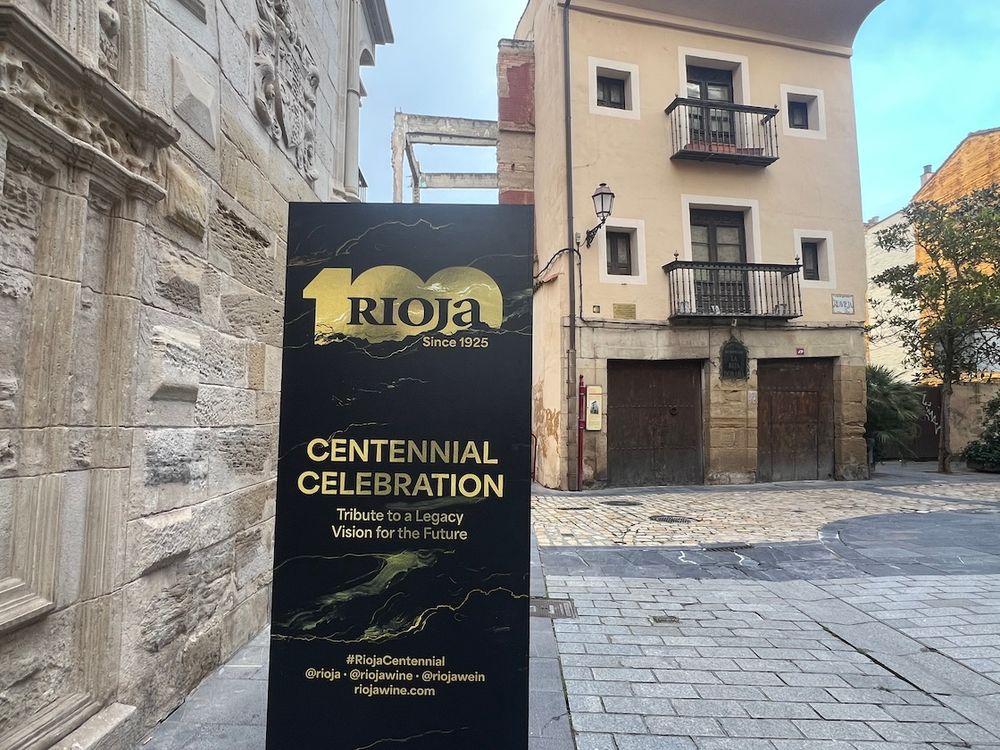
A year of celebrating Rioja DOCa's first century ended February 16-19 at Logroño
Rioja is entering its second century, then, more as an open ‘marriage’ than as an arranged one with a hive of new initiatives occurring in rapid succession, driven by a growing group of terroiristes with a keen desire to interpret the region’s diverse terroir through a corresponding myriad of new grape varieties, wine styles and approaches. Hell, you can even make white wine in Rioja these days with Sauvignon Blanc and Chardonnay.

New president of the DOCa, Raquel Pérez Cuevas - a visual harbinger of change
Winds of change
There’s no denying a breath of fresh air sweeping through Rioja. Newly installed president of the Consejo Regulador Rioja DOCa, Raquel Pérez Cuevas is promising a new strategy and has a Jacinda Ardern-like energy to her presence following the 20-year tenure of predecessor, Fernando Ezquerro. The appointment of a woman to this role in a region that is historically male dominated is refreshing enough, but the fact that the king of Spain marked her appointment by opening the Centennial Celebration a year ago was also a massive fillip in the face of Spain’s strong anti-alcohol lobby.
During February’s grand finale of the Centennial Celebration, Cuevas called for delegates to have a broader vision of Rioja and, although her opening address was short on specifics, particularly on the time frame of the board’s new strategic plan, what it didn’t lack was passion and a welcome to the winds of change.
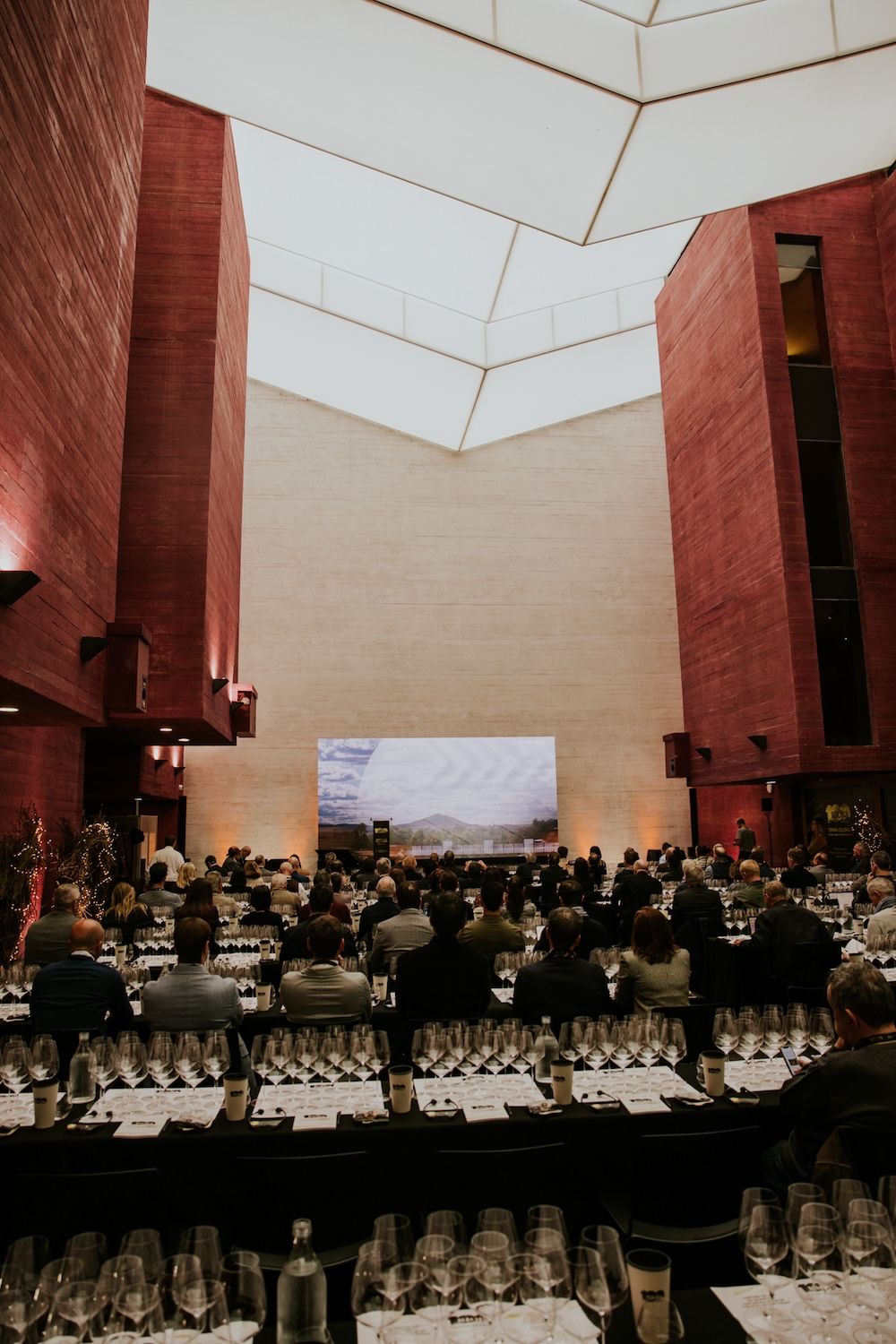
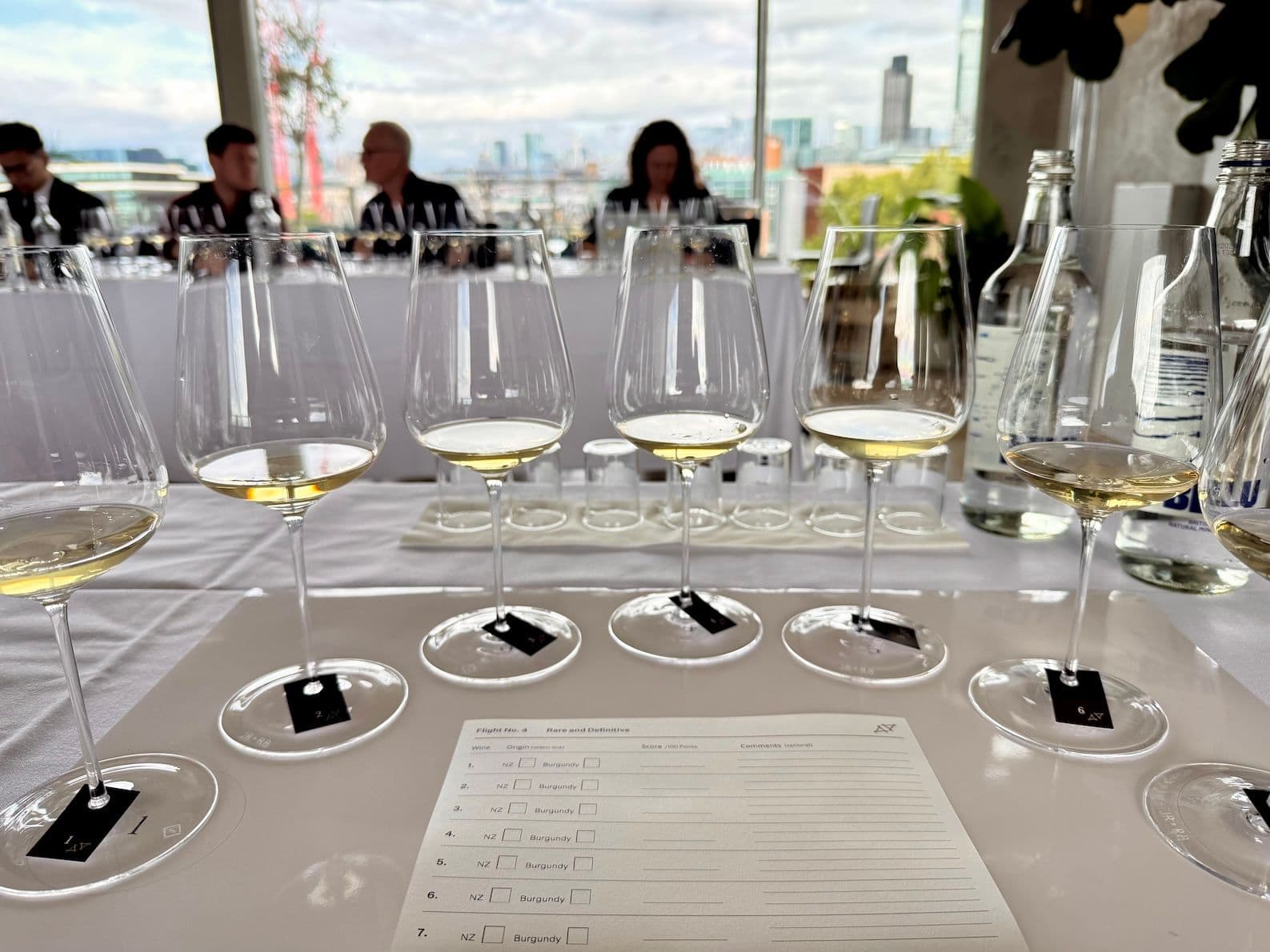
The spectacular setting for the extensive tastings on Day 2
There is also a general loosening of belts in Rioja – regulations (new or otherwise) are handing decision-making back to the people in the vineyards and wineries rather than those in front of whiteboards boasting ever-rising export figures.
When Rioja’s controls over ageing and vintage were introduced in 1980, they had quality and consistency as key goals to help boost international exports. Even if wine consumers didn’t know exactly how many years a Reserva or Gran Reserva needed to spend in a barrel, they probably had a fairly good idea and, probably, liked the taste of coconut and vanilla, to boot.
Wine sales after this date were impressive – the most recent sales figures show that even with a contraction there is some resilience in the face of a global downturn with 41% of Rioja’s current annual output of 328 million bottles being accounted for by exports to 136 different countries.
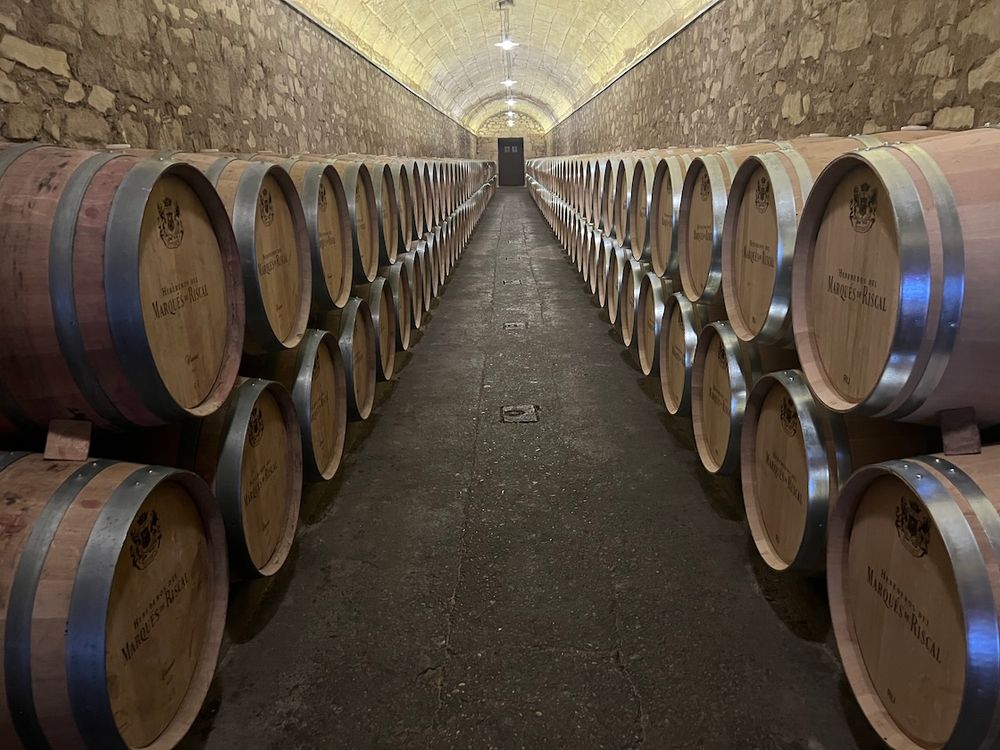
The traditional method-based classificiation excluded smaller producers who couldn't afford the number of barrels necessary
Recent changes to better reflect ‘wines of origin’ as opposed to the traditional method-based classification system has not been without its conflict, however.
Even with the changes to this system introduced in 2017, to reduce the amount of time wine had to spend in barrel and bottle, there is still an explicit correlation between wine quality and oak-ageing. The system has also always favoured large-scale operators that still make up the bulk of the region’s wine production.
The cosecheros (or grower/ producers) who were the pioneers of winemaking in the region were excluded from the classification system, which began to be fine-tuned from 1974, because you needed to own 400 or more barrels to take part. Even though this was later reduced to 200 barrels and now 50, the system put pressure on grape growers to remain as such, or else be winemakers just selling their wines locally – and has shunned terroir-focused winemaking and alternative ageing materials.
It is hard to believe, looking at the diversity inherent in today’s 13,000 growers and 600 wineries in Rioja that, until as recently as 1991, you also couldn’t bottle wines under your own name unless you were making 100,000 bottles per year.
But the regulatory landscape is changing – and fast – ‘diversification, diversification, diversification’ was the key takeaway from the Centennial event. Changes are taking place right across the board affecting types of grapes, winemaking methods, styles of wine, in fact almost every aspect of winemaking in Rioja today. There are enough changes to satisfy both traditionalists and terroiristes, but my question is whether the region is changing too much for the wine consumer to keep up?
So, let’s take a look at the changes.
Niche producers
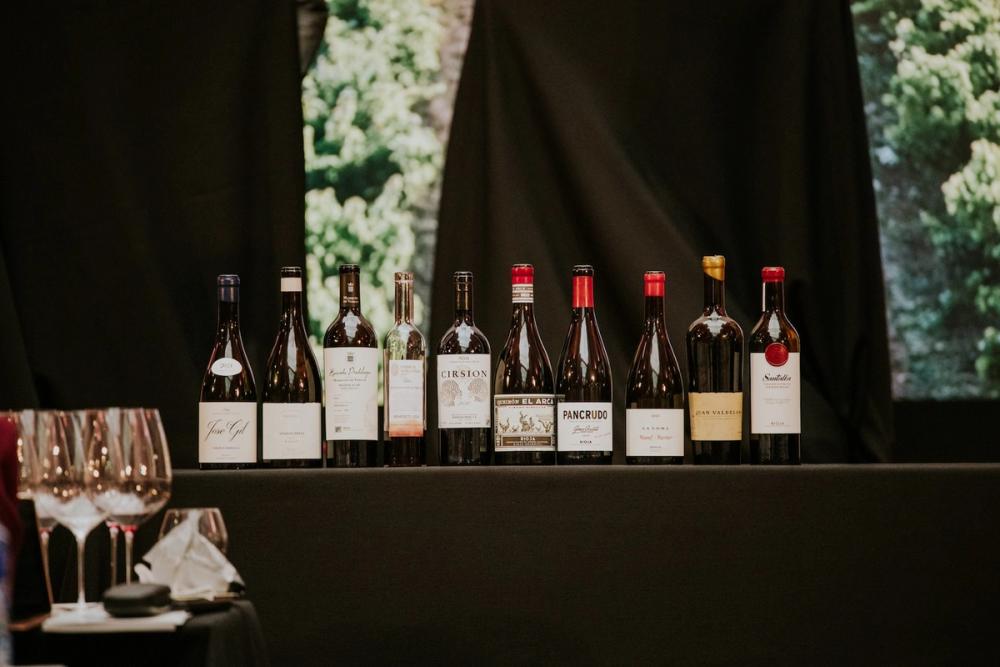
The 10 wines chosen to illustrate Rioja's diverse future
Since 1980 the number of wineries in Rioja has only increased by about 30, the size of land covered by vineyards, however, has almost doubled and with that has been the growing influence of niche producers. At the Centennial Celebration there was an open tasting of 120 wines from many smaller producers – exciting new cuvées and styles with many wines not looking or tasting like ‘classic Rioja’.
There have always been small-scale wineries in Rioja, it is where winemaking in the region first started centuries ago, but in more recent times, prompted by the mass overproduction of the 1980s which drove grape prices down, growers started going their own way and stood outside of the system. Producers such as Telmo Rodríguez openly challenged the system, making origin specific wines and putting village names on the front labels.
Wine tastes have also changed which has gone hand in hand with this evolution.
Rioja wine from the ‘Parker era’ of the 1980s and 90s had a consolidated style of substantial oak influence and body. Today the focus from smaller producers is on precision viticulture and single-vineyard wines whilst reviving artisanal methods, old vineyards and traditional values.
Interesting then to compare what was fashionable then with the latest Parker points for Rioja wine – there are three Telmo Rodríguez wines out of the top eight highest-scoring wines, with others from the likes of Álvaro Palacios and José Gil and none from the largest players.
Critics (and increasingly consumers we are led to believe), now favour Rioja wines with less colour, extraction and oak influence; wines that are more elegant and refined and can be drunk far earlier. Many of the wines we tasted at the event were of the zeitgeist with crunchy, blue rather than red fruit and styles that are miles away from a bricking-red aged Gran Reserva – some not so far from a Cabernet Franc from Chinon or a Blaufränkish from Steiermark.
Pushing the boundaries – physical and varietal
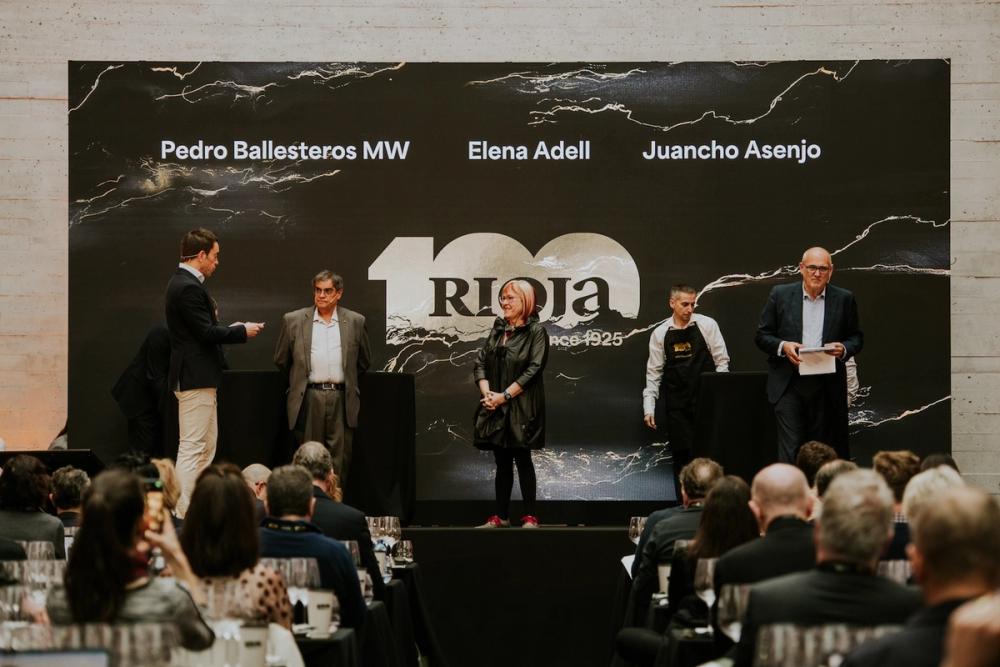
The two tastings were curated by an Assessment Committee of Pedro Ballesteros MW, Elena Adell and Juancho Asenjo
With the current trend towards fresher, lighter more elegant styles, and to mitigate the effects of global warming, so vineyards are being planted at higher, cooler altitudes. This has allowed winemakers to produce wines from traditional red and white varieties with greater purity and terroir-expression but also it has led particularly to a revival of cool climate Garnacha.
In addition to the source of the fruit, winemaking techniques are being employed to preserve freshness and aromatic lift in these new styles of wine – cold maceration before pressing in Vivanco’s Parcelas de Garnacha collection, for example, and a general leaning towards infusion rather than extraction.
Forgotten and minority grapes have also been recovered and started appearing in blends and as single varietals. Pioneering projects led by Juan Carlos Sancha and Fernando Martínez de Toda have identified varieties such as Maturana Blanca, Maturana Tinta (Castets) and Tempranillo Blanco – the latter a natural mutation discovered in a vineyard in Murillo de Río Leza.
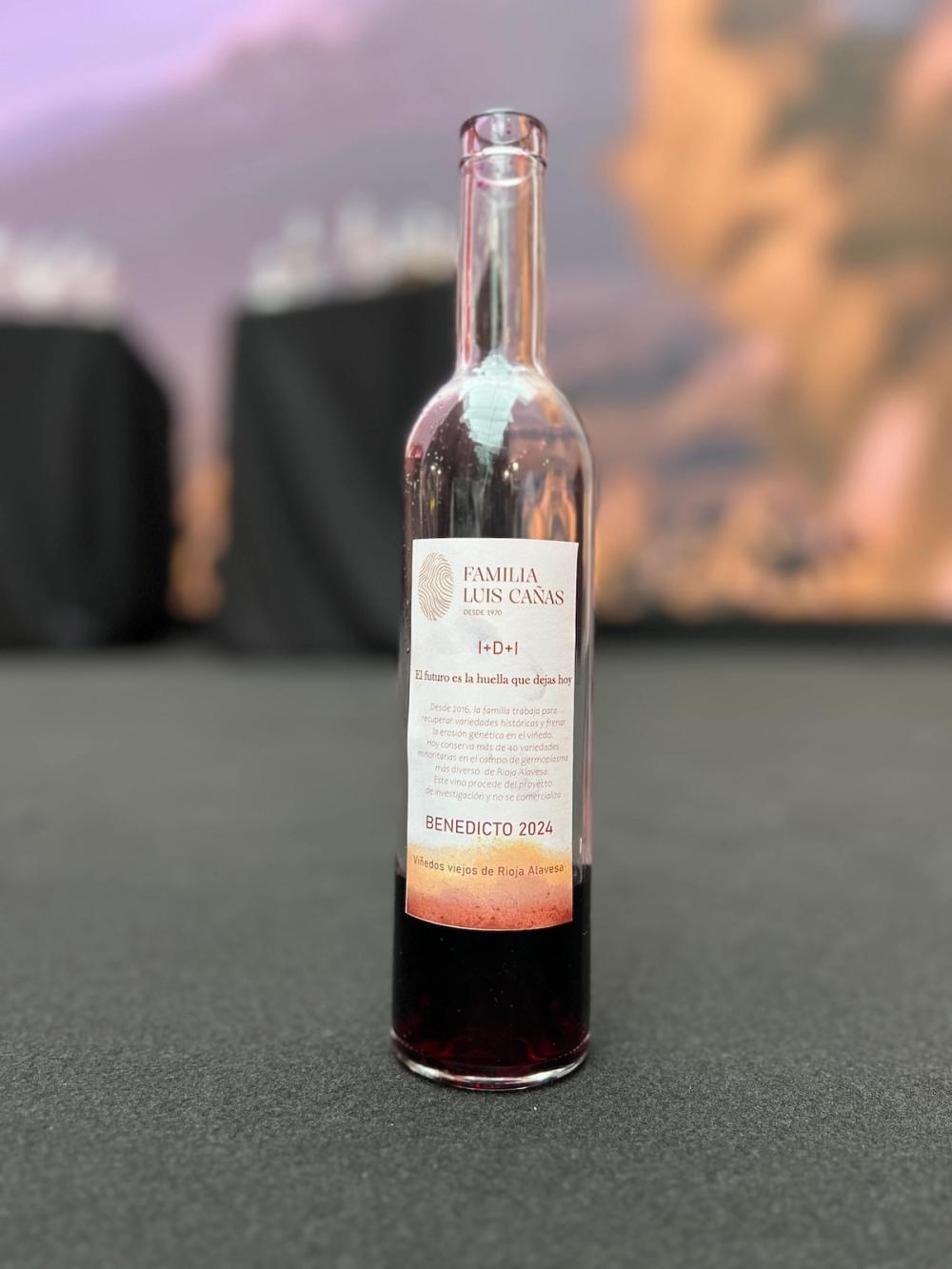
The experimental bottling of Benedicto – one of Tempranillo Tinto’s genetic parents and a possible significant development in coping with climate change
Arguably the most significant breakthrough, however, was the identification of Tempranillo Tinto’s genetic parents, revealed to be the result of a spontaneous cross between Albillo Mayor and the little-known variety Benedicto.
During the event’s Heritage tasting curated by an Assessment Committee of Pedro Ballesteros MW, Elena Adell and Juancho Asenjo, delegates had an opportunity to taste a sample of an experimental wine made with Benedicto which Bodegas Luis Cañas is trialing in much the same way that Manseng Noir is being cultivated in South West France as a way of countering the rising alcohol associated with climate change.
The addition of new grape varieties doesn’t end there. During the tasting winemaker Elena Adell made the point that, until recently, Rioja had only been permitted to make white wine out of three grape varieties, that was increased to six and now another three have been added including Sauvignon Blanc and Chardonnay.
This relaxation has accompanied a quiet revolution in white winemaking – Viura remains the backbone of white Rioja with 66% of all white varieties planted, but it has been joined by the two ‘international’ varieties mentioned and the likes of Malvasía, Garnacha Blanca and Maturana Blanca. Whether matured in barrel or bottle, these continue what has always been a tradition of long-aged whites, albeit with new and unfamiliar flavour profiles.
New interpretations of terroir
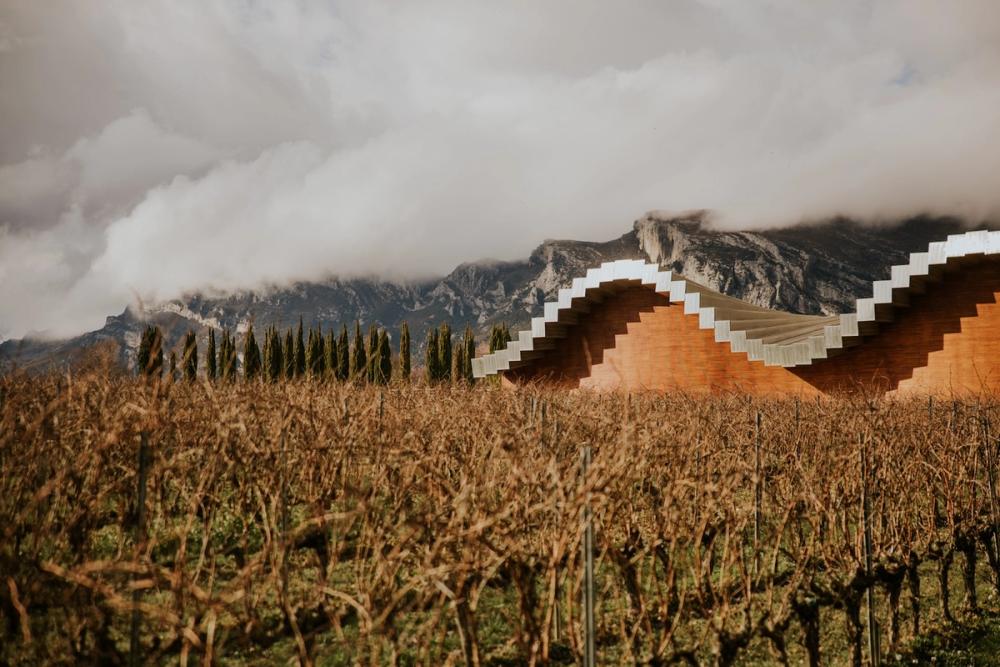
Producers are using field blends and grapes grown in different sub-zones, aiming to balance their wines’ structure, freshness and ageing potential.
Marques de Riscal’s use of Cabernet Sauvignon has always been one of its key points of difference in Rioja, most noticeably in Barón de Chirel the region’s first premium blend of an estate’s finest parcels. Since then, there has been a range of ‘super-selection’ wines: Roda’s Cirsion made from bunches displaying exceptional tannin polymerization on the vine itself; Remírez de Ganuza’s cluster selection – separating the shoulders from the tips – and the field blend that is Las Beatas; All of these wines offer up unique interpretations of classic Rioja.
There have also been more recent changes in blended wines and those with specific, individual provenance.
Blending a variety of vintages to produce wines of consistency and affordability is woven into the fabric of winemaking history in Rioja, of course, where producers such as Campo Viejo could blend 2nd to 6th year wines to produce a discernible house style. Called the Conjunto de Varias Cosechas (CVC) there has been a recent renewal of these wines particularly at the premium end of the market with CVNE’s special editions being a good example.
In addition, producers are using field blends and grapes grown in different sub-zones, aiming to balance their wines’ structure, freshness and ageing potential.
On the other end of the scale is the legislation that the Consejo Regulador introduced in 2017 to better define individual geographical provenance, bringing it in line with other great wine regions of the world. The new geographical categories – Zona, Municipo and Viñedo Singular (zone, municipality and single vineyard) – was again updated in 2024 through the introduction of Vinos de Pueblo and Vinos de Viñedo en Pueblo, the former requiring that at least 90% of the grapes for a wine be grown, vinified and bottled within the same village ; the latter category allowing the winery to be located outside of the village that the vineyards are in.
Back to the future of viticulture
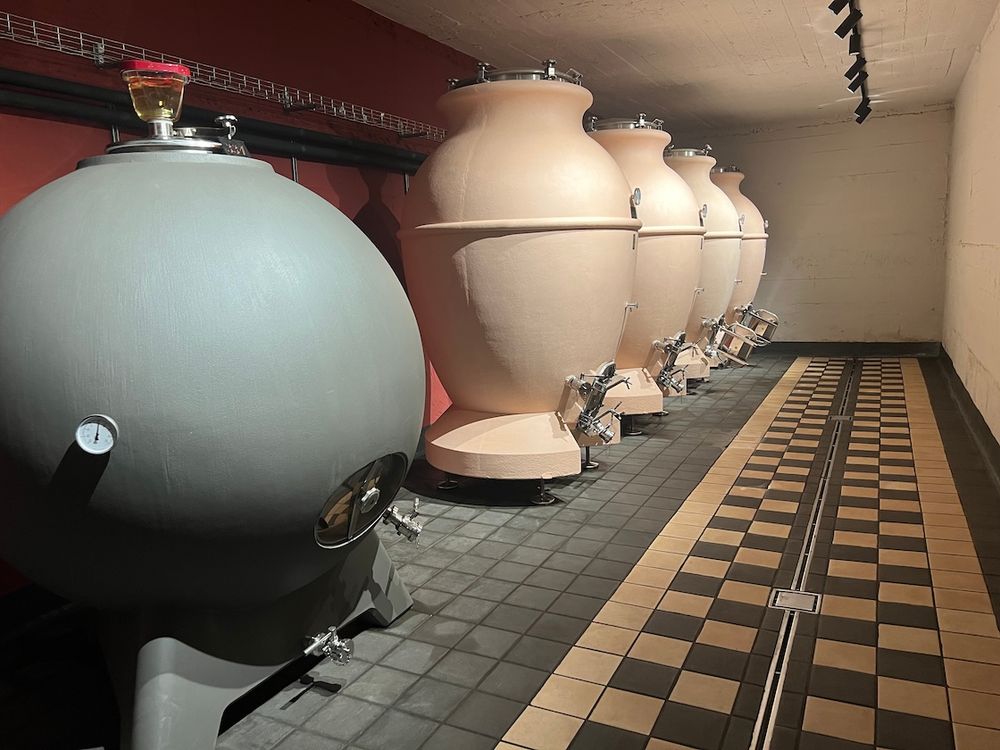
Even at the traditional winery Bodegas Riojanas, experiments have started to age wines in a variety of new formats
Think of classic Rioja and you naturally think of barriques, the 225-litre barrels of which there are, count ‘em at least 1.3 million in a wine region 100km long, that’s 13,000 for every kilometre. Barriques use is mandatory, of course, for Rioja’s designations of genérico, crianza, reserva and gran reserva wines but, before their introduction, wine was made in a variety of formats, many of which contemporary winemakers are returning to, to have less influence of oak, and greater varietal and terroir definition. Concrete eggs and vats, amphorae, large wooden casks and foudres, stainless steel – all are being used along with a renewed interest in co-fermenting grape varieties.
Another blast from the past can be found with the revival of the ancestral style of clarete, an ‘onion skin’-coloured wine most closely associated with rosé but made by fermenting red or red and white grapes together with a bit of skin contact.
There is also a resurgence of rosado wines in the region and continued respect for, and use of, carbonic maceration in many reds particularly in Jóvenes wines, those made by cosecheros.
So what is a Rioja wine exactly?
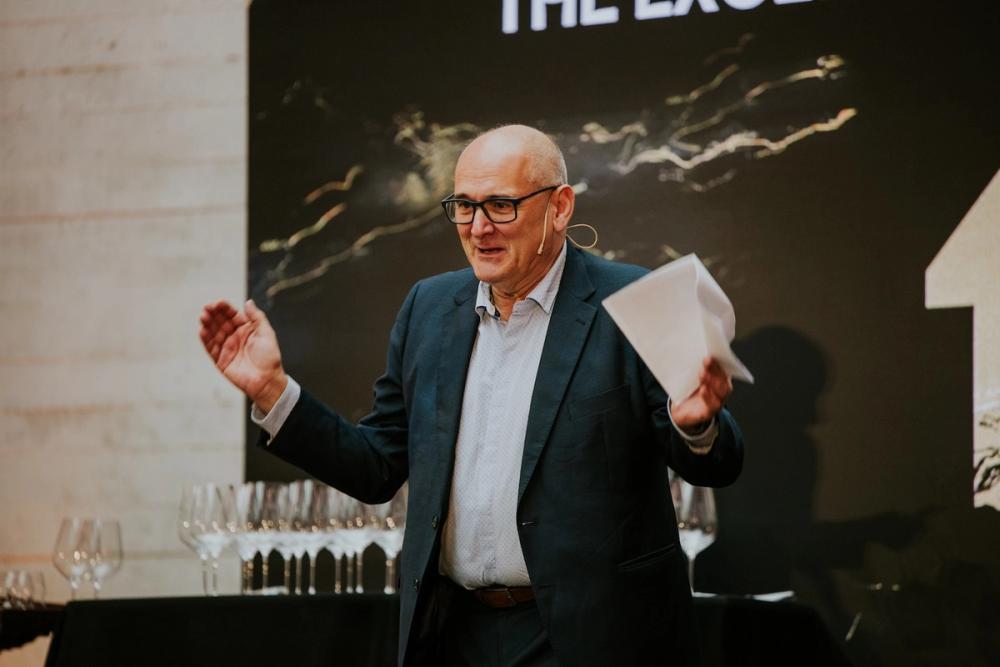
Pedro Ballesteros MW - compere for Day 2 of the event
“To say ‘this is a Rioja wine’ means nothing.”
Pedro Ballesteros MW repeated it twice when he compered (brilliantly it has to be said given the rifts in the region), the two tastings that were central to the 3-day closing event.
What he meant by this comment is that you need to have context when talking about Rioja wine, and that it can no longer be defined by the traditional method-based classification system alone.
Diversity is the new mantra for Rioja. “Rioja is 100 kilometres of diversity” and “It’s a region of 1,001 wines,”were just two of the soundbites from Centennial Celebration.
It is almost as if the Consejo is reveling in offering the world as many different sides to the same coin as it can. When it talks about the ‘recent’ origin-based classification it declares that there are “endless opportunities in each municipality.”
Is that a good thing? Yes, in terms of starting to right some of the wrongs it has made over the past 70 years. The innovation in the region is unquestionably exciting. But, in the short term, the wine consumer can be forgiven for being confused.
Given that there are 144 villages in Rioja and countless single vineyards it is unclear how the wine consumer will be able to identify which are which. It is hard enough trying to identify key characteristics of wines from the three sub-zones – Rioja Alta, Alavesa and Oriental/ Baja – or which side of the River Ebro a wine comes from.
Imagine Burgundy going from a purely quality-driven classification to its current quality and terroir-driven system with 80+ AOCs and proliferation of climats in a nine-year period. It is hard enough for wine professionals to understand the region let alone the wine consumer. Then add in the number of changes that are going on in modern day Rioja and you can see the complexity of the situation.
I recall an argument in my wine club years ago when I showed a bottle of Rioja Reserva aged in French, rather than American, oak where one member argued that because it didn’t have a mouthful of vanilla and coconut “it wasn’t a true Rioja.” And that was just over the change from American to French oak!
His point, which is a legitimate concern, is that if you bought this wine hoping to get a traditional Rioja then you would have been disappointed.
Similar conundrums occurred during the stylistic changes that happened to Californian wines through the Pursuit of Balance movement ten years ago, and Australian Chardonnay. And more will happen in Rioja. Having a group of winemakers exploring terroir for the first time and expressing it through the glass is what happened in Piedmont 15 years ago and in Burgundy 40 years ago – they’ll get there but it will take time.
You could be forgiven, then, given all the changes listed above, for being a little confused in the short term as to how to define a Rioja wine, especially if you are a sommelier drawing up a wine list.
Needing to educate trade and consumer
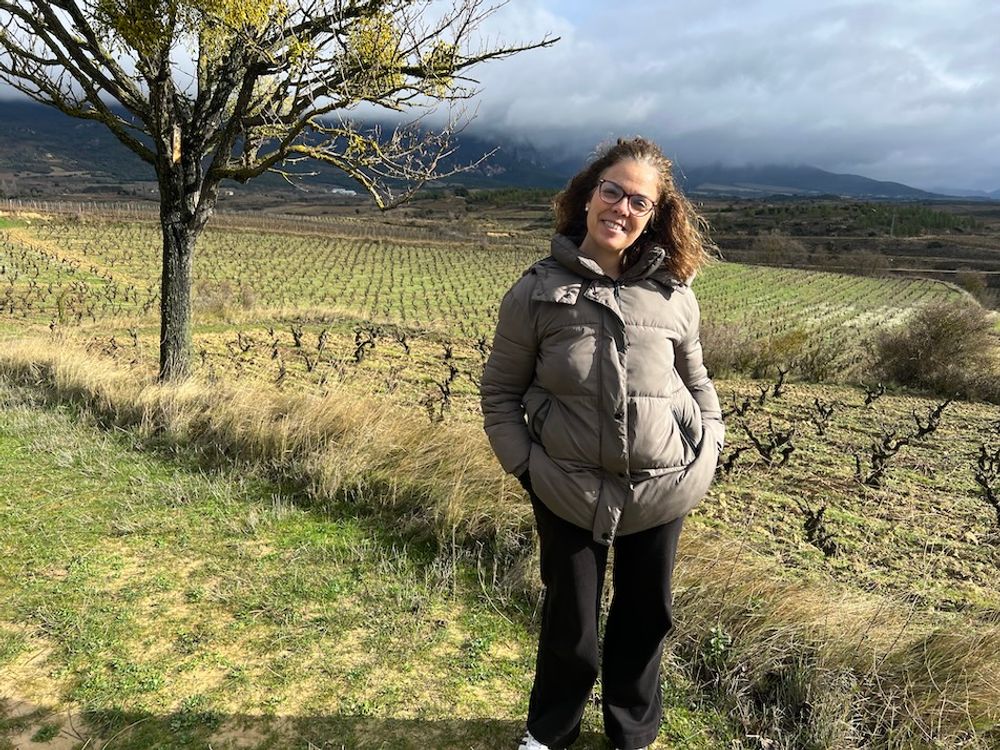
“Even the local market doesn’t understand the differences between the villages,” Ostatu’s Mariasun Saenz de Samaniego
The final day of the Centennial Celebration was reserved for winery visits. We were split into groups to visit four wineries each.
One member of the group I was in, the owner of two Michelin-starred restaurants in Switzerland, confessed to feeling this challenge of communcating to her customers what exactly is a Rioja wine, particularly as one of her restaurants doesn’t have a sommelier and the wine list has to do the legwork. “There is a real need to educate the trade about what the villages mean,” she said.
“Even the local market doesn’t understand the differences between the villages,” said Ostatu’s Mariasun Saenz de Samaniego, who we met at the first winery visit of the day.
Ostatu is a family-run, 36 ha estate at the heart of Rioja Alavesa which produces a 14-strong range of wines some of which are Vino de Zona and others Vino de Pueblo – which appears on the bottle as Vino de Samaniego – the village location of the winery.
Each of the white wines Mariasun poured for us had thrillingly high acidity and a low pH, (that the region generally benefits from for long age-ability) and each wine was different, on account of the village’s diversity of soils, elevation and orientation. Having drunk a white from neighbouring Ramirez de Ganuza the night before I could detect similarities in style but, days apart, I doubt I could have.
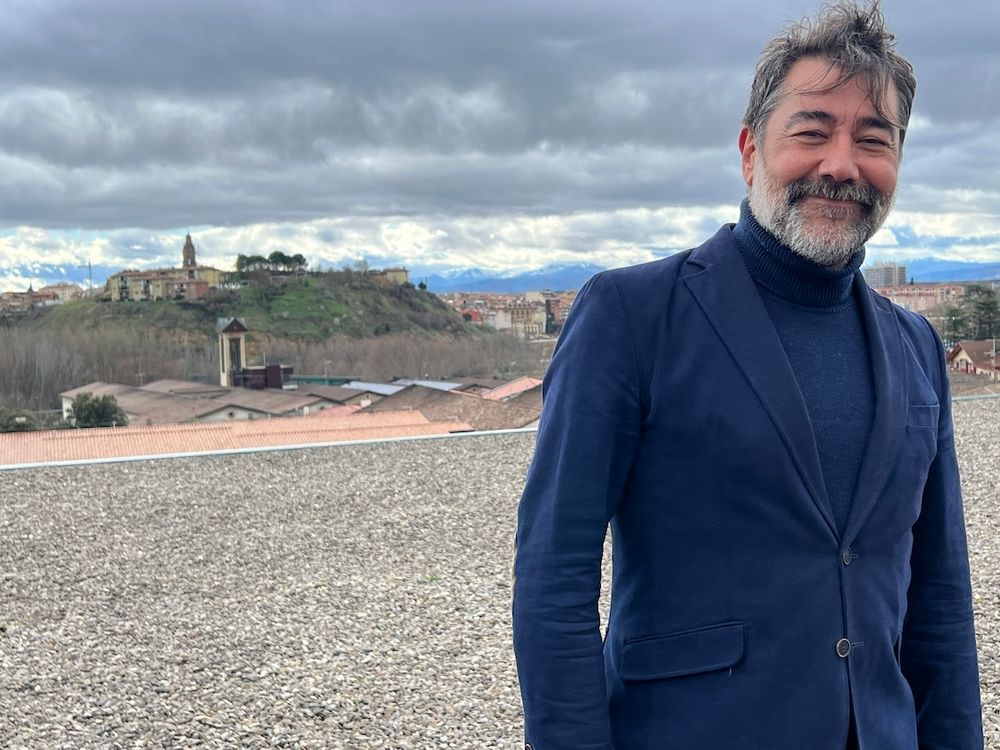
"A single vineyard wine is not necessarily better than our wine which is made from a number of single vineyards.” Victor Charcán, sales director at Roda
Victor Charcán, sales director at Roda, our next stop, agreed: “Diversity is there but there should be a way for the consumer to find out what’s in the bottle – there are 144 villages, so which are the best?”
Roda does not have the issue of using the origin-based classification because its wines have always been super-selection (Cirsion) and blended (Roda and Roda 1).
“With diversification it’s good to be open to single vineyard wines and village wines,” continued Charcán, “it makes sense but our view is that doesn’t take you to the top of the pyramid. For us a single vineyard wine is not necessarily better than our wine which is made from a number of single vineyards.”
Roda changes its site selection depending upon the results of each harvest. If the wine has a red fruit profile it becomes Roda, if the wine has a black fruit profile it is made into Roda 1. “Marketing single vineyard wines we would find very difficult, especially as every single vineyard has to have a time limit of 35 years.”
For Mariasun Saenz de Samaniego, education is what is required: “what would be a good promotion is to have a tasting of different villages held for the on-trade or in an independent wine shop, so that we can learn the differences,” she said.
Thankfully the Consejor has budgeted a whole range of trade and consumer initiatives for 2026 including the popular Rioja Wine Club which features support and education, including on-the-ground visits to the region and immersive consumer experiences which will be key for the trade and consumers to experience the diversity of the region first-hand.
Final thoughts
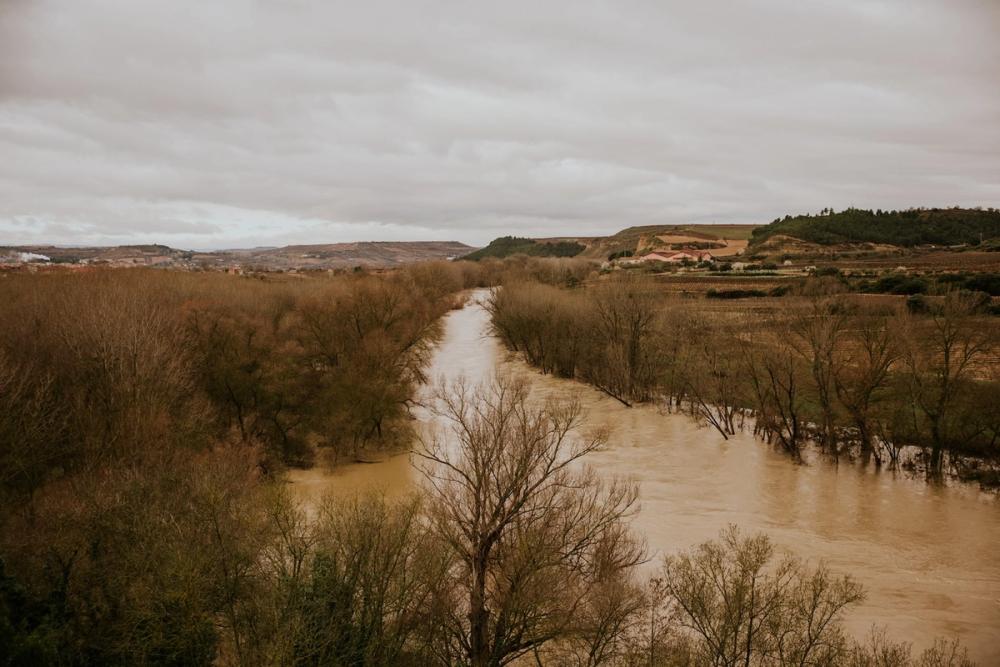
The flooded River Ebro was a constant reminder during the trip of the effects of climate change
It is clear from the many changes we witnessed at Centennial Celebration that Rioja is in a dynamic stage of its evolution. The Consejo is addressing the criticisms that have been levelled at it in recent years, there’s a refreshing busting out of uniformity, the region is becoming more egalitarian and, most importantly, there are many truly exciting, top-quality wines coming being made here. The traditionalists and the terroiristes may currently sit uneasily next to one another but, given time and education, one assumes that those rifts will heal.
It was noted that the curated tasting ended with Telmo Rodriguez’ Yjar 2021 which, although it was chosen to highlight Rioja’s relationship with Bordeaux, demonstrated a style of Rioja that sits in both camps – an origin-classified genérico which totally delivers to the consumer seeking a wine that looks and tastes like Rioja.
The region will have to be careful not to throw the baby out with the bath water, however. The method-based classification is still the key reference point for consumers around the world to understand what a bottle of Rioja wine is. So, if we accept Ballesteros’ statement that “To say this is a Rioja wine means nothing,” the region’s challenge over the next 30 or so years, as I see it, is to get to a better understanding themselves of what is meant when we say ‘This is a Rioja wine’.