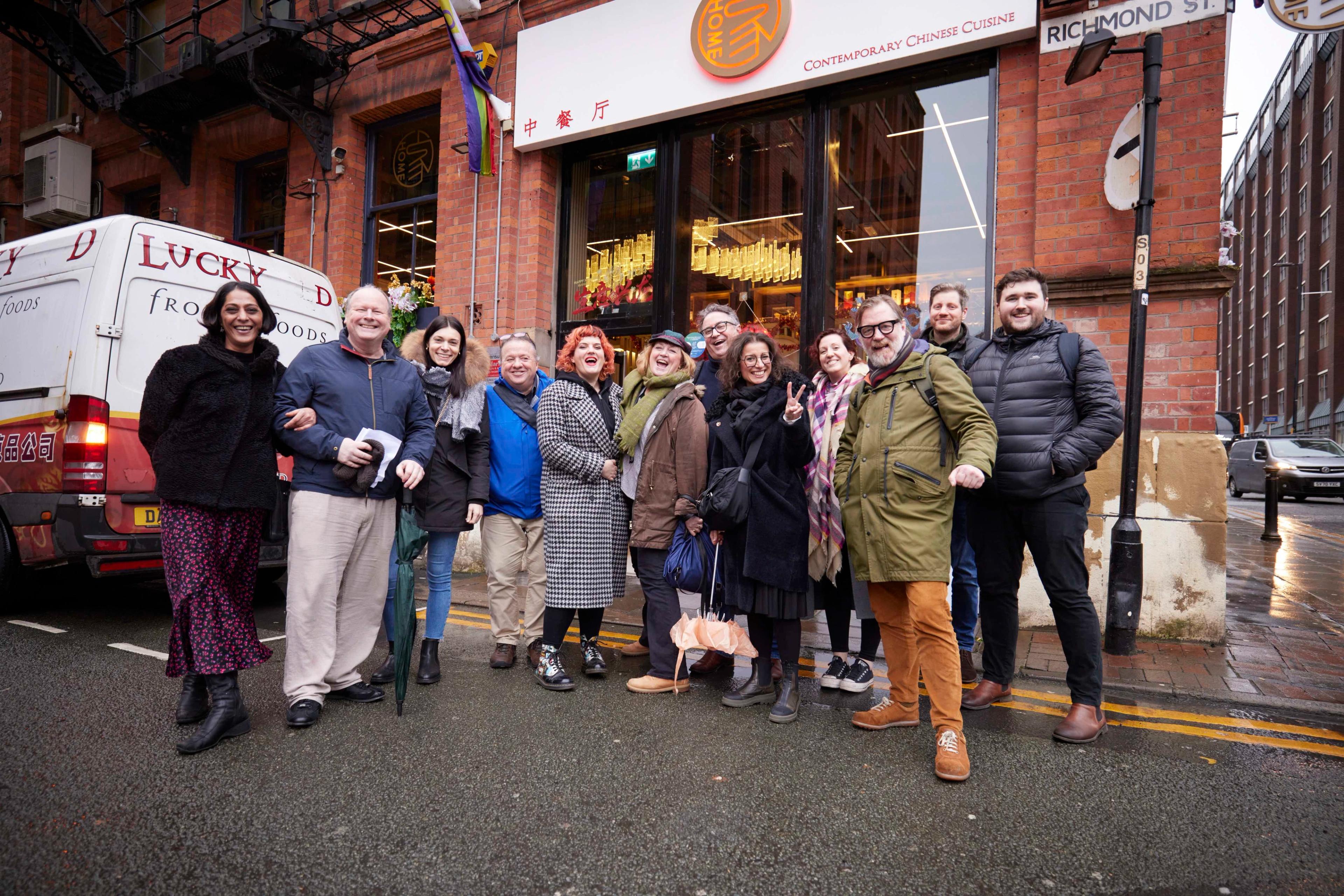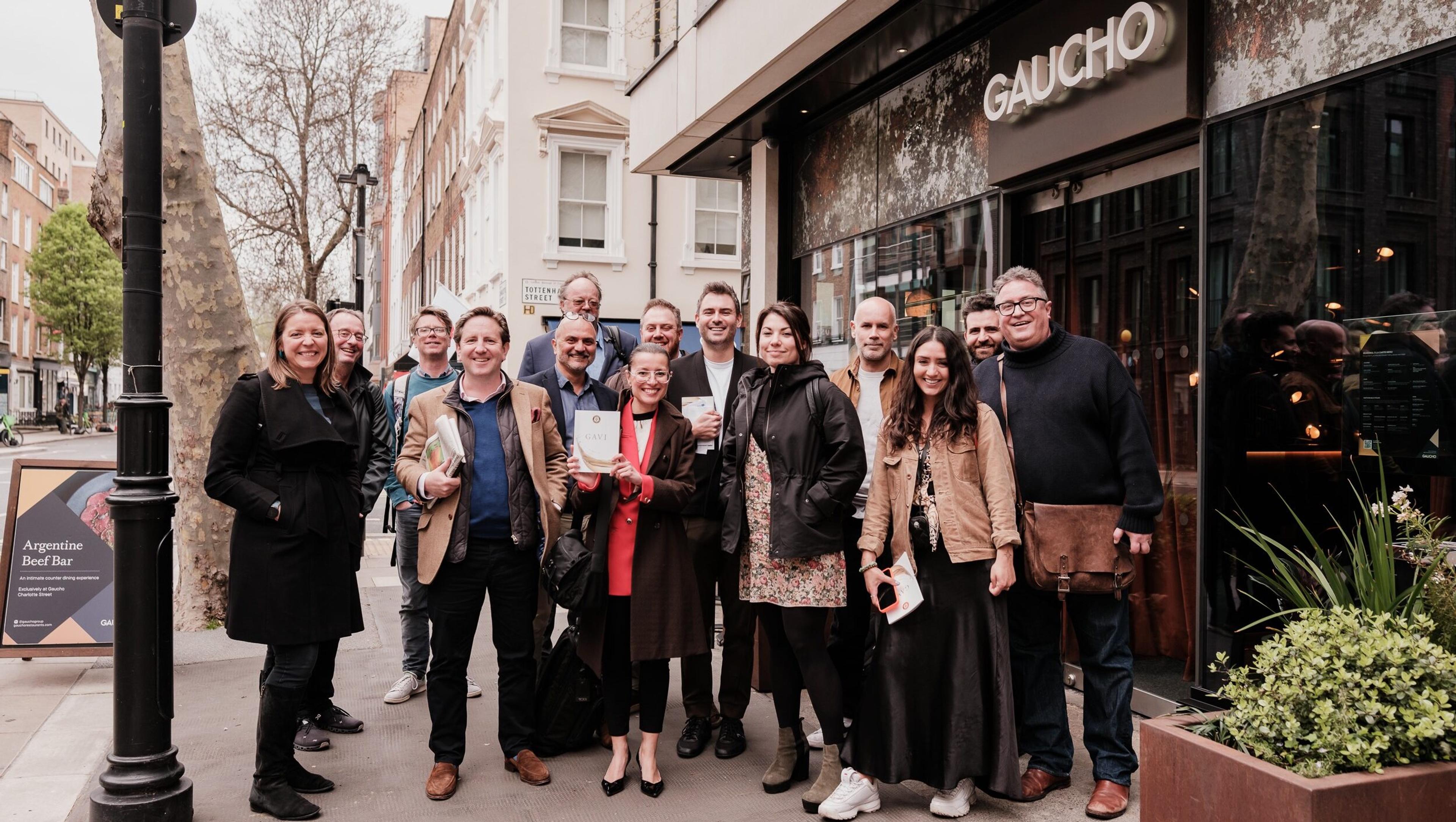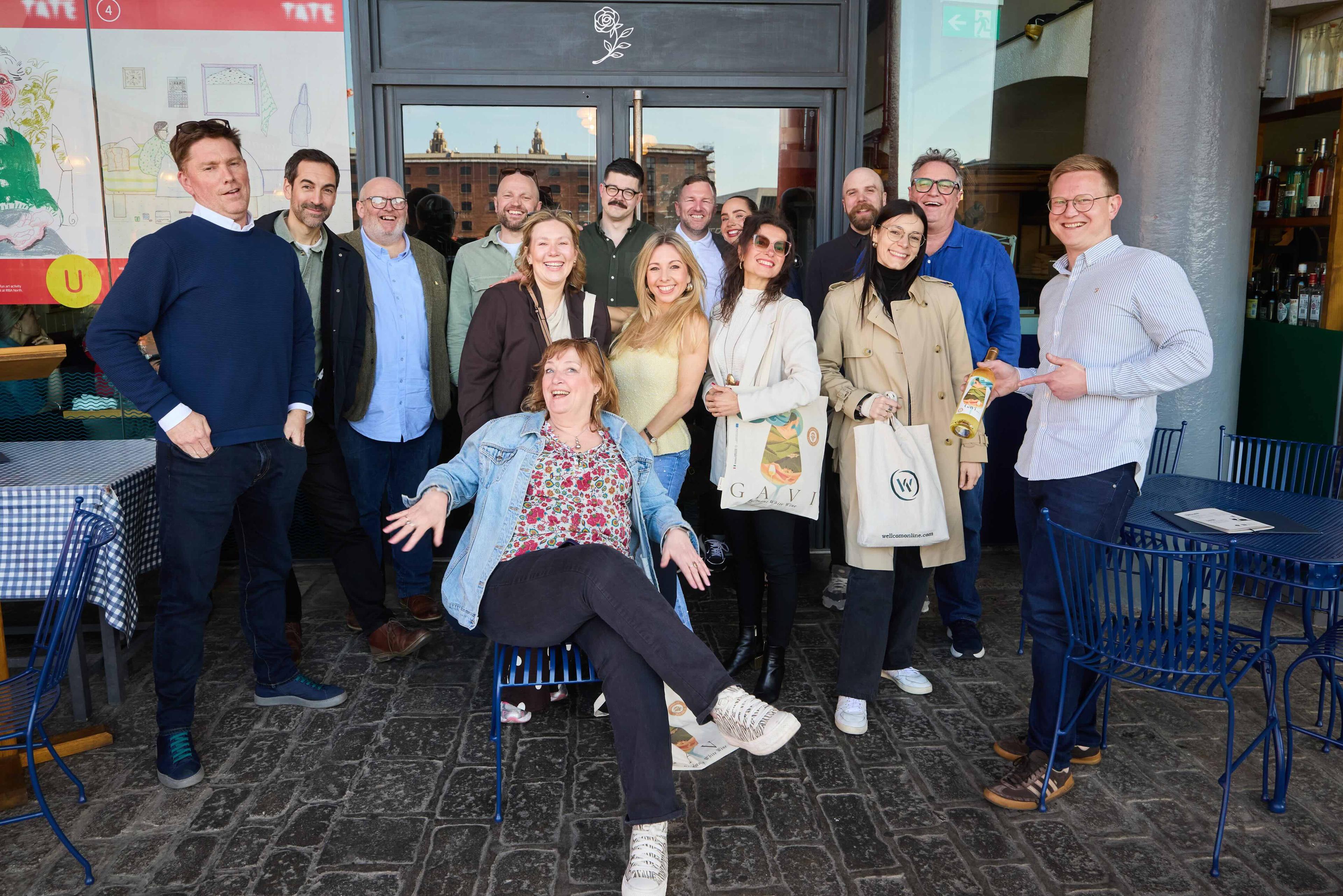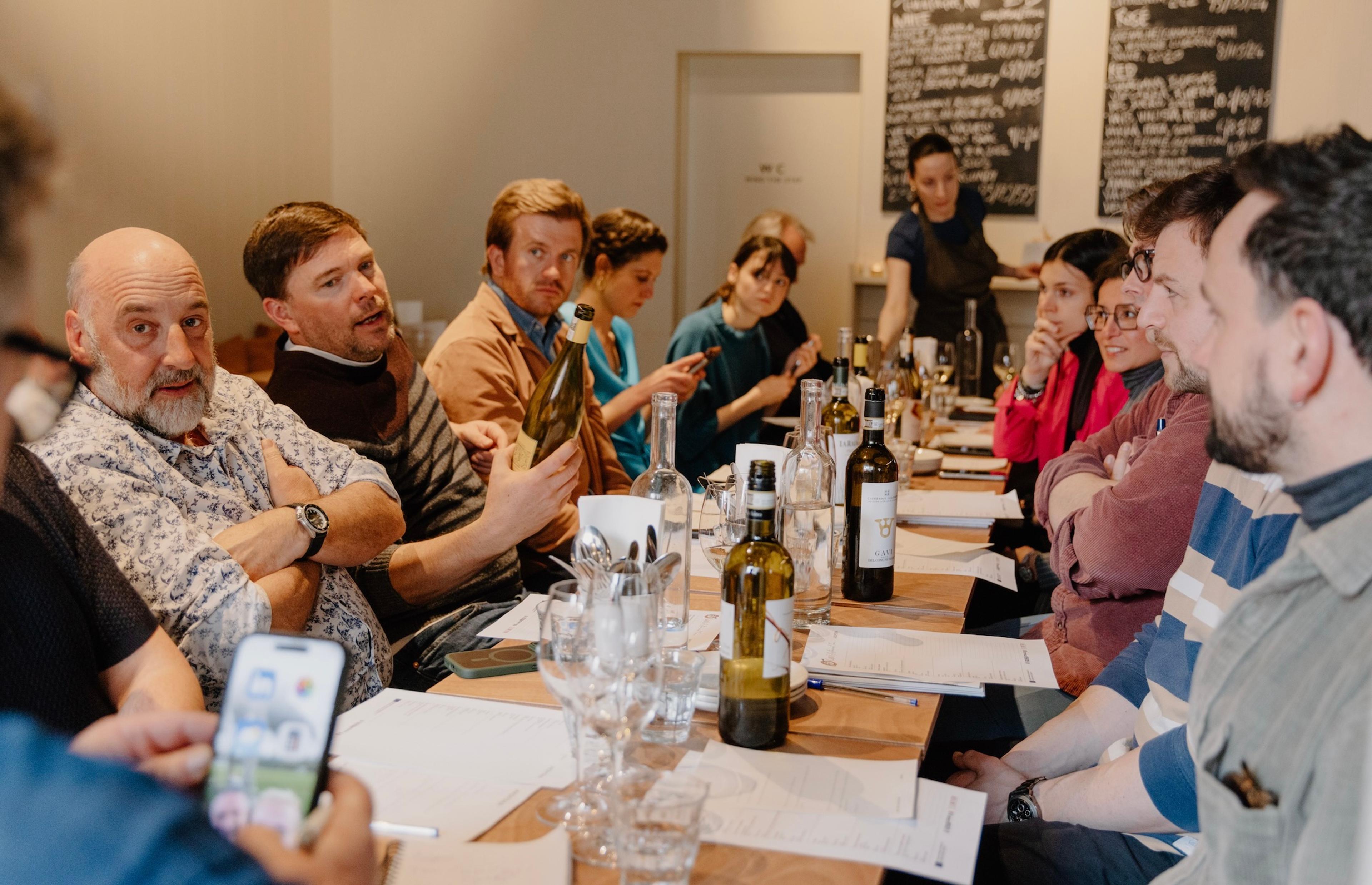
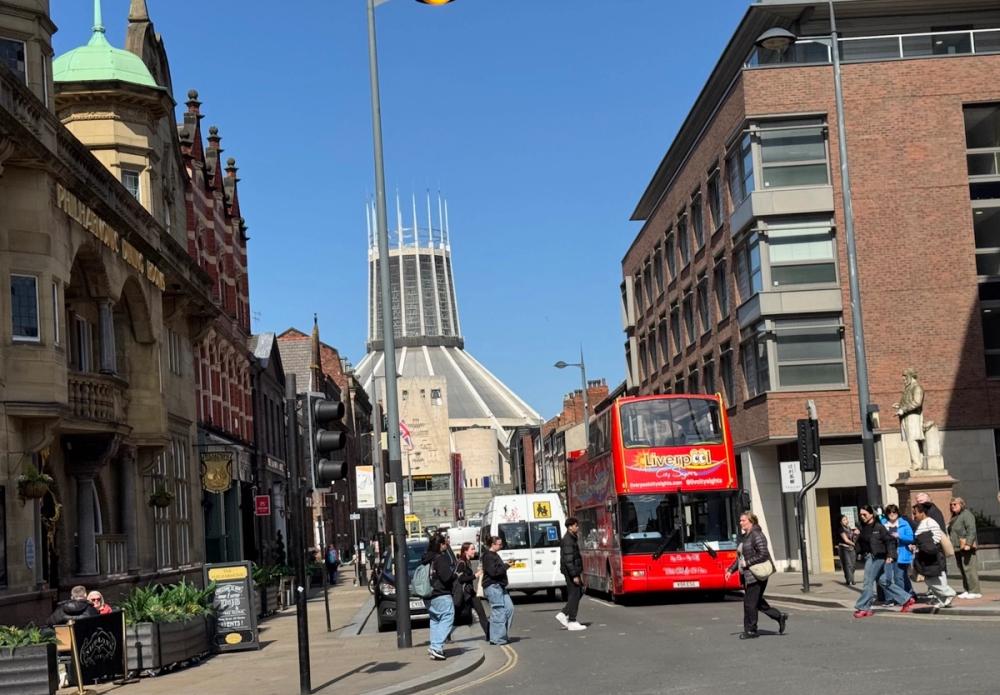
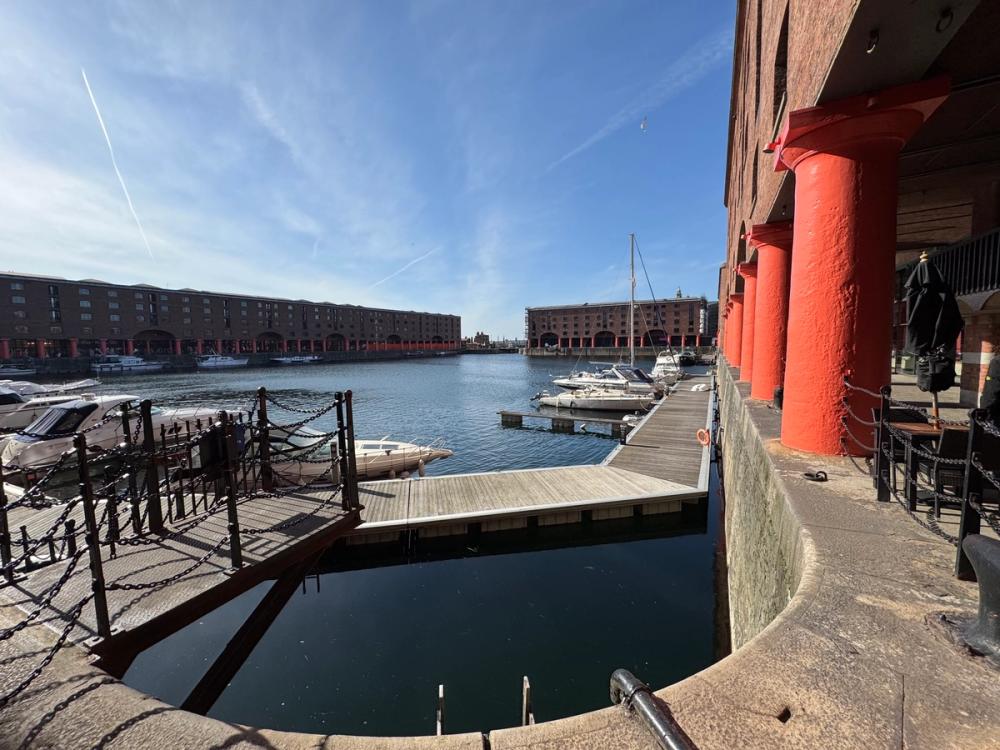
Liverpool was on its very best form to host the Gavi Restaurant Tour
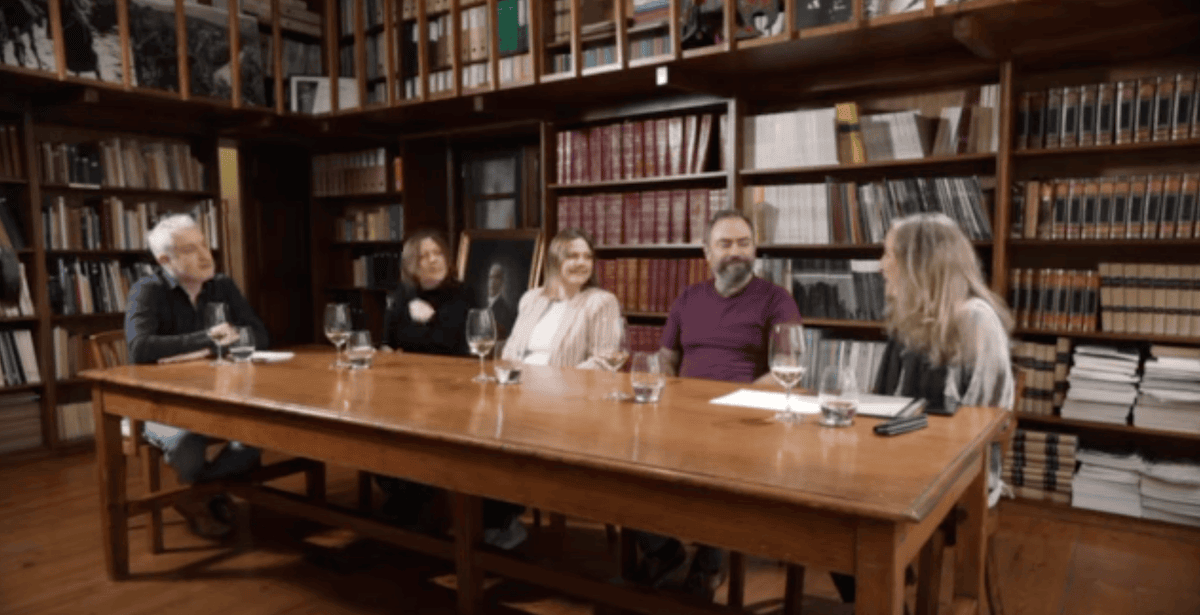
Here we talk to some of the buyers, importers and educators who took part in the Gavi Liverpool Restaurant Tour.
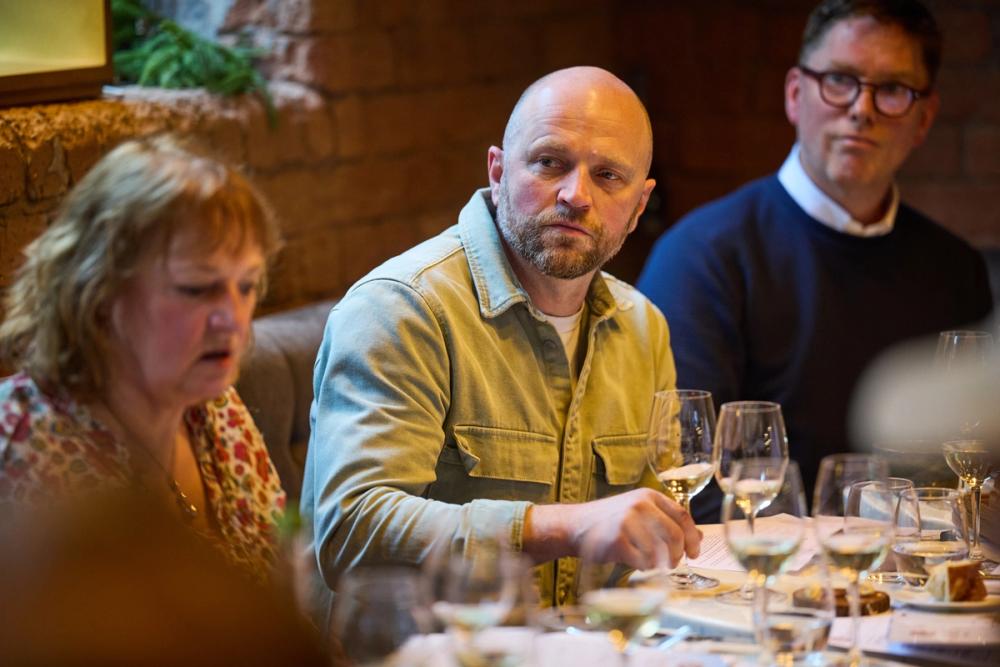
Kevin Rooney, area sales manager, Enotria
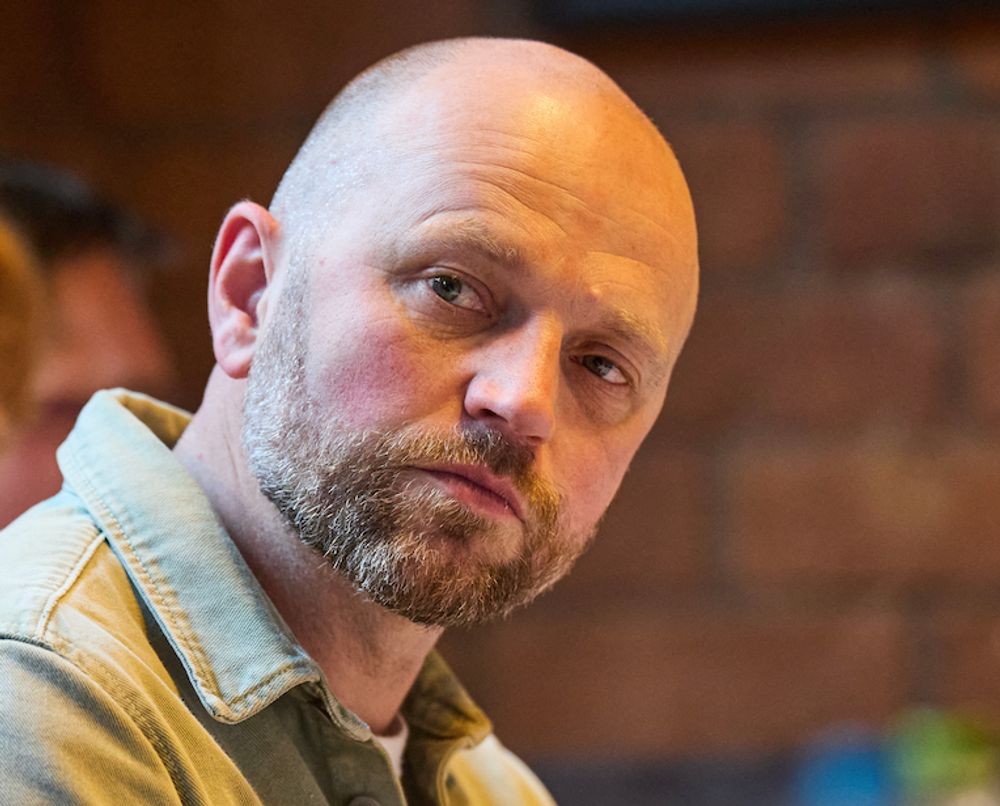
What were your impressions of the wines you tasted on the tour in terms of their quality?
All the wines we tasted were of good quality and some were excellent. The vast majority were of a style I expected, having tasted a fair few examples of Gavi over the past 20 plus years. There was only one wine that was significantly different in style with a riper and more tropical fruit profile.
Where do you see the big potential and opportunities for Gavi wine in the UK wine market?
I think the key opportunities for Gavi wine are twofold. Firstly, trying to tempt more mid-range drinkers (e.g. Pinot Grigio) to trade up to an affordable upgrade which is in a style they are familiar with. Secondly to promote a more premium level of Gavi to those that already drink it, focusing on sub-regions or wine making techniques (lees ageing, oak treatments etc).
What do you think the region and its producers should be focused on in terms of maximising its opportunities?
Without clear hierarchy, buyers default to the cheapest option. So, all the volume will be through the entry level. We see this in Prosecco also. Establish and communicate clear tiers (even if it’s not strictly linked to Italian wine law, like ‘dei Gavi’) that the consumer can understand and remember. Also push the fact that all Gavi is produced in a much less commercial (even industrial) way than other popular white wines.
Any food and wine matches that you thought worked particularly well?
I thought all the food at Chamber Thirty Six worked very well with Gavi. I was surprised that it would stand up to some spice, but it did.
What did you think of the restaurant tour concept?
It was great fun and moving venues allowed you to speak to the whole group and try different things, sparking new conversations. It would have been nice to have all red soil wines in the first site. Then all white soil in the second and mixed in the final restaurant to help us stay focused and take away more learning about the sub regional variations.
John Budd, account manager, Boutinot Wines
What were your impressions on Gavi as a wine region and the quality of its wine before the restaurant tour?
I’ve always thought of Gavi as a reliable and consistent source of good quality, fresh, dry white wine. Having Araldica as part of the Boutinot family, it’s inevitable that this region is one that the Boutinot team holds dear.
What were your impressions of the wines you tasted on the tour in terms of their quality andwhat you were expecting?
The wines backed up my beliefs. Consistency, an ability to hold up to stronger flavours in wine than you would think. I sometimes use the Japanese word ‘Shibui’ to describe Gavi. It has a sort of hidden complexity, that you can miss at first.
It was also good to taste the wines side by side, so that you could see the richness in some wines versus the other. This particularly came out at The Art School tasting where two of the wines had malo and were from red soils and then there were slightly more tropical fruit flavours in some wines (particularly at Chamber 36) which is something you don’t always see in Gavi.
Where do you see the big potential and opportunities for Gavi wine in the UK wine market?
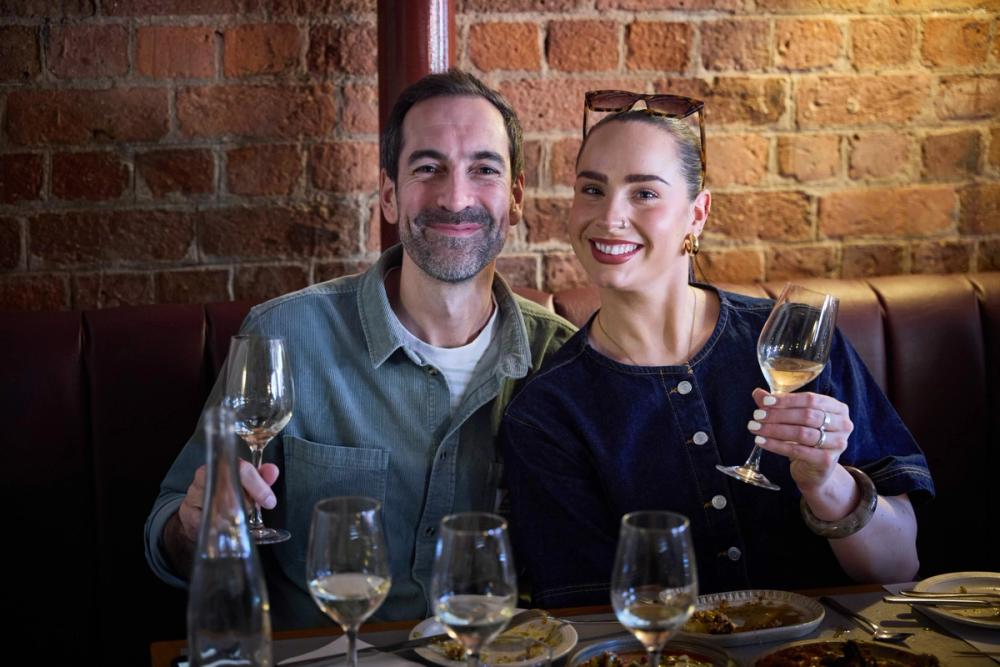
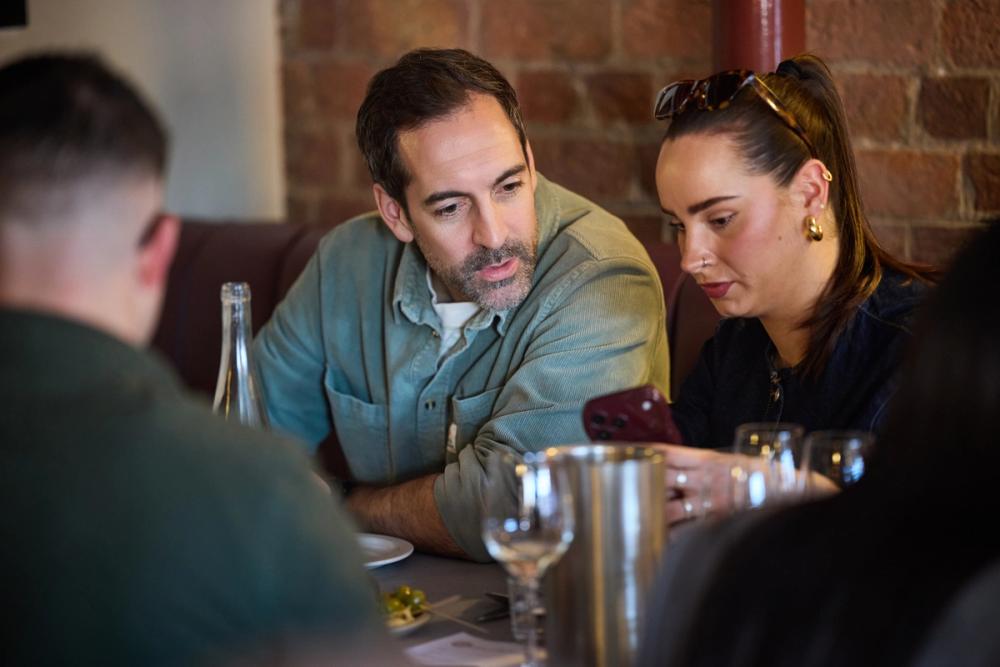
Boutinot teamwork: Isabella Lewis with John Budd
Having a prestigious name is good, and it’s important not to undermine this, Gavi is also relatively accessible compared to some of the competition. I see Gavi’s versatility with food, and universal appeal in terms of flavour profile, as a plus.
What do you think the region and its producers should be focused on in terms of maximising its opportunities?
Keep delivering on quality. After this, it becomes more complicated. Referencing the soil could be helpful, as this is certainly under the radar at present. Then highlighting the three ‘crus’ of Gavi del Comune di Gavi could help add prestige. As could promoting awareness of the various communes, and how they differ.
Any food and wine matches that you thought worked particularly well?
I can’t recall a clash, but I think it was most pleasing to see how the wine worked well with salty and spicy food. Maray classics like disco cauliflower, but also a number of the dishes in Chamber 36 – salt and pepper squid?
If I had to pick one dish it would be a classic seafood pairing though, being the loin of hake at Art School.
What did you think of the restaurant tour concept?
Excellent. It’s great to shine a light on the region of Gavi amongst like-minded and passionate wine people. Perhaps having five wines per restaurant would be good and the chance to include a sparkling Gavi as a point of difference. Overall, very good.
James Gulliver-Cameron, head of wine, Hammonds of Knutsford
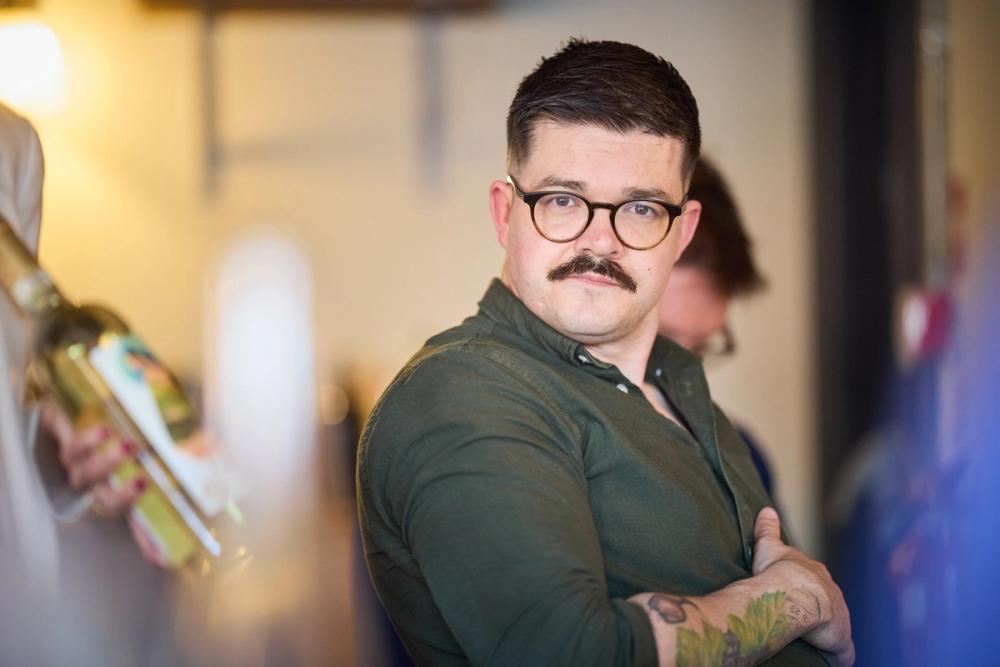
I had always thought of Gavi as a safe bet, but perhaps not a region to get excited by. Over the year it has replaced Soave as a main stay of wine lists for me, and an easy up sell from the more ubiquitous Pinot Grigio.
The biggest surprise for me was how individual each Gavi was, the variation in soils across the three core regions made an enormous impact in the style of the wines from restrained and mineral to generous and tropical.
The other biggest surprise was how well each styled paired with the Chinese menu at Chamber 36 - I don't think I'd have ever even considered Gavi when pairing with east Asian spice and aromatics. Gavi and prawn toast - my new favourite pairing!
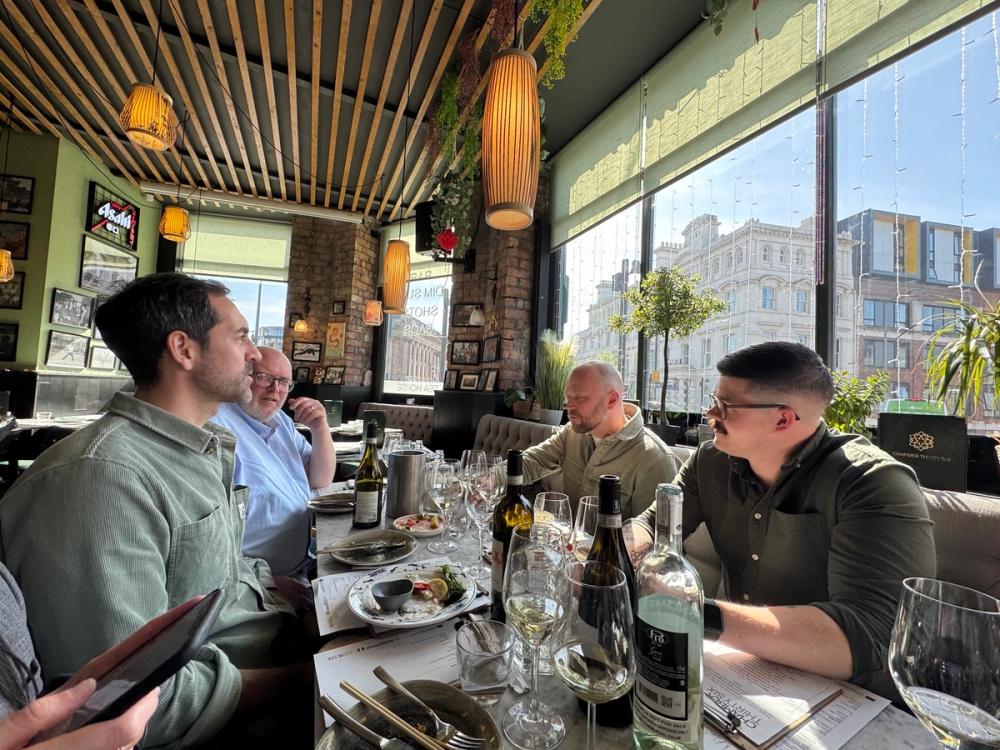
For me, focussing on the more entry-level style and pushing for more by-the-glass listings is the way for Gavi to go. As much as the wine geek in me is interested breaking it down by village and sub-region I think it’s unwise to overcomplicate things for the consumer.
I really loved the restaurant tour, really interesting and interactive way to explore the wines and bounce ideas of peers.
Johnny Ludon, account manager, Hammonds of Knutsford
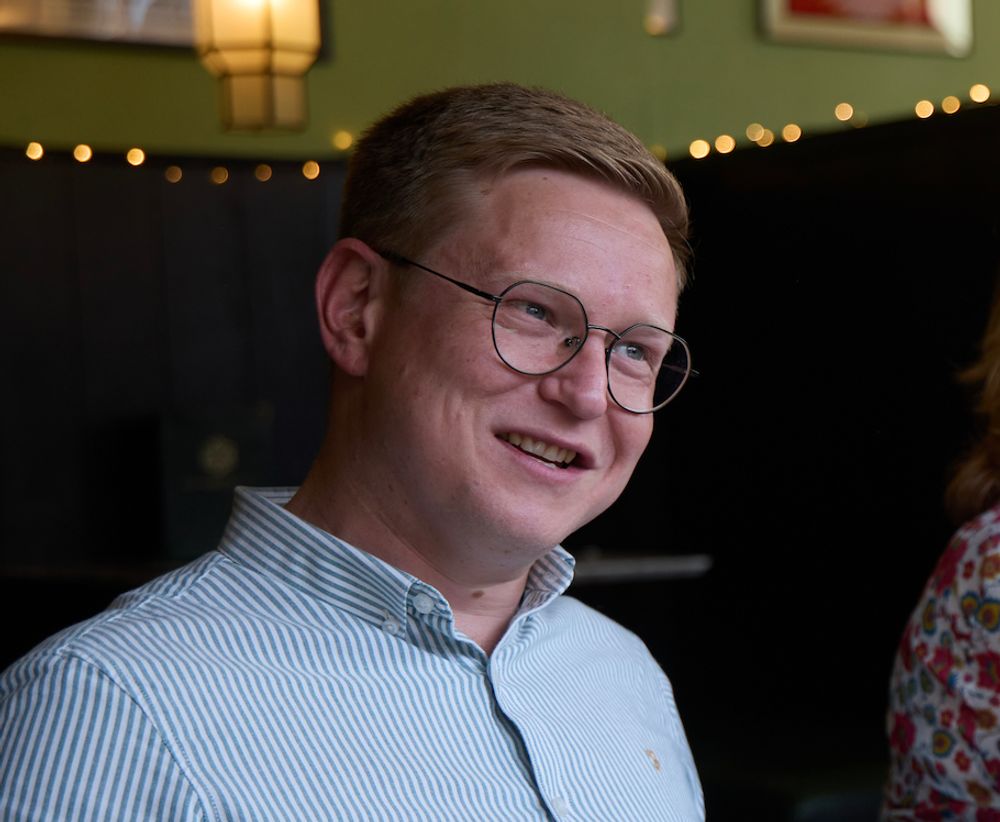
What were your impressions on Gavi as a wine region and the quality of its wine before the restaurant tour?
I was aware of the terroir, history and generic wine style of the region as well as the prestige of Gavi del commune di Gavi as a sub-region and the popularity as a familiar wine to consumers
What were your impressions of the wines you tasted on the tour in terms of their quality, what you were expecting?
While I thought most of the wines had a lot of similarities, it was interesting to pick up on the different styles and characteristics as we tasted from different soil types and altitudes etc.
Where do you see the big potential and opportunities for Gavi wine in the UK wine market?
Due to the accessibility and style, I would say that Gavi has an opportunity to become one of the staple 'go to' options for a lot of white wine drinkers who usually fall onto another 'safer' option like Pinot Grigio, Sauvignon Blanc or Chardonnay because they are listed in the same place.
What do you think the region and its producers should be focused on in terms of maximising its opportunities?
Distribution is key and I believe focusing on presentation and value without sacrificing quality is where the most success will come from, also as James mentioned, listings by-the-glass are key for on-trade volumes
Any food and wine matches that you thought worked particularly well?
I was pleasantly surprised with the pairings in Maray as I thought the sharp flavours might conflict but the earthiness of the carrots and falafel dishes were perfect with the Gavi's we had there
What did you think of the restaurant tour concept?
Really enjoyed the day and it was a very clever idea to sample different styles of food with the Gavi's, as well as the amazing group we had that obviously contributed to the great vibe on the day.
Isabella Lewis, account manager, Boutinot Wines

Isabella Lewis with Johny Ludon outside Chamber Thirty
What were your impressions on Gavi as a wine region and the quality of its wine before the restaurant tour?
I have always loved Gavi! It's a fresh, dry white wines with a strong reputation for consistency and quality. It’s one of those names that carries a certain reassurance hospitality across the board. People always ask for it, and I am always embedding it into my proposals. People trust Gavi as an Italian, premium favourite.
The wines very much delivered on expectations in terms of quality and consistency, but it was interesting to see more variation in style than you might initially expect from Gavi. Tasting side by side really highlighted differences in texture and weight - some showing more richness from malo and influence from winemaking choices, while others leaned into a fresh profile with lovely tropicality.
Where do you see the big potential and opportunities for Gavi wine in the UK wine market?
Gavi benefits from strong name recognition, which is a real advantage, particularly in the on-trade. It sits in a space that feels premium but still accessible, which is increasingly important with the current climate. It also fits a gap on most menus, usually middle to end venue depending, and can be a great alternative to things like Chablis. It feels more approachable and contemporary as wines like Chablis can feel a little old school.
Its versatility with food is a major strength. Gavi is a wine that works across a wide range of dishes, making it an easy recommendation for both staff and customers. That broad appeal, combined with its reliability, gives it strong potential to continue performing well in the UK market.
What do you think the region and its producers should be focused on in terms of maximising its opportunities?
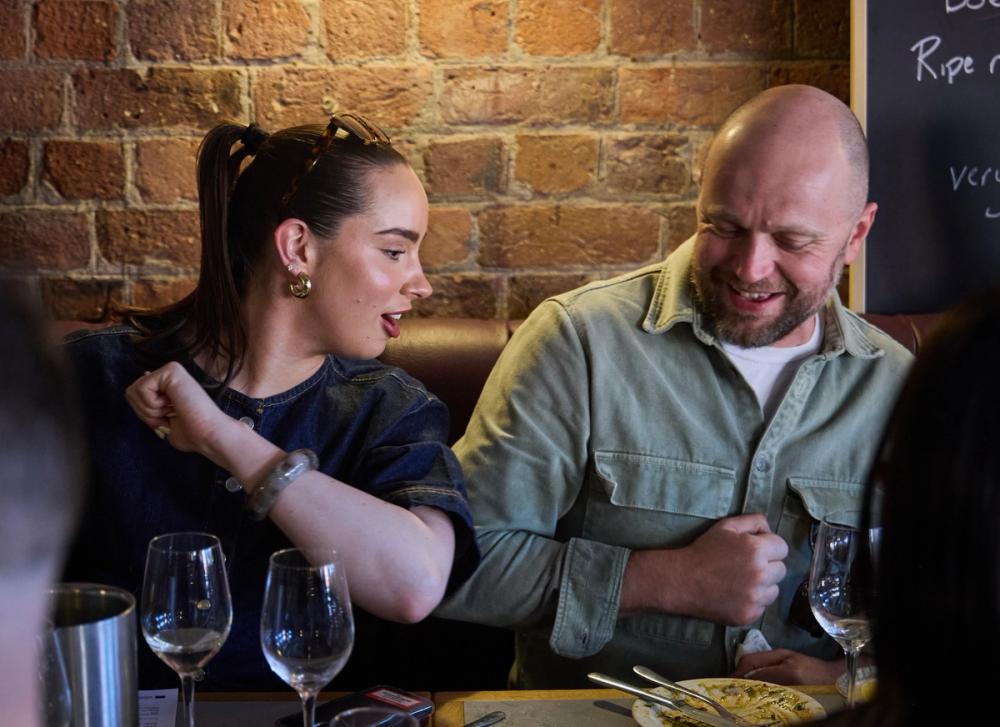
Boutinot and Enotria go shoulder to shoulder
Ensuring demand planning for its popularity, and maintaining the grapes quality is key, as that consistency underpins the region’s reputation.
There’s definitely room to build more of a story around the region, helping consumers and the trade understand that Gavi isn’t a single style, but something with more depth and variation!
Any food and wine matches that you thought worked particularly well?
What stood out most was how well the wines handled dishes with bold and intense flavours — particularly those with spice at Chamber 36. This felt like a more contemporary food and wine pair, as I enjoyed the casual, family style dining experience.
However, the classic, more fine-dining led food at The Art School is where Gavi slotted in beautifully for me.
What did you think of the restaurant tour concept?
It was a really strong concept, and I enjoyed every moment. It was such a great way to showcase the region in a more engaging, real-world setting. It brought together a group of people from all walks of the industry who were genuinely interested, which made for a really positive atmosphere. Also the pub after was great!
Laura Griffiths, founder, Lingo Vino

It was fascinating to learn about the different soils and altitudes within the region. It was good to be able to take part in the discussion with other panelists about the winemaking techniques, the strict rules in the DOCG region and be able to taste such a wide selection of different styles of Gavi and the Cortese grape and how it compares to other white wines. Something we all agreed on is the consistency with quality and pricing too. A lovely alternative to Chablis, if you don't want to pay Chablis prices!
It was great to be able to taste the wines against such different cuisines at the three restaurants. All of which worked really well and it was fascinating to see so many successful food pairings across three venues for just one style of white wine. Each place and plate brought out a different side to this incredible Italian white wine. Who knew?
Chamber Thirty Six, in particular, is in a stunning location, and has such tasty dishes with bold flavours which paired so well with the Gavi wines we tasted there. Think of Gavi as your “refresh button” alongside Chinese food—it cleanses the palate between bites and keeps flavours vibrant.
It has the high acidity to cut through oil and richness, the citrus notes to complement ginger, garlic and soy and no heavy oak so it doesn’t clash with delicate flavours.
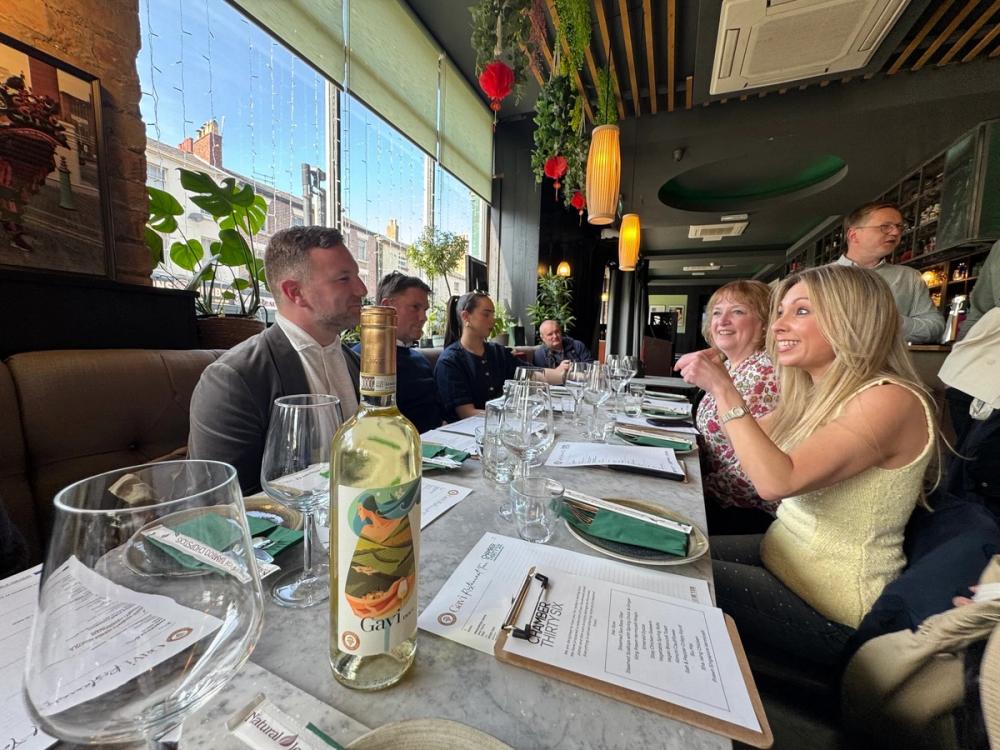
Laura Griffiths chatting to Johnathan Garry at Chamber 36
As for Maray - think small plates but big flavour were every dish steals the spotlight. Inspired by the vibrant flavours of the Middle East, Maray is one of Liverpool’s go-to spots for bold, shareable dining. The Gavi wines we tasted there worked well because dishes like hummus and labneh have a creamy, tahini-rich texture which work so well with Gavi’s acidity which lifts and refreshes the palate between bites instead of getting lost. Middle Eastern cuisine leans heavily on lemon, sumac, and fresh herbs which again works well with Gavi’s natural zesty, herbal notes, so it feels harmonious rather than competing. Gavi’s light body and freshness also does not clash with mild spices found in dishes like falafel, grilled chicken, or kofta.
Gavi is also delicious with grilled and charred flavours. So for Maray think shawarma, lamb skewers, or grilled vegetables. The slight almond note and minerality in Gavi complement smoky, charred edges wonderfully.
The restaurant tour concept is such a good way to get know other amazing people in the wine industry, share stories, have fun, and thanks to Richard and The Buyer we did just that! We are very lucky to be working in an industry we all love.
Jeremy Cowan, Gerrard Seel
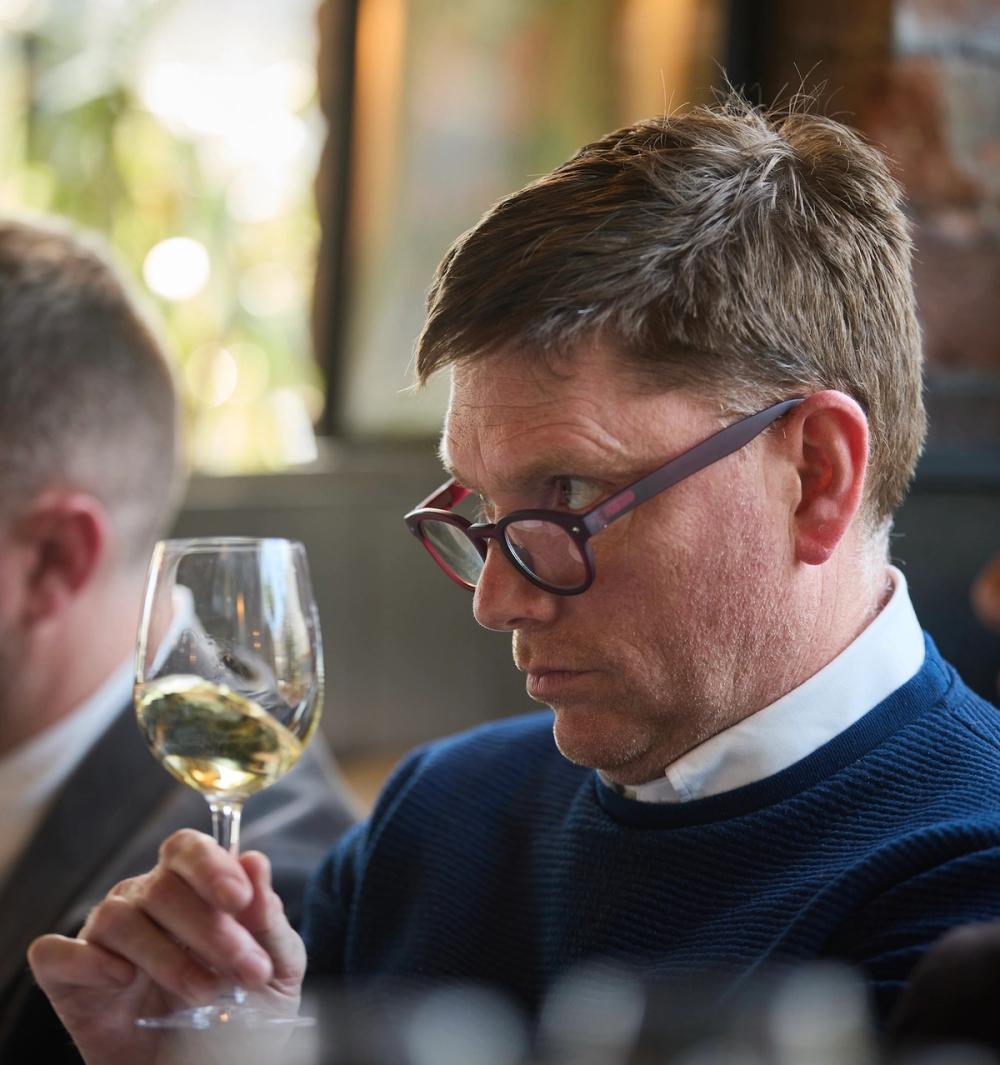
I had had a good impression of Gavi before this event, in terms of working with a good producer previously at Liberty wines (La Guitistana) and now I work with Villa Sparina. I've always known their ageing potential, so know the quality is there. I must admit I didn't know much more than the producers I work with and little of the region as a whole.
We tasted a lot of wines so with hindsight it might be better to have less options and some careful selections based on winemaking techniques (if they differ significantly) and soil differences to see if there is regional variation. There were some lovely wines, but only the ones in The Art School really stood out as having noticeable differences.
I would like the region to experiment more with wine making practices, oak, amphora lees contact, old vine etc. whatever it might be, but some variation and point of difference would help. The wines are brilliant and very reasonably priced, is there an opportunity to expand the horizon a bit maybe?
I love the walking tour concept, and I enjoyed the playful mix of cuisines to see how it worked, I think just scale back on the quantity. Maybe a tasting of all wines at the beginning, then start the tour with your carefully selected choices matched with the dishes at each restaurant. So, we could refer back to notes taken at the beginning.
Johnathan Garry, founder, Bacchus School of Wine
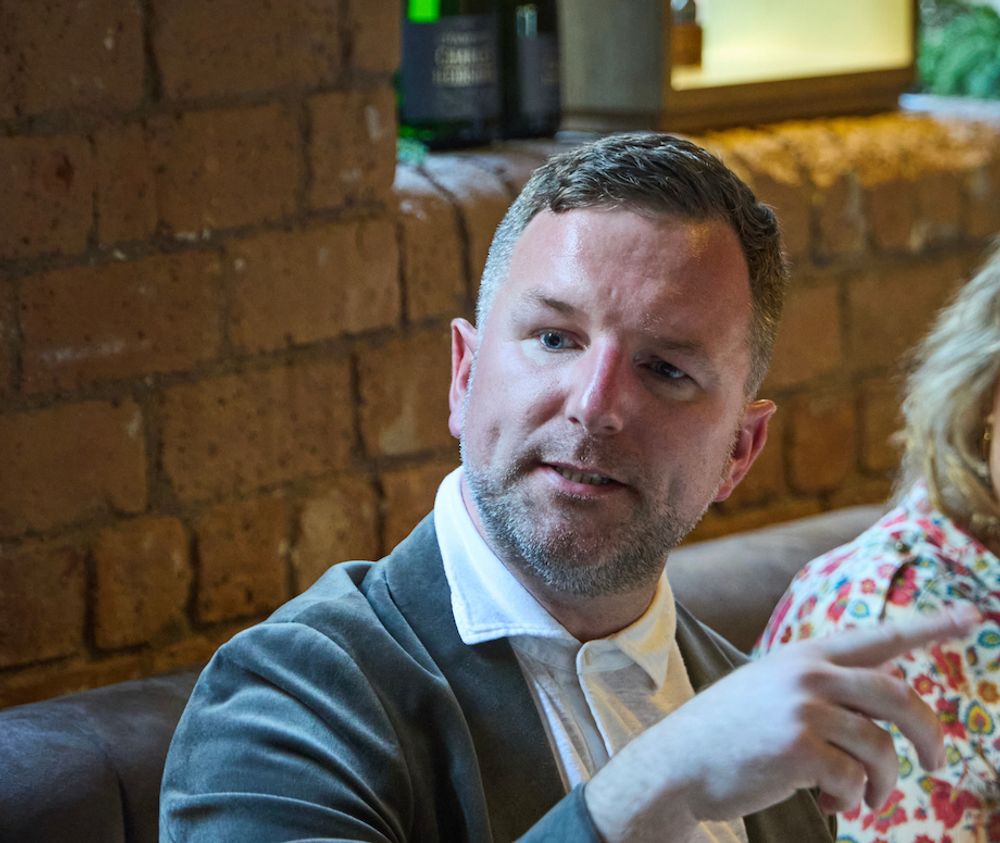
What were your impressions on Gavi as a wine region and the quality of its wine before the restaurant tour?
Gavi is a staple wine within WSET qualifications so I feel when it comes to teaching my classes or hosting my events in whcih Gavi is included I could communicate the wines fairly well - at least the text book examples. Now, however, I feel like I have visited the region and can communicate more confidently about the variated soils and elevations throughout the region. I’ll be very excited to share my new insights around less-typical styles of Gavi wines and how the quality of communes outside of the highly prized ‘Gavi del Comune di Gavi’ can be equally high quality.
What were your impressions of the wines you tasted on the tour in terms of their quality, and what you were expecting?
The quality across the board was sensational. Many classic styles were represented and within these it was amazing to appreciate the subtle variations in aromas, flavours and structure of the wines from different communes and soil types. I was super surprised at the variation amongst all the wines in general. It was a surprise to see the supreme quality in some of the other wines that had less typical wine making traditions (secondary such as malo compared to traditional protective approaches using steel).
Where do you see the big potential and opportunities for Gavi wine in the UK wine market?
A tough question I think given all the amazing insight into the export side of Gavi wines that Sara (Repetto) shared. Approx 50% of exports go to the UK. That’s a huge market share! I suppose holding onto this volume is a challenge in itself (as well as growth) especially considering increasing competition from New World producers increasingly holding back ‘bigger style’ and producing lighter, more fruit forward style.
What do you think the region and its producers should be focused on in terms of maximising its opportunities?
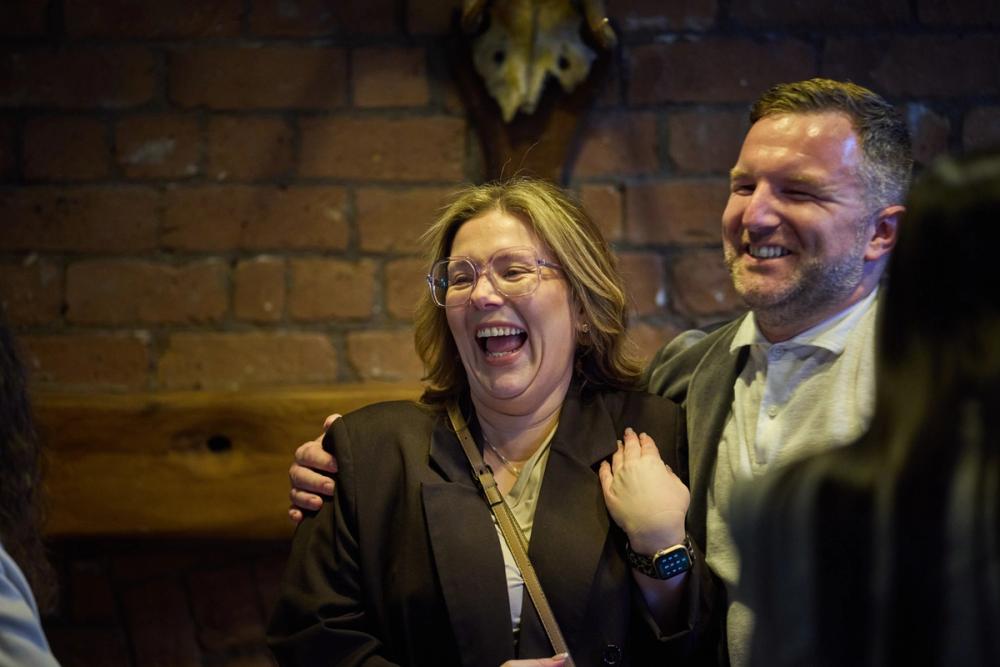
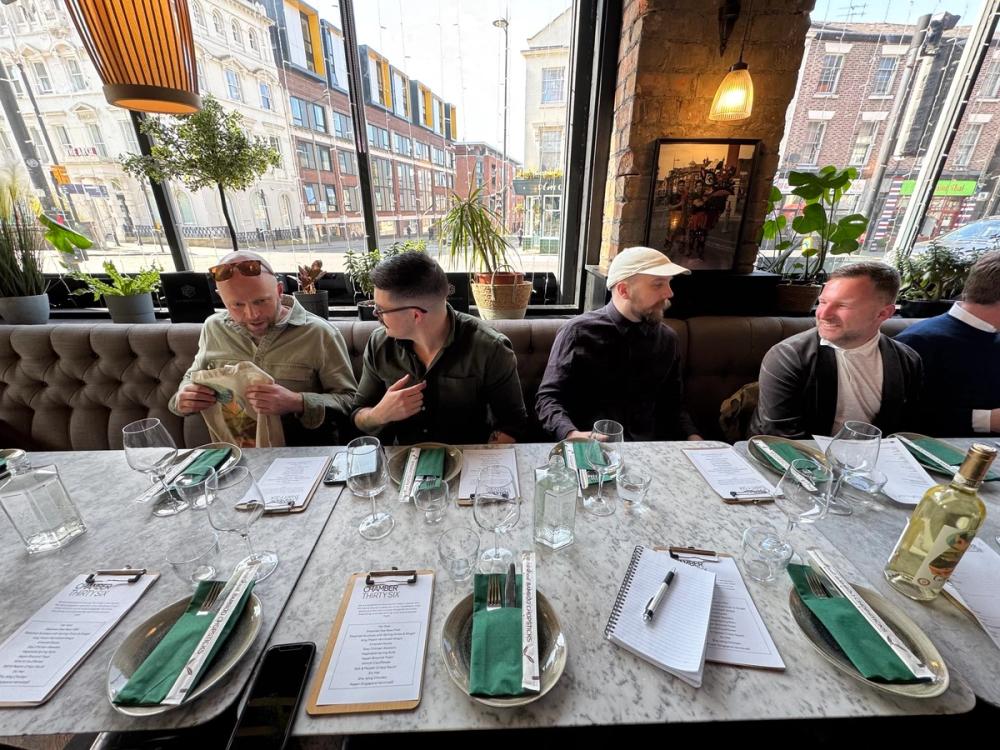
Johanathan Garry and Sasha Brownlow of Chamber Thirty Six
To build on volume of exports, to do this I think promotion of Gavi wines towards the higher end of the market is important. With producers such as those behind the Pogio wine really showing that secondary winemaking techniques can work really successfully with Cortesse also. I think here, the likening of Gavi and Premier Cru/Grand Cru Chablis really is a meaningful one. And, again, although the cost of these wines would will a lot higher, they’ll likely still not come near to that of the increasingly loft Chablis of the world.
The other end of the market is safer for Gavi I believe. Gavi is a firm stable when looking for a white wine from Italy. Its style is understood largely-delicate and floral, easy drinking and fresh. This is the success of Gavi but it would be right to ensure this style isn’t a limiting factor, ensuring consumers know there is even more to Gavi.
Any food and wine matches that you thought worked particularly well?
The Pogio wine with malo was my absolute favourite wine (so many others also of course) and I thought it was a sublime pairing with the guinea foul. It held its own powerfully against the tarragon sauce and fennel focaccia. A really impressive wine.
The Villa Giada wine also performed very well against the hake at the Art School which was more of a classic pairing and felt and showcased why Gavi is a superb gastronomic wine especially with seafood.
What did you think of the restaurant tour concept?
Really innovative. Such a fantastic idea to bring a group of varied people and experiences together under one (or three) roofs to gain their insight. The non-typical cuisine destinations were truly fantastic and really elevated the whole experience.
Jane Clare, One Foot in the Grapes
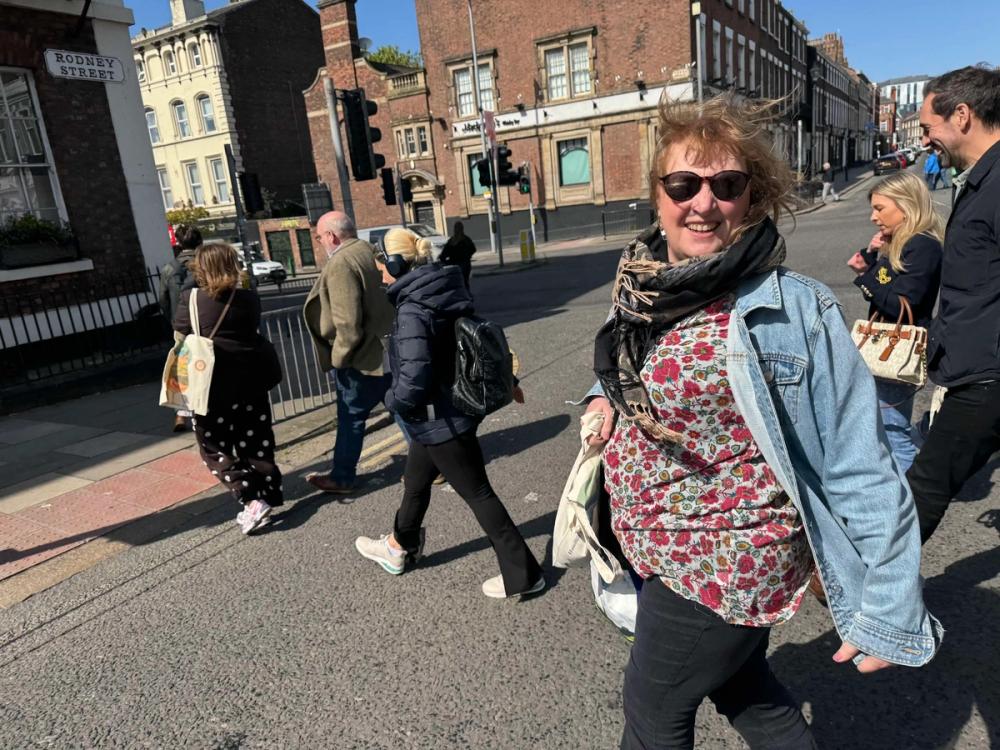
Jane Clare on her way to Chamber Thirty Six from The Art School
What were your impressions on Gavi as a wine region and the quality of its wine before the restaurant tour?
I always knew that Gavi was a "step above" in terms of ubiquitous Italian whites yet to take a deep dive into the variation between wines, and especially the influences of the soils on the wines, was very interesting.
What were your impressions of the wines you tasted on the tour in terms of their quality and what you were expecting?
As I did the Manchester tour I wasn't surprised so much; but rather I would say that my first impressions (as in Manchester) were confirmed. All of the wines had good texture and depth ad very approachable
Where do you see the big potential and opportunities for Gavi wine in the UK wine market?
I speak in terms of consumers (my column) and wine events - I think it would be a case of pushing on an open door in terms of expanding the reach and awareness of these wines. Thinking about it, I don't think I've ever showcased a Gavi at a consumer event - I should and I will.
What do you think the region and its producers should be focused on in terms of maximising its opportunities?
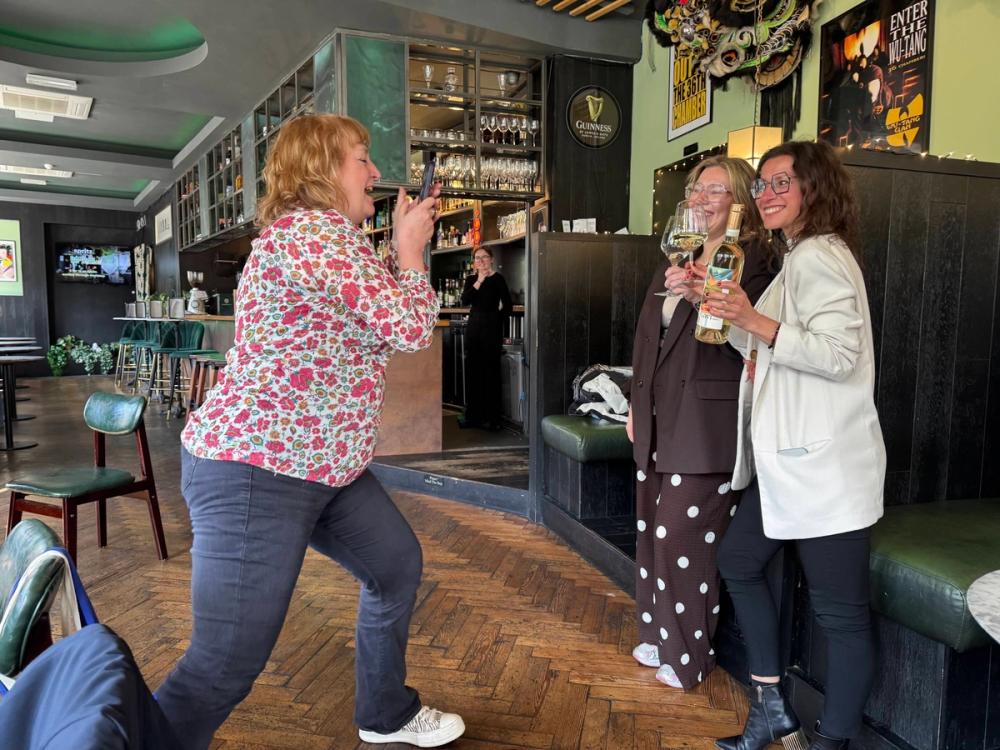
Jane Clare in full photo journalist mode
Approachability and flexibility in terms of food and wine pairings.
Any food and wine matches that you thought worked particularly well?
I really loved the silkiness of the Gavi against the silkiness of the pommes mousseline Chardonnay and butter dressing at The Art School.
What did you think of the restaurant tour concept?
I think its a fantastic concept; one that can migrate across other regions. It is one thing to learn the theory of a wine; another to taste a wine in a trade event; but completely another to put a wine out in the "field" so to speak - to test its mettle in real life against different food concepts.
And for people in the trade - who are often staring at excel sheets and thinking about the bottom line - it gives them more of an understanding of the opportunities and expands their thought processes beyond a wine sitting in a traditional food genre.
So it's a win, win for the region and a win, win and learning curve for the trade. Likewise it's a win, win for restaurateurs expanding their offerings and then finally a win, win for the consumers who will experience wines that potentially had not previously been across their radar.
Christopher Dace, owner, Dace Tearoom

What were your impressions of the wines you tasted on the tour in terms of their quality and what you were expecting?
My perception of Gavi before the restaurant tour was pretty one dimensional. My knowledge of the region and its wines was basic. Clearly there were wines that fell within quite a narrow profile BUT I did learn that there are wines that offer something different in terms of style and flavour characteristics
Where do you see the big potential and opportunities for Gavi wine in the UK wine market?
The addition of a quality level or cru system would help producers and customers. I realise that is a multi generational development though.
What do you think the region and its producers should be focused on in terms of maximising its opportunities?
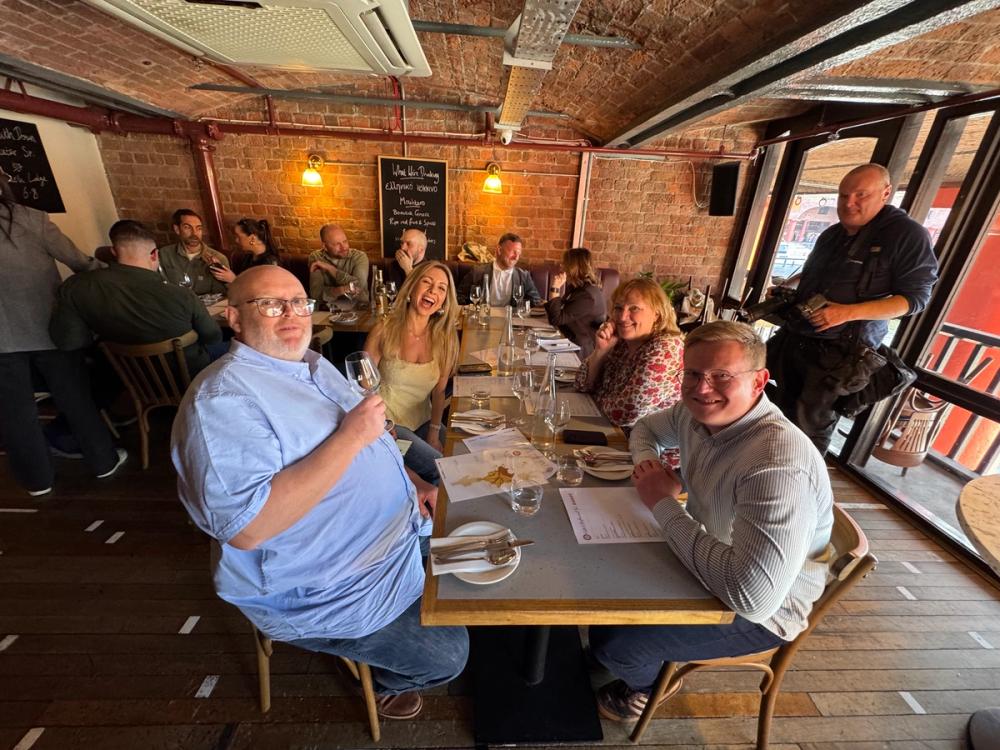
Christopher Dace and the panel at Maray
The food matching quality was what occurred to during the restaurant tour and further work with sommeliers in particular should be considered
Any food and wine matches that you thought worked particularly well?
I they were all very good but the Asian and Middle Eastern food seemed to be more effective.
What did you think of the restaurant tour concept?
Brilliant! Consumers have become, and continue to become so much more interested in wines when food matching is made a consideration and the restaurant day concept shows this brilliantly.
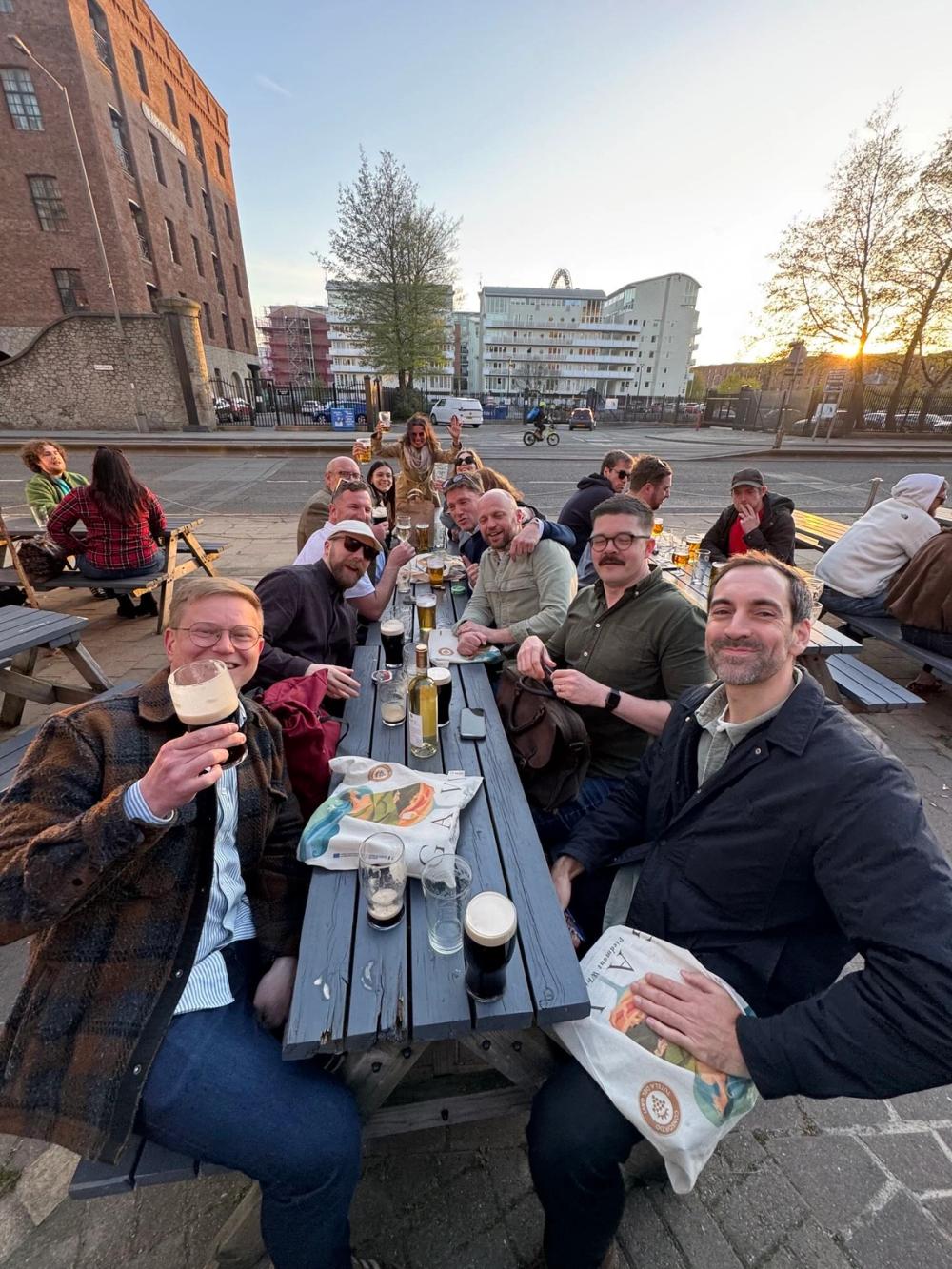
The best Restaurant Tours end up in the pub...Cheers!
* You can find out more about Gavi and its wines at theConsorzio Tutela del Gavi.
* You can read part one of The Buyer's Gavi Liverpool Restaurant here.