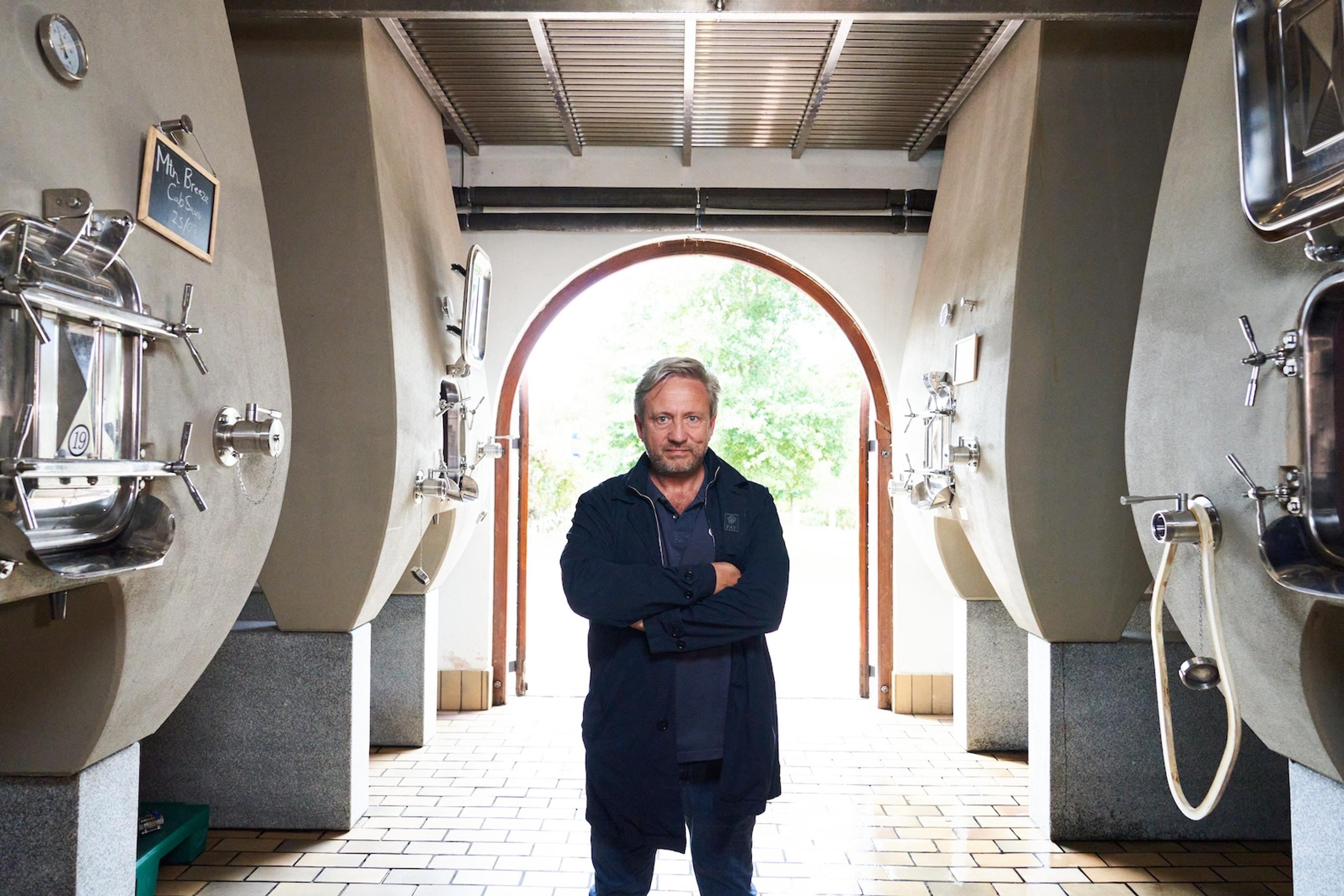
Dan Belmont, director and wine buyer
Good Wine Good People

What were your perceptions of wines from Virginia before the event?
I knew there was good quality to be found, however, I did not know how consistent it would be across many producers. The concern was that they would not have changed with the times, and still embraced out of touch heavier oaked classic production.
How did that change having taken part in terms of the wines and what you heard?
Very positive indeed. It was an impressive standard of quality throughout the room with a modern approach, embracing freshness, and even new varieties including hybrids.
What do you think are the key characteristics and selling points that give Virginia wines the most potential in the UK market?
I think the story is in the history there, and wines that sit at the intersection of quality and value can be successful.
Any hurdles or challenges the producers need to overcome in terms of maximising that potential?
Import quantities are difficult to achieve for smaller producers, and the same goes for pricing. Really honing in on your story will be the key to success.
Any styles of wine that particularly stand out?
Petit Manseng, Cabernet Franc and the interesting hybrids that are coming out of the state.
What sort of pricing would you be looking for in order to take on a wine from Virigina?
I would look to mirror what we have been able to work with for wines from New York State. Entry-level wines should have RRPs around £24-27 and top tier wines can be in the mid-£30's.
Anything else to say?
I think the timing is right for Virginia wines to re-engage with the UK market.
Victoria Sharples, wine consultant, founder Victoria's Wine Secrets
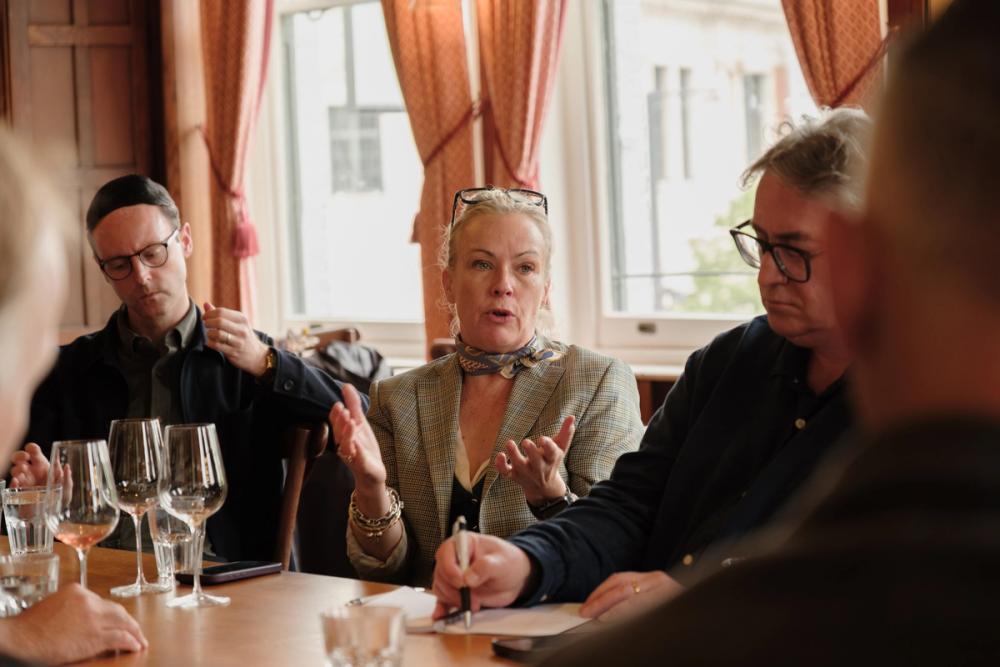
What were your perceptions of wines from Virginia before the event?
Very limited. I knew next to nothing about the region or the wines being made there. I was familiar with the Finger Lakes, and aware that wine is produced in far more states than just Oregon, Washington and California — but Virginia itself was largely a blank.
How did that change having taken part in terms of the wines and what you heard?
It changed completely — suddenly I had knowledge. Being able to taste alongside the producers and talk to them directly about their wines was powerful and genuinely effective. Every wine showed a confidence and a maturity; they seemedhappy in their skin, as it were.
The winemaking was assured rather than over-confident or try-hard — deft use of oak, modern and accessible styles that were immediately appealing. There was no heavy lifting needed to explain what the wine is.
Some had more oak, some were no- or low-sulphur with extended skin contact, so there's real diversity — but the core is sound and accessible. Medium-bodied, interesting blends, and a use of Cabernet Franc that brings freshness as well as fruit.
What do you think are the key characteristics and selling points that give Virginia wines the most potential in the UK market?
Good value and a strong alternative to the West Coast: food-friendly, interesting, and offering a genuine point of difference through Cabernet Franc, Petit Verdot, Petit Manseng and other lesser-known varieties.
Pricing looks moderate, the styles are generally medium-bodied, and they work equally well on their own or paired with food. They have a European feel — not ballsy or brash.
There's a great opportunity here: the grape varieties are familiar, so they're easy to get your head around, and they come from a New World that isn't overly confronting, at much better pricing.
These wines are less likely to sell simply sitting on a list — unless you've got the most dedicated, enthusiastic drinker or seller behind them.
Any challenges the producers need to overcome in terms of maximising that potential?

Victoria Sharples enjoying her tasting with Matthieu Finot winemaker at King Family Vineyards
Getting the message out there and getting the wine in front of people, rather than just talking about it. Get buyers to meet the producers. Otherwise the tendency is for buyers to assume consumers won't be interested, and it stalls there — when it's the buyers who need to drive this, along with the staff on the floor selling the wines. And keep pricing realistic: don't race to the bottom or over-state value. Over-deliver, and win allegiances along the way.
Any styles of wine that particularly stand out?
The medium-bodied whites — Petit Manseng in particular — offer the kind of alternative that so many people are actually looking for without realising it. There's a shift away from Chablis, which tends to be overpriced for what it is; buyers compromise quality for price, leaving consumers with dilute shadows of what Chablis should be.
With the trend towards Albariño and other fresh whites that carry a bit of body, many of the whites I tasted would fit that bill nicely.
But it's not just the whites — I can see opportunities across the board. Tannat struck me as another great variety used there, but without the heaviness and the long-term need to soften that you get from the Tannats of South-West France; the Virginian examples are a terrific, accessible alternative. I was also a particular fan of the Petit Verdot — less heft, and a lot of appeal.
What sort of pricing would you be looking in order to take on a wine from Virigina?
A good by-the-glass range of £13–25 — so a more premium offer than entry level, but that's where the market is right now: consumers drinking less, but better. That works best with effective preservation systems and well-run by-the-glass programmes, focus months and so on.
Anything else to say?
A really exciting region. I found myself spreading the word at the London Wine Fair that same day, to others who were asking me what I'd found interesting and exciting. Word-of-mouth recommendations from people with respected palates and real industry knowledge are invaluable.
One more thing worth highlighting is the cooperative nature of the wineries and winemakers — they genuinely work together, and that's as refreshing as it is rare. Working together will make them stronger. The example I often use is the winemakers of the Yarra Valley, who taste each other's wines and help each other improve. By helping each other, you're really helping yourselves: the whole quality level rises, and everyone benefits.
John Chapman, managing director, Oxford Wine Company

What were your perceptions of wines from Virginia before the event?
I’ve known for quite some time that Virginia produces some excellent examples of Viognier and Cabernet Franc but without the scale to export much to the rest of the world.
How did that change having taken part in terms of the wines and what you heard?
What was new to me was firstly the use of hybrids in a positive fashion to create great wine without any preconceived hybrid issues. Secondly the scope of production has ramped up with more volume and a wider range of varietals in the mix.
What do you think are the key characteristics and selling points that give Virginia wines the most potential in the UK market?
Virginian wine benefits from the fact that a lot of Brits have visited or are aware it exists and thus are not scared of taking a punt on them. From a sales perspective there are lots of shared cultural elements that can be harnessed.
Any hurdles and challenges the producers need to overcome in terms of maximising that potential?
Pricing is the first one by a mile, secondly embracing the fact that the UK does not like heavy bottles. Lastly to work together to create demand. The only way the wines will be successful long term is to create awareness through sampling and thus return sales.
There is no current ‘must haves’ from Virginia so the creation of a wow factor is essential. The easiest way to do this is to pack a whole lot of quality into the bottle for a not astronomical price.
Any styles of wine that particularly stand out?
The Viognier but also the Bordeaux lookalikes.
What sort of pricing would you be looking in order to take on a wine from Virigina?
For the wines tasted at the event I would need them to be able to sit on the shelf at between £25-£40.
Anything else to say?
I am a big fan of this region and am sure that with some cross trade collaboration the Virginian wine presence could be resurrected without too much effort.
William Stephens, head of wine, Nectar and Asahi UK.

What were your perceptions of wines from Virginia before the event?
Truthfully, I knew very little, as there really are so few examples of Virginian wine currently available in the UK.
How did that change having taken part in terms of the wines and what you heard?
What impressed me most was the producers’ confidence regarding regional identity. Rather than pursuing an imitation of Napa or Bordeaux in Virginia, it felt like the producers had a really good understanding of which varieties naturally work best there, while still keeping a real sense of experimentation and discovery around the wines.
In fact, I ended up late for my first meeting at the London Wine Fair because I did not want to leave the tasting.
What do you think are the key characteristics and selling points that give Virginia wines the most potential in the UK market?
The strongest opportunity lies in the wines’ freshness, moderate alcohols and clear gastronomic appeal, alongside the growing consumer and sommelier interest in wines of discovery from emerging regions. There is something genuinely interesting about a region that still feels relatively unexplored in the UK, but already seems to have a much clearer sense of its own identity and direction.
I really liked one producer’s comment that Virginia sits “halfway between the Old World and the New”. The combination of New World fruit with more savoury, restrained structure feels particularly relevant to the UK market.
Any hurdles and challenges the producers need to overcome in terms of maximising that potential?

William Stephens chatting to Boela Gerber, winemaker at South West Mountain Vineyards
Awareness is still extremely low in the UK, so education has to come first - both within the trade and with consumers. The wines need advocates on the ground, key listings and some more traditional hand-selling in order to build credibility, and to explain why Virginian wines are worth paying attention to.
Any styles of wine that particularly stand out?
What I found particularly engaging was the stylistic diversity across the tasting. The tasting showed producers still experimenting with varieties and approaches, but doing so with increasing clarity around what works in their particular site. Petit Manseng and Cabernet Franc felt especially convincing, although there were also really good expressions of Viognier and Petit Verdot.
What sort of pricing would you be looking in order to take on a wine from Virgina?
The wines will need to justify their pricing through quality and personality rather than trying to compete on value. In the UK, I think there is potential in the specialist retail and on-trade sectors at roughly the level consumers might already accept for Oregon, Finger Lakes or even premium South African wines.
Anything else to say?
What encouraged me most was that the wines increasingly felt shaped by site and climate rather than by aspiration towards more established regions. There is still a degree of experimentation, which is entirely natural for a younger fine wine region, but the stronger producers already seem to have a much clearer understanding of the varieties and styles that genuinely suit Virginia’s conditions.
There is a need for the producers to work together here, a listing for one or two producers with the right UK retailer really is to the benefit for all of the Virginia producers.
Emma Robinson, wine buyer, Jeroboams
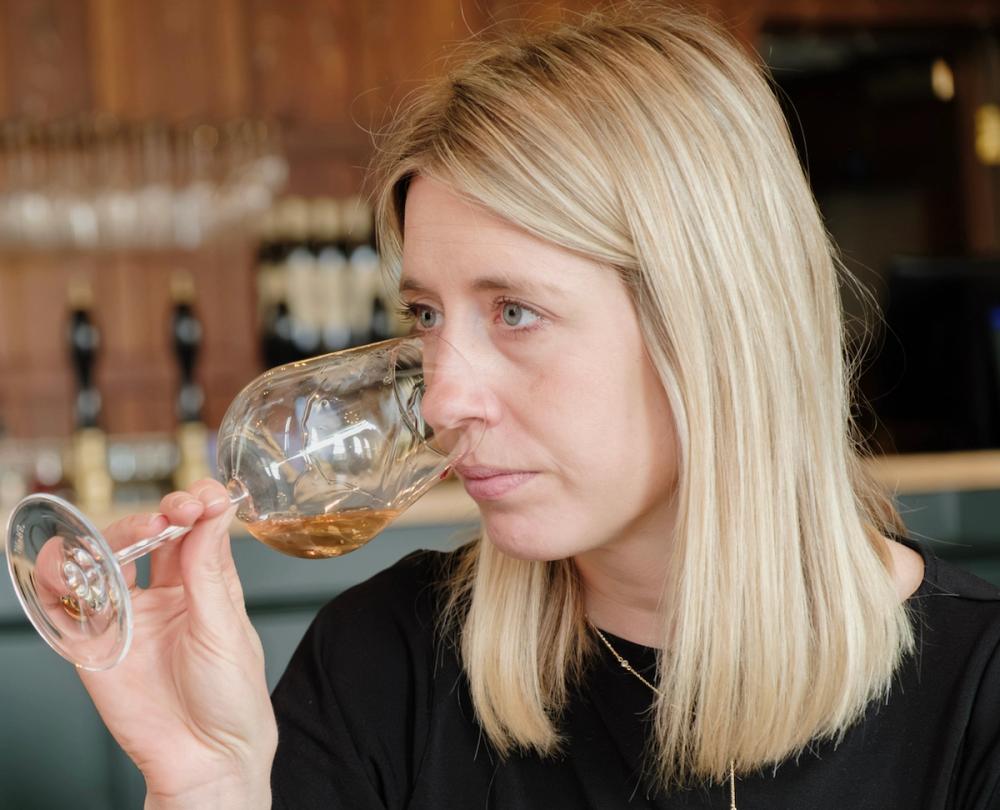
What were your perceptions of wines from Virginia before the event?
I had limited perceptions or knowledge of the category prior to the tasting.
How did that change having taken part in terms of the wines and what you heard?
I was pleasantly surprised by the breadth of styles, drinkability and overall mid-level quality of all the wines. The wines were all characterful in their own way and not trying to mimic something, which shows there is great potential for Wines of Virginia to establish its own identify in export markets.
What do you think are the key characteristics and selling points that give Virginia wines the most potential in the UK market?
They offer a real point of difference from the Western US styles. The moderate alcohols and drinkability of the wines makes them very relevant to the UK market. The use of hybrid varieties is very unique and something that should be championed.
Any hurdles and challenges the producers need to overcome in terms of maximising that potential?
The lack of familiarity of the hybrid grapes poses a problem and requires education to both the trade and consumers.
Any styles of wine that particularly stand out?
In terms of value for money, the Rosemont Traminette was well priced and quite commercially relevant stylistically, however the labels felt quite old fashioned. The Domaine Finot (Turk Mountain Vineyards) wines were both great and interesting lighter examples of their grape varieties.
All of the Cabernet Franc wines and blends were good and offered an interesting and drinkable interpretation of Cabernet Franc. The Joy School wine was very fun and would work very well in wine bar and modern independents.
What sort of pricing would you be looking in order to take on a wine from Virigina?
Retail price of £20-£35. Potentially up to £50 once the category is better established or for a particularly exceptional quality wine.
Anything else to say?
I would have liked to have seen more concentration of flavour in many of the wines. I'm not sure whether this was due to climate (high rainfall), yields or vine age but hopefully with time this area will improve.
Will Hill, senior wine buyer, Ocado Retail

What were your perceptions of wines from Virginia before the event?
I knew of its reputation as a region to keep an eye on with regard to quality but hadn't really had the opportunity to try them myself.
How did that change having taken part in terms of the wines and what you heard?
I was glad to see them living up to that reputation. All the wines on show were clearly very well made and felt like they had more of an identity than generic Californian wines.
Any hurdles and challenges the producers need to overcome in terms of maximising that potential?
Price and accessibility will always be a challenge. I don’t think being from Viriginia, or just a lesser known region in general is a problem at all. In fact it gives a point of interest and discussion, and importantly the quality is there for those who do give it a try.
Any styles of wine that particularly stand out?
Aromatic whites and the lighter fresher hybrids.
What sort of pricing would you be looking in order to take on a wine from Virginia?
Around £7-8 DPD.
Jennifer Williams Bulkeley, founder and managing director, Ally Wines
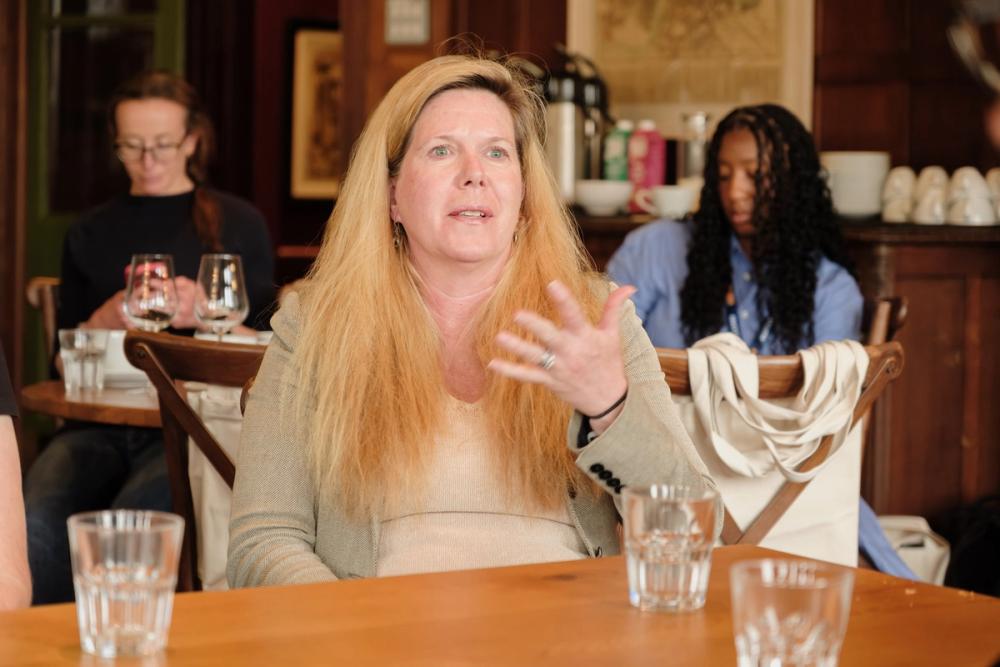
For me Virginia is one of the most exciting stories in wine in the US primarily because of its global oeno and agro tourism position and long (relative) history of wine. I can see the attraction to trade and consumers wanting to know more about Virginia and all it has to offer.
On the wines it is going to be challenging on the price side until Virginia really establishes some momentum in the market. Both trade and consumers need to better understand the offering, the styles and the story to fully grasp why these wines are so special.
Having watched Washington struggle to find its voice, Virginia should start as a brand and region and then tell the individual stories of the wines.
As the "Lone Ranger" in American wines in the UK, the pushback is very real. There has to be a compelling value proposition, quality wines and a great backstory to justify adding Virginia wines to a programme, but ultimately it comes down to price. Our wines under £15 wholesale move substantially faster than the rest of the book.
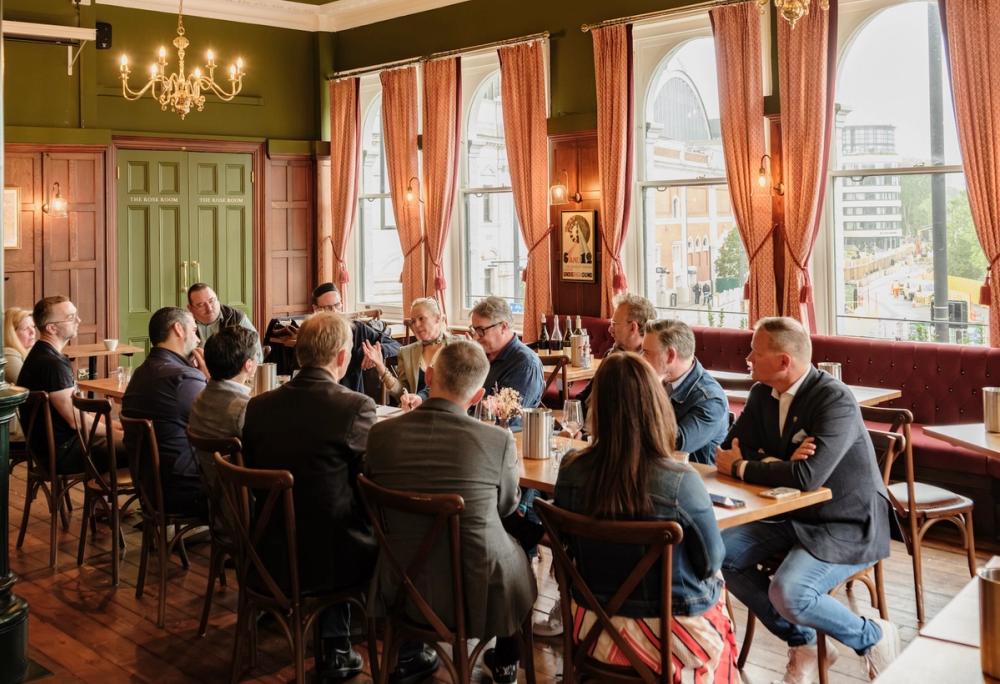
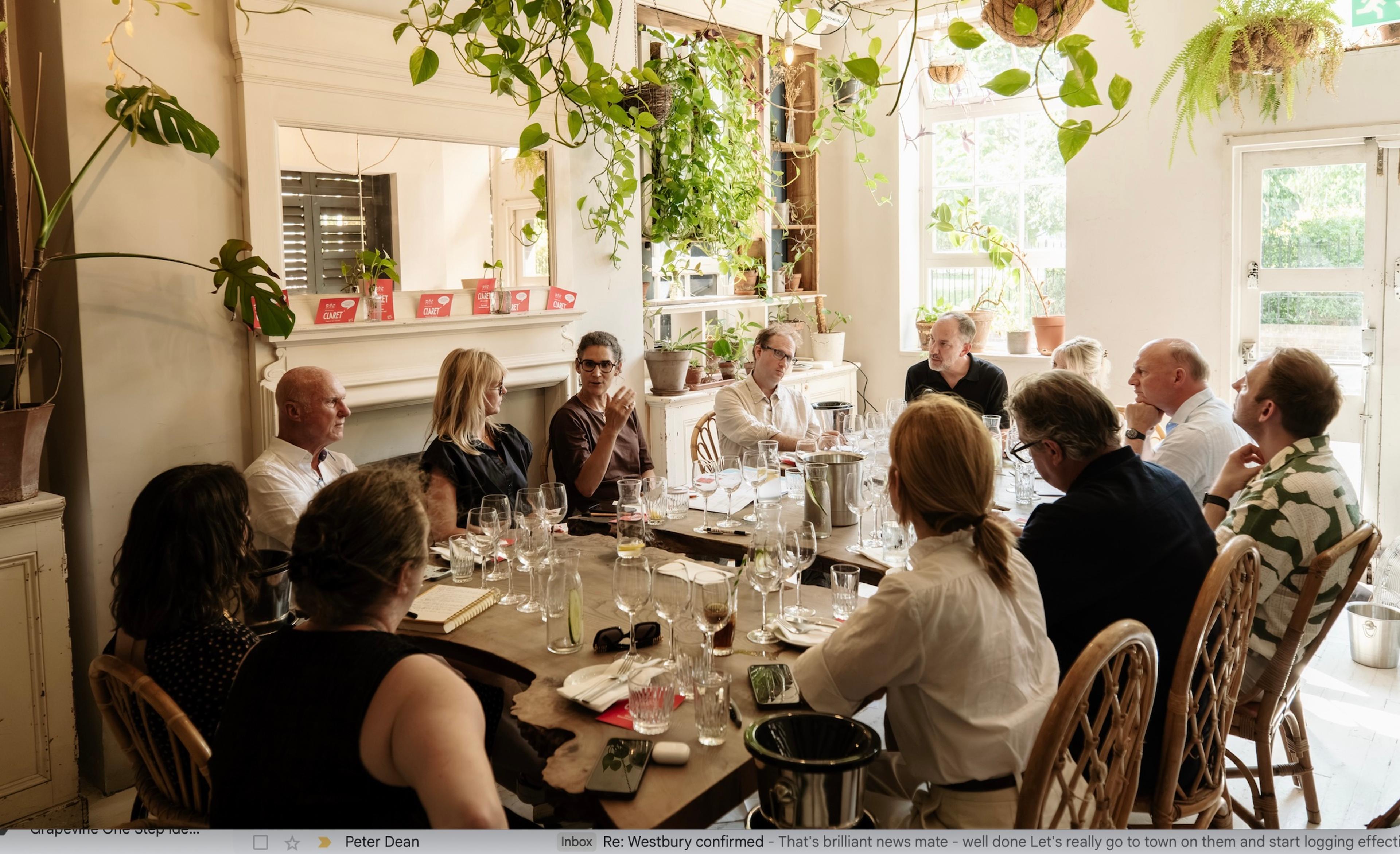
The Virginia Wine debate took place at Fuller's Hand & Flowers pub before one of the days of the London Wine Fair
It was interesting to hear the comments from the other buyers about Greece, Georgia and other emerging Eastern European countries, that have found a place in the market across all channels and much of that was led by in market regional education, explaining the attraction of non-traditional varietals and styles and providing an opportunity to learn about the history and culture of the regions through the wines.
The experience a wine region can provide should not be underestimated in the current environment.
I also believe the markets outside of London will be receptive to supporting Virginia as an emerging region and Virginia can differentiate itself in the UK with a strategy targeting "secondary" markets.
Virginia Producers
The Virigina producers who took part in the debate and exhibited their wine at London Wine Fair were:
Southwest Mountains Vineyards.
* You can find out more about Virginia Wine here.
* You can read part one of the report here.