Returning for the 11th edition this year, Gosset Matchmakers is an annual competition that challenges chef and sommelier teams to curate the perfect dish to pair with a Gosset champagne. I headed to Champagne Gosset with the winners of the 2025 competition, Ché Dyson-Holland (now Sommelier at Hakkasan) and Darryl Shotlander (Senior Chef de Partie at The Dysart Petersham), as well as Jiachen Lu (Head Sommelier at Cord by Le Cordon Bleu) half of the winning team in 2023.
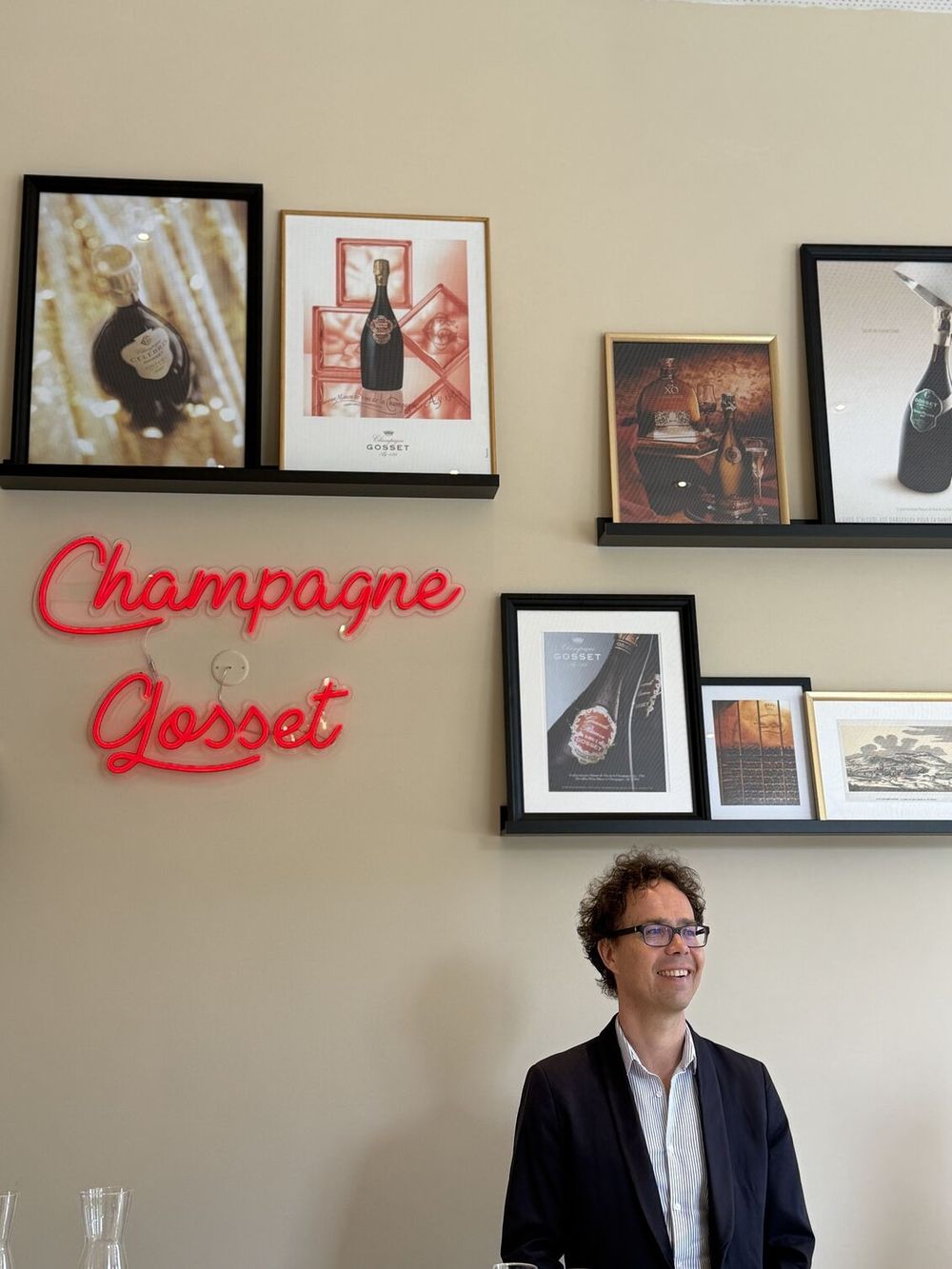
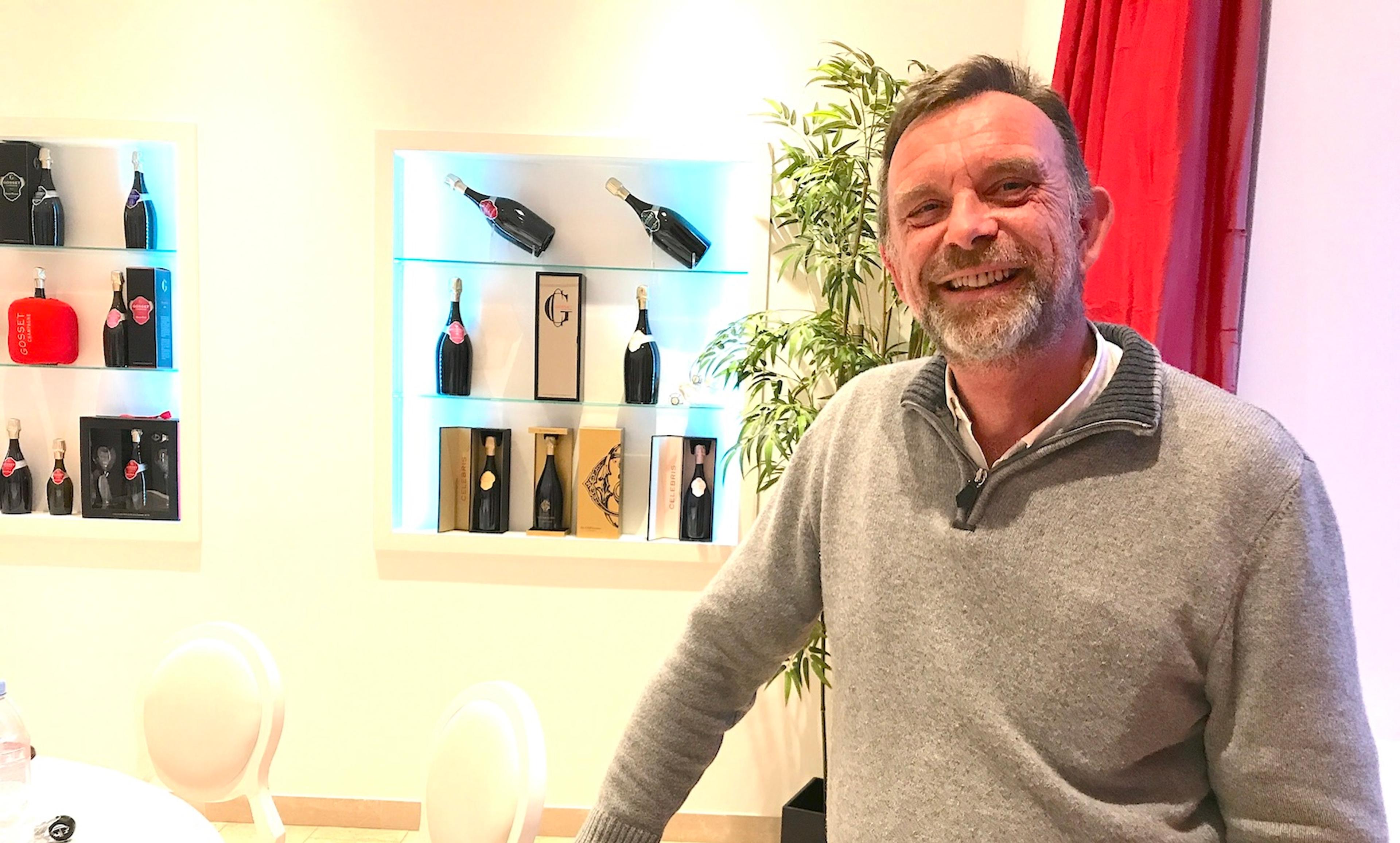
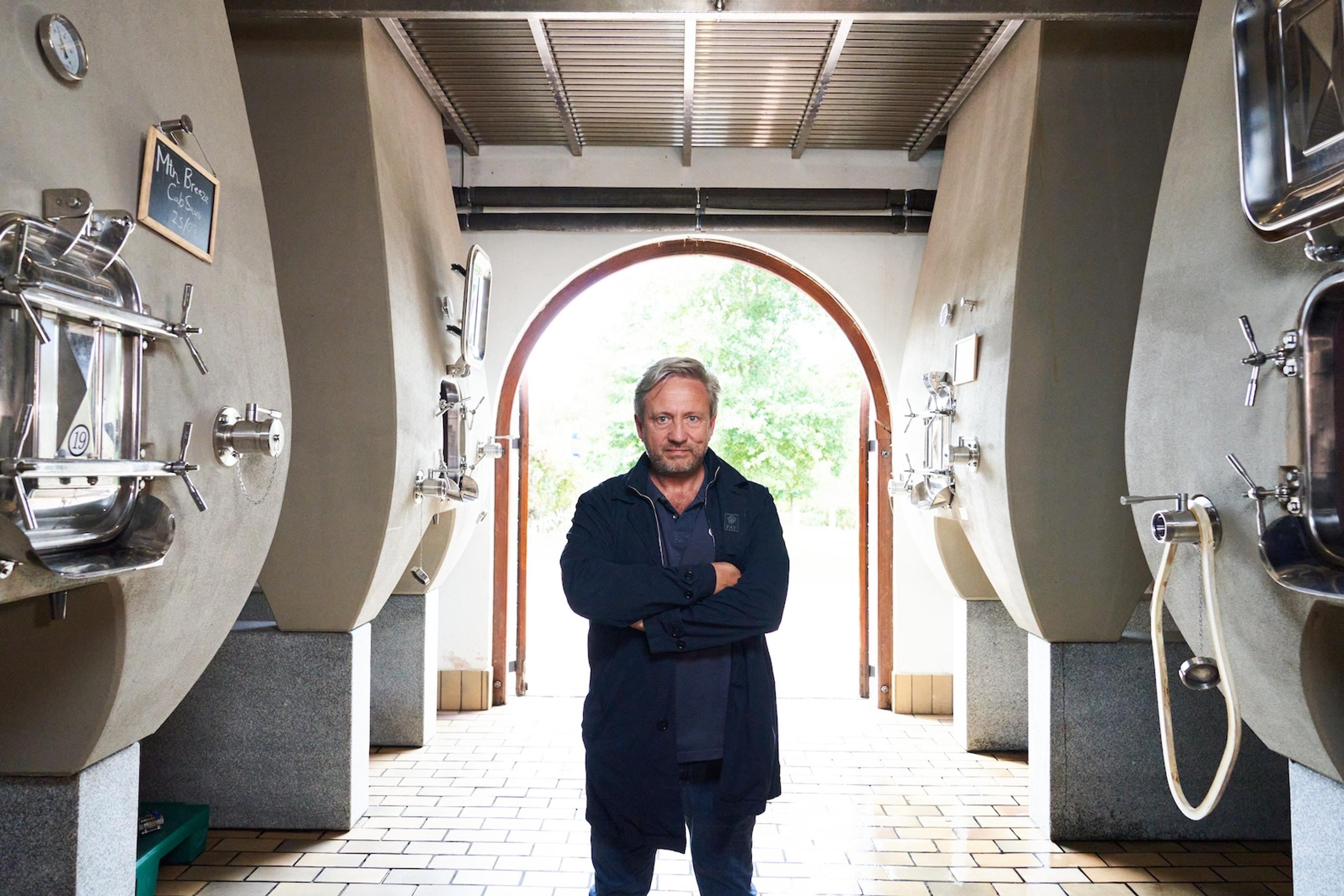
Gosset's Philippe Antony - encouraging a new generation of chefs and sommeliers
Philippe Antony, export director, explains to me that Gosset Matchmakers is important to showcase the gastronomic versatility of Gosset’s Champagnes. It is also a way to encourage the next generation of chefs and sommeliers, since entrants must have fewer than five years of experience.
With a fitting focus throughout the trip on food pairing, we were treated to meals at the historic Au Petit Riche in Paris, an old-school brasserie frequented by journalists, actors and artists; and Brasserie Le Jardin in Reims, a buzzy spot on the terrace of Les Crayères hotel, which also houses the two-starred Le Parc restaurant.
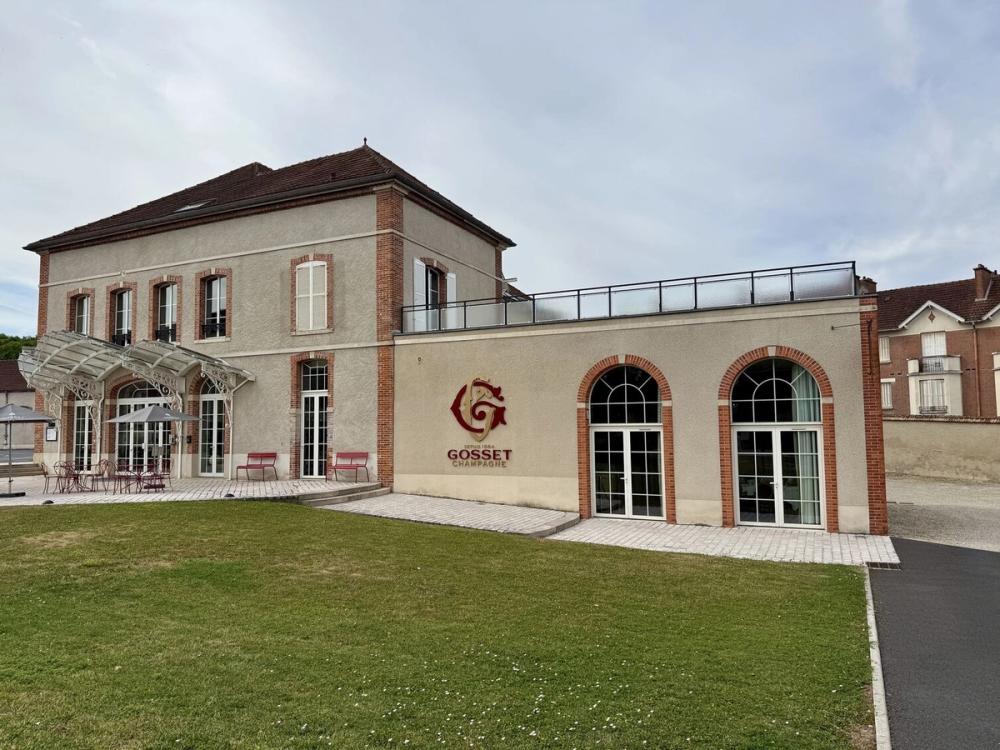
Founded in Aÿ in 1584, Gosset is the oldest wine house in Champagne (although having made still wine for the first couple of centuries, it is confusingly not the oldest Champagne house). The house remained in the hands of the Gosset family for sixteen generations until the 1990s, when it was sold to the Renaud-Cointreau family, a similarly long dynasty with its own drinks brand – Frapin Cognac. Despite the change in ownership, the philosophy of the house remains the same, with then chef de caves Jean-Pierre Mareigner remaining in place and working with the current chef de caves and chief executive, Odilon de Varine, for 10 years, ensuring continuity of style.
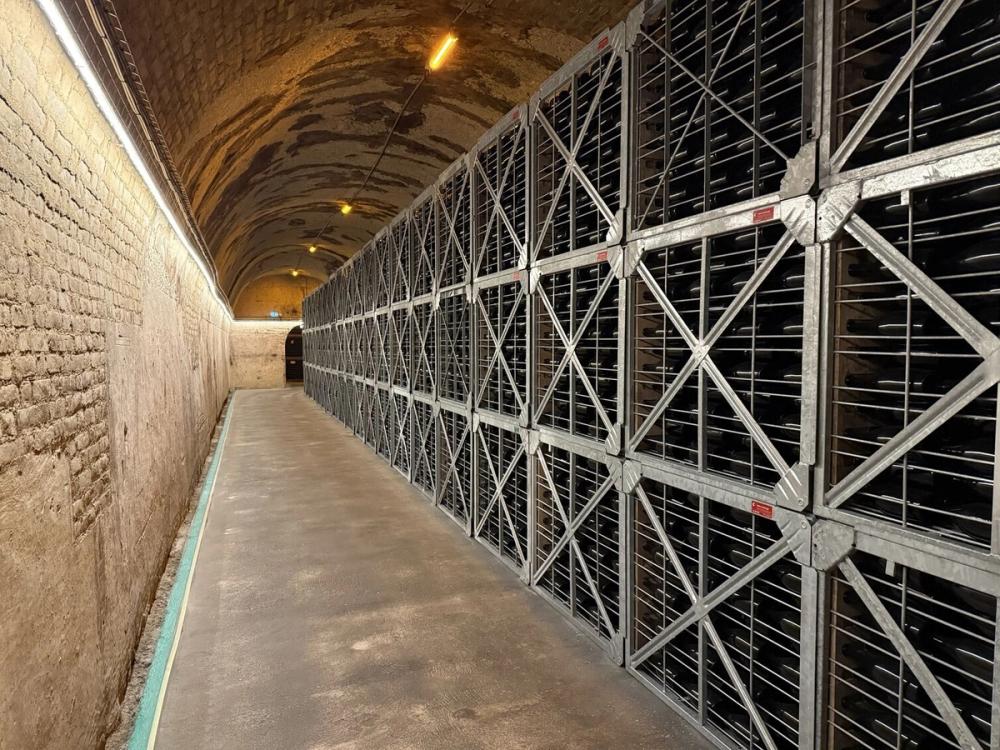
At Château Malakoff, a two-hectare estate in the centre of Épernay acquired by Gosset in 2009, we took the stairs down to the vast corridors of cellars built into the chalk. Unlike the crayères in Reims, originally dug out to use the material for building, chalk was dug in Épernay purely to make cellars for ageing Champagne.
Gosset has 1.7km of such cellars in Épernay as well as a similar length at the maison’s home in Aÿ. Walls lined with bottles have been replaced with cages here, improving the efficiency of loading directly onto a gyropalette, and leaving just the larger formats to be riddled by hand.
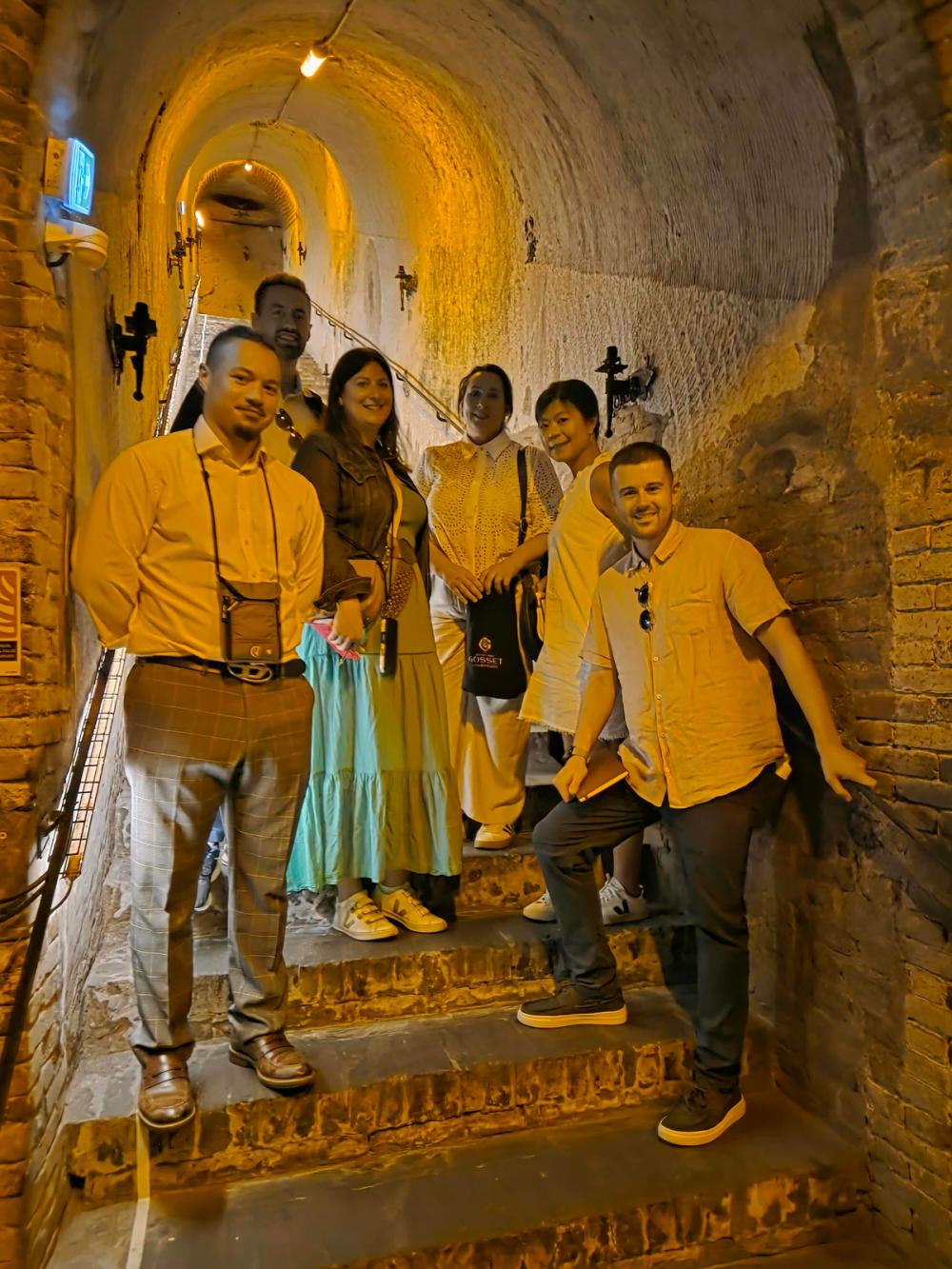
Entering the Gosset cellars: past winners Ché Dyson-Holland, Darryl Shotlander and Jiachen Lu with Ellie Scott (centre) and Hallgarten's Ben Jackson (far right)
Oenology manager, Pierre de Caffarelli, describes Gosset’s house style as having "deep vinosity, and mineral freshness."
None of Gosset’s Champagnes undergo malolactic fermentation, and he believes it is also the only house to not use any oak at all. Tasting through the core of the portfolio, bottled in the distinctive trademarked bottles with medallion labelling, we were shown how the combination of retained malic acid, long lees ageing and lack of oak achieves this house style throughout the range.
The flagship cuvée, Grande Réserve shows that typicity of style, with a lemon zestiness, freshness, elegance, and salinity on the finish. Rosé is a key part of the portfolio, with five rosés d’assemblage now in the range.
Grand Rosé is floral and fresh with strawberries, raspberries, shortbread and a refreshing hint of bitterness on the finish. De Caffarelli explains this bitterness on Gosset’s wines helps provide structure and length. Antony remarks that as well as being a great apéritif wine, the Grand Rosé paired well even with slow-cooked lamb at our dinner the previous evening.
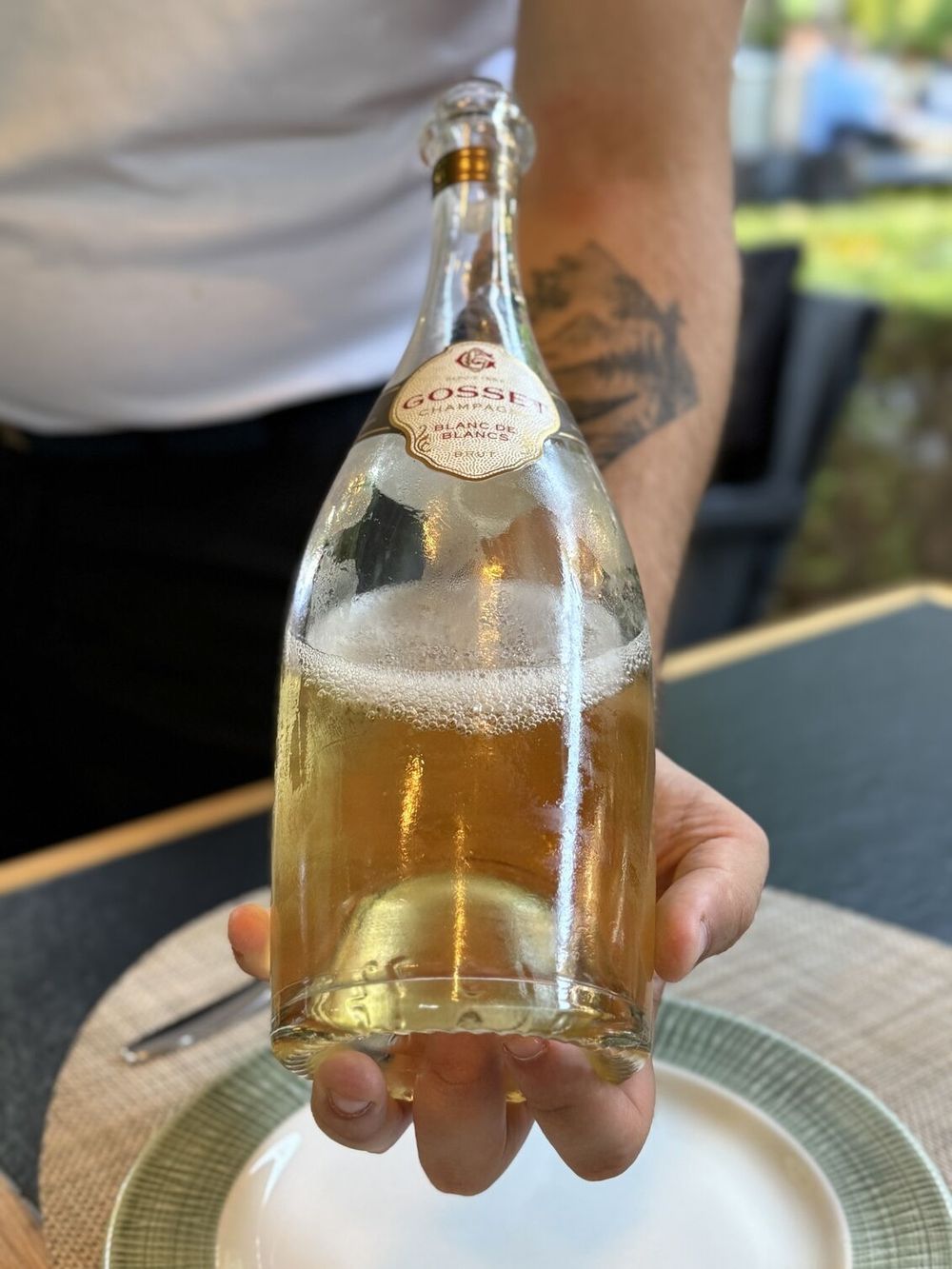
The Blanc de Blancs is a linear, fresh and mineral style with grapefruit, green apple and a hint of toast. Extra Brut in terms of dosage but sold as a Brut it feels rounded given the low dosage after four years on the lees. De Caffarelli suggests pairing with oysters or seafood.
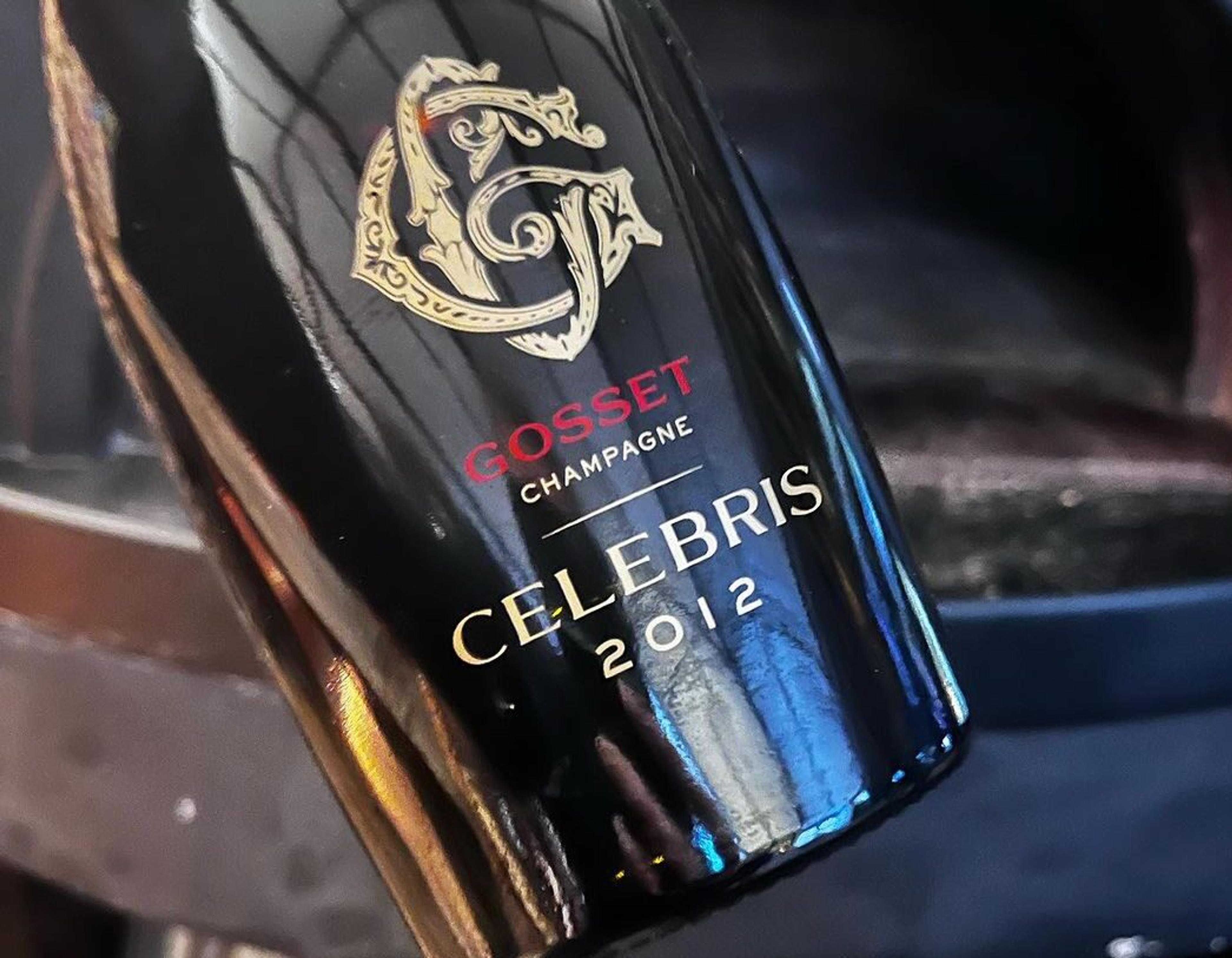
And then a tasting of a trio of Celebris Champagnes, Gosset’s prestige cuvées. Celebris is “the quintessence of Gosset style” according to Antony. In some years the quality of the wine is such that there is no need to add reserve wines for complexity. The team will be looking for a vibrancy and minerality and an ageing capacity.
“If you open the wine in twenty years, you will never say this wine is 20 years old” says de Caffarelli. Celebris wines are only made in the best years and there are no set rules. At the moment Gosset makes a Blanc de Blancs, a rosé and a blend, all of which spend around 10 years on the lees. “We try to find the perfection in the expression,” says de Caffarelli.
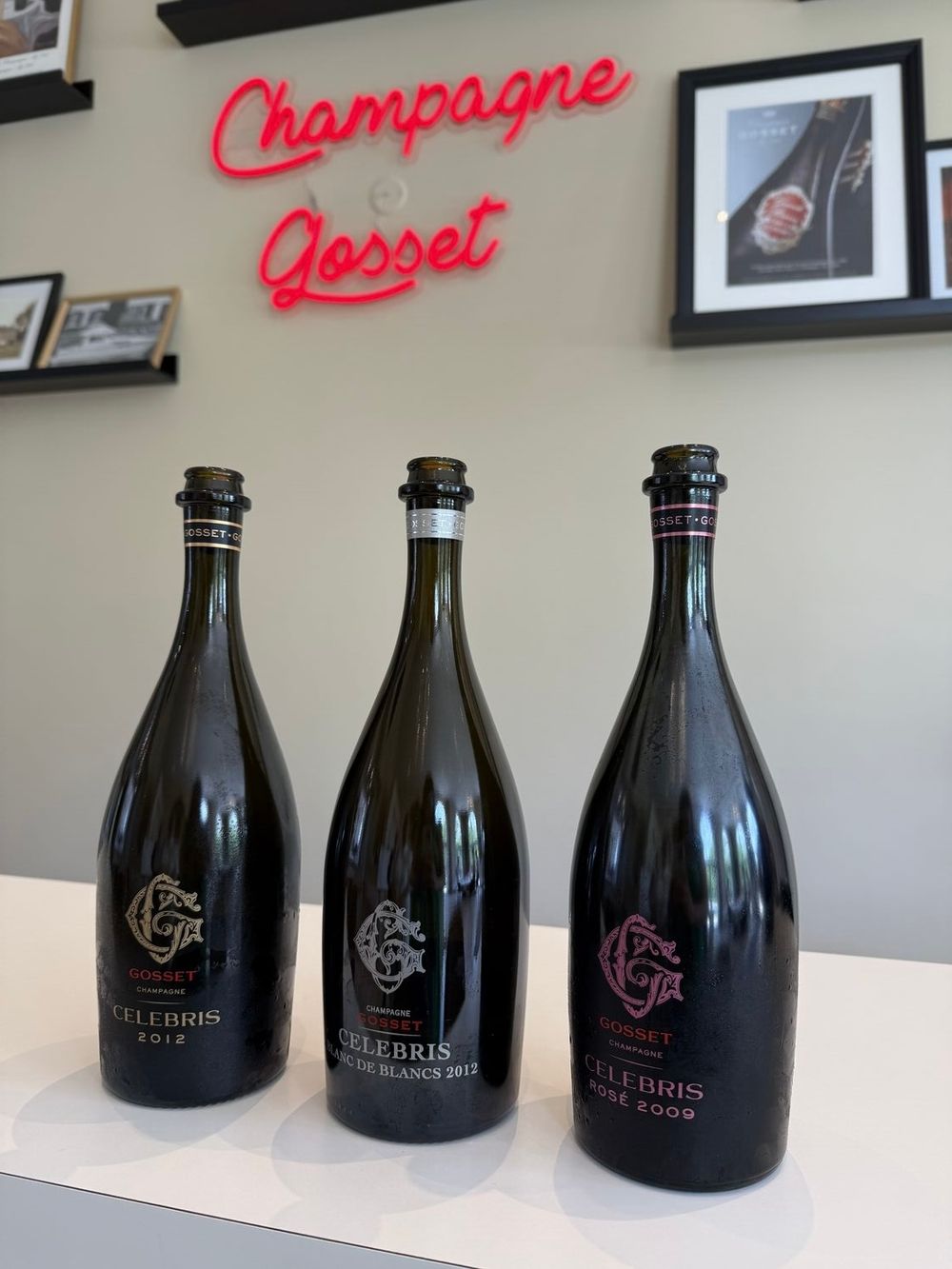
Celebris Blanc de Blancs 2012 had nine years on lees, giving some creamy, bready notes, but the nose is still incredibly fresh. Subtle almond notes mingle with lemon, apple and shortbread.
Celebris Vintage 2012 is richer and deeper from the additional 30% of Pinot Noir in the blend, and an extra two years on lees, with notes of red apple skin and a hint of nuttiness, fuller bodied and vinous.
Celebris Rosé 2009 is “probably the most complex wine of the range” de Caffarelli says, with layers of floral notes, concentrated red berries, lemon, redcurrants and yellow apple.
Celebrating the 2025 Gosset Matchmakers winners
A paired lunch, where we were joined by Julien Cointreau, 22nd generation of the family, was a chance to celebrate the Gosset Matchmakers winners, and fully explore the gastronomic side of the Champagnes from Gosset.
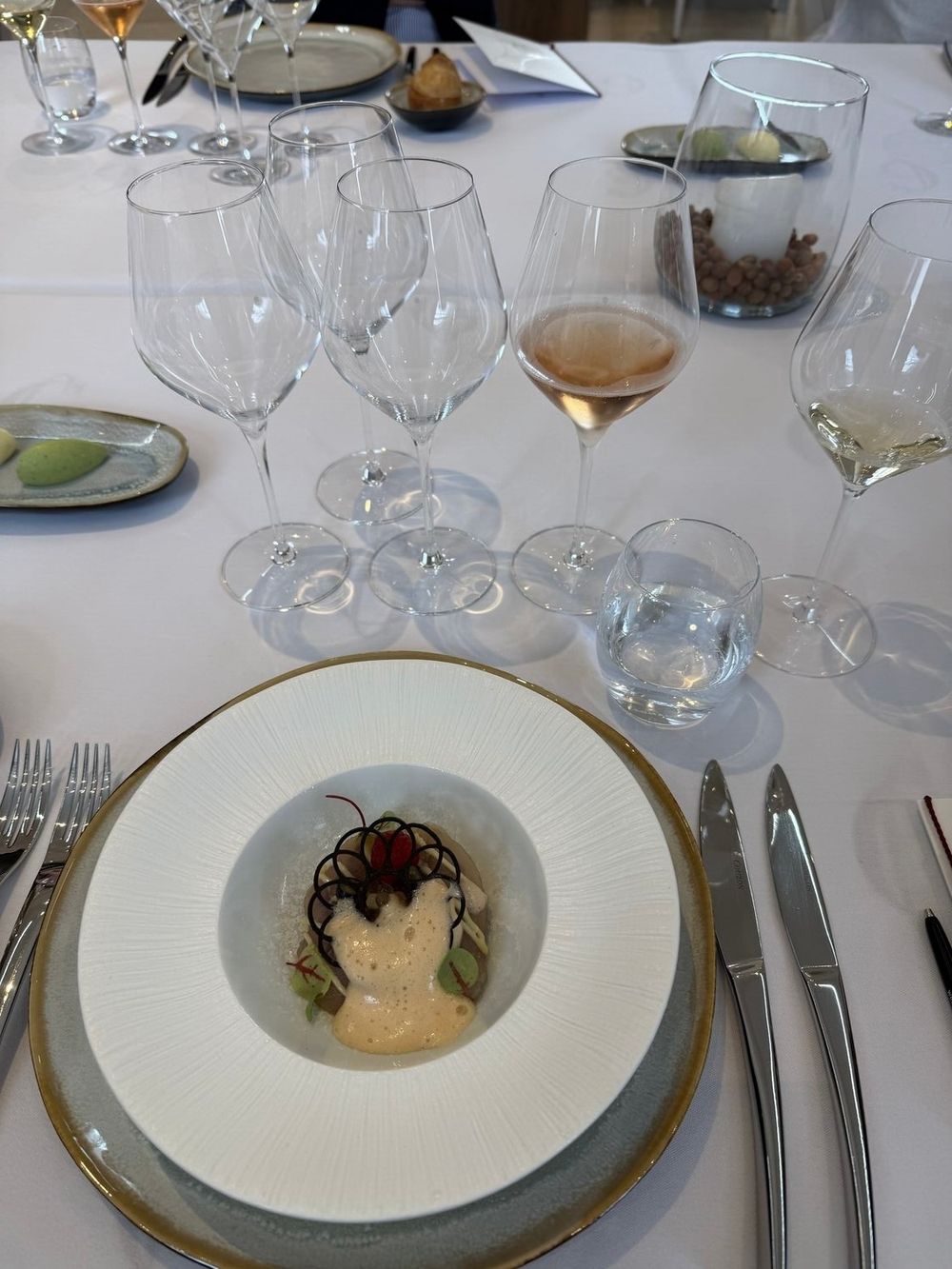
Red tuna carpaccio with red fruits and fish roe was a universally lauded pairing, the raspberry deliberately picked to enhance the red fruit notes in the Grand Rosé, and the fish roe giving a pop of saltiness.
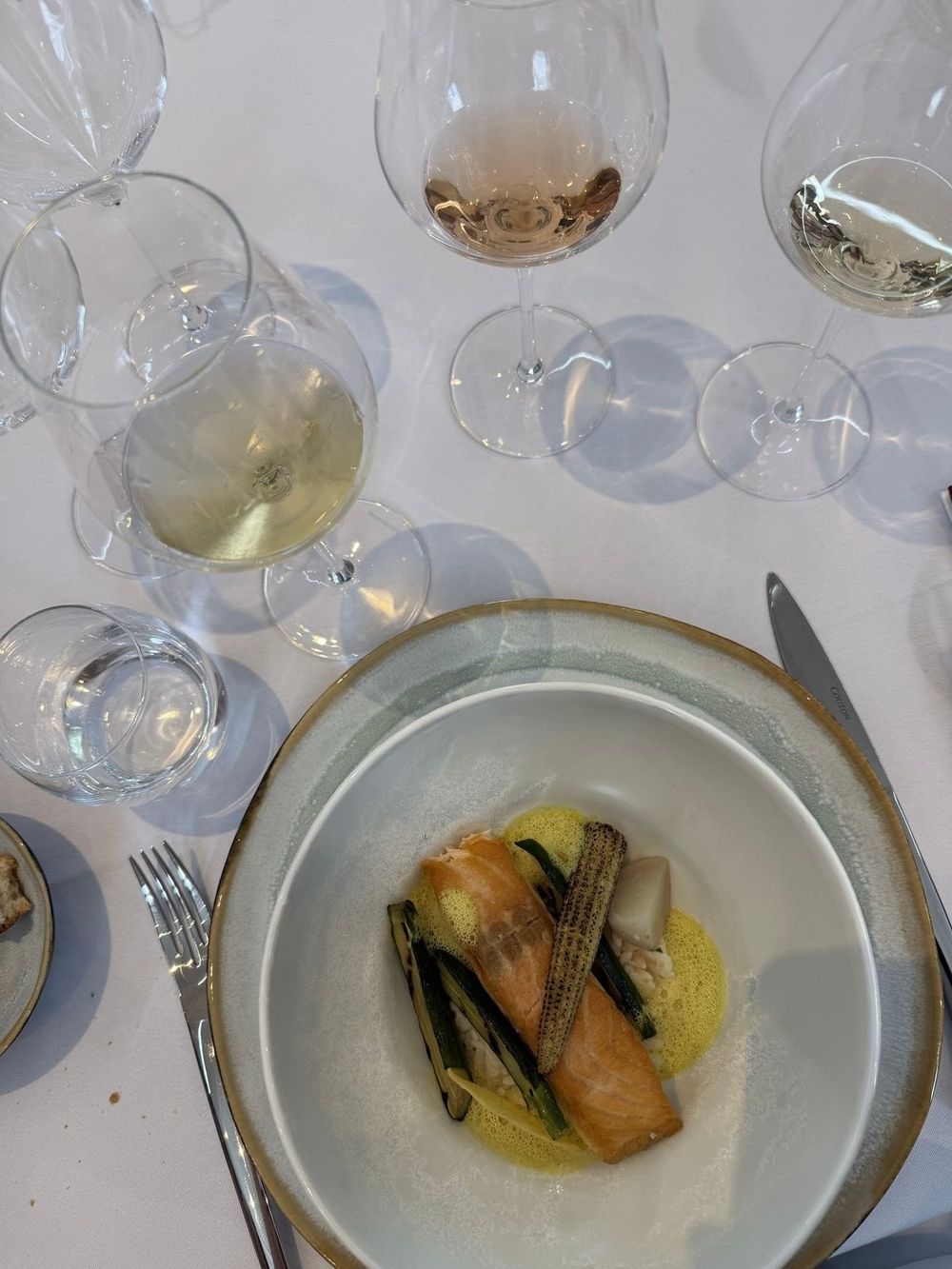
The new Gosset Zéro Dosage would fool most people in a blind tasting; richer and fuller than any zero dosage I’ve tried before. Antony explains this is down to the lees ageing, almost 10 years on this wine, bringing texture, roundness and richness. A pairing with mi-cuit salmon in a subtly curried sauce and mild coconut cream was surprisingly well-matched: Dyson-Holland declared it his favourite pairing of the meal.
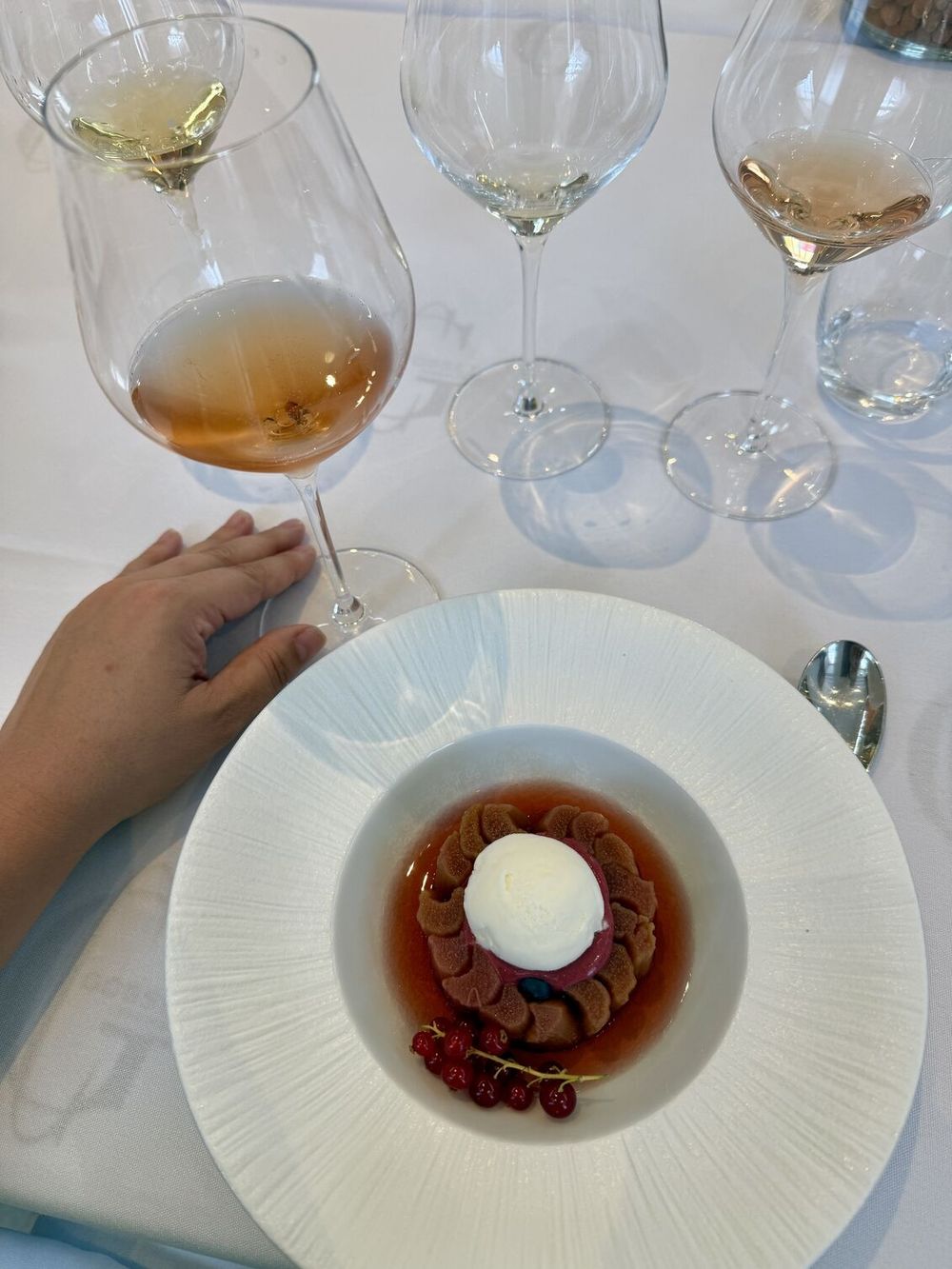
To finish, a grown-up take on jelly and ice-cream with stewed rhubarb was served with Cuvée Suzanne Gosset rosé. Named for the president of the house post WWII, who introduced both rosé d’assemblage and the clear bottle for it, this cuvée is designed to recreate that style from the ‘50s.
A beautiful copper colour in the glass, and based on the 2017 vintage, the wine has 65% Chardonnay bringing a beautiful freshness, the grapefruit and red fruit flavours supported by five years lees ageing bringing a rounded texture and depth.
This prize trip for the winners of the Gosset Matchmakers competition reinforced for me why competitions like this continue to be important: an opportunity to fully explore the gastronomic nature of Gosset’s Champagnes, while supporting the next generation of talent in hospitality.
How to enter Gosset Matchmakers 2026
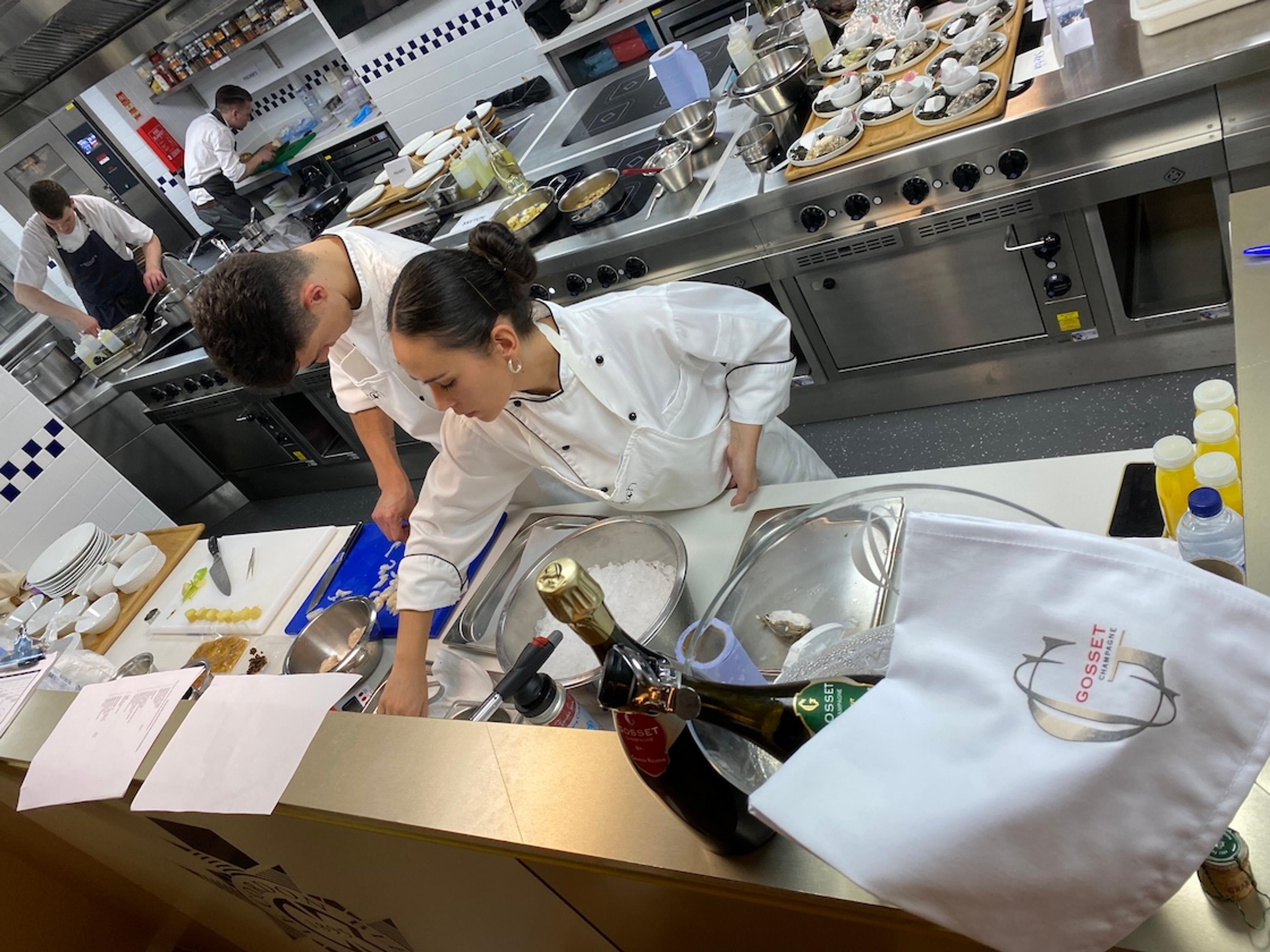
Gosset Matchmakers is a competition for rising chefs and sommeliers, each with fewer than five years professional experience. Teams are invited to submit an imaginative and innovative food pairing with Gosset Champagne, before five finalists are invited to Cord by Le Cordon Bleu to prepare and present their pairing.
On the day, they will be asked to respond to a mystery wine and a box of ingredients to create a second dish to further demonstrate their creativity and ability to work as a team under pressure.
In 2026, judges include Jordan Sutton, head sommelier at L’Enclume; Joe Lutrario, deputy editor at Restaurant Magazine; and Philippe Anthony, export director at Champagne Gosset.
Entries for the Gosset Matchmakers 2026 competition are open until Wednesday 15th July. More information on how to apply is available here: https://champagne-gossetmatchmakers.com/