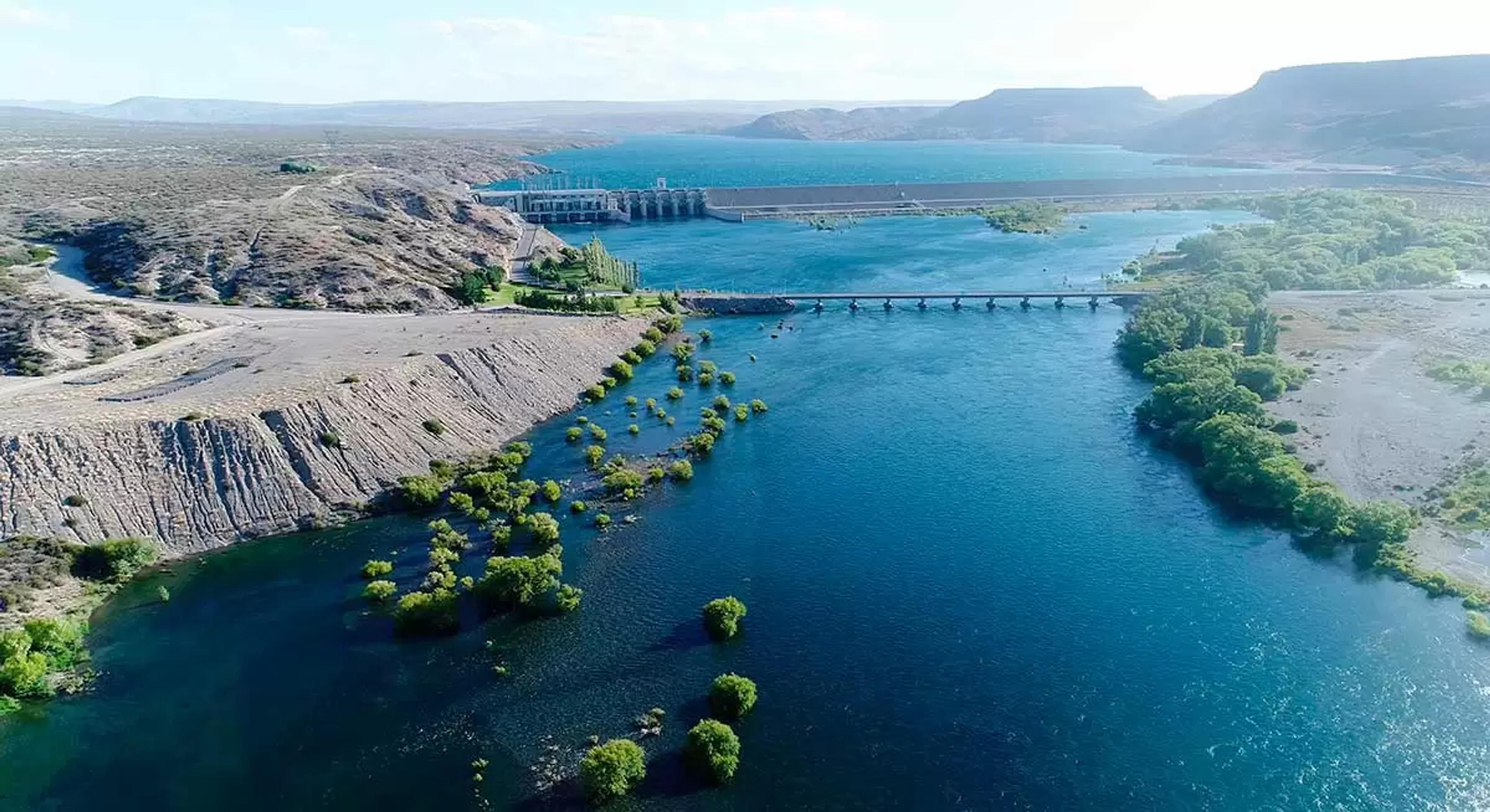

Wine occupies only a tiny part of Neuquén in northern Patagonia. About 50 kilometres north of the city, following the Neuquén River, lies San Patricio del Chañar, where the province's modern wine industry began to take shape around the turn of this century.
The vineyards did not arrive in an empty agricultural landscape. Irrigation had already allowed fruit production to develop in parts of the area. During the late 1990s and early 2000s, another stage brought larger agricultural plots, pressurised irrigation and the infrastructure needed to extend cultivation further into the dry plateau. Provincial financing and private capital followed.
Water connects much of this geography. The Limay and Neuquén rivers carry Andean water across an otherwise dry territory before meeting at the provincial capital.
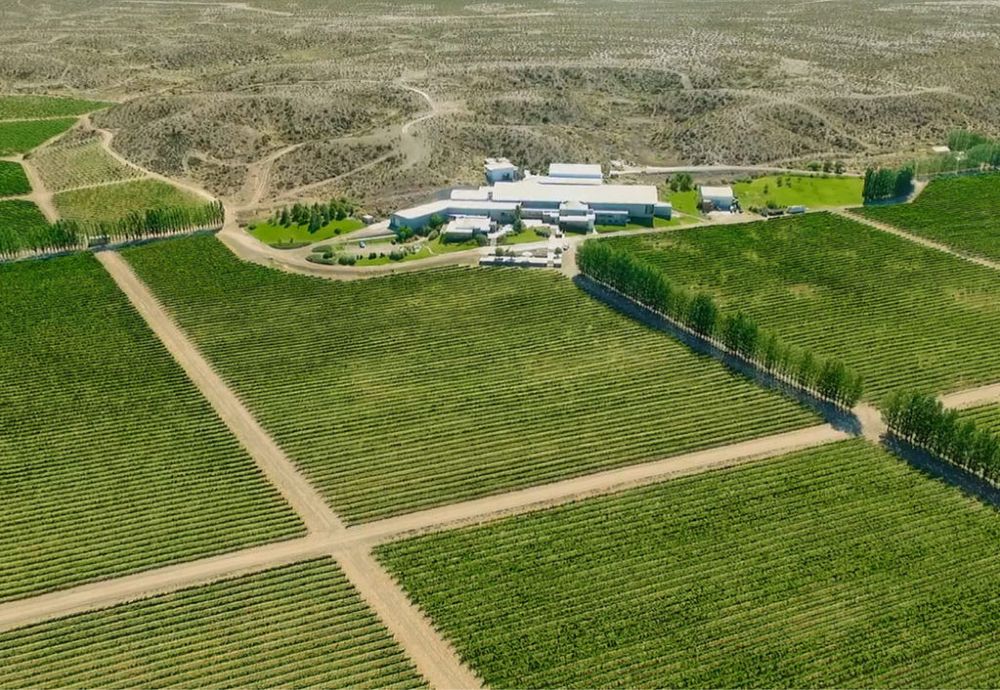
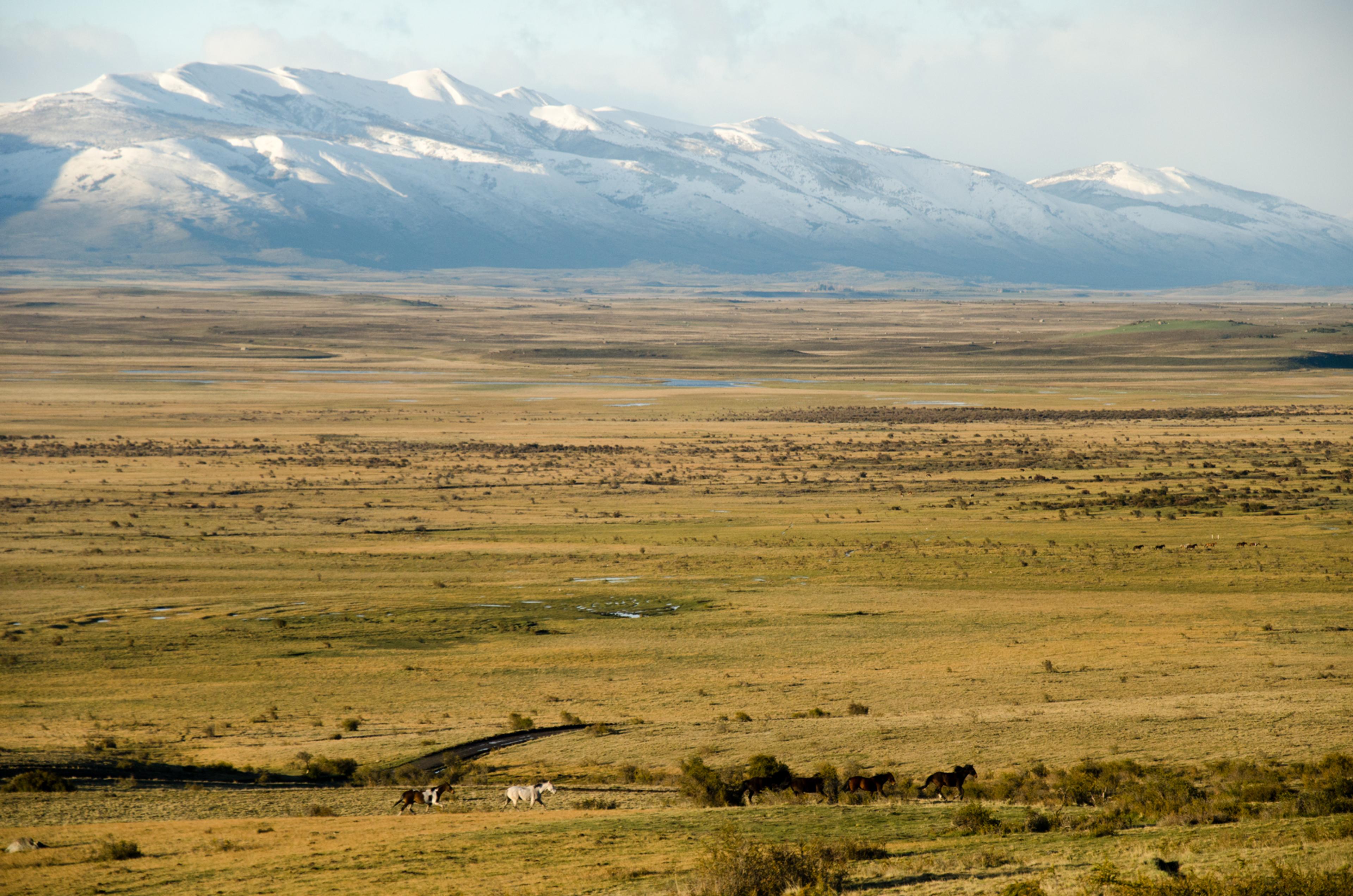
The vineyards around Familia Shroeder shows how how viticulture has developed within the otherwise dry landscape of San Patricio del Chañar.
Bodega del Fin del Mundo was among the first wine projects, followed by Familia Schroeder, Bodega NQN, now Malma, Bodega Patritti and others. Vineyards were planted, wineries built and, within a relatively short period, San Patricio del Chañar had become Argentina's youngest significant wine-producing area.
Today Neuquén has around 1,500 hectares under vine. Beside Mendoza, with well over 140,000 hectares, it remains very small. But more than 20 years of vintages have answered many of the questions those early investors faced.
Malbec works here. Chardonnay has shown itself at different levels, including sparkling wine. Pinot Noir has become particularly important in giving this part of Patagonia a recognisable wine identity.
There is evidence beyond the wines themselves. In 2023 Neuquén exported 10,770 hectolitres of wine worth $4.96 million. For a region of this size, those numbers add another dimension to the picture.
I recently wrote in The Buyer about what is happening with Pinot Noir here and why Patagonia is beginning to find a place in a broader international market. There is another story developing around those same vineyards, and much of it is happening outside the wine industry.
A much bigger economy
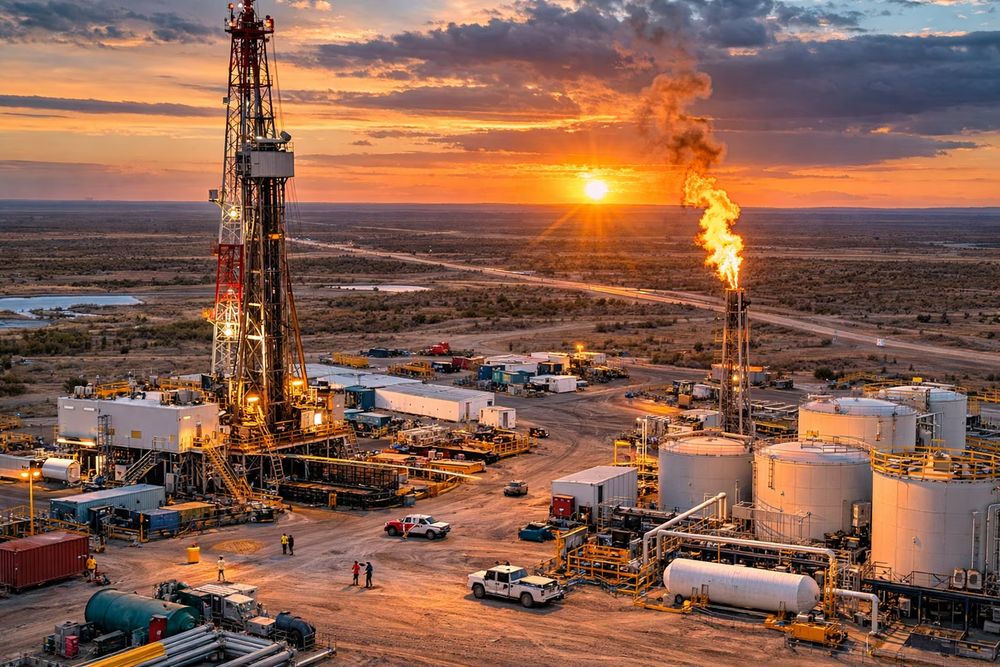
The oil and gas industry is changing Neuquén's wider economic landscape.
From San Patricio del Chañar it does not take long to encounter another Neuquén. Vineyards and fruit orchards give way to drilling sites, pipelines, heavy traffic and flare stacks visible across the steppe at night.
This is Vaca Muerta, the shale oil and gas formation that has placed Neuquén at the centre of Argentina's energy industry. Its scale bears little comparison with wine. The investment associated with energy is bringing roads, power infrastructure, water systems, communications, contractors and services to parts of the province at a level a 1,500-hectare wine industry could never generate on its own.
The connection with wine is indirect, and that distinction matters. An electricity line built for the energy industry does not automatically provide inexpensive power to a vineyard. A pipeline or road somewhere in Vaca Muerta does little for a producer hundreds of kilometres away. But Neuquén is undergoing an infrastructure and investment cycle that is changing the province around its wine industry.
The provincial government is also trying to broaden the productive economy, using part of the resources generated by Vaca Muerta to support agriculture and other activities beyond hydrocarbons. That effort is appearing in different parts of the province.
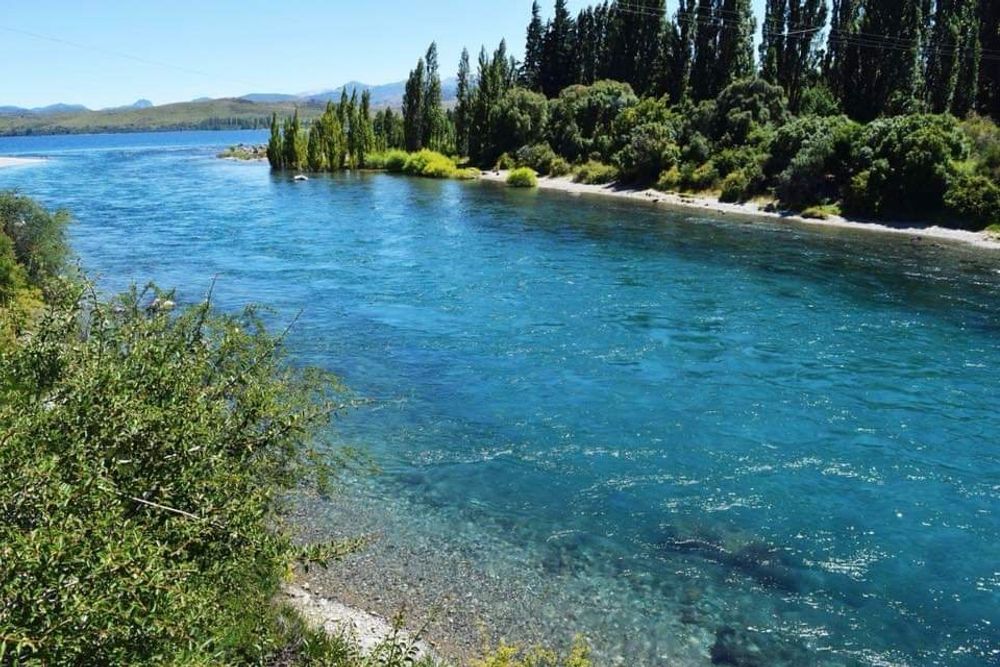
The Limay river: Water is fundamental to agriculture in this part of Patagonia
South of the capital, along another stretch of the Limay River and roughly 130km from San Patricio del Chañar as the crow flies, one of the most ambitious projects is now being studied.
In July 2026 the government opened bids for studies and executive planning for the Corredor del Viento del Limay, covering approximately 54,000 hectares around Picún Leufú and the middle Limay valley.
The work includes irrigation and drainage, roads, agricultural, economic and financial studies, environmental assessment and the preparation of future infrastructure projects. Neuquén has also introduced an investment regime covering agriculture and agroindustry, along with fiscal-credit programmes intended to encourage productive investment.
None of this amounts to a plan to expand the wine industry. It does show that the conditions surrounding productive investment in the province are changing, at a time when wine has already established a small but proven presence here.
Not the full picture
There is an important contradiction in this story. While Neuquén is studying new areas for irrigated agriculture, its registered vineyard area has recently contracted.
According to Argentina's Instituto Nacional de Vitivinicultura, the province had approximately 1,792 hectares of vines in 2023. In 2024 that fell to around 1,499 hectares. The 2025 figure was approximately 1,508 hectares. A reduction approaching 300 hectares matters in a region this small.
Part of the change reflects a national verification process that removed inactive vineyards from the register. Regional reporting also indicates that a substantial part of Neuquén's reduction was concentrated around the cessation of activity by one operator. The official figures do not establish that 300 hectares of vines were physically removed from the ground, but that does not make the contraction irrelevant.
Neuquén has already passed through a first cycle of wine investment. Some projects prospered, some changed ownership and others did not develop as originally expected. There are now more than two decades of experience with varieties, vineyard management, irrigation, wind, frost and the commercial realities of producing wine in northern Patagonia. For someone looking at Neuquén today, that experience is part of the value of the place, arguably as much as the land itself.
What 54,000 hectares really tells us
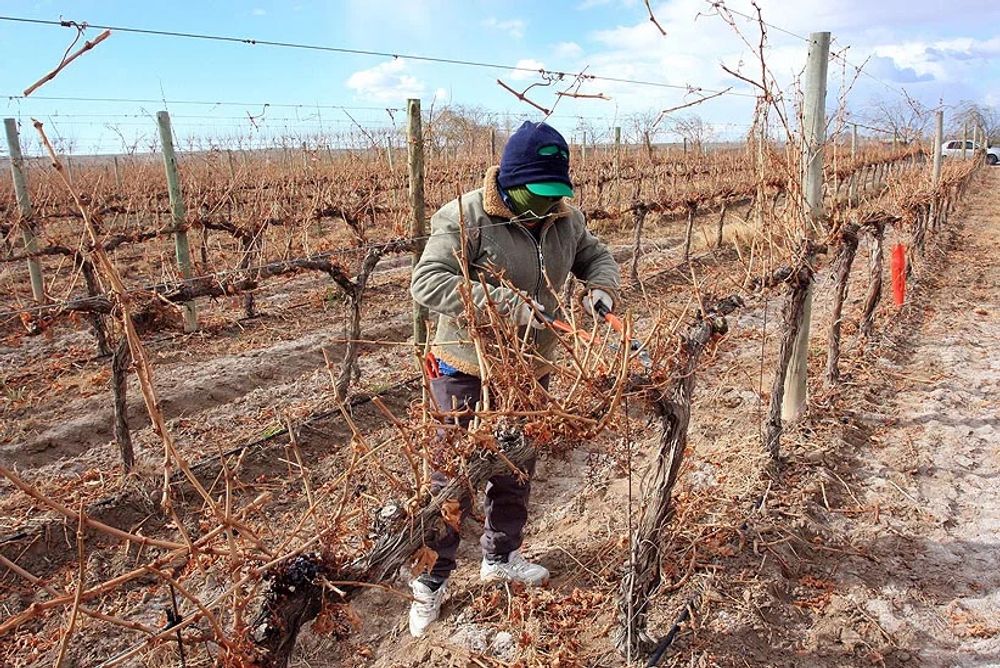
A vineyard worker at Bodega del Fin del Mundo
The scale of the Corredor del Viento project is eye-catching when set beside 1,500 hectares of vineyards. It is also easy to misinterpret.
The approximately 54,000 hectares are a study area. They are not 54,000 hectares already under irrigation and they are not land being offered for vineyards. The provincial documentation describes an area with potential to incorporate irrigation, while the work now commissioned includes the agricultural, hydraulic, economic and environmental studies required before future development can be defined.
There is currently no evidence that all, or even a substantial part, will prove suitable for viticulture.
There is already a very small viticultural presence in this part of the province. INV records 21.5 hectares of vines in Picún Leufú department. Public information about those vineyards, their varieties and recent performance is limited, so they tell us little about the wider potential of the area. For now, what matters is that the province has begun the work needed to understand what these landscapes could support.
The Limay is one of Patagonia's great rivers, carrying water east from the Andes through an overwhelmingly dry landscape. Yet owning land close to a river and having water legally and economically available for that land are very different things. A vineyard needs the appropriate water rights or authorisations, infrastructure to transport that water and, depending on the site, energy to pump and pressurise it.
San Patricio del Chañar itself is a useful reminder. Wine arrived after an agricultural and irrigation system had already begun changing the landscape. The vines came when infrastructure, financing and private investment could be brought together. Whether that same combination can occur elsewhere in Neuquén remains an open question.
The cost of finding another place
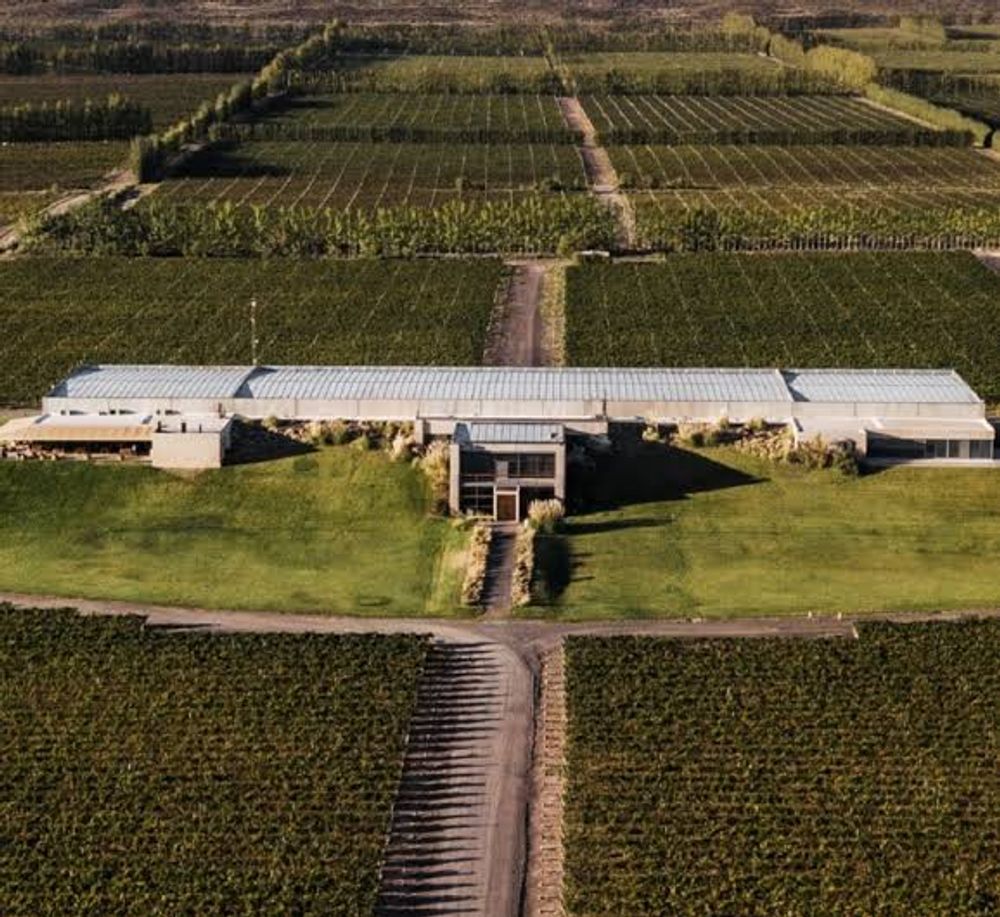
Bodega Malma is one of the biggest producers in the region
There is another reason to be cautious about apparently inexpensive Patagonian land.
A July 2025 economic model prepared by INTA Alto Valle estimated an establishment investment of $24,920 per net hectare over the first three years for the vineyard considered in the study.
The model uses Malbec, planted at 3,333 vines per hectare, with gravity irrigation and passive frost protection. It is a reference model for the irrigated valleys of northern Patagonia rather than a quotation for developing a vineyard anywhere in Neuquén.
Land was not included, nor was a winery. Using the figure simply to understand the scale, 50 hectares would represent around US$1.25 million in vineyard establishment before buying land or building somewhere to make the wine.
Costs will change with location, variety, vineyard design, irrigation requirements and whatever protection a particular site may need. But the model gives some perspective to what happens between acquiring a piece of land and having a productive vineyard.
Patagonia adds its own complications. Wind is part of everyday agriculture. Frost can determine whether a site works at all. Distances are considerable, and a new vineyard requires several years before reaching meaningful production.
Argentina adds another layer of uncertainty: exchange-rate policy, taxation and regulation have changed repeatedly during the lifetime of vineyards now producing in Neuquén. Anyone investing in vines is making decisions over decades in an economy that has often changed its rules much faster than that.
The new provincial incentives can reduce some costs and improve conditions for qualifying projects, but they do not change the quality of a site, provide water where none is available or eliminate the economic risk of investing in Argentina.
What kind of investment could make sense?
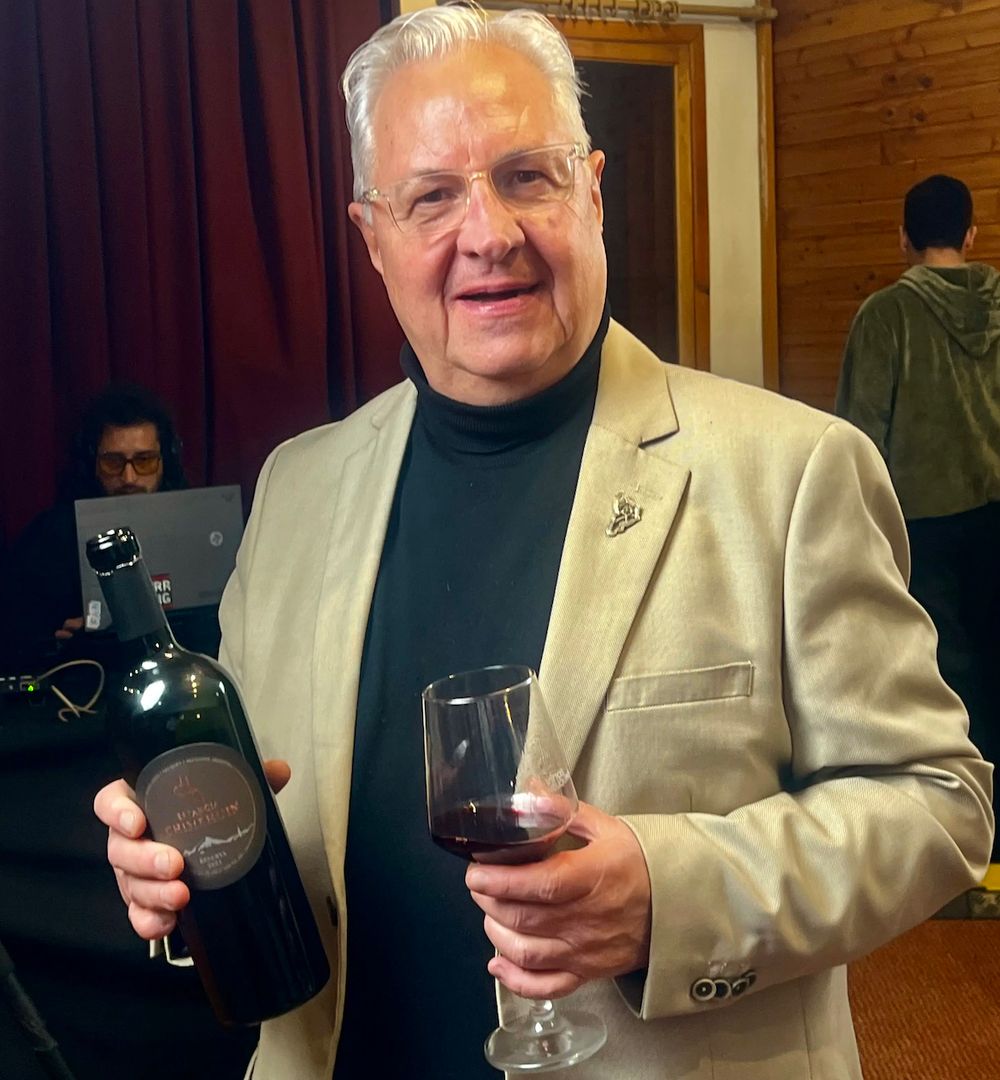
Sergio Landoni is a specialist writer on Patagonian wine
There is little reason for Neuquén to try to compete with Mendoza in volume. Mendoza has more than a century of accumulated viticultural infrastructure, a large vineyard base, wineries, suppliers, skilled labour and an established commercial network.
Neuquén offers another scale. Here, a 20, 50 or 100-hectare project can have significance. A vineyard can be developed around a particular site and a premium wine proposition, with a winery, gastronomy, accommodation or direct sales becoming part of the same project where location allows it.
This is also where Patagonia begins to matter beyond the technical details of viticulture. The territory is much better known internationally than its wines. Patagonia already means something to people who may never have tasted a bottle from Neuquén. Mountains, distance and open landscapes have built an image that the wine industry did not have to create, and the wines are only beginning to occupy a place within it.
For a producer or family considering a long-term project, there is another element that is difficult to put into an investment model.
Vineyard owners spend time where they invest. They bring customers, friends and families. Wineries become places as much as production facilities and, in some cases, another generation eventually becomes involved. Where that investment is located therefore matters for reasons that go beyond the price of land and the cost of producing a tonne of grapes, and Patagonia already carries considerable weight in that respect.
A second stage?
It would be tempting to look at the Corredor del Viento and imagine another San Patricio del Chañar waiting somewhere along the Limay.
We do not know that.
The studies may identify places with interesting agricultural conditions. They may also find that soils, frost, water availability, infrastructure or economics make vines unsuitable across large parts of the area. Neuquén is a diverse province, and that diversity does not mean every landscape has viticultural potential.
What has changed is the starting point. The first investors in San Patricio del Chañar entered a place with little modern wine history and had to discover much of it themselves. Today Neuquén has growers, wineries, trained people, established wines, export markets and more than twenty years of accumulated experience. Around that small industry, the province is going through a much larger cycle of investment in energy, infrastructure and productive development.
Neuquén does not need tens of thousands of new vineyard hectares for this to become significant to the wine world. A few new sites, if they prove to be the right ones, could tell us considerably more about what northern Patagonia can do.
Twenty-five years after the first modern wine development at San Patricio del Chañar, the interesting question is whether the conditions are beginning to emerge for a second stage of wine investment in Neuquén.
This time we know much more about the territory we are looking at, which may be reason enough to keep watching Patagonia's Neuquén while the next part of its wine map is still being drawn.